Employee retention software helps you keep your best people by tracking engagement, giving feedback, and spotting risks early. With turnover rates dropping to 13% in 2024 but still a concern, making smart, data-driven choices matters more than ever.
Year
Voluntary Turnover Rate
Total Employer Turnover Rate
2023
17.3%
N/A
2024
13.0%
18%
When you choose a platform, look for these features:
Engagement surveys and feedback tools
Recognition and rewards programs
Performance management tools
Strong analytics and reporting dashboards
Mobile accessibility
FanRuan and FineBI stand out with advanced analytics, helping you uncover trends and keep your teams engaged. Use this guide to compare options and find the right fit for your workplace.
Top Employee Retention Software Platforms
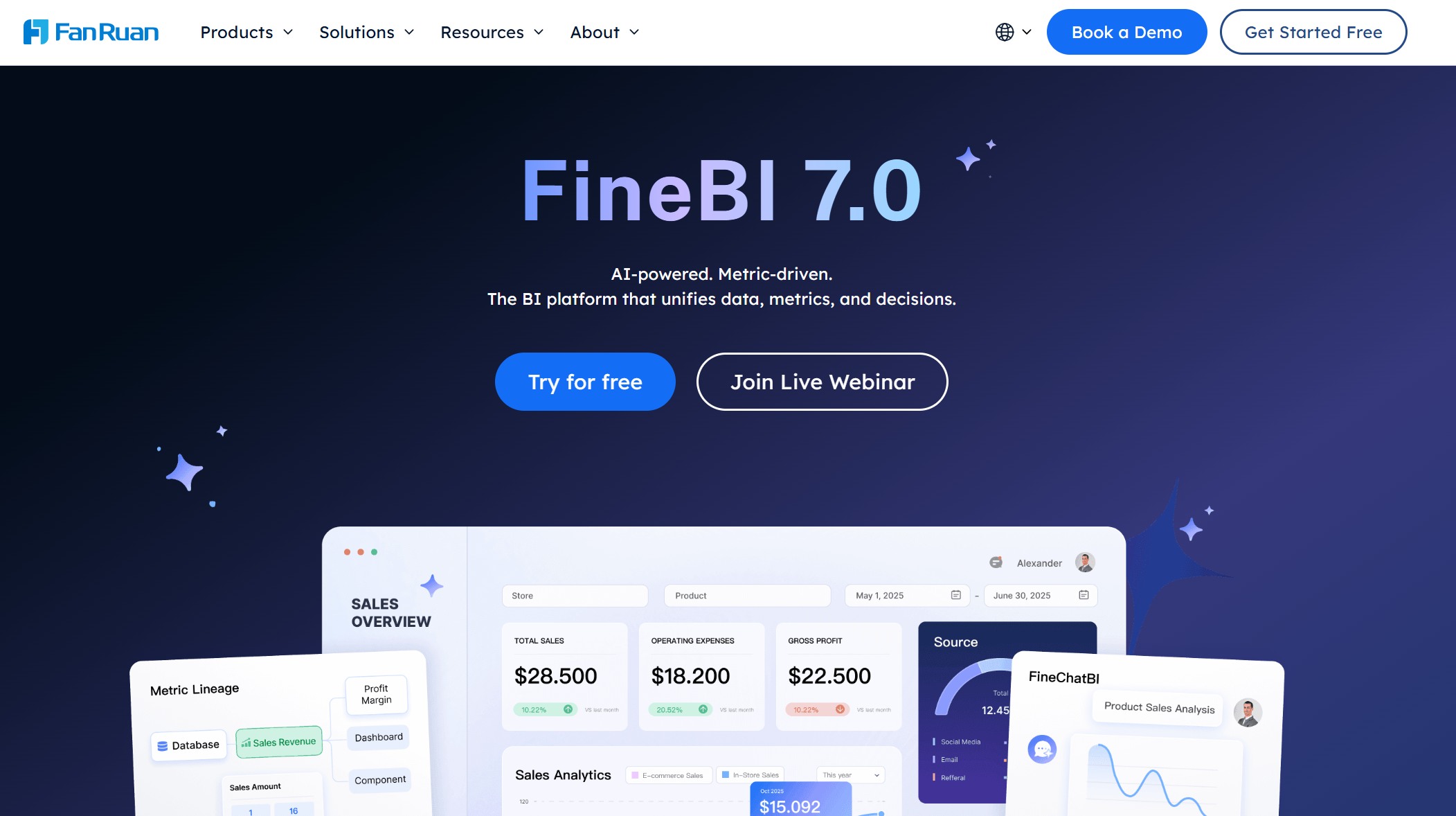
1.FanRuan FineBI
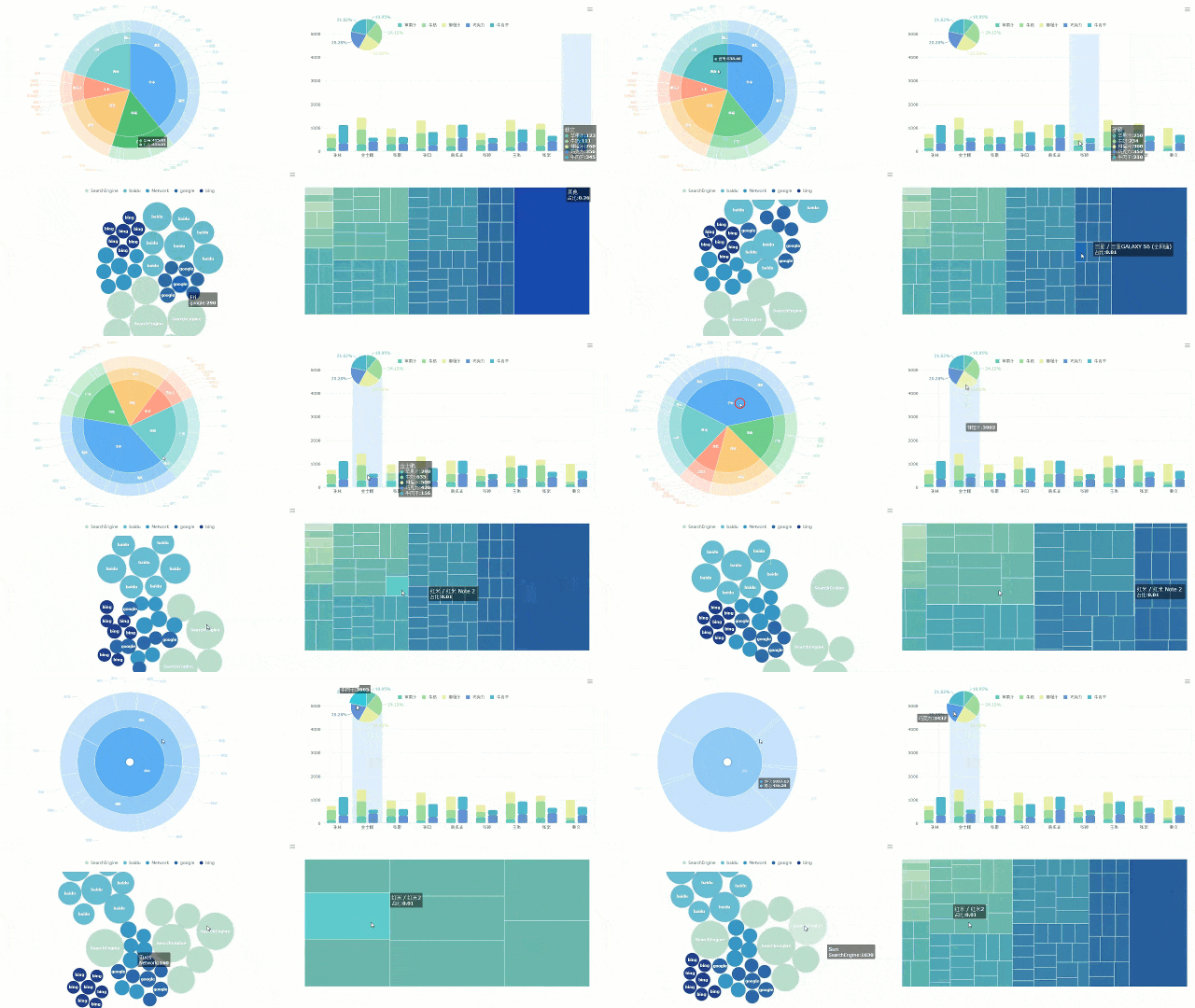
FanRuan FineBI brings advanced analytics to employee retention software. You can connect data from multiple sources and visualize trends with powerful dashboards. FineBI offers a range of visualization techniques, such as line charts for retention trends, cohort heatmaps to compare groups, funnel charts to track employee journeys, and churn survival curves to see how long employees stay.
You can use FineBI to spot risks, track KPIs, and predict future outcomes. The self-service dashboards make it easy for HR teams to explore data without coding. FineBI is a great fit if you want to make data-driven decisions and empower your team with real-time insights.
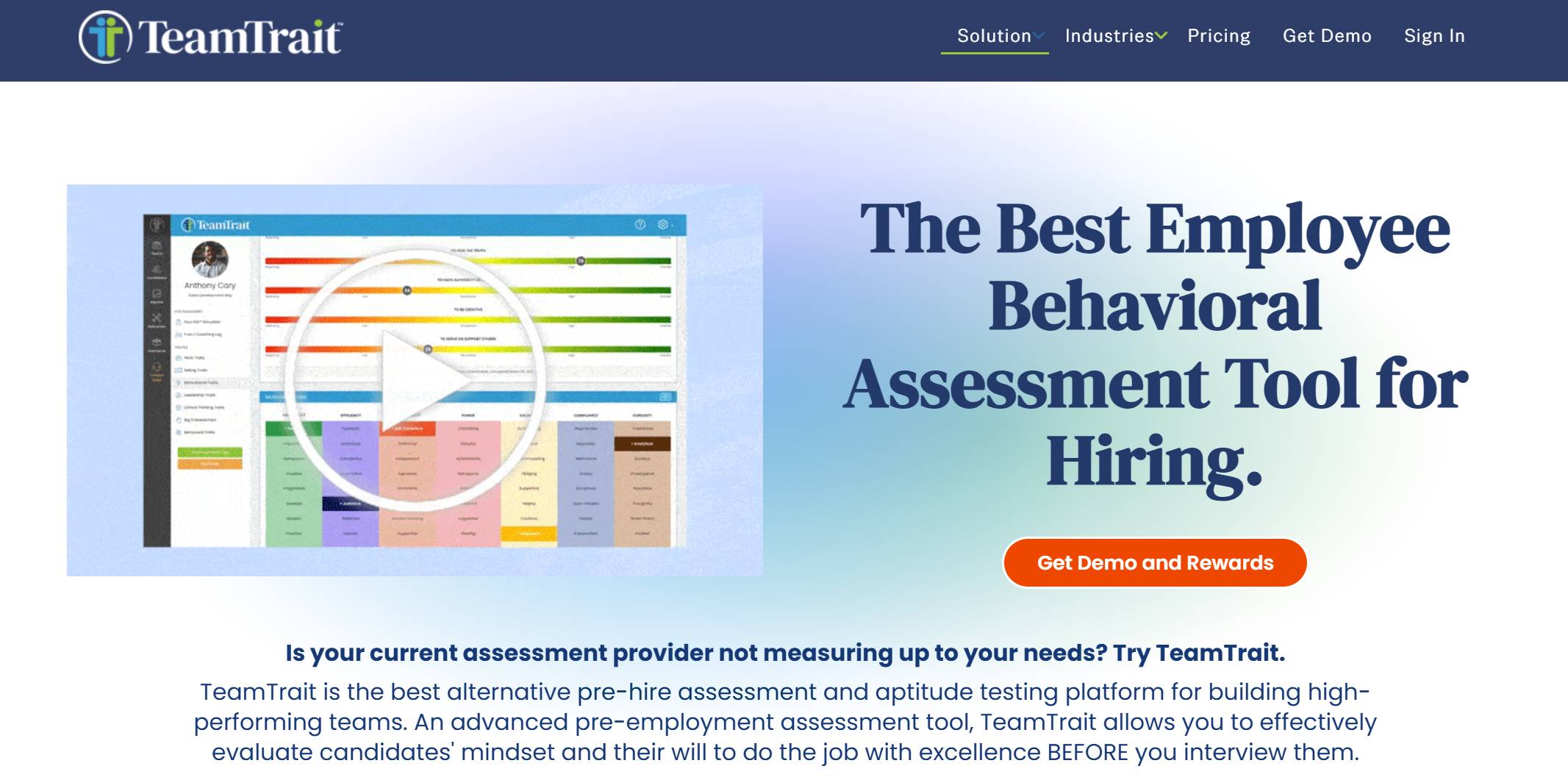
2.TeamTrait
TeamTrait stands out if you want to spot future leaders and boost management skills. This employee retention software gives you a clear view of your team’s strengths and areas for growth. You can use its hiring assessment tool to find candidates with empathy and adaptability—traits that help people thrive in your company.
Offers insights for tailored employee development plans
Focuses on improving management styles
You might find TeamTrait especially useful if you want to build a strong leadership pipeline. Some users wish for more integrations, but its focus on leadership makes it unique.
3.BambooHR
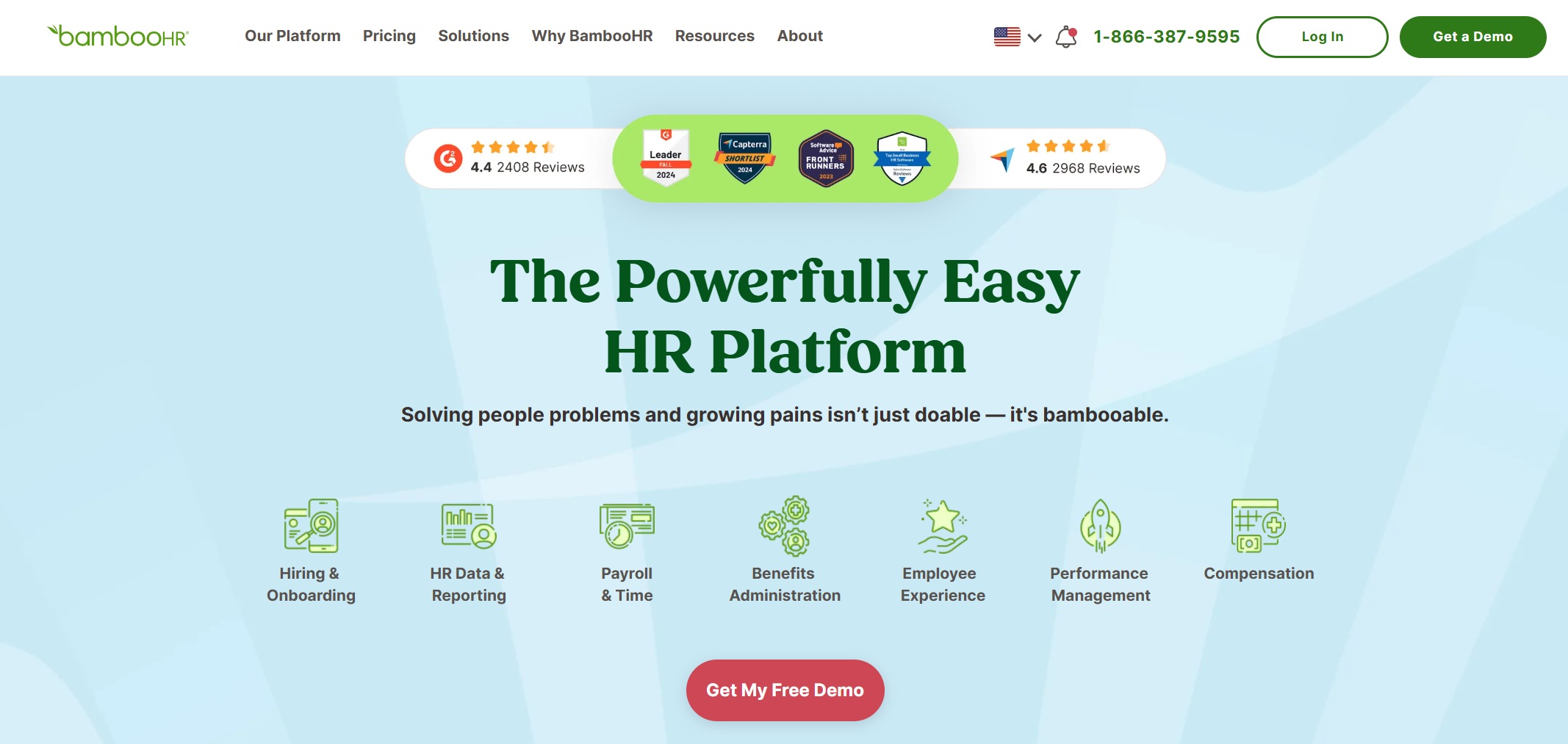
BambooHR is a favorite for many HR teams. You get a user-friendly interface and a smooth transition to digital HR. This employee retention software makes onboarding, performance management, and reporting simple.
Evaluate and improve performance with a three-pronged approach
Employee satisfaction
Reduce turnover and boost productivity with eNPS surveys
Open API
Build custom integrations easily
Onboarding
Keep new hires engaged from day one
Marketplace
Connect with 150+ tools and benefits providers
HR data and reporting
Access secure, automated reports in a central portal
You’ll love the competitive pricing and strong customer support. Some users want more customization, but most find BambooHR’s simplicity and positive culture a big plus for retention.
4.Lattice
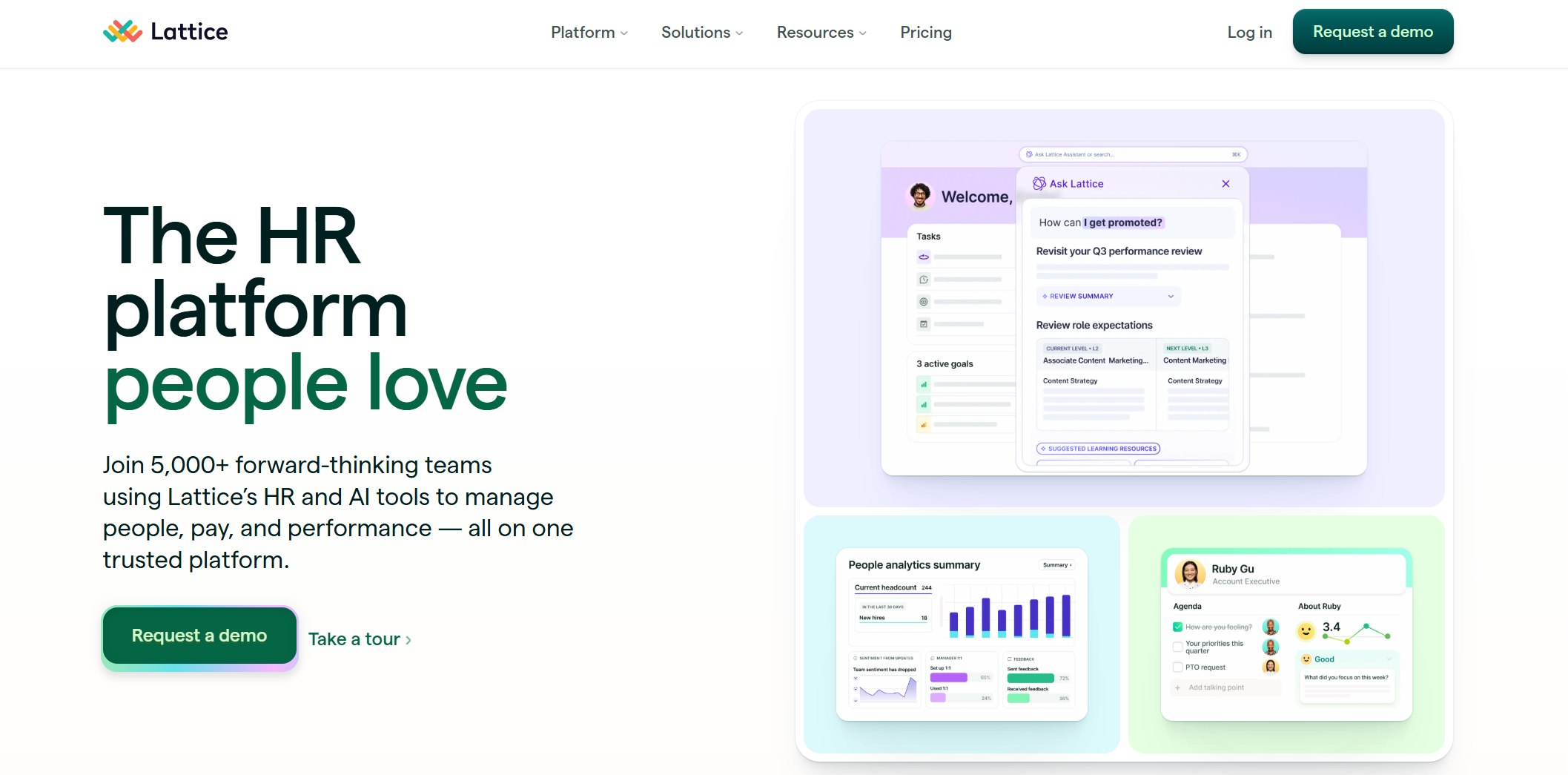
Lattice helps you listen to your employees and act on their feedback. You can collect comments, analyze them, and use the insights to shape your company’s programs.
“The comments that people wrote in were the best pieces of data. We created and thought of a ton of new programs and ideas and scrapped some programs that we realized wouldn’t work because people’s comments were thoughtful.” — Pam Farago Morris, Director of HR, Twill
“I think what [Lattice] has allowed us to do is take the pulse of the organization at large, and surface that information up to our executives and decision-makers in real-time. This has been hugely beneficial, especially in the remote environment.” — Joe Lisuzzo, HR Manager, GoGuardian
You can track engagement over time and see what’s working. Lattice’s strength lies in open communication, but some users wish for deeper analytics.
5.15Five
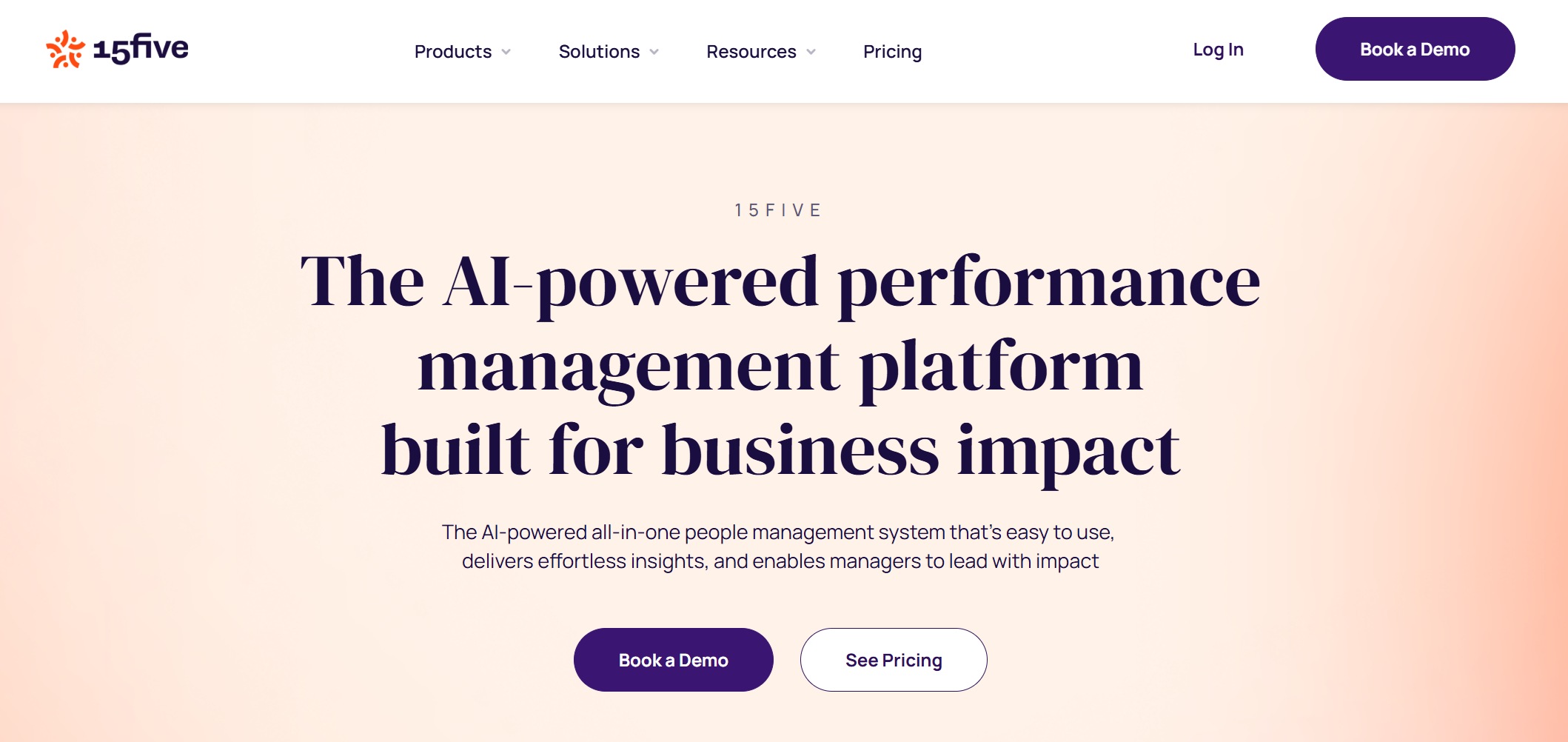
15Five gives you tools to keep your team engaged and growing. You can run stay interviews, empower employees to own their careers, and give managers the visibility they need.
Build a high-performance culture with recognition and check-ins
When employees know what success looks like, they stay longer. 15Five works best if you want to create a culture of feedback and growth. Some users mention a learning curve for new managers.
6.Workday
Workday brings powerful analytics to your HR toolkit. You can connect it with your existing HR systems and get real-time feedback on employee experience. The platform uses AI to predict attrition risks, so you can act before people leave.
Workday’s analytics help you understand what drives turnover. You can integrate it with legacy systems and applicant tracking systems. Some users find the setup complex, but the insights are worth it if you want a data-driven approach to retention.
7.TINYpulse
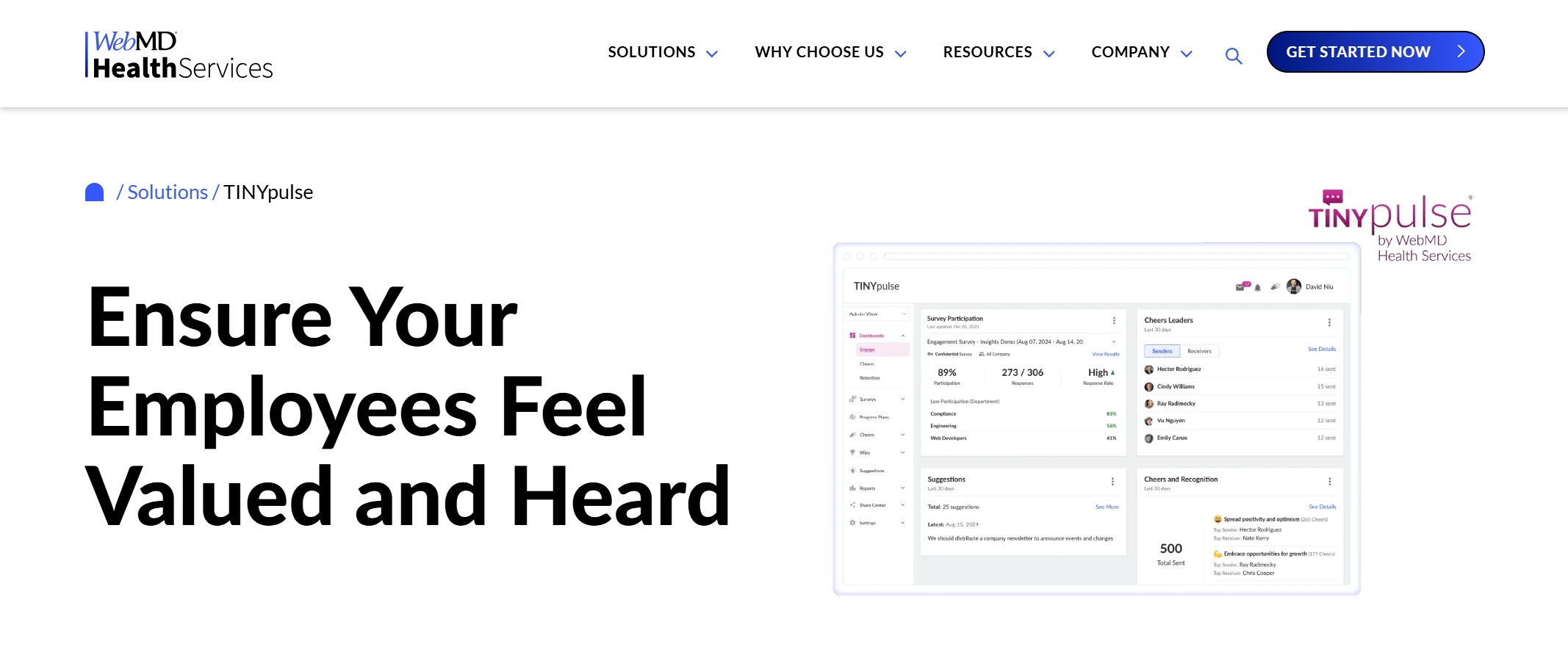
TINYpulse focuses on data-driven engagement. You can send anonymous surveys, get actionable recommendations, and share insights across teams.
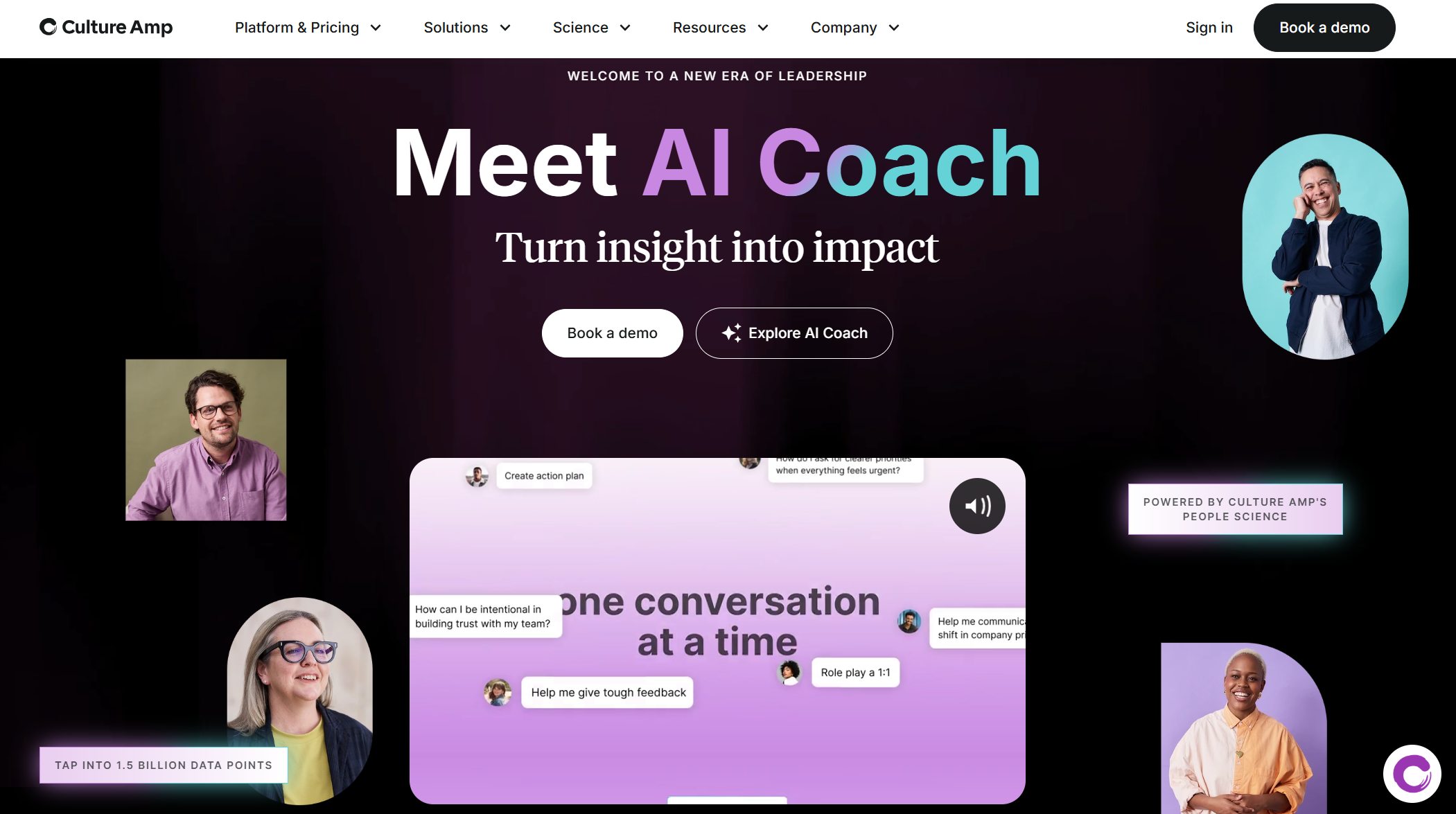
You’ll find that strong onboarding and learning opportunities keep people around longer. Culture Amp works best if you want to build a culture of continuous improvement. Some users wish for more advanced analytics, but its focus on action makes it effective.
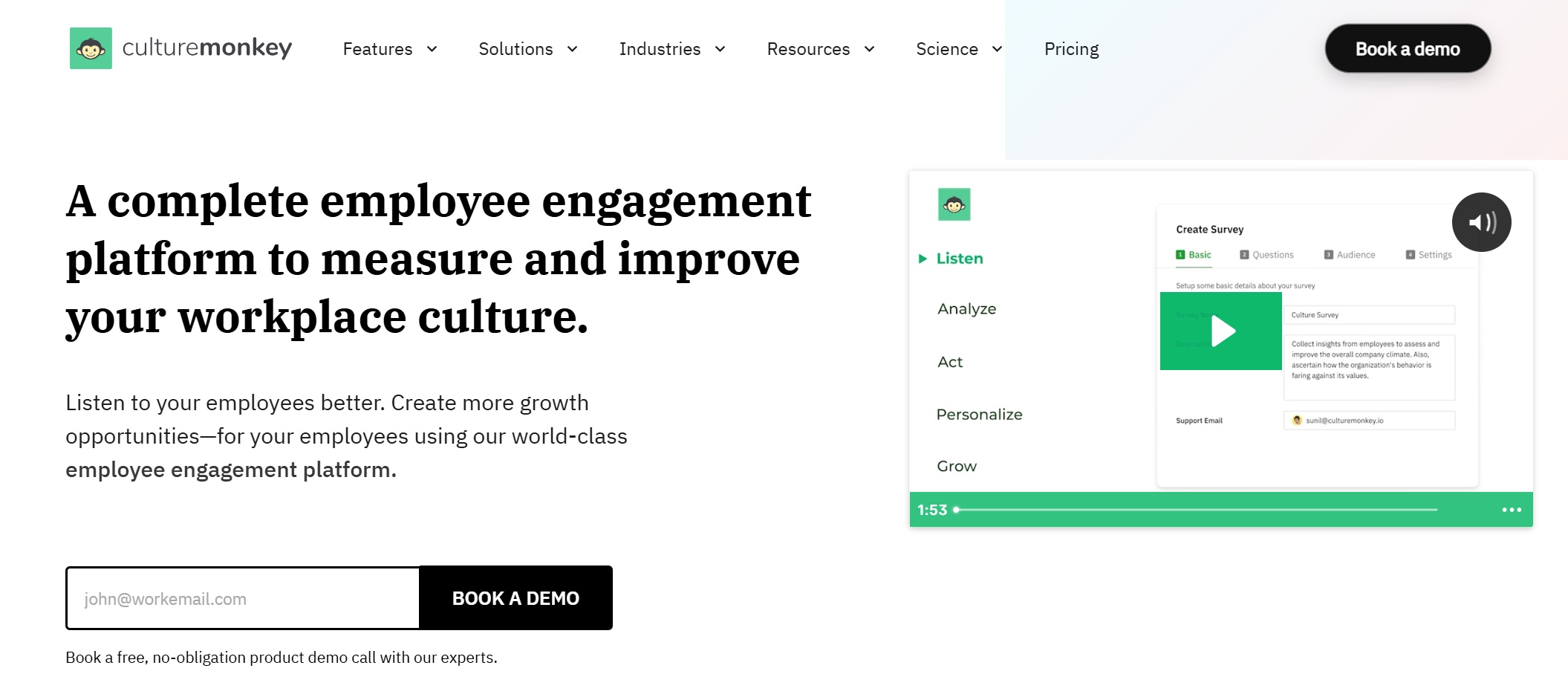
9.CultureMonkey
CultureMonkey uses AI to turn feedback into actionable insights. You can run anonymous surveys across multiple channels and automate feedback collection at every stage of the employee lifecycle.
Focus on diversity, equity, inclusion, and wellbeing
e-NPS & Engagement Metrics
Measures engagement and flags at-risk teams
Text & Sentiment Analysis
Finds themes in employee comments
Security & Compliance
Keeps feedback confidential and secure
CultureMonkey is ideal if you want to automate engagement tracking and focus on DEI. Some users want more integrations, but its AI insights are a big plus.
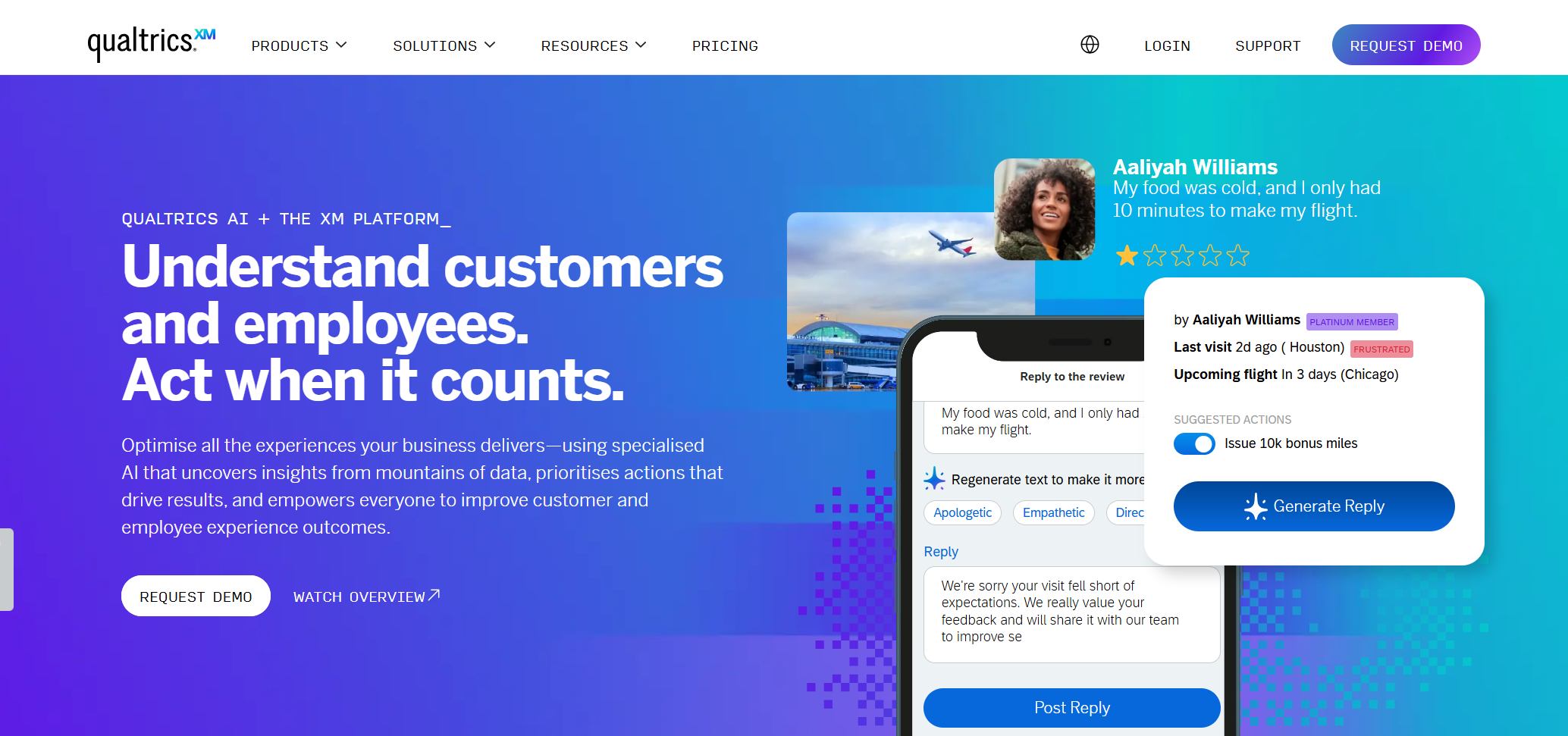
10.Qualtrics
Qualtrics lets you analyze turnover by pulling data from surveys and exit interviews. You can spot at-risk groups and build targeted action plans. The dashboards help you visualize trends and act fast.
You’ll find Qualtrics useful if you want to combine feedback from many sources. Some users mention a steep learning curve, but the advanced analytics make it a strong choice for large organizations.
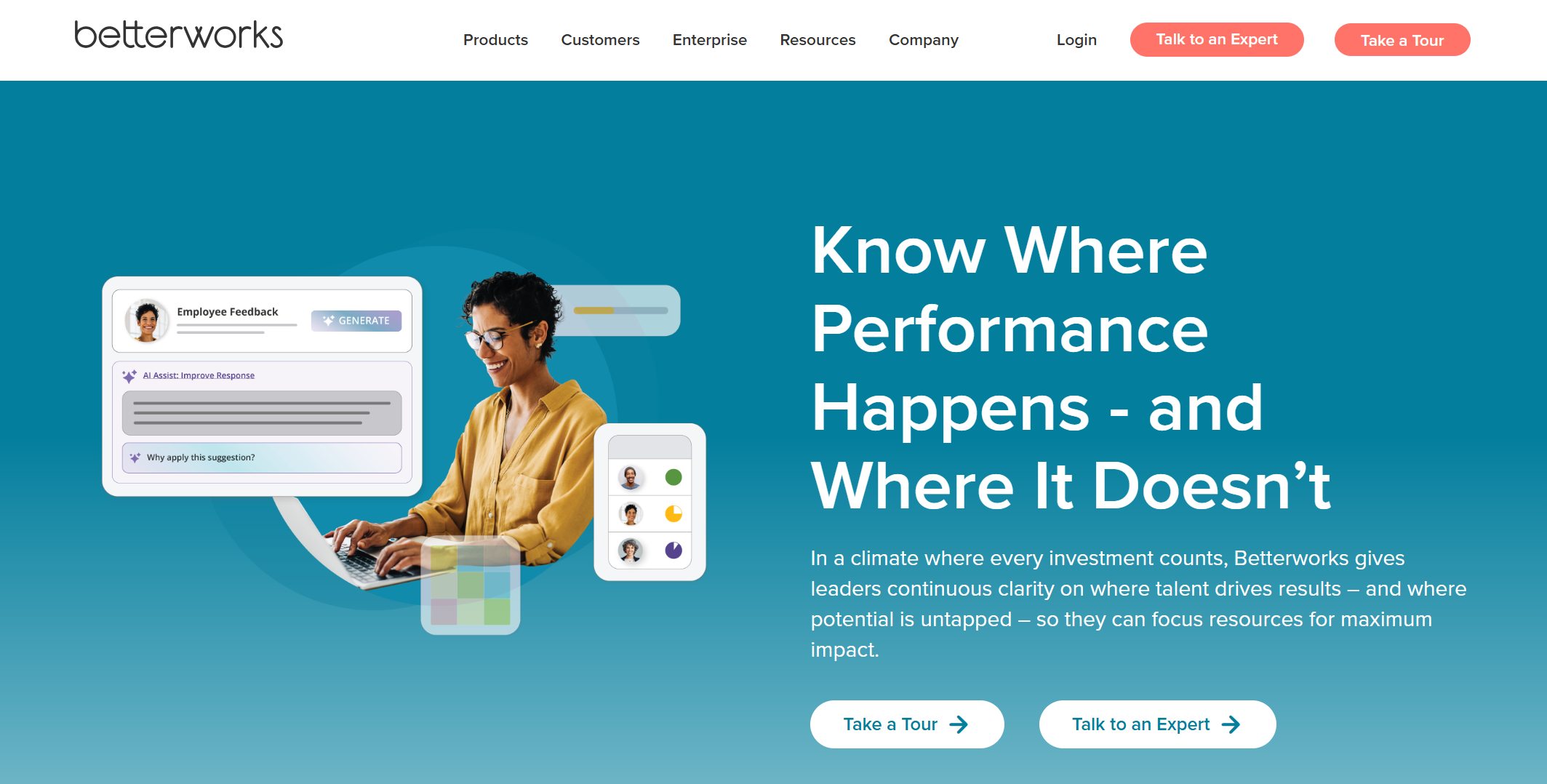
11.Betterworks
Betterworks helps you support career growth and performance. You can set clear goals, track progress, and give feedback that matters.
75% of employees want to stay and grow with their company.
Less than half see a clear path to advancement.
Only 46% feel supported in their career goals.
Just 52% say they get enough performance enablement.
Betterworks works best if you want to boost internal mobility and clarify career paths. Some users wish for more personalized development tools.
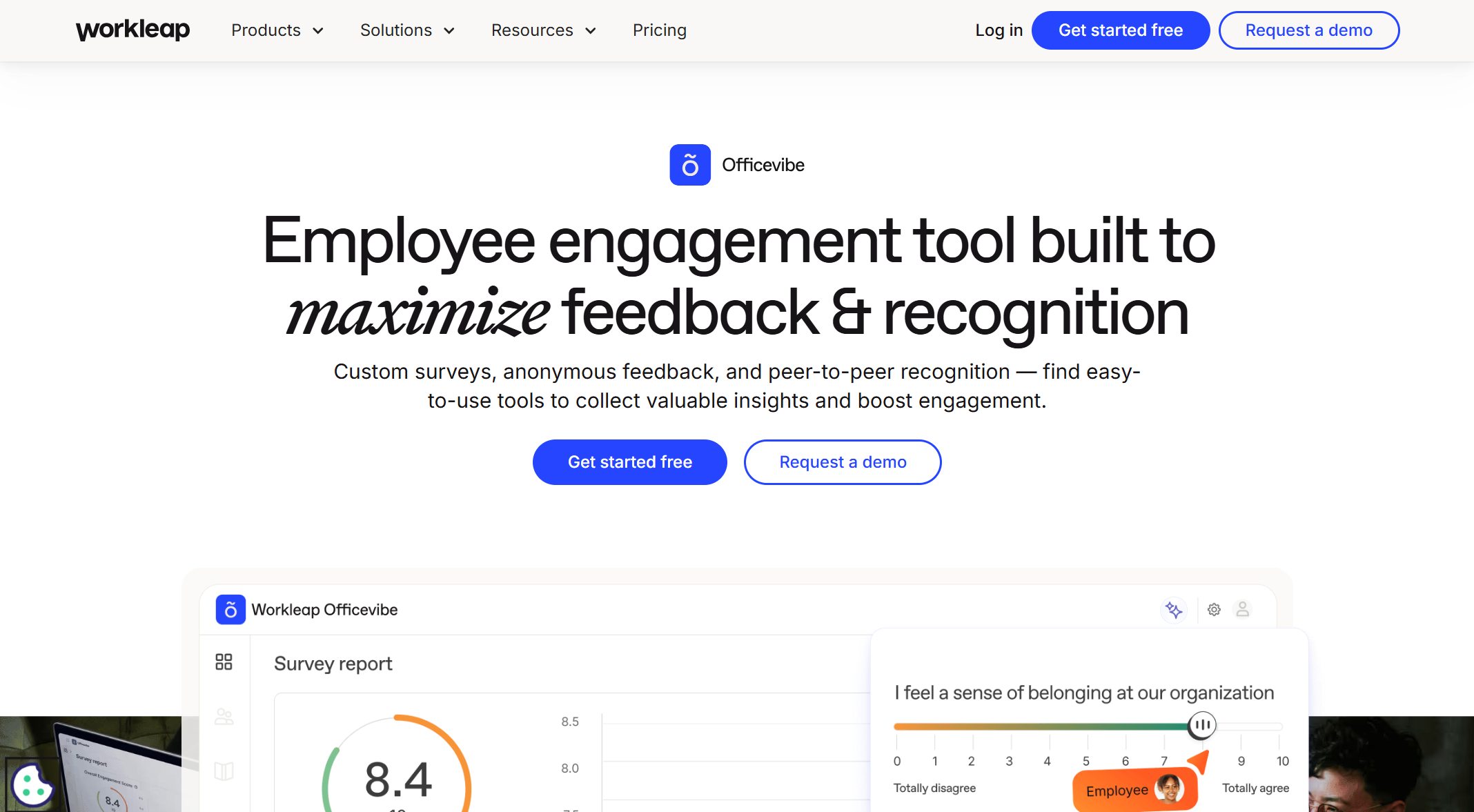
12.Officevibe
Officevibe makes it easy to gather feedback with pulse and custom surveys. You can spot issues early, monitor concerns, and keep your team engaged. This employee retention software helps you reduce turnover by making feedback a regular part of your culture.
You’ll appreciate the simple interface and actionable insights. Some users want deeper analytics, but Officevibe’s focus on engagement makes it a solid choice for growing teams.
13.Glint
Glint gives you real-time feedback tools that help you cut turnover and boost morale.
Companies using Glint saw a 25% drop in turnover in the first year.
Employees report higher satisfaction and morale.
Surveys help you find what matters most to your team.
Glint is a good fit if you want fast results and a happier workplace. Some users mention a learning curve, but the impact on retention is clear.
14.Peakon
Peakon uses AI to give you real-time insights into your workforce. You can run smart surveys that ask the right questions at the right time. The platform helps managers respond directly to feedback and build tailored action plans.
Peakon is perfect if you want to act fast on feedback and understand what motivates your team. Some users want more customization, but its data-driven approach stands out.
15.Kazoo
Kazoo combines recognition, feedback, and analytics in one platform. You can automate recognition triggers, integrate with tools like Bonusly, and use real-time analytics to drive innovation.
Integrates with Bonusly for frequent recognition
AI agents automate recognition based on performance
Real-time analytics for agile decision-making
Kazoo works well in industries like healthcare, retail, and tech. Some users want more reporting options, but its focus on recognition and analytics makes it a strong choice for boosting morale and retention.
Choosing the right employee retention software can transform your workplace. Each platform offers unique strengths, so think about your team’s needs and goals as you compare your options.
What Is Employee Retention Software?
Definition and Core Features
Employee retention software helps you keep your best people by making it easy to track engagement, recognize achievements, and spot risks before they become problems. You get a toolkit that brings together employee assessment tools, feedback surveys, and recognition programs. These features work together to support your employee retention strategies and build a positive workplace.
Here’s a quick look at what you’ll find in top employee retention software:
Feature
Description
Peer-to-peer recognition
Builds a culture of appreciation and belonging, making teams stronger and less isolated.
Hosted games and experiences
Offers fun rewards that go beyond the usual, creating excitement and emotional connections.
Support for local causes
Lets you align rewards with employee values, boosting purpose and community connection.
Leaderboards and competition
Adds a playful edge, motivating teams and individuals to do their best.
Track participation and rewards
Helps you see what works, so you can adjust programs to fit your team’s needs.
You also get employee assessment tools that analyze feedback, measure engagement, and benchmark your results. Mobile-friendly surveys make it easy for everyone to join in, no matter where they work. Many platforms, like employee experience platforms, even personalize onboarding journeys to match each person’s role and skills.
Benefits for Organizations
When you use employee retention software, you see real results. You save money because you hire less often and spend less time training new people. Teams feel happier and more connected, which lifts morale and strengthens your company culture. You also get a boost in productivity, since experienced employees make fewer mistakes and keep customers happy.
Here’s how organizations benefit:
Lower hiring costs and faster ramp-up times
Higher morale and a stronger sense of belonging
Steady productivity and fewer errors
Employee retention software supports your employee retention strategies by giving you the right employee assessment tools and insights. You can spot trends, address concerns early, and keep your best people engaged. Many companies now use employee engagement software to measure what matters and act fast. With the right tools, you can build a workplace where people want to stay.
Why Employee Retention Software Matters in 2026
Trends in Retention and Engagement
You might notice that the workplace keeps changing. In 2025, employees want more than just a paycheck. They look for growth, learning, and a sense of belonging. If you want to keep your best people, you need to focus on what matters most to them.
Career development and growth opportunities help people see a future at your company.
Mentorship and coaching programs boost job satisfaction and personal growth.
Recognition and reward systems make employees feel valued and loyal.
Stay and exit interviews give you real feedback on why people stay or leave.
Employee well-being programs show you care about their health and happiness.
AI-driven retention tools help you spot risks before they become problems.
You can also build a connected and inclusive workplace by encouraging open communication. Regular engagement surveys and feedback loops let you check in with your team and find out what they need. Offering flexibility and work-life balance is now a must-have, not just a nice-to-have.
Retaining employees saves money and keeps your team strong. Research shows that replacing someone can cost a lot, so it makes sense to invest in keeping your current staff happy.
Impact on Business Outcomes
When you use employee retention software, you see real changes in your company. You spend less on hiring and training because fewer people leave. Your team gets more done because they feel engaged and supported. A positive culture grows when you show commitment to employee engagement.
Evidence Type
Description
Reduced Turnover Costs
Effective reduction of employee turnover leads to significant savings on recruitment, hiring, and training costs.
Increased Productivity
Engaged employees are more productive, and retention software helps identify dissatisfaction areas.
Improved Company Culture
Commitment to employee satisfaction fosters a positive culture that attracts and retains talent.
The average cost of hiring a new person is around $4,000. That adds up fast if you have high employee turnover. Recruitment, training, and onboarding cost more than keeping your current team. Employee retention software helps you track engagement surveys, spot trends, and act before problems grow. When you focus on employee engagement, you build a workplace where people want to stay and do their best.
Employee Retention Software Comparison Table
Choosing the right employee retention software can feel overwhelming. You want to see how each platform stacks up before you decide. That’s why a side-by-side comparison helps you spot the differences at a glance. Below, you’ll find a table that covers the essentials: features, analytics, integrations, pricing, support, and the best use case for each platform.
Tip: If you want to dig deep into your data, FineBI stands out. You can connect over 60 data sources, build custom dashboards, and use advanced analytics to spot retention risks before they grow. FineBI’s self-service tools let you explore trends, compare cohorts, and visualize every step of the employee journey—no coding needed.
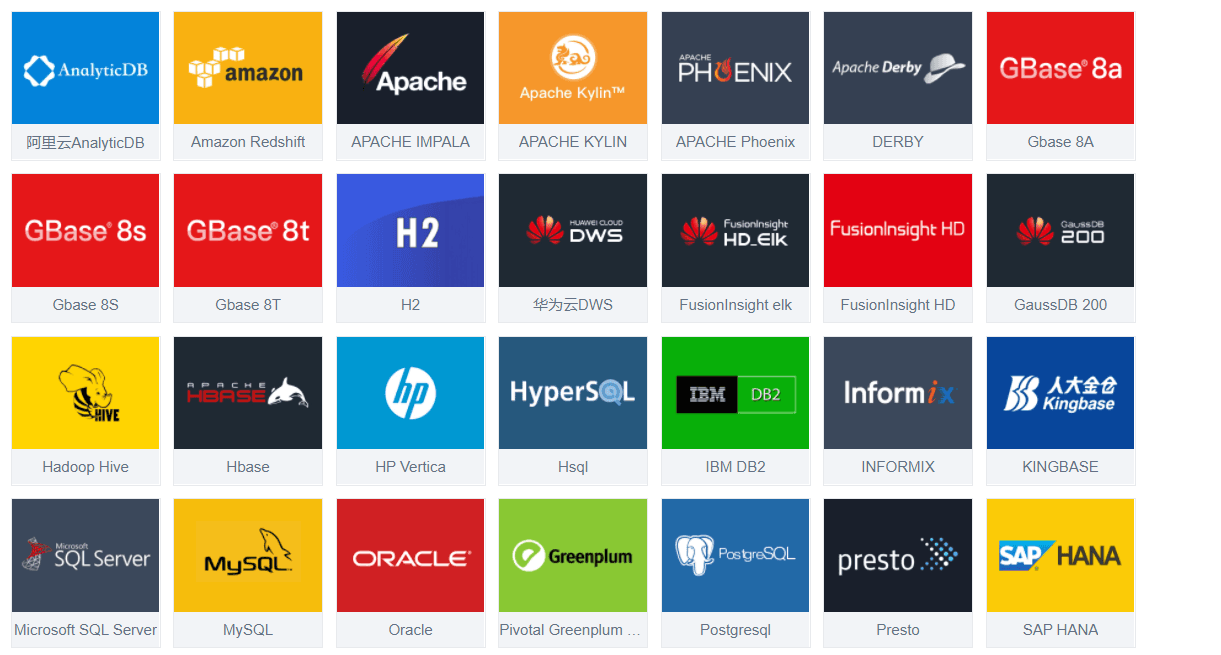
FineBI data connection
You might notice that some platforms focus on quick wins, like TINYpulse or Officevibe, while others, such as Workday or Qualtrics, offer enterprise-level analytics. If you want a flexible, analytics-first approach, FineBI gives you the power to unify data from multiple systems and turn it into actionable insights. That’s a game-changer for any HR team looking to make smarter decisions with employee retention software.
How to Choose Employee Retention Software
Assessing Needs and Goals
Start by thinking about what you want to achieve with employee retention software. Do you want to boost employee engagement, improve feedback, or make performance reviews easier? Set clear goals before you begin your search. When you know your priorities, you can focus on features that matter most.
Here’s a quick table to help you match your needs with proven results:
Factor
Why It Matters
Goal Management
Employees with at least one goal on their review are 25% more likely to stay.
Performance Reviews
Quarterly feedback can increase retention by 19%.
Employee Engagement
Performance management practices show employees they bring value to the team.
You might also want tools for regular feedback, 360-degree reviews, and analytics to track progress. Employee listening tools and surveys can uncover what keeps your team happy.
Key Features to Consider
Not all platforms are the same. Look for features that fit your employee retention strategy and make life easier for your team. Here are some must-haves:
Comprehensive lifecycle coverage, from recruitment to exit
Powerful text analytics for open-ended feedback
Easy integration with your HR systems
User-friendly design for weekly use
Built-in employee recognition and appreciation tools
Goal alignment and OKR features
Career development support
Predictive analytics for spotting issues early
Quick setup and anonymous feedback channels
Employee recognition platforms can make a big difference in morale and retention.
Integration and Scalability
You want software that grows with you. Integration matters because it connects your tools and keeps data flowing smoothly. For example, connecting with your HRIS or performance management system helps you spot at-risk employees and act fast. Integration with communication tools means you get real-time alerts if someone feels disengaged.
Integration Type
Impact on Retention Software
HRIS Integration
Reduces errors and supports data-driven decisions
Performance Integration
Helps identify and support at-risk employees
Communication Tools
Sends real-time alerts for disengagement
Survey Tools
Makes it easy to collect and analyze feedback
Scalability ensures your platform can handle more users and data as your company grows.
Analytics and Reporting (FineBI)
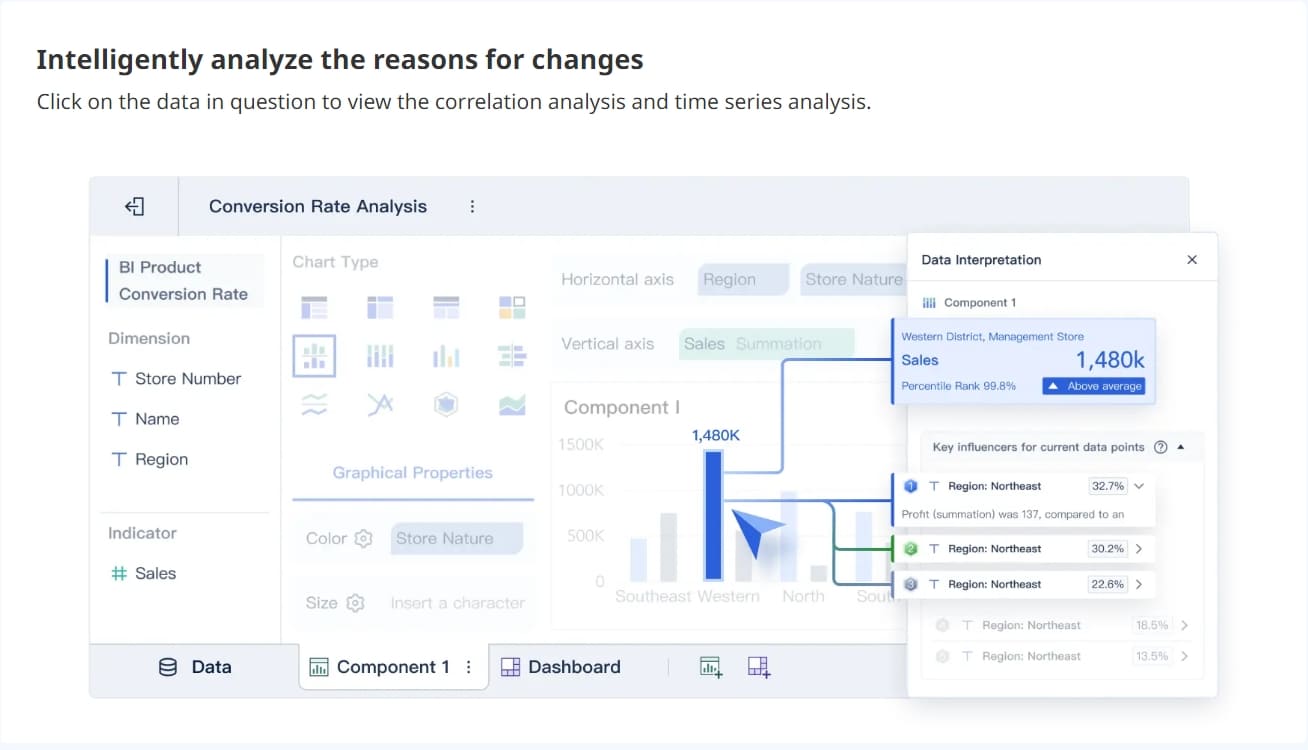
Analytics turn raw data into action. With advanced tools like FineBI, you can connect data from over 60 sources and build dashboards that show real-time trends. FineBI lets you visualize retention, compare groups, and predict future risks—all without coding. You can track KPIs, spot patterns, and share insights with your team. This makes it easier to adjust your employee retention strategy and keep your best people.
Pricing and ROI
Think about your budget and what you get in return. Some platforms charge per user, while others offer custom pricing. Look for clear value—will the software help you save on hiring, boost employee recognition, or improve engagement? The right choice pays for itself by reducing turnover and making your team stronger.
Tip: Try a demo or free trial before you decide. This helps you see if the software fits your needs and feels right for your team.
Common Mistakes When Selecting Retention Software
Choosing employee retention software can feel tricky. You want to get it right the first time. Many people make the same mistakes when picking a platform. Let’s look at three big ones so you can avoid them.
Overlooking Integration
You might find a tool that looks perfect on its own. But if it doesn’t connect with your other systems, you’ll run into problems fast. Imagine trying to pull data from different places every week. That gets old quickly. You want software that works with your HRIS, payroll, and communication tools. Integration saves you time and keeps your data accurate.
Tip: Always ask about integrations before you buy. Make a list of your current tools and check if the new software connects with them.
Ignoring User Experience
A platform can have all the features in the world, but if it’s hard to use, your team won’t touch it. You want something that feels simple and friendly. If people get lost in menus or can’t find what they need, they’ll give up. That means you lose out on feedback and insights.
Look for a clean dashboard.
Try a demo with your team.
Ask real users how easy it is to use.
Underestimating Analytics
You might think basic reports are enough. But strong analytics help you spot trends and act before problems grow. If you can’t see what’s really happening, you’ll miss warning signs. Platforms like FineBI give you deep insights with easy-to-read dashboards.
Note: Don’t settle for simple charts. Choose software that helps you dig into your data and make smart decisions.
Avoid these mistakes, and you’ll set yourself up for success with your new retention software.
Tips for Successful Implementation
Planning and Onboarding
You want your new employee retention software to make a real difference. Start with a clear plan. Set goals for what you want to achieve. Make a checklist of tasks and deadlines. Involve key people from HR, IT, and management early. This helps everyone feel included and ready for change.
When you roll out the software, give your team a warm welcome. Send out an announcement that explains why you chose this tool and how it will help. Share a simple onboarding guide. Invite questions and feedback. People feel more comfortable when they know what to expect.
Tip: Assign a project champion. This person can answer questions and keep everyone on track.
Training and Adoption
Training helps your team get the most out of your new platform. Offer short, hands-on sessions. Use real examples from your company. Encourage people to try the software and ask questions. You can create a resource hub with video tutorials, FAQs, and quick tips.
Some people learn faster than others. Pair up tech-savvy employees with those who need extra help. Celebrate small wins, like the first completed survey or dashboard. This builds confidence and keeps motivation high.
Host weekly check-ins to answer questions.
Share success stories from early users.
Keep training materials easy to find.
Measuring Success
You need to know if your new software works. Set clear metrics before you start. Track things like employee engagement scores, survey response rates, and turnover numbers. Use the platform’s analytics to spot trends and see what’s working.
Review your progress every month. Share results with your team. If something isn’t working, adjust your approach. Celebrate improvements, no matter how small. This keeps everyone focused on your goals and shows that the software makes a real impact.
Note: Regular feedback helps you fine-tune your strategy and get the most value from your investment.
You have plenty of choices when it comes to employee retention software. Each platform offers something unique for boosting employee engagement and keeping your team happy. FineBI gives you powerful analytics to help you make smart decisions. Take a look at the comparison table, try a demo, and think about what fits your needs best. Got questions or stories to share? Drop them in the comments!
Continue Reading About Employee Retention Software
Access a wealth of case studies, industry insights, and solution guides to accelerate digital transformation.
FAQ
What is employee retention software?
Employee retention software helps you keep your best people. You can track engagement, collect feedback, and spot risks early. These tools make it easier to build a positive workplace and reduce turnover.
How do I know which platform fits my company?
Start by listing your goals. Do you want better feedback, stronger analytics, or easier onboarding? Try demos and ask your team for input. The right fit feels easy to use and matches your needs.
Can I integrate retention software with my current HR tools?
Most platforms offer integrations with HRIS, payroll, and communication tools. Always check the integration list before you buy. This saves you time and keeps your data connected.
How does analytics improve employee retention?
Analytics show you trends and patterns. You can see what works and what needs fixing. With tools like FineBI, you get real-time insights to help you act before problems grow.
Is employee retention software worth the investment?
Yes! You save money by keeping your best people. You also boost morale and productivity. Many companies see a quick return on investment through lower hiring costs and happier teams.