A sample business expense report is more than a form for claiming money back. It is a control document that helps employees submit expenses correctly, helps managers approve spending faster, and helps finance teams maintain compliance, accuracy, and audit readiness. If your team is still dealing with unclear receipts, late submissions, inconsistent categories, or reimbursement delays, a standardized expense reporting process can remove friction immediately.
Click To Try The Dashboard
All reports in this article are built with FineReport
A business expense report is a document employees use to record work-related spending and request reimbursement, or to document expenses paid with a company card. It is commonly submitted after a business trip, client meeting, office purchase, project activity, or monthly reporting period.
For employees, the goal is simple: submit complete and accurate records so reimbursement happens without follow-up. For finance leaders, the goal is broader: enforce policy, prevent duplicate claims, maintain clean records, and close books efficiently.
Core sections in a sample business expense report
Most expense reports include a consistent set of sections. These fields make the document reviewable and actionable:
Employee information: Name, ID, department, manager, and cost center
Reimbursable vs. non-reimbursable vs. policy-limited expenses
One of the biggest causes of delay is confusion around what qualifies for reimbursement. A clean sample business expense report should reflect company policy clearly.
Reimbursable expenses: Approved business costs such as airfare, lodging, meals within limits, taxis, mileage, conference fees, or office supplies
Non-reimbursable expenses: Personal purchases, family travel costs, alcohol where restricted, entertainment without approval, or fines and penalties
Policy-limited expenses: Costs that are allowed only within set thresholds, such as daily meal caps, hotel rate ceilings, mileage rules, or pre-approval requirements
This distinction matters because finance teams do not simply verify amounts. They verify policy compliance.
Why complete records matter
A complete expense report protects both the employee and the business. Employees get reimbursed faster. Managers spend less time clarifying. Finance teams reduce manual checking and improve audit readiness.
A well-documented report also supports:
Better budget tracking
More accurate project costing
Tax documentation
Reduced reimbursement disputes
Cleaner month-end close
The Core Framework: Key Metrics and Core Elements
To make expense reporting operationally strong, organizations should standardize not only the template but also the metrics used to monitor performance and compliance.
Key Metrics (KPIs)
Submission Timeliness: Measures how quickly employees submit reports after the expense date or trip completion.
Approval Cycle Time: Tracks the average time from submission to manager and finance approval.
Reimbursement Turnaround Time: Measures how long it takes from final approval to employee payment.
Receipt Completion Rate: Percentage of expense line items supported by valid receipts or required documentation.
Policy Violation Rate: Share of submitted expenses that exceed limits, use incorrect categories, or lack approval.
Duplicate Claim Rate: Number of repeated or overlapping expense entries identified during review.
Category Accuracy Rate: Percentage of expenses coded to the correct GL, department, project, or expense type.
Exception Resolution Time: Average time needed to fix missing receipts, unclear descriptions, or rejected items.
Spend by Category: Total spending grouped by travel, meals, lodging, mileage, office supplies, and other categories.
Spend by Employee or Department: Helps finance leaders identify patterns, outliers, and budget pressure areas.
Beyond basic fields, enterprise-ready expense reporting depends on a few process controls:
Standard expense categories
Required business purpose descriptions
Defined submission deadlines
Receipt attachment rules
Approval routing by amount or department
Reimbursement timing expectations
Exception handling for missing receipts
Currency conversion rules for international travel
Tax and VAT documentation requirements
When these elements are standardized, the sample business expense report becomes a repeatable operating tool instead of a one-off spreadsheet.
Key Fields and Supporting Documents to Prepare
Before submitting an expense report, employees should gather the required information and backup files. Missing basics are the fastest way to trigger rejection or delay.
Employee, trip, and payment details
Every report should identify who spent the money, why it was spent, and how it was paid.
Typical required fields include:
Employee name
Department
Employee ID
Manager name
Business purpose
Client, project, or event reference
Travel dates
Destination
Payment method such as personal card, cash, or corporate card
Expense categories usually include:
Travel
Meals
Lodging
Mileage
Ground transportation
Office purchases
Client entertainment, if allowed
Miscellaneous approved business expenses
The more specific the description, the easier the review. “Client lunch with ABC team after contract review” is far better than “meal expense.”
Supporting documents are the backbone of a valid expense claim. Finance teams typically require some or all of the following:
Itemized receipts
Invoices
Boarding passes or travel confirmations
Hotel folios
Taxi or rideshare confirmations
Credit card slips
Bank transaction proof
Mileage logs
Currency conversion support for foreign expenses
Tax invoices where VAT, GST, or similar tax applies
If receipts are missing, many companies require a written declaration or manager-approved exception form. This should not be treated casually. Missing receipts increase review time and raise compliance risk.
For international claims, employees should also confirm:
Exchange rate used
Original currency
Converted local reimbursement value
Whether tax can be reclaimed
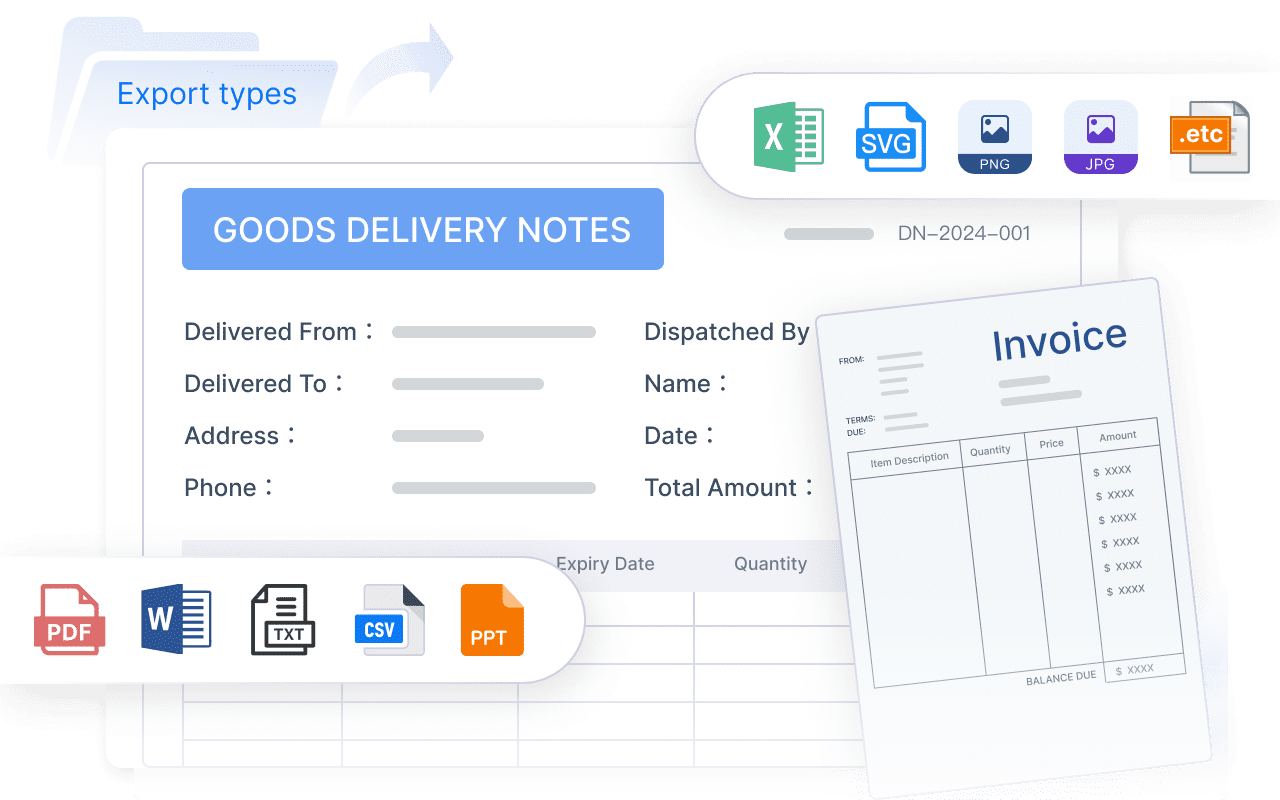
Free Excel Expense Report Templates and Other Editable Formats
Many teams start with a template before moving to automation. That is a practical approach, especially for smaller organizations or departments with low expense volume.
Excel remains the most common format because it is flexible, familiar, and easy to customize. But it is not the only option.
Excel, Word, PDF, or Google Sheets: when to use each
Excel: Best for calculations, category totals, and structured line-item tracking
Word: Useful for simple reimbursement forms but weaker for calculations and data consistency
PDF: Best for fixed, printable forms and standardized submission layouts
Google Sheets: Strong for shared editing, lightweight collaboration, and remote teams
For small teams, free expense report templates are practical because they reduce setup time and create consistency fast. For growing businesses, editable templates help establish process discipline before introducing workflow automation.
What makes editable templates useful
A good template helps teams:
Submit expenses faster
Reduce formatting errors
Standardize categories
Calculate totals automatically
Prepare reports for review with less back-and-forth
Keep reimbursement documentation organized
This is especially useful for recurring expense cycles such as monthly claims, travel reimbursements, or project-based spend tracking.
What to look for in a useful template
When choosing a sample business expense report template, prioritize usability over visual complexity.
Look for these features:
Auto-calculation fields for subtotals and total reimbursement
Category breakdowns for travel, meals, lodging, mileage, and other costs
Approval signature sections for manager and finance sign-off
Receipt attachment references so each line item can be matched easily
Customizable layouts for monthly, travel, or project-specific use cases
Cash advance offset fields if employees receive funds before travel
Currency and tax columns for international spending
Clear notes section for exceptions or business context
A reliable workflow matters as much as the template itself. Without clear handoffs, expense reports pile up, approvals stall, and reimbursement trust erodes.
How employees should submit reports correctly
Employees should treat expense submission like a controlled process, not an afterthought.
A strong submission checklist includes:
Use the correct template or form
Follow file naming conventions
Submit within the required deadline
Code each expense to the right category, department, or project
Write a clear business purpose for each unusual or high-value expense
Attach all receipts in the right order
Double-check totals, currency conversions, and reimbursement amounts
This one discipline alone can eliminate a large share of avoidable review delays.
How managers and finance review expense reports
Managers and finance teams should review each report with a standard set of checks.
How to Choose the Right Expense Report Template for Your Team
The right template depends on workflow complexity, not just design preference.
A simple reimbursement sheet may be enough if your team:
Has low expense volume
Submits occasional claims
Uses only a few categories
Has one-step manager approval
A more detailed template is usually necessary if your team:
Travels frequently
Tracks mileage
Allocates spend to projects or clients
Requires multi-level approval
Needs tax or cross-border documentation
Processes monthly expense batches across departments
You should also match the format to reporting frequency:
Weekly for field teams or high-frequency travel
Monthly for standard employee reimbursement cycles
Per trip or per project for event-based or client-based reporting
If your current free downloadable template handles the volume and your process is stable, keep it. But if finance is spending too much time checking formulas, chasing receipts, consolidating files, or answering status questions, manual reporting is already costing more than it looks.
Build a Smarter Expense Reporting Workflow with FineReport
Building this manually is complex; use FineReport to utilize ready-made templates and automate this entire workflow.
For enterprise teams, the real challenge is not creating one sample business expense report. It is building a repeatable system that connects templates, approvals, dashboards, exception tracking, and reimbursement visibility across the organization.
FineReport helps teams move beyond static spreadsheets by enabling:
Ready-made reporting templates
Automated approval workflows
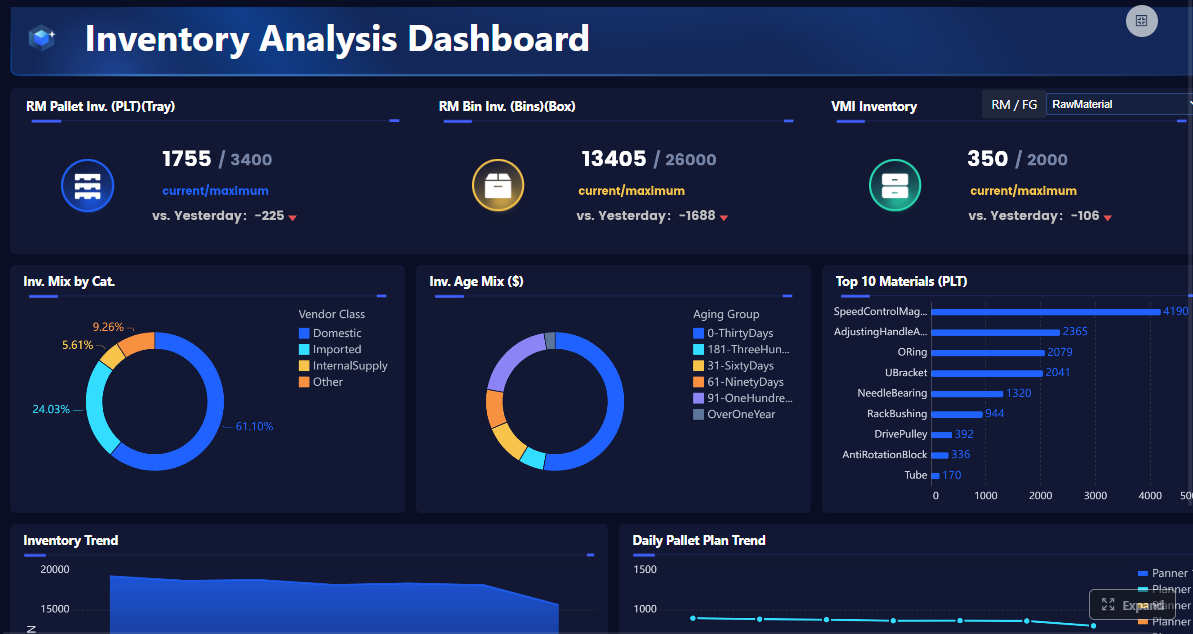
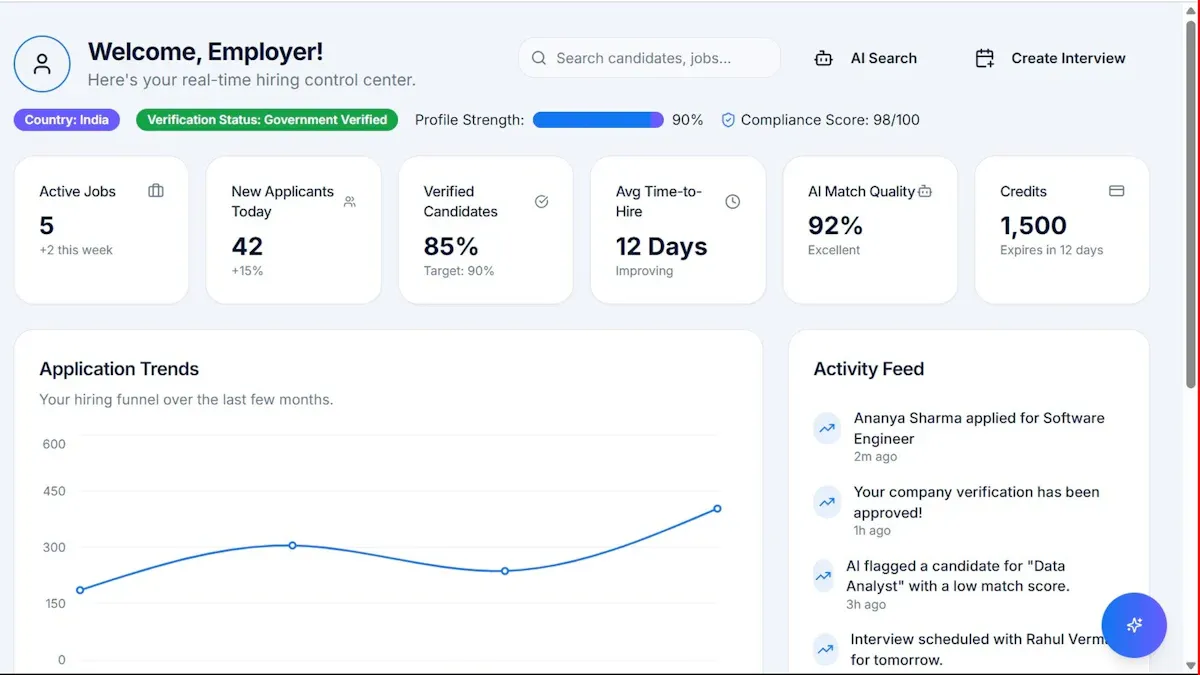
Visual dashboards for KPIs and bottlenecks
Centralized receipt and document tracking
Department and project-based expense analysis
Real-time reimbursement status monitoring
Scalable reporting for finance, operations, and management
With FineReport, finance teams can reduce manual review effort, improve compliance, and give employees a clearer submission and reimbursement experience.
If your organization is growing, that shift from editable template to managed reporting workflow is where the real efficiency gains happen.
A good business expense report should include employee details, report dates, business purpose, itemized expenses, totals, approval fields, and attached receipts or other supporting documents.
Start with a template that has columns for date, category, vendor, description, amount, and payment method. Then add totals, reimbursement calculations, and spaces for approvals and receipt tracking.
Common reimbursable expenses include airfare, lodging, meals within policy limits, taxis, mileage, conference fees, and approved office purchases. The final decision depends on your company expense policy.
Receipts help verify that each claim is accurate, policy-compliant, and not duplicated. They also support audit readiness, tax documentation, and faster approval by finance teams.
Companies can speed up the process by using a standardized template, clear categories, submission deadlines, approval routing rules, and digital receipt attachments. Tracking KPIs like approval cycle time and reimbursement turnaround also helps identify delays.
Product Trial
FineReport
Pixel-perfect reports · Interactive dashboards · Easy data entry · Digital twins