What is customer analysis and why is it important? You use customer analysis to understand customer needs and behaviors. This process helps you identify what drives your customers, allowing you to make smarter business choices. When you analyze your customers, you gain insights that guide your strategies. You learn what your customers prefer and how they act. You can tailor products and services to boost satisfaction and loyalty. You also improve your ability to forecast market trends. With tools like FineBI, you can turn these insights into action and drive business growth.
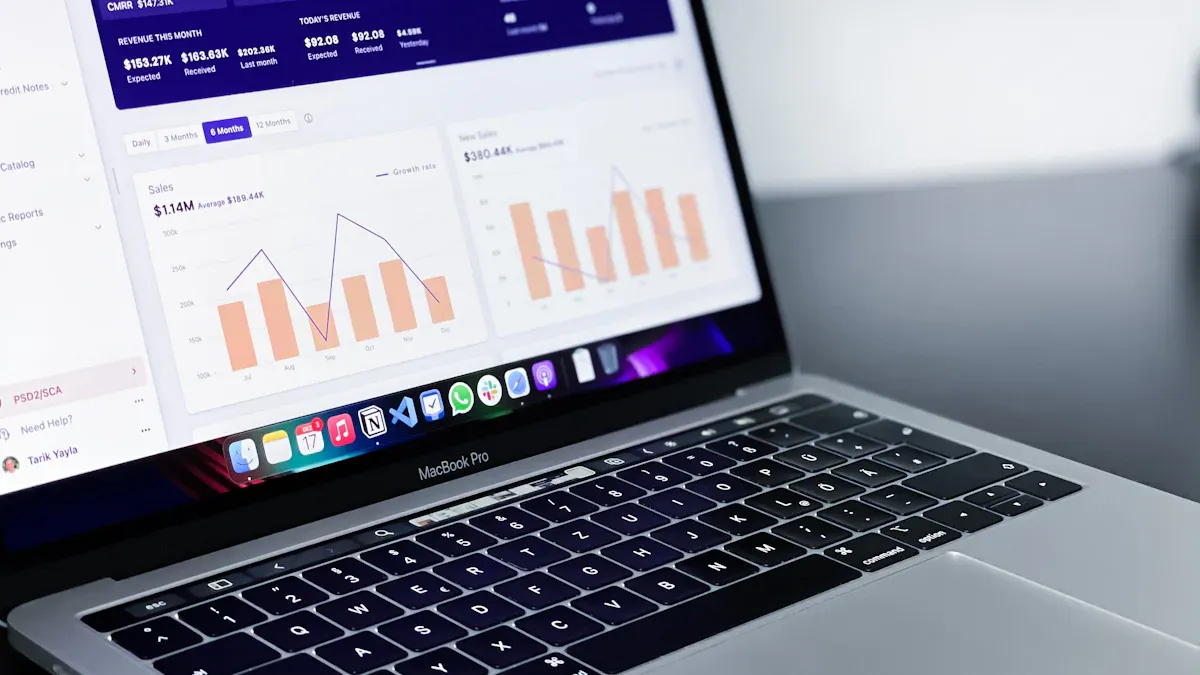
What is customer analysis and why is it important? You use customer analysis to examine who your customers are and how they interact with your business. This process helps you understand their needs, preferences, and behaviors. When you analyze your customers, you gain valuable insights that guide your marketing, sales, and product development strategies.
Customer analysis is a method that involves looking at different aspects of your customers. You study their demographics, behaviors, purchasing history, and interactions with your company. This approach allows you to identify patterns and trends. You can use these findings to improve your products, services, and customer experience. By understanding your customers, you make better decisions and increase your chances of business growth.
You need to focus on several key elements when you perform customer analysis. Each element gives you a different view of your customers and helps you build a complete picture. The most widely accepted framework includes the following components:
| Core Component | Description |
|---|---|
| Operational CX Frameworks | Minimize obstructive touchpoints in customer interactions through automation in sales, marketing, and service. |
| Analytical CX Frameworks | Use data analytics to inform customer retention and acquisition strategies, turning unstructured data into actionable insights. |
| Customer Journey Mapping | Visualize the customer's journey to identify pain points and areas for improvement. |
| Touchpoint Management | Ensure consistency in customer interactions across all touchpoints. |
| Feedback Mechanisms | Establish processes for gathering and acting on customer feedback to enhance the customer journey. |
You should pay attention to these areas:
You also need to analyze customer demographic profile and customer behavioral profile. The demographic profile includes age, gender, location, and income. This information helps you segment your audience and target your marketing efforts. The behavioral profile looks at how customers act, such as their buying habits, website visits, and responses to promotions. By combining these profiles, you create a detailed view of your customers.
Customer analysis gives you the tools to understand your customers deeply. You can identify what drives their decisions and how they interact with your business. When you use customer analysis, you improve your ability to meet customer needs and stay ahead of market trends.
You need to understand the different types of customer analysis to improve your business strategies. Customer analysis helps you see who your customers are and how they behave. By using customer analysis, you can identify patterns and trends that drive customer satisfaction and business growth. The main types of customer analysis include demographic analysis and behavioral analysis. Each type gives you a unique view of your customers and helps you make better decisions.
Demographic analysis is a core part of customer analysis. You use it to group customers based on statistical characteristics. These characteristics include age, gender, income, education, occupation, and marital status. The table below shows why each variable matters:
| Demographic Variable | Importance |
|---|---|
| Age | Understands life stage and preferences |
| Gender | Influences purchasing decisions and marketing strategies |
| Income | Determines spending power and product affordability |
| Education | Affects consumer knowledge and product usage |
| Occupation | Provides insights into lifestyle and purchasing behavior |
| Marital Status | Impacts buying patterns and family-oriented products |
You can use demographic analysis to target marketing efforts and improve customer satisfaction. For example, a large retail chain identified key demographic factors to target over a billion dollars in unrealized spend. Financial institutions also use demographic analysis to reach underserved communities and enhance diversity efforts. FineBI supports demographic analysis by integrating data from multiple sources, allowing you to segment customers quickly and accurately.
Behavioral analysis is another important type of customer analysis. You focus on what customers do, not just who they are. This includes tracking online interactions, offline purchases, and engagement metrics. The table below lists common behavioral data points:
| Type of Behavioral Data | Examples |
|---|---|
| Online Interactions | Website clicks, app usage, online purchases, email engagement |
| Offline Interactions | In-store purchases, foot traffic, call center conversations |
| Engagement Metrics | Email open rates, social media interactions, website visits |
Behavioral analysis helps you understand customer intent and motivations. You can personalize marketing, identify cross-sell opportunities, and optimize sales processes. Businesses often see higher engagement and conversion rates when they use behavioral analysis. FineBI enables you to segment customers based on behavior, visualize trends, and act on insights in real time. This approach leads to better customer satisfaction and more effective business strategies.
Tip: Combining demographic and behavioral analysis gives you a complete view of your customers. FineBI makes it easy to integrate, segment, and analyze both types of data for smarter decision-making.
What is customer analysis and why is it important? You need to understand this concept because it shapes the way you approach your customers and your business strategy. Customer analysis gives you the power to see what your customers want, how they behave, and what motivates them to buy. This process helps you make decisions that lead to better marketing, higher sales, and stronger customer relationships.
When you ask, "What is customer analysis and why is it important," you look for ways to improve your business outcomes. Customer analysis lets you identify customer preferences, needs, and emotions. You can use this information to create products and services that match what your customers expect. You also learn how to address customer motivations and improve customer retention. This approach increases your customer lifetime value and builds customer loyalty.
Customer analysis plays a key role in marketing and sales. You use it to target the right audience, design effective campaigns, and close more deals. When you understand your customers, you can focus your resources on the people most likely to buy. This leads to better results and higher revenue.
The table below shows how customer analysis impacts important sales and marketing metrics:
| Metric | Impact |
|---|---|
| Sales Win Rates | Improvement in areas with targeted evidence |
| Marketing Campaign Performance | Campaigns using customer evidence outperform those without |
| Deal Velocity | Shortening of sales cycle in deals where evidence is effectively deployed |
| Lead Conversion Rates | Increased conversion rates due to effective lead scoring models |
You can see the benefits of customer analysis in real business outcomes:
These results show the importance of customer analysis for business growth. You can use customer needs analysis to identify what your customers want and design offers that appeal to them. This approach helps you reach your goals faster and with less waste.
Customer analysis also improves the customer experience. You use it to understand customer emotions and feedback at every stage of the journey. This helps you spot problems and fix them before they affect satisfaction.
You can measure the effects of customer analysis on customer experience using metrics like CSAT (Customer Satisfaction Score) and NPS (Net Promoter Score):
Businesses like Starbucks and Amazon use customer analysis to personalize rewards and recommendations. Starbucks uses data analytics to create personalized promotions, which increases revenue from loyalty members. Amazon uses customer data to improve the shopping experience, leading to higher retention and loyalty. According to Forrester, loyal customers are five times more likely to repurchase and four times more likely to refer a friend. This shows how customer analysis can reduce churn and improve customer retention.
You can also use customer analysis to personalize experiences at scale. By integrating data from all customer interactions, you gain a complete view of each customer. For example, a retailer can track a customer's journey from browsing online to making a purchase in-store. This unified approach lets you deliver relevant and personalized experiences to millions of customers in real time.
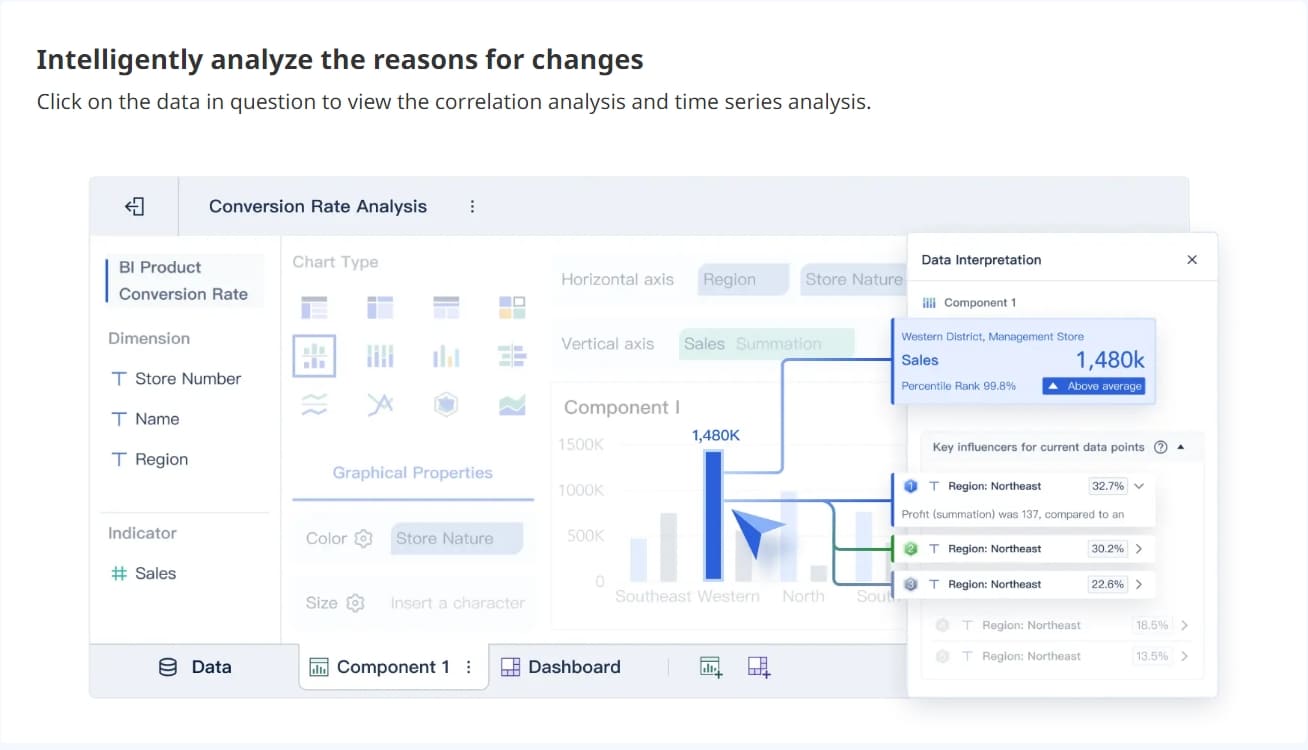
You need the right tools to turn customer analysis into action. FineBI gives you the features to make data-driven decisions and improve your business results. With FineBI, you can connect data from many sources, process it, and visualize it in real time.
FineBI supports your customer analysis with these key features:
| Feature | Description |
|---|---|
| Data Classification | Organize data for better management and analysis. |
| Data Modeling | Build models based on relationships for easier exploration. |
| Visual Data Analysis | Use intuitive visuals to find insights and spot issues quickly. |
| Powerful Calculation Functions | Explore and compute data with advanced methods. |
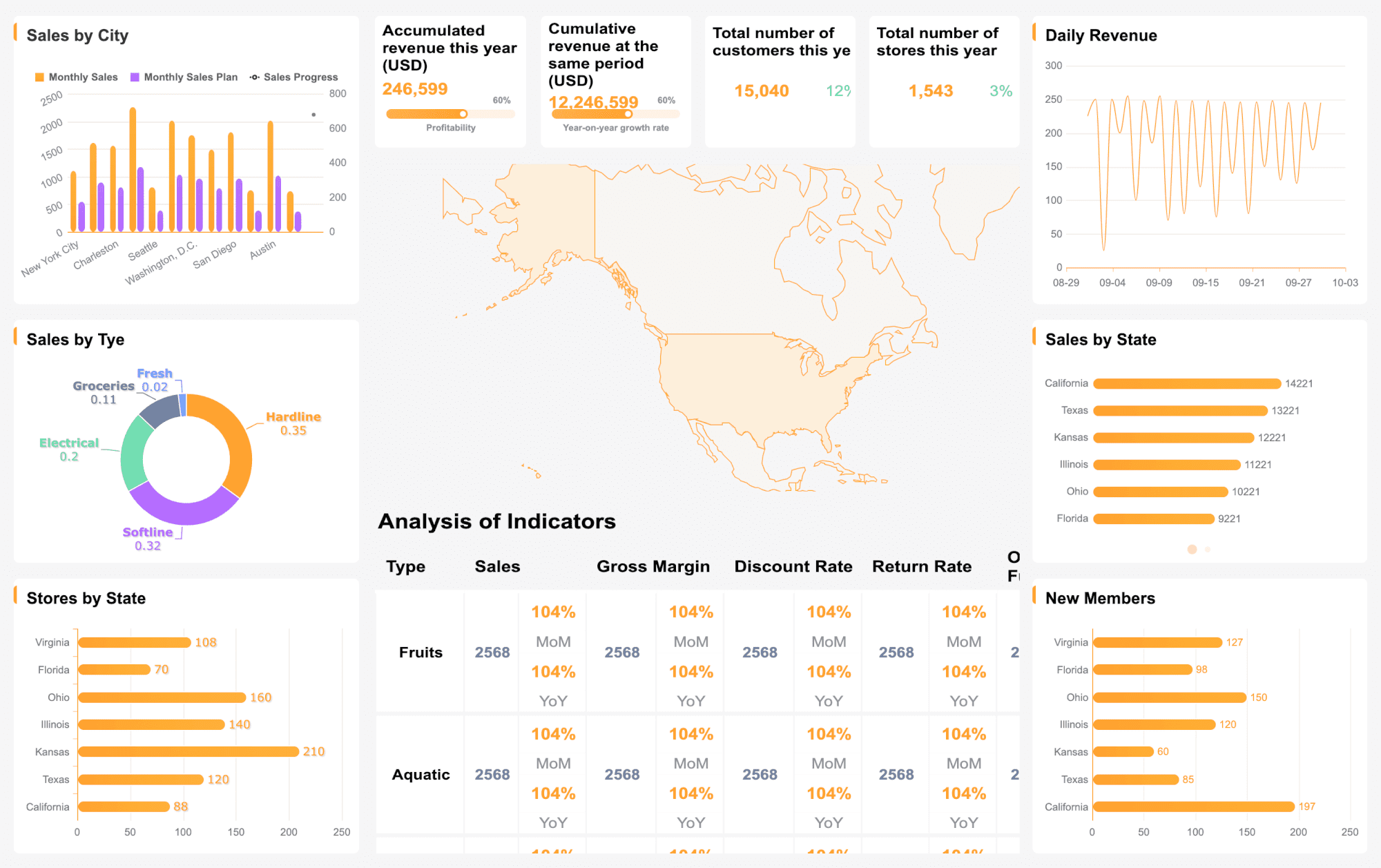
| Customizable Dashboards | Monitor key indicators and merge analytic data into unified reports. |
| Data Collaboration and Sharing | Share insights and findings with your team for better decisions. |
| User Portrait Analysis | Analyze user demographics and behaviors for precision marketing. |
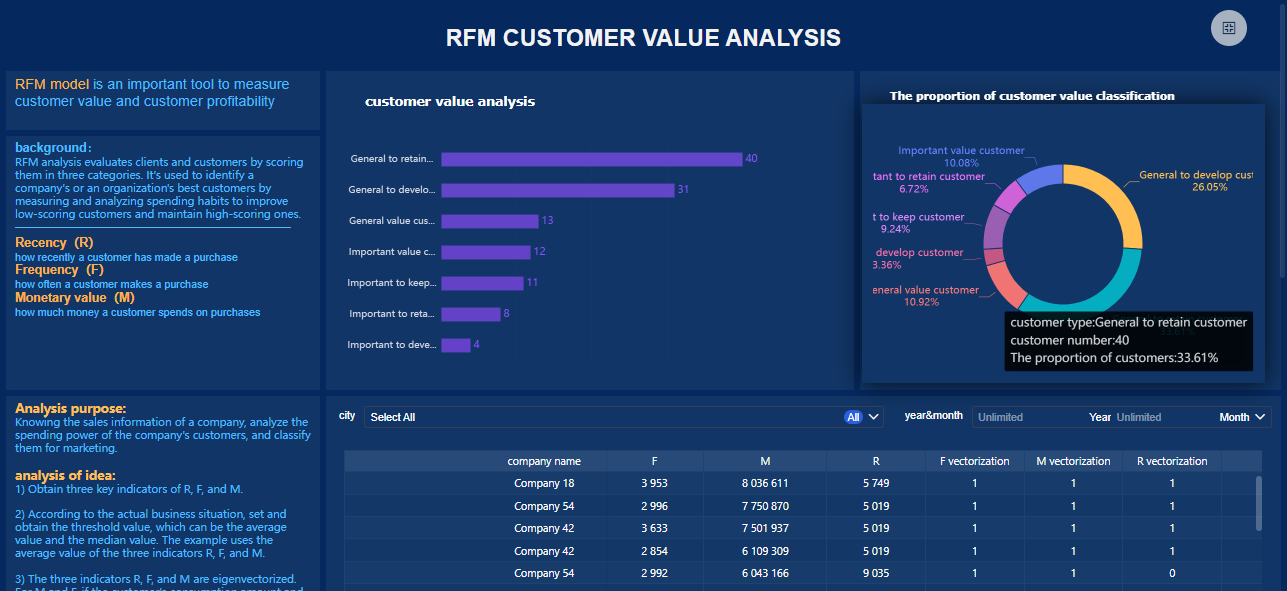
You can use FineBI to segment your customers, track their behavior, and measure the impact of your marketing efforts. For example, in the retail industry, FineBI helps you manage memberships and run targeted campaigns. You can use RFM modeling to group customers by recency, frequency, and monetary value. This lets you design personalized offers and improve customer loyalty.
A real-world example comes from UnionPay Data Services. The company used FineBI to unify its data and analyze customer value. This led to a 5% increase in system efficiency and a 90% accuracy rate in identifying valuable customers. The company improved its marketing strategies and increased revenue by focusing on the right customer segments.
FineBI makes it easy to collect customer feedback, visualize trends, and share dashboards across your organization. You can use these insights to improve customer retention, increase customer lifetime value, and respond quickly to changing customer needs. With FineBI, you turn customer analysis into a powerful tool for business growth.
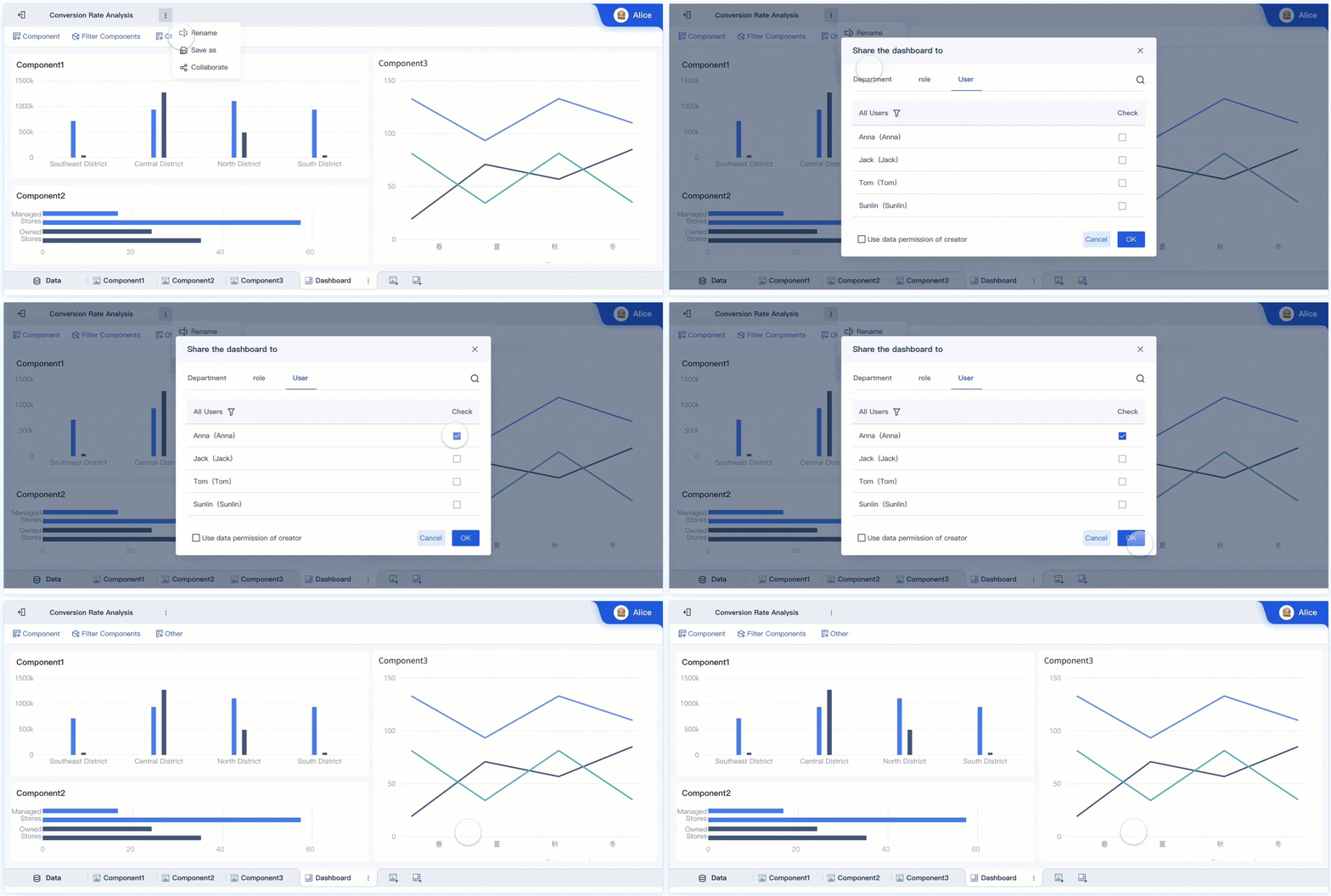

What is customer analysis and why is it important? You start by collecting and integrating data from all available sources. This step forms the foundation for effective customer analysis. You need to set clear objectives for your data project. Identify the key sources that align with your goals. Choose tools that are user-friendly and scalable, such as FineBI. You must ensure data accuracy and consistency. Create a unified data structure so you can compare and analyze information easily. Integrate all sources to avoid silos and use unique markers to merge records without duplicates. Assign data stewards to maintain accuracy and address errors. Regular monitoring and optimization keep your data integration process efficient.
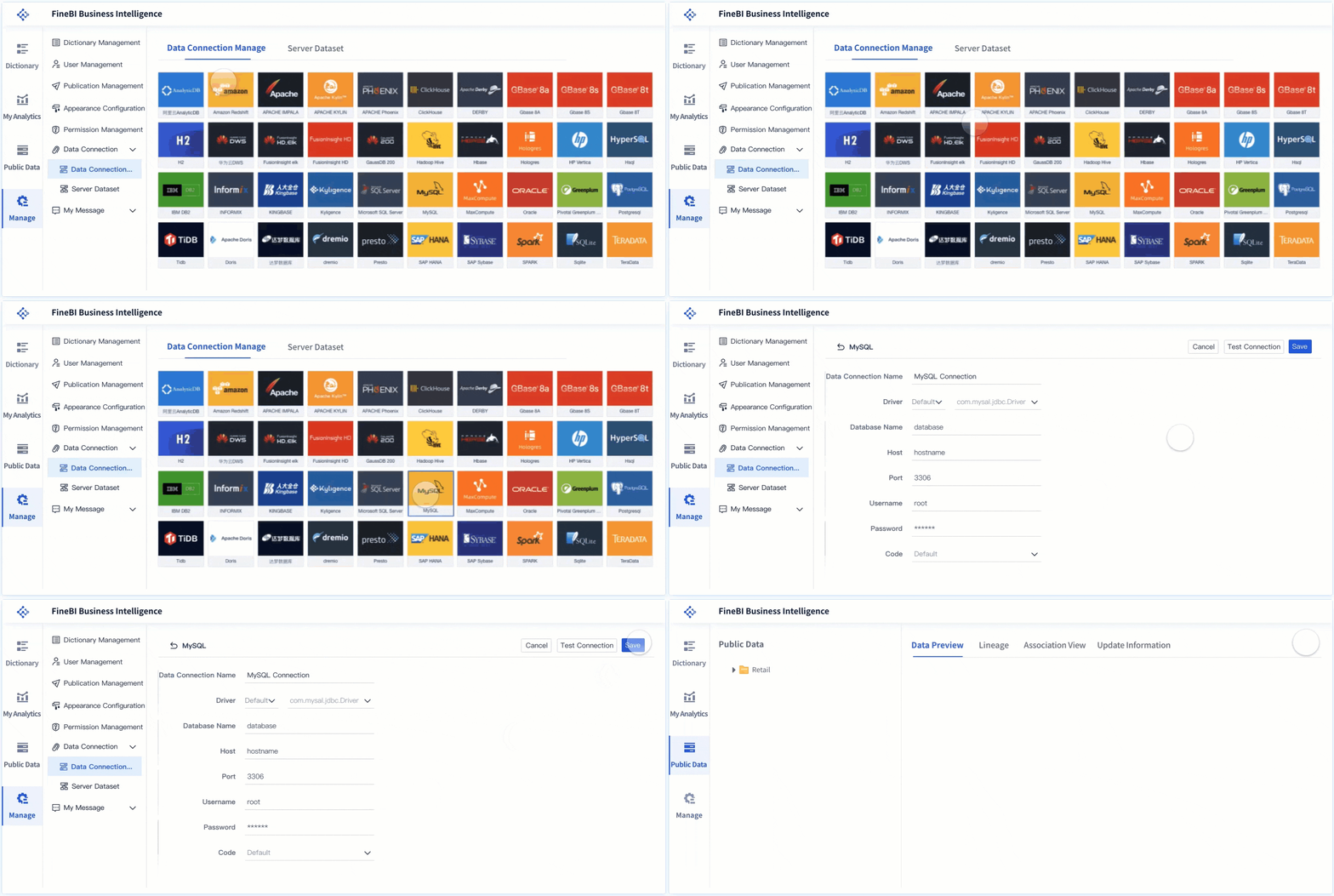
Customer segmentation is a vital part of customer analysis. You divide your customers into groups based on shared characteristics. This helps you target your marketing and service efforts more effectively. The most effective segmentation methods include demographic, geographic, behavioral, psychographic, value-based, hybrid, and AI-driven approaches. For example, you can use demographic segmentation to target specific age groups or behavioral segmentation to focus on long-term subscribers. Research shows that 77% of marketing ROI comes from segmented campaigns, and 80% of consumers prefer personalized experiences. Customer segmentation analysis lets you focus on high-value leads and uncover new growth opportunities.
| Segmentation Method | Description | Example |
|---|---|---|
| Demographic Segmentation | Divides customers based on attributes like age, gender, and income. | Targeting women aged 25-34 with a college degree and income over $60k for luxury goods. |
| Geographic Segmentation | Segments customers based on their location. | Identifying urban millennials in metropolitan areas with high order frequency. |
| Behavioral Segmentation | Analyzes customer interactions and behaviors. | Targeting long-term subscribers of streaming services for premium upsell opportunities. |
You use customer analysis to identify customer behavior patterns and spot trends. Techniques like regression analysis and time series analysis help you find relationships and changes over time. Cluster analysis groups similar customers, while cohort analysis tracks specific groups. Descriptive analysis helps you describe data and find issues. You can also use focus groups, social listening, and expert surveys to gain deeper insights. Trend analysis allows you to anticipate customer needs, improve satisfaction, and enhance your products and services.
FineBI streamlines every step of customer analysis. You connect and integrate data from multiple sources. You process and clean the data to ensure quality. You create interactive dashboards to visualize customer segmentation and trends. FineBI supports real-time analysis, so you can act on insights quickly. In retail membership management, FineBI helps you segment customers and personalize marketing. In financial services, you use dashboards to monitor customer value and improve engagement. FineBI enables you to share insights across teams, making customer analysis a powerful tool for business growth.
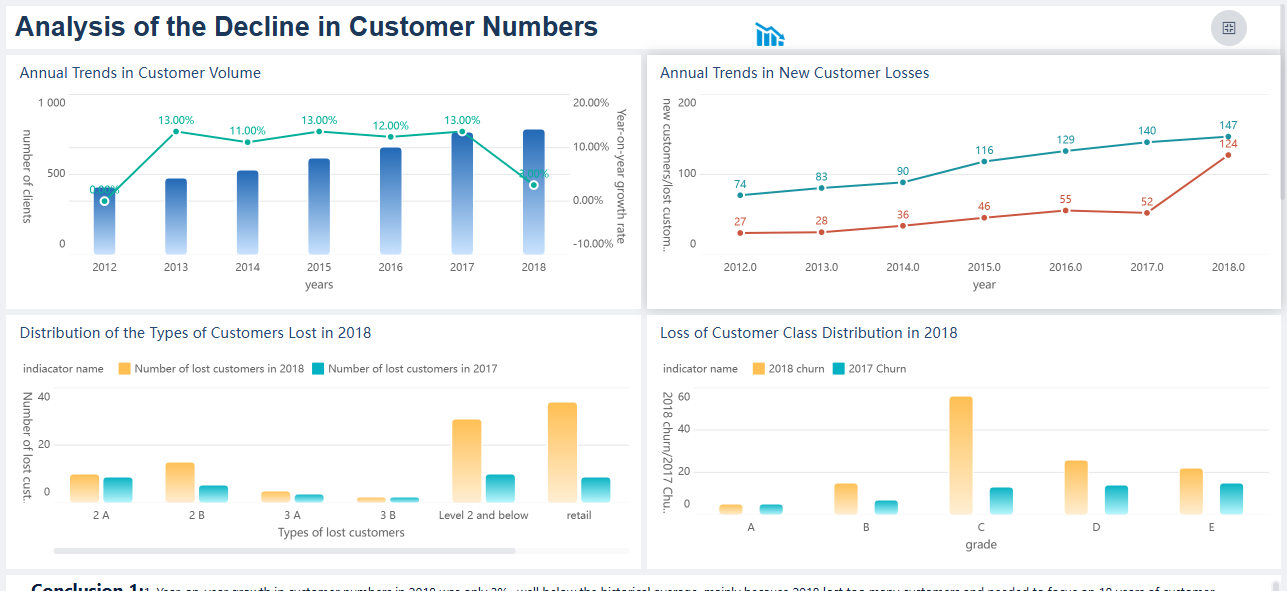
You need customer analysis to drive business growth and make smarter decisions. When you understand customer needs, you improve products and services, build loyalty, and spot new opportunities. FineBI helps you analyze data efficiently with self-service analytics, interactive dashboards, and real-time insights. Start your own customer analysis today and use FineBI to uncover trends, boost satisfaction, and strengthen your competitive advantage.
| Feature | Benefit |
|---|---|
| Self-service analytics | Lets you analyze data independently and quickly. |
| Real-time data analysis | Supports fast, informed decisions. |
How to Do Retention Analysis for Business Success
What is Pareto Chart and How Does it Work
How DuPont Analysis Helps You Understand Your Business

The Author
Lewis
Senior Data Analyst at FanRuan
Related Articles
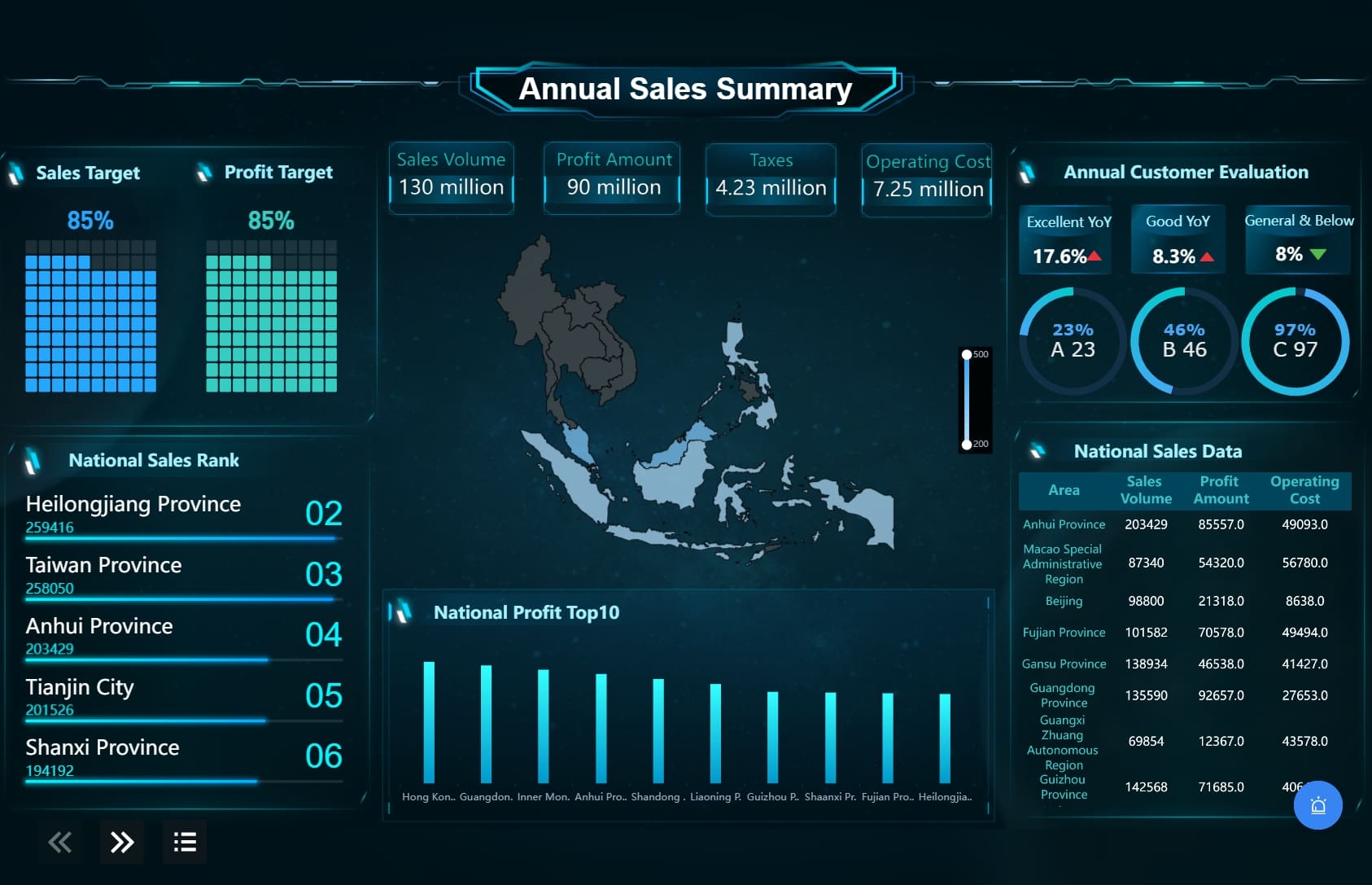
Data Analyst Dashboard: A Scenario-Based Guide to KPI Views That Drive Better Business Decisions
Learn how data analyst dashboards turn raw data into actionable KPI views for operational, analytical, and strategic decisions. Drive better business outcomes.

Lewis Chou
May 03, 2026

Self-Service Analytics Defined and Why You Need It
Self-service analytics lets you analyze data without IT help, empowering faster, data-driven decisions and boosting agility for your business.
Lewis
Jan 04, 2026
Best Self-Service Tools for Analytics You Should Know
See which self-service tools for analytics let business users access data, build dashboards, and make decisions faster—no IT help needed.
Lewis
Dec 29, 2025





