Environmental reporting software helps enterprises collect, manage, analyze, and present environmental data such as emissions, energy, water, waste, and related sustainability metrics. If you are evaluating this category, you are likely trying to solve one of three problems: improve compliance and disclosure readiness, give leadership better visibility into environmental performance, or replace fragmented spreadsheet-based processes with a more scalable reporting workflow.
For enterprise teams, the real decision is often not just which environmental reporting software to buy, but which type of software is the better fit. In practice, buyers usually compare two broad options:
Purpose-built ESG platforms, which are designed to manage governed sustainability data and disclosure workflows
General BI reporting tools, which are designed to visualize, analyze, and distribute data across the business
Both categories can play an important role, but they solve different parts of the problem. ESG platforms are often stronger in structured environmental data management and framework-aligned reporting, while BI tools are often stronger in dashboarding, cross-functional analytics, and operational reporting delivery.
Enterprise teams need environmental reporting software that does more than display charts. In most organizations, environmental reporting spans multiple workflows: gathering site-level activity data, validating ownership, applying calculation logic, supporting audit review, producing management reports, and preparing external disclosures. That is why the category overlaps with ESG software, sustainability management tools, and business reporting platforms.
A useful evaluation starts with understanding where the tool fits in the broader reporting stack:
System of record layer: where raw environmental data is collected and governed
Calculation and control layer: where emissions factors, conversions, approvals, and business rules are managed
Reporting and analytics layer: where dashboards, reports, and decision support outputs are delivered
Some products cover all three layers reasonably well. Others focus heavily on one layer and depend on integrations for the rest.
What enterprise teams need from environmental reporting software
Large organizations typically need a combination of the following:
Reliable data collection across sites, regions, and business units
Auditability for source records, changes, ownership, and approvals
Scalability as reporting scope expands from energy and emissions into waste, water, suppliers, or broader ESG data
Usability for sustainability teams, local contributors, executives, and auditors
Compliance support for internal controls and external disclosure preparation
Operational reporting for recurring business reviews, exception tracking, and management action
Environmental reporting often becomes more complex as programs mature. What starts as a carbon or utility reporting need can quickly evolve into a broader enterprise requirement involving finance, operations, procurement, legal, and executive stakeholders.
ESG platforms and BI tools are not the same thing
A common mistake is treating ESG platforms and BI tools as direct substitutes. They overlap, but their design priorities differ.
ESG platforms usually focus on governed data collection, standard metrics, workflow control, and reporting aligned to sustainability or disclosure needs.
That distinction matters because enterprise teams may need both. An ESG platform can serve as the controlled source for environmental metrics, while a BI reporting tool can provide broader management dashboards, operational reports, and printable packs for internal decision-making.
Core evaluation criteria
When comparing environmental reporting software, enterprise buyers should assess five areas first:
Data quality: Can the tool handle validation, ownership, and consistent metric definitions?
Auditability: Can you trace where data came from, who changed it, and which evidence supports it?
Scalability: Will it support multi-site, multi-region, and evolving reporting scope?
Usability: Can both contributors and decision-makers use it without heavy friction?
Compliance support: Does it help prepare reports, reviews, and disclosure outputs with confidence?
ESG platforms vs BI reporting tools: the core differences
The biggest difference is simple: ESG platforms are usually designed to manage environmental reporting processes, while BI tools are usually designed to present and analyze information.
That does not make one universally better. It means they solve different parts of the enterprise reporting problem.
What ESG platforms are designed to do
Purpose-built ESG platforms are generally intended to centralize sustainability data in one governed environment. This often includes emissions, utility consumption, waste, supplier inputs, and disclosure-related data points.
Common strengths include:
Centralized environmental and broader ESG data repositories
Structured workflows for site submissions and data collection
Approval, review, and attestation steps
Standardized calculations and conversion logic
Support for reporting frameworks and disclosure preparation
Audit trails and evidence attachment
For enterprise sustainability teams, that governed structure can be especially valuable when reporting spans many contributors and high scrutiny. If assurance, disclosure consistency, and formal controls are central requirements, ESG platforms often align well.
However, these tools may be less flexible for broader business reporting outside the sustainability function. Executive teams and operations leaders may still need additional reporting layers for cross-functional management.
BI reporting tools are built to help organizations analyze and present data visually. They are often used for dashboards, trend analysis, drill-down exploration, and management reporting across finance, sales, supply chain, manufacturing, and operations.
For environmental reporting, BI tools can work well when the main need is visibility rather than governed ESG workflow management. If environmental data already exists in trusted systems, BI can help transform that data into executive dashboards, operational scorecards, and recurring reports.
The limitation is that BI tools often rely on upstream systems or custom processes for:
In other words, BI tools are often strong at showing results, but they may not be the system that ensures those results were collected and controlled correctly.
Where each option fits best
The right fit depends on your reporting maturity and business context.
ESG platforms are often a better fit when:
You have compliance-heavy environmental or ESG reporting requirements
Your organization needs formal collection and approval workflows
You expect assurance scrutiny and need stronger traceability
Your data is spread across many sites and manual submissions
Feature-by-feature comparison for enterprise teams
A category-level comparison is useful, but enterprise teams should also compare the practical workflows that determine long-term success.
Data collection and management
Environmental reporting starts with data capture. This is where ESG platforms often have the advantage because they are usually designed for structured collection of environmental indicators across many contributors.
ESG platforms typically offer:
Automated ingestion from selected business systems
Manual entry workflows for local teams
Evidence or supporting document capture
Versioning and change tracking
Ownership assignment by metric, site, or department
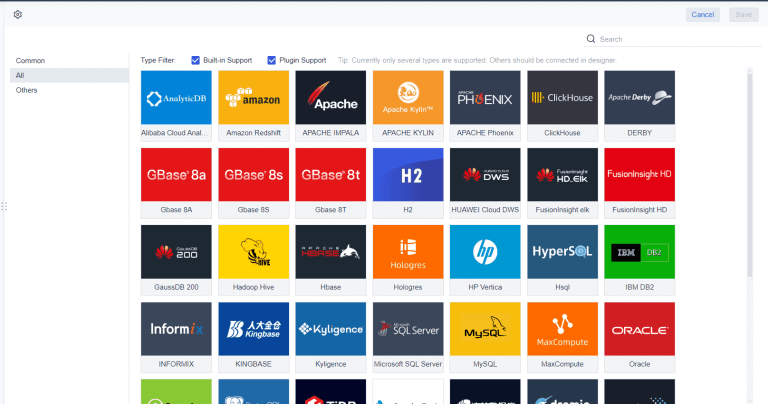
Connections to databases, files, APIs, or enterprise applications
Strong consumption and transformation of existing data
Flexible report-layer presentation of collected data
Limited native governance for environmental data submission unless customized
If your reporting process still depends on plant managers, facility teams, suppliers, or regional coordinators submitting data every month or quarter, ESG platforms usually reduce process risk. If your data is already clean and centralized, BI tools may be sufficient for the reporting layer.
Reporting, disclosures, and audit readiness
Environmental reporting is not just about dashboards. Many enterprise stakeholders still need formal reports, review packs, and documentation that supports assurance or external filing processes.
ESG platforms are typically stronger in:
Framework-aligned disclosures
Structured reporting packages for sustainability teams
This is also where report formatting matters. A sustainability manager may need a disclosure-aligned dataset, while a board committee may want a clean monthly environmental performance pack. A regional operations leader may need a detailed site report with exceptions and notes.
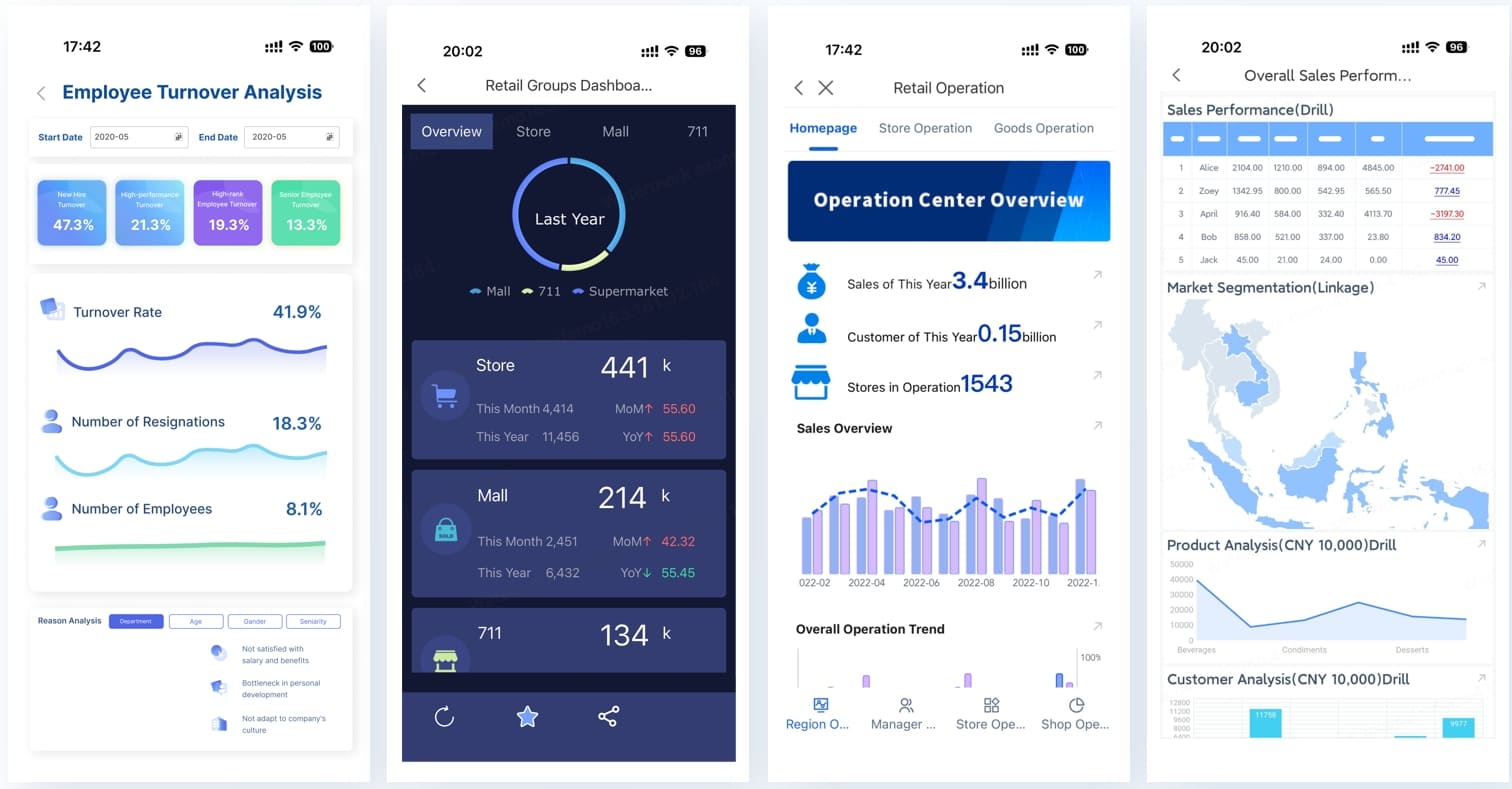
Tools like Tableau and Power BI are widely used for visualization and BI analysis, but teams with complex reporting workflows may also need a dedicated enterprise reporting platform like FineReport. FineReport is particularly relevant where environmental reporting must be delivered as pixel-perfect reports, paginated documents, printable packs, parameterized queries, and scheduled distributions, not just interactive dashboards.
Analytics, dashboards, and decision support
For analytics and executive visibility, BI tools often stand out. They are built to help users track trends, slice by geography or business unit, and identify drivers behind performance changes.
The decision here depends on whether your stakeholders need specialized ESG oversight or broader business decision support. In many organizations, environmental performance needs to be reviewed alongside cost, output, logistics, or compliance indicators. That often pushes teams toward a BI layer even if ESG software remains the governed source.
Implementation effort is often underestimated. Software selection should account for not only licensing, but also data integration, internal ownership, workflow redesign, and long-term administration.
ESG platforms may involve:
More process design around metric definitions and governance
Configuration for sustainability frameworks and internal controls
Integration with utility, ERP, or operational systems where available
More specialized admin ownership by sustainability or ESG teams
More internal work to define metric logic and validation processes
Dependence on data engineering or BI teams
Broader reuse across business functions
Potentially lower friction if the BI stack is already established
Long-term cost should include:
Internal technical support burden
Data stewardship effort
Change management across contributors
Maintenance of calculation logic
User training and report adoption
A platform that seems cheaper at procurement stage can become more expensive if your team must build large amounts of ESG-specific functionality from scratch.
No environmental reporting software category is ideal for every use case. The trade-offs become clearer when you view them through governance, analytics, and enterprise reporting needs.
Advantages and trade-offs of ESG platforms
Advantages of ESG platforms
Stronger governance for environmental and broader ESG data
Better fit for structured collection and approval workflows
More support for disclosure-oriented reporting
Better standardization of environmental metrics across the enterprise
Stronger audit trail expectations in many implementations
How to choose the right solution for your organization
The best environmental reporting software decision starts with the reporting problem, not the product demo. Too many teams choose based on dashboard appearance without clarifying whether they are buying a compliance platform, an analytics layer, or both.
Questions to ask before selecting a platform
Before you shortlist vendors, ask these questions:
What reporting scope do we need today and in two years?
Are you tracking only emissions and utilities, or also waste, water, suppliers, and broader ESG indicators?
How important is assurance and auditability?
Will external stakeholders need traceable support for submissions, controls, and evidence?
How complex are our operations?
Are you managing a few business units or a global, multi-site reporting network?
Who are the primary audiences?
Sustainability teams, compliance teams, executives, plant managers, board members, investors, or all of the above?
Is our biggest gap data governance or reporting delivery?
Do you need better collection controls, better dashboards, or better formatted enterprise reports?
How much internal technical support do we have?
Can your BI or IT team build custom ESG workflows, or do you need more out-of-the-box structure?
Recommended decision framework
A practical selection process usually looks like this:
1. Match the tool to your maturity level
Early-stage teams often need faster standardization and stronger workflow control
Mature sustainability teams may prioritize integration, assurance, and cross-functional visibility
If you are comparing environmental reporting software right now, these recommendations can save time and reduce rework:
Separate governance needs from visualization needs.
A strong dashboard does not guarantee strong data controls, and a strong ESG workflow does not guarantee strong executive reporting.
Evaluate printable and recurring reports, not just dashboards.
Many environmental reporting workflows still depend on board packs, site reports, review documents, and scheduled distribution.
Map each stakeholder to a reporting format.
Executives may want dashboard summaries, auditors may want traceable records, and operations teams may need detailed tabular reports.
Do not underestimate manual submission workflows.
If local teams still enter or confirm data, ownership tracking, forms, and approvals matter as much as analytics.
Pilot with one real reporting cycle.
Test monthly or quarterly environmental reporting end to end before committing to enterprise rollout.
When FineReport is a good fit in environmental reporting workflows
For many enterprises, environmental reporting is not only a sustainability software question. It is also a reporting execution question. After data is collected and validated, teams still need to deliver reports that are readable, repeatable, and usable across management layers.
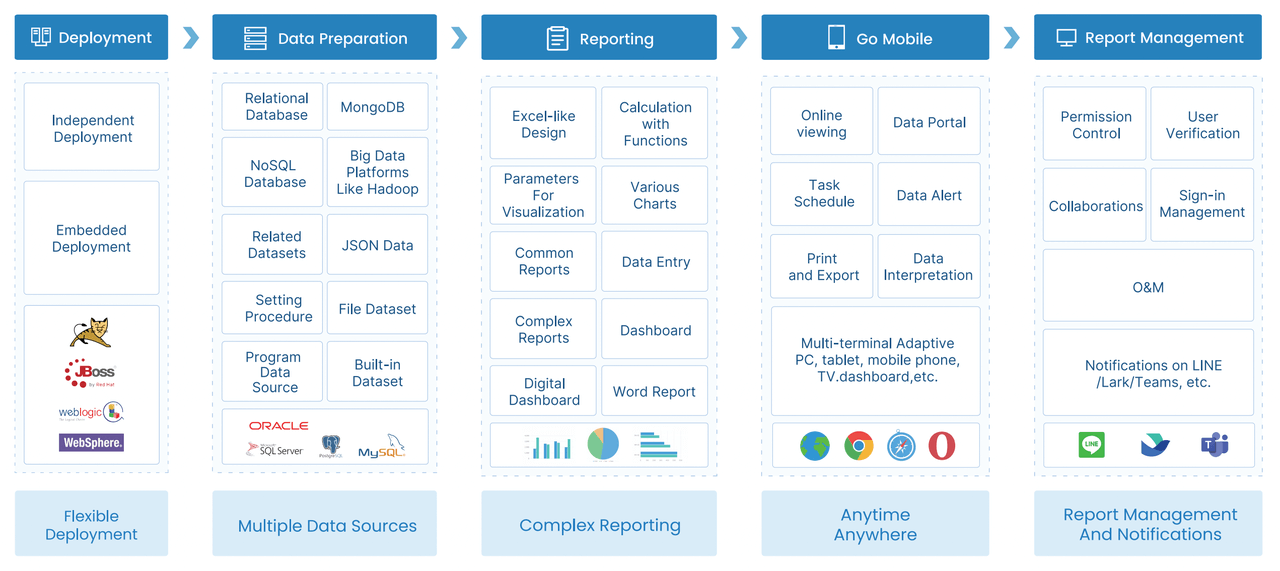
FineReport is an enterprise reporting platform designed for organizations that need more than visual dashboards alone. It is especially useful when environmental reporting outputs must support structured business workflows, such as:
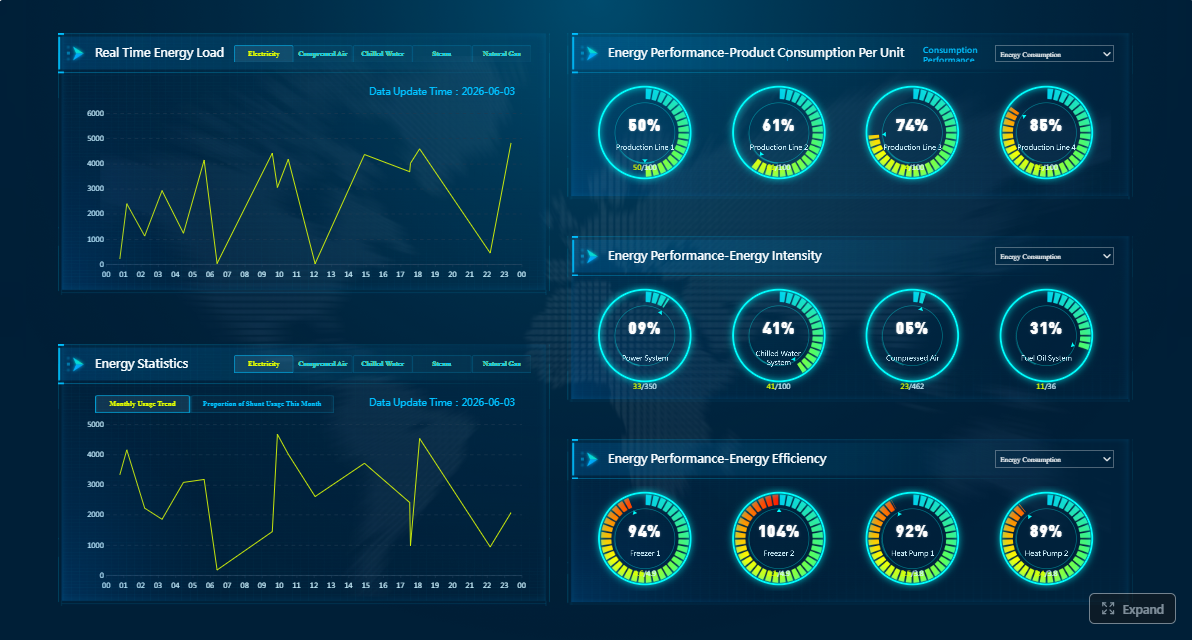
Monthly environmental performance packs
Site or plant-level operating reports
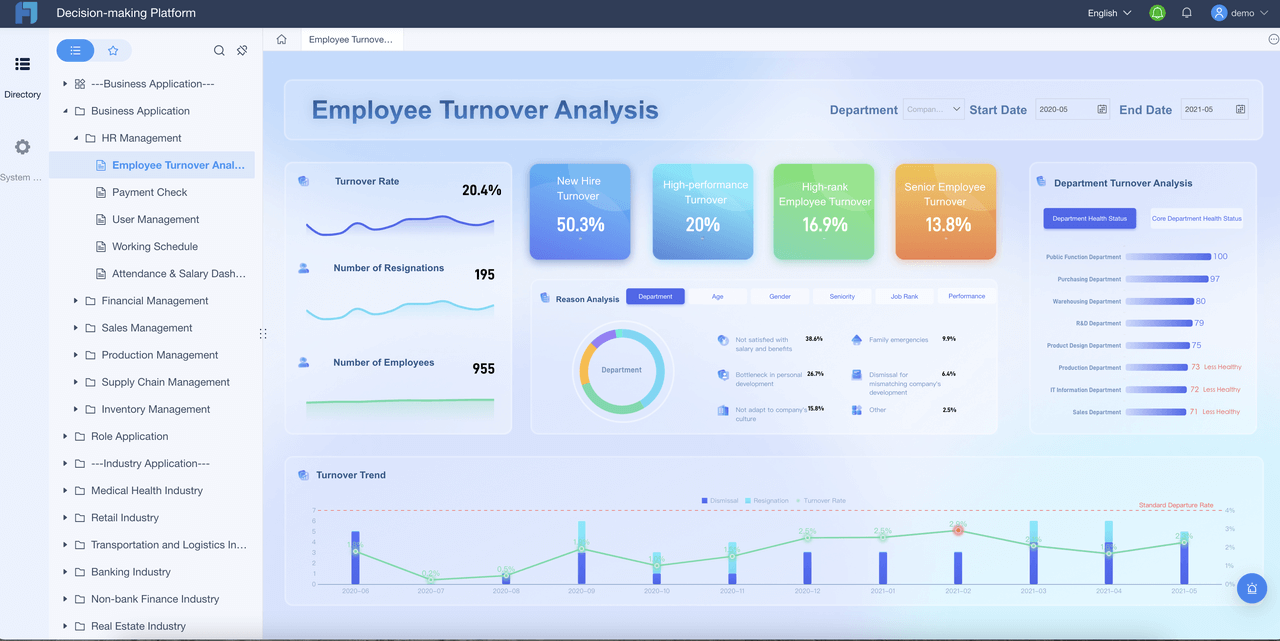
Management review reports with drill-down detail
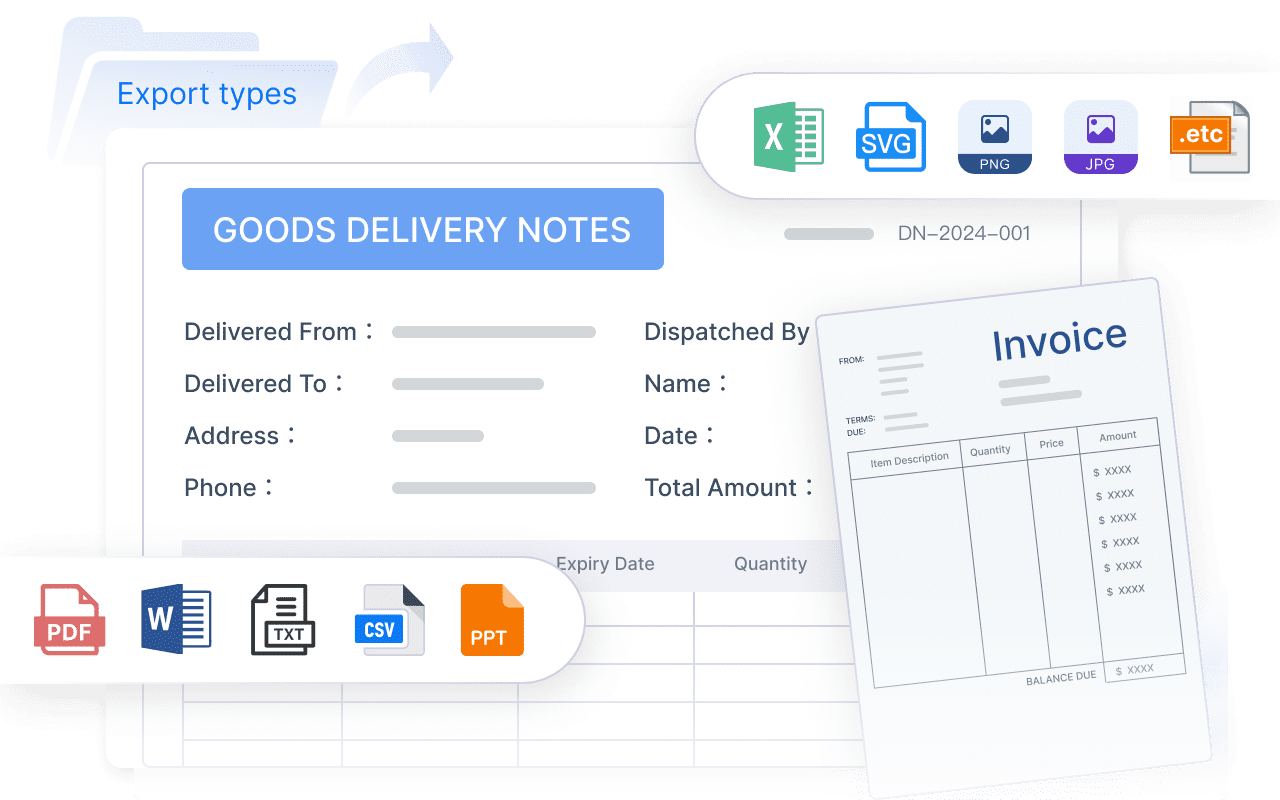
Paginated and printable reporting documents
Parameterized reports by period, region, or facility
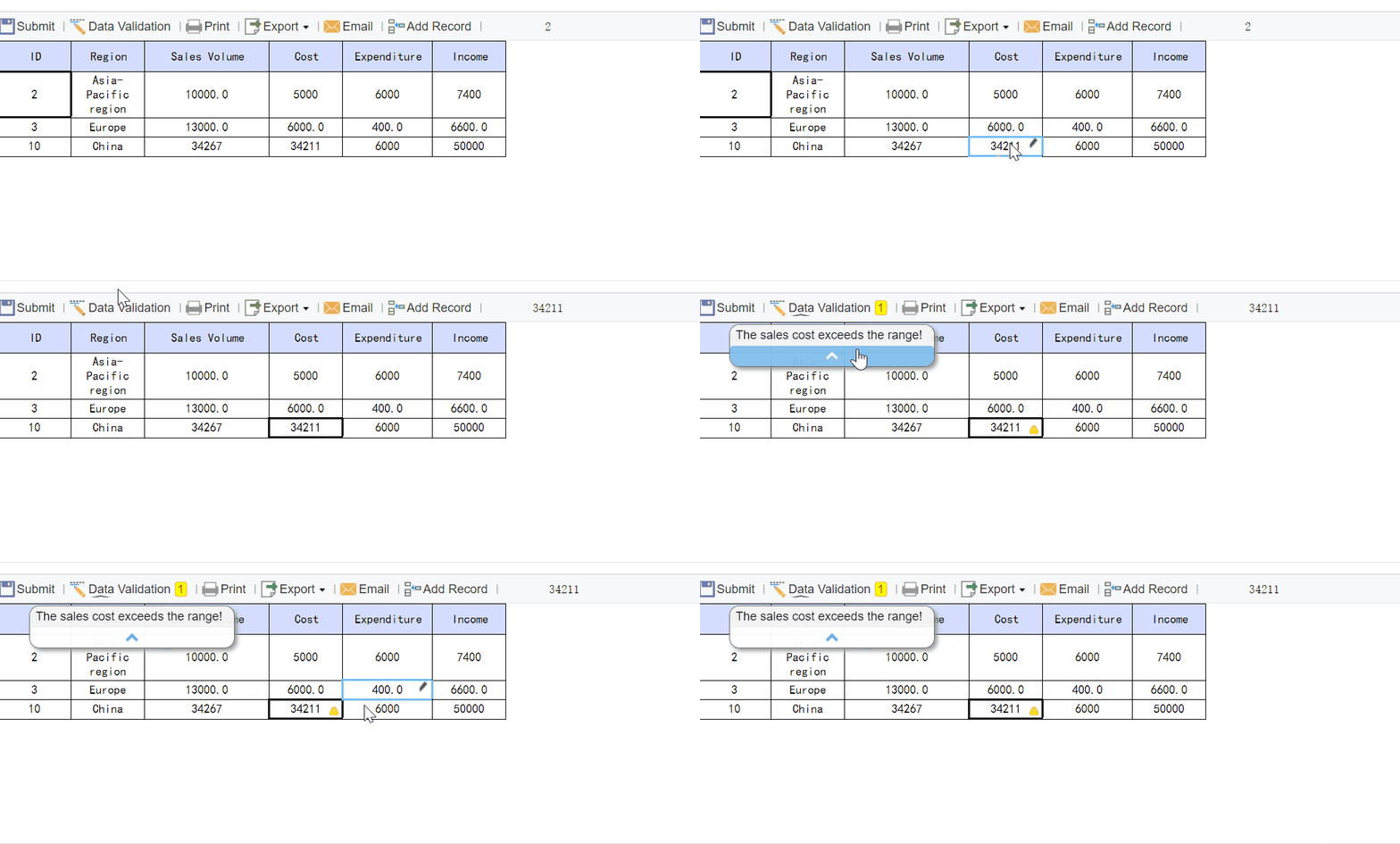
Form-based workflows for reporting input or confirmation
Dashboards connected to underlying detailed reports
This makes FineReport a practical option for enterprise teams that already have environmental data in ESG systems, ERP systems, utility systems, or data warehouses, but still need a robust way to publish and distribute reporting outputs across the business.
Compared with visualization-first BI tools, FineReport is particularly relevant when report formatting and operational delivery matter. For example, a sustainability team may need a summary dashboard for leadership, while regional teams need detailed tabular reports that can be filtered, printed, exported, or distributed on a schedule. FineReport supports this kind of mixed reporting environment well.
It is not a replacement for every ESG platform use case. If your main requirement is framework-specific ESG workflow management, a purpose-built ESG platform may still be the better system of record. But if your challenge is turning governed environmental data into enterprise-ready dashboards, board packs, operational reports, and scheduled reporting workflows, FineReport deserves consideration.
Get Ready-to-Use Dashboard and Report Templates in Fine Gallery
Final takeaway
The best environmental reporting software depends on the job you need the tool to do.
Choose ESG platforms when governance, disclosure support, and structured environmental data workflows are the top priority.
Choose BI reporting tools when enterprise dashboarding, flexible analytics, and cross-functional visibility are the main goal.
Consider FineReport when your organization needs a strong reporting layer for environmental data, especially for pixel-perfect reports, paginated documents, scheduled distribution, parameterized queries, dashboards, and operational reporting workflows.
For many enterprise teams, the most effective architecture is not ESG platform or BI tool. It is a governed environmental data foundation combined with a reporting platform that makes that data useful to executives, operations, finance, and management teams.
Environmental reporting software helps enterprises collect, manage, analyze, and report data such as emissions, energy, water, and waste. It is commonly used to improve compliance readiness, increase leadership visibility, and replace manual spreadsheet workflows.
ESG platforms are built for governed sustainability data, auditability, and framework-aligned disclosure workflows. BI reporting tools are stronger for dashboards, cross-functional analysis, and distributing operational reports across the business.
An ESG platform is usually the better fit when your priority is controlled data collection, approvals, audit trails, and external disclosure preparation. It is especially useful for sustainability and compliance teams managing structured reporting processes.
BI tools can support environmental reporting well when the main need is dashboarding, formatted reports, and broad analytics access. However, they may need integrations or customization if you also require detailed ESG data governance and disclosure workflow management.
Key features include reliable data collection, auditability, calculation controls, dashboarding, paginated reporting, workflow support, and scheduled distribution. Enterprise buyers should also check scalability, usability for different stakeholder groups, and how well the tool fits their reporting stack.
Product Trial
FineReport
Pixel-perfect reports · Interactive dashboards · Easy data entry · Digital twins