

Finance leaders do not need more raw transactions. They need a trusted view of where money is going across accounts payable, procurement, and employee expenses, and they need that view fast enough to guide action.
That is the real purpose of spend data management: turning fragmented invoice data, purchase activity, card spend, and reimbursements into one governed foundation for reporting, control, and decisions. But today, finance teams often still work across disconnected ERP records, P2P systems, expense tools, spreadsheets, and manual reconciliations. The result is slow reporting, weak confidence in the numbers, and too much time spent debating data instead of managing spend.
With FineBI + Dora, business users can ask for analysis in chat, generate chart-based answers or dashboard-style views from trusted BI assets, and receive scheduled summaries before the next meeting. FineBI provides the governed dashboard, metric, and semantic foundation. Dora adds the enterprise Data Agent layer, so finance leaders, AP managers, procurement teams, and budget owners can move from static reporting to guided, scenario-based analysis and follow-up.
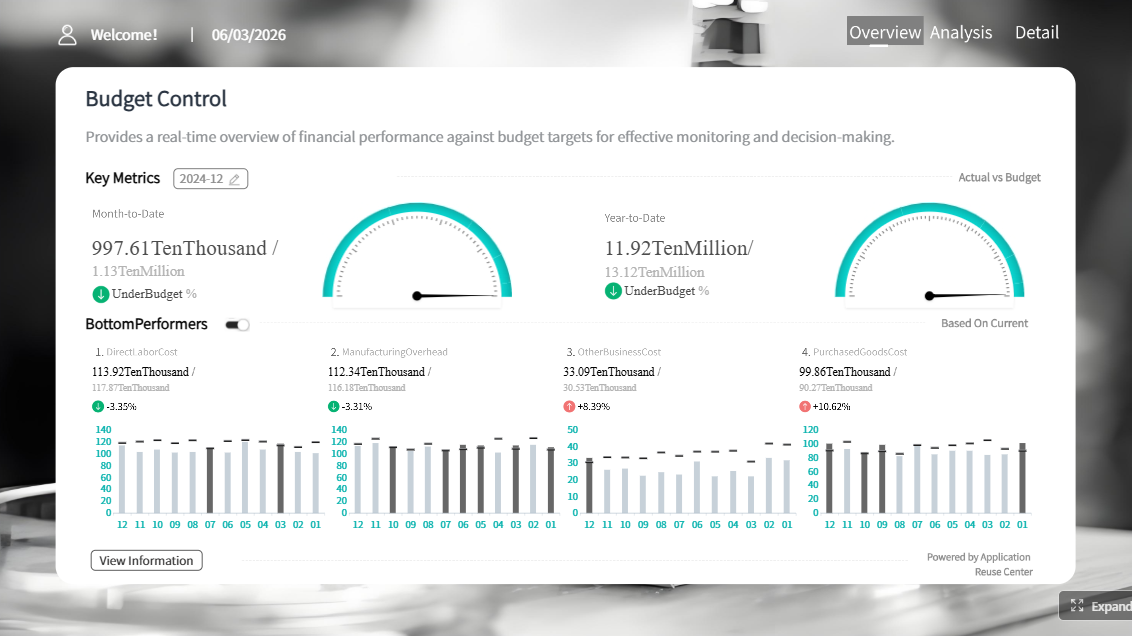 Click To Try The Dashboard
All dashboards in this article are built with FineBI
What spend data management means for finance leaders
For finance leaders, spend data management is the disciplined process of collecting, standardizing, governing, and analyzing spending data across the full operating spend landscape. In practical terms, that means creating a reliable view across:
- Accounts payable: invoices, payments, supplier balances, payment terms, duplicate risks, and coding accuracy
- Procurement: purchase requests, purchase orders, contracts, off-contract buying, supplier concentration, and category spend
- Employee expenses: travel, entertainment, reimbursements, card spend, policy exceptions, and approval patterns
The goal is not simply to store more records. It is to create a trusted reporting and decision layer that finance can use confidently for monthly review, cash planning, supplier strategy, compliance oversight, and executive reporting.
Spend data management is related to, but different from, broader spend management. Spend management covers the full business discipline of planning, controlling, and optimizing how the organization spends. Spend data management is the foundation that makes that discipline possible. If the underlying data is incomplete, inconsistent, or delayed, then even strong procurement policies or AP processes will produce weak insights.
Finance leaders need both perspectives:
- Spend data management to establish clean, governed, trusted visibility
- Spend management to use that visibility to influence buying behavior, strengthen controls, and improve financial outcomes
When done well, spend data management supports four outcomes that matter directly to finance leadership:
- Trusted visibility across suppliers, categories, business units, and channels of spend
- Better controls over policy compliance, duplicate risk, approval quality, and off-contract activity
- Faster reporting for monthly close support, management review, and exception tracking
- Stronger decision-making on supplier consolidation, payment terms, budget variance, and savings opportunities
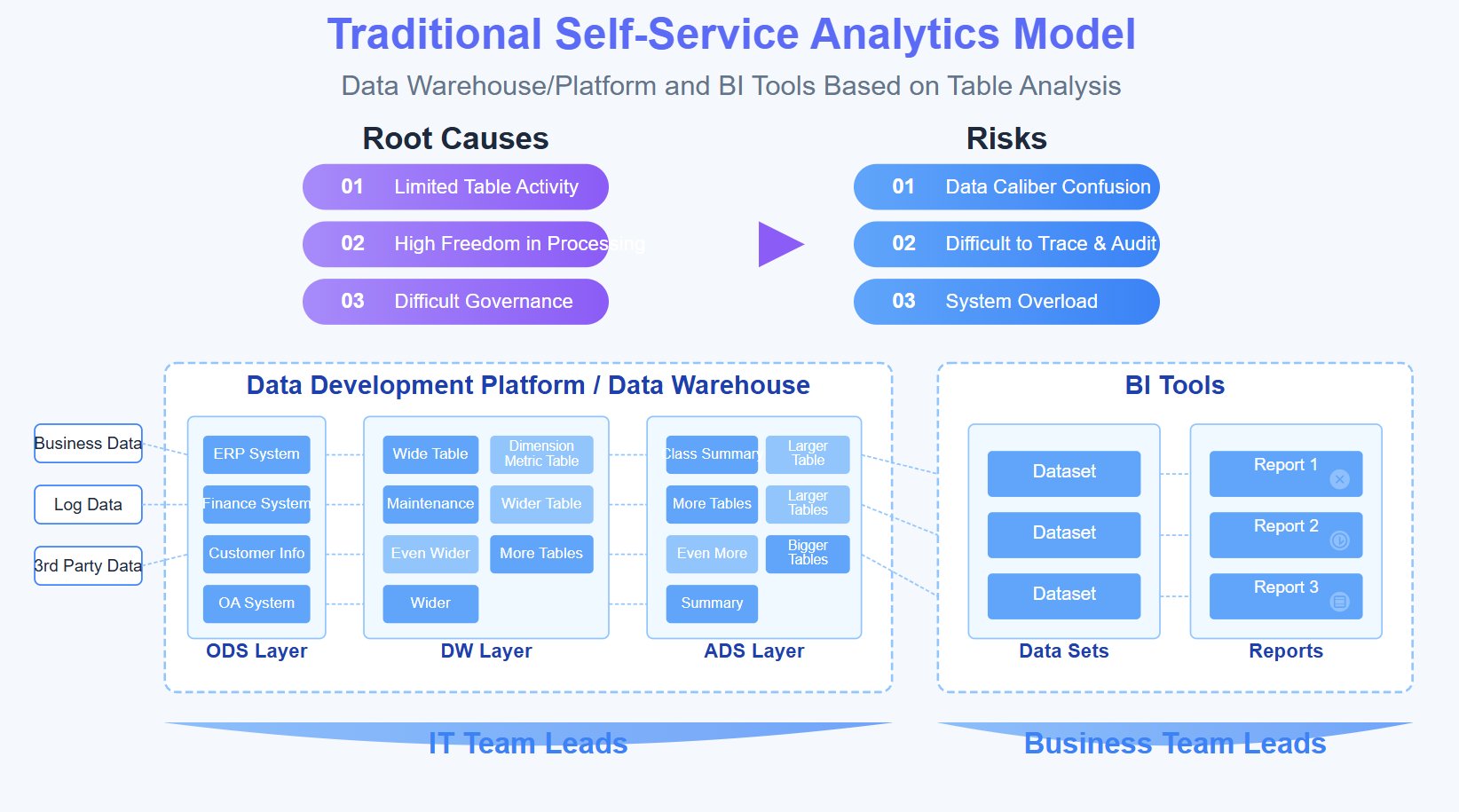
Why trusted spend visibility breaks down across AP, procurement, and expenses
Most finance teams do not lose visibility because they lack effort. They lose visibility because spend data is created in different systems, coded by different people, and reviewed under different rules.
Common failure points include:
- Disconnected ERP, AP automation, procurement, card, and expense systems
- Manual account coding or inconsistent category assignment
- Supplier names entered differently across systems
- Missing cost center, project, or approver fields
- Delayed approvals that distort reporting periods
- Spreadsheet-based cleanup outside controlled workflows
- Different definitions for the same metric across finance and procurement
These gaps create more than operational inconvenience. They create real risk.
The risks of poor spend visibility
When spend data is fragmented, finance leaders struggle to see issues early enough to act. That increases exposure to:
- Duplicate payments caused by poor invoice matching or supplier duplication
- Policy leakage through unapproved categories, weak expense controls, or maverick purchases
- Weak forecasting because reported spend does not reflect actual commitments or timing
- Audit challenges when transaction history, approvals, and classification logic are hard to trace
- Missed savings opportunities because supplier overlap and category fragmentation remain hidden
- Working capital blind spots when payment timing and term performance are not visible in one place
Poor spend visibility also limits finance strategically. It keeps the finance function focused on reconciliation and explanation instead of business guidance. If leaders cannot answer basic questions quickly, such as “How much did we really spend with this supplier across all channels?” or “Where are policy exceptions increasing?”, they cannot lead proactive cost, compliance, and cash conversations.
The core framework for spend data management
A practical spend data management model is not built by reporting alone. It depends on data standards, integration, governance, and action workflows. Finance leaders should think about the framework in four layers.

Standardize and classify data at the source
The most efficient place to improve spend visibility is before data enters reporting workflows. If invoices, purchase requests, and expense claims are captured with inconsistent labels or missing attributes, every later report becomes a cleanup project.
Key standards should include:
- Common spend categories and subcategories
- Supplier naming and supplier master rules
- Cost center and business unit structures
- Approval fields and status definitions
- Contract and preferred supplier indicators
- Payment terms and due date logic
- Expense policy tags and violation flags
This work reduces downstream rework and creates the semantic consistency needed for reliable dashboards and AI-assisted analysis.
Finance-critical KPI structure
Below are core metrics finance leaders should standardize early.
-
Total Spend: Total approved and posted spend across AP, procurement, and employee expenses for a defined period.
Business value: Creates the top-line view of organizational spend and supports budgeting, trend review, and executive oversight.
AI use: Dora can retrieve total spend in chat, compare current period versus prior period, and include the result in scheduled finance briefings. -
Spend by Supplier: Total spend grouped by normalized supplier name across all channels.
Business value: Helps identify concentration, duplication, consolidation opportunities, and negotiation leverage.
AI use: Dora can return top suppliers, detect fragmented supplier naming, and generate chart-based answers by supplier or supplier group. -
Spend by Category: Total spend grouped by standardized category taxonomy.
Business value: Supports sourcing strategy, savings analysis, and budget tracking by spend area.
AI use: Dora can summarize category changes, compare category growth versus budget, and highlight unusual shifts in spend mix. -
Off-Contract Spend: Spend made outside approved suppliers or contract-linked buying channels.
Business value: Reveals procurement leakage and supports compliance improvement.
AI use: Dora can monitor this metric, alert on rising off-contract activity, and push follow-up tasks to procurement owners. -
Duplicate Payment Risk: Transactions that share suspiciously similar invoice numbers, amounts, suppliers, or dates.
Business value: Reduces avoidable cash loss and improves AP control quality.
AI use: Dora can surface suspicious patterns from governed rules and include them in exception summaries for AP review. -
Expense Policy Exception Rate: Share of expense claims that violate policy rules such as limits, category restrictions, or missing receipts.
Business value: Measures policy adherence and helps finance target training or workflow fixes.
AI use: Dora can summarize exception trends by team, manager, or policy type and issue periodic alerts. -
Payment Terms Utilization: Actual payment behavior compared with negotiated supplier terms.
Business value: Supports working capital management and supplier relationship decisions.
AI use: Dora can identify missed term opportunities, late payment clusters, and suppliers with unusual settlement patterns. -
Budget Variance by Cost Center: Difference between actual spend and budget for each cost center or business unit.
Business value: Enables finance to focus reviews on material overspend or underuse.
AI use: Dora can answer variance questions in natural language and prepare meeting-ready summaries for budget owners.
Connect AP, procurement, and expense data into one view
A trusted model requires more than exporting reports from multiple systems. Finance needs a shared reporting layer that brings together:
- ERP actuals
- AP automation data
- Procurement and P2P transactions
- Expense management and reimbursement records
- Corporate card activity
- Supplier master data
- Contract or sourcing reference data
FineBI is well suited to this layer because it can connect cross-system data, build governed models, and present operational and executive views from the same trusted foundation. Instead of forcing finance teams to maintain separate spreadsheets for each process, FineBI helps create one semantic view of spend.
That matters for both daily operations and leadership review. AP teams may need invoice exception dashboards. Procurement may need supplier and off-contract analysis. Finance executives may need spend trends, budget variance, and risk summaries. One governed BI foundation supports all three without multiplying conflicting definitions.
Govern data quality and ownership
Spend data management breaks down when no one owns the rules. Governance must be explicit.
Finance leaders should assign ownership for:
- Taxonomy and category design
- Supplier master normalization
- Exception handling rules
- Metric definitions
- Reporting certification
- Approval field completeness
- Data quality review cadence
Governance should include periodic validation and cleansing routines, not just one-time cleanup. That means reviewing duplicate suppliers, incomplete coding, unusual approval patterns, and mismatched business rules on a regular basis.
For AI adoption, this matters even more. Dora can only provide trustworthy chart-based answers, summaries, and alerts when FineBI holds governed metrics, semantic rules, and permission logic underneath. AI does not remove the need for governance. It increases the value of governance because more users can access insights through natural language.
Turn visibility into action
Visibility alone does not improve spend outcomes. Action does.
A mature spend data management model should connect insights to follow-up across:
- Procurement for supplier consolidation and off-contract correction
- AP for duplicate risk review and payment timing issues
- Budget owners for variance investigation
- Finance leadership for savings and working capital decisions
- Business unit leaders for policy compliance improvement
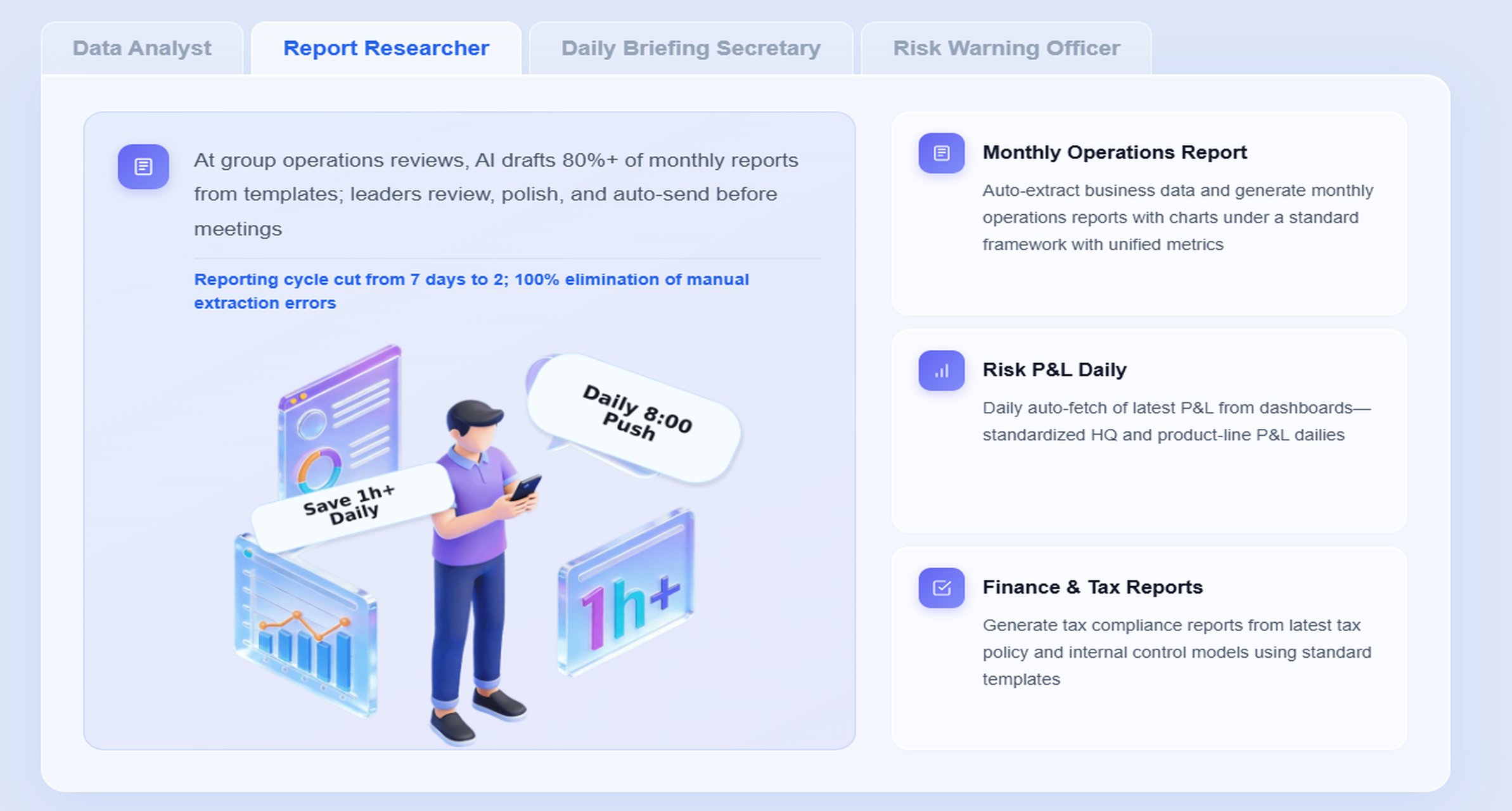
This is where the combination of FineBI + Dora becomes especially practical. FineBI provides trusted dashboards, risk views, and drill-down analysis. Dora turns those assets into an AI assistant or AI digital employee that can answer questions, summarize changes, push alerts, and support follow-up workflows.
Best practices to build a trusted spend visibility model
Start with high-value use cases
Do not try to solve every spend problem at once. Start where visibility will quickly improve control or cash outcomes.
Strong first use cases include:
- Supplier consolidation analysis
- Duplicate payment detection
- Expense policy compliance monitoring
- Off-contract purchasing review
- Budget variance analysis by business unit
These use cases have clear owners, measurable impact, and recurring review cycles. They are also ideal for Agentic BI because they benefit from regular summaries, exception monitoring, and chat-based follow-up.
Define metrics that finance and procurement both trust
Finance and procurement often look at the same spending landscape through different lenses. The solution is a shared metric framework.
Document the calculation logic for measures such as:
- Spend by supplier
- Spend by category
- Spend by business unit
- Payment terms performance
- Off-contract purchases
- Expense reimbursement trends
- Exception counts and rates
FineBI can formalize these governed metrics and semantic relationships so dashboards and downstream AI responses stay aligned. This reduces the common problem of multiple teams using different logic for the same question.
Balance technology, process, and accountability
Reporting alone cannot solve poor source data, unclear approvals, or weak supplier controls. A trusted model requires coordination across:
- Technology integration
- Workflow design
- Master data ownership
- Review routines
- Business accountability
Finance leaders should evaluate whether the root cause of poor visibility is a data issue, a process issue, or an ownership issue. Often it is all three.
Preserve permission governance
Spend data is sensitive. Supplier spend, employee expenses, and business unit budgets should not be exposed broadly without control.
FineBI’s permission framework helps ensure users see only the dashboards, metrics, and detailed data they are authorized to access. Dora should operate on top of that governed boundary. That gives finance leaders a practical path to chat-based access without losing control of data exposure.
Use AI where recurring analysis work already exists
The best AI starting point is not open-ended automation. It is repetitive, high-value data work such as:
- Weekly spend briefings
- Budget variance summaries
- Duplicate payment risk reports
- Policy exception alerts
- Supplier concentration updates
These are exactly the kinds of tasks a Daily Briefing Secretary, Risk Alert Officer, or Data Analyst digital employee can support through Dora, using governed FineBI assets underneath.
How an AI Data Agent Handles This Scenario
For finance leaders, the most relevant Dora digital employees in spend data management are:
- Data Analyst digital employee for natural-language analysis, dashboard retrieval, and drill-down support
- Daily Briefing Secretary for scheduled spend summaries before reviews and management meetings
- Risk Alert Officer for anomaly detection, threshold monitoring, and owner notification
The key advantage is not generic chat. It is governed AI workflow on top of trusted BI assets.
If a CFO, finance director, or AP leader asks a spend question, Dora should not guess from raw prompts. It should retrieve trusted FineBI metrics, understand governed definitions, and return a chart-based answer or dashboard-style analysis view grounded in enterprise data rules.
A concrete finance query example
A finance leader might ask:
“Show me this month’s spend by supplier and category across AP, procurement, and employee expenses. Highlight off-contract purchases, duplicate payment risks, and cost centers with the largest budget variance.”
Dora can respond with:
- A chart-based answer summarizing spend distribution
- A table of top suppliers and categories
- A variance view by cost center
- An exception summary for duplicate risk and off-contract activity
- Suggested follow-up owners for AP, procurement, and finance review
Dora workflow for spend data management
Here is a practical 6-step workflow for how Dora handles this scenario:
-
Retrieve trusted FineBI assets
Dora accesses the approved FineBI dashboard, analysis subject, or data model for spend across AP, procurement, and expenses. -
Interpret business semantics and KPI rules
Dora understands governed KPI definitions, supplier normalization logic, category taxonomy, cost center structures, and permission rules established in FineBI. -
Generate chart-based answers in chat
Dora returns a dashboard-style analysis view with metrics, trend charts, breakdowns, and exception lists based on the user’s request. -
Detect anomalies or threshold breaches
If off-contract spend rises, duplicate payment risk appears, or budget variance crosses defined thresholds, Dora flags those issues using governed business rules. -
Push insights and alerts to responsible users
Dora can notify AP managers, procurement owners, or budget holders with scheduled summaries, timely alerts, or targeted follow-up messages. -
Support follow-up for meetings and reviews
Dora can prepare a concise finance briefing for leadership review, including key changes, risks, and unresolved actions.
Why FineBI matters underneath Dora
This AI workflow only works well when the BI foundation is trustworthy. FineBI provides:
- Governed dashboards and certified metrics
- Semantic definitions for supplier, category, business unit, and policy terms
- Drill-down and visual exploration for investigation
- Permission control across finance-sensitive data
- Reusable analysis subjects for multiple scenarios
That foundation is what turns Dora into an enterprise Data Agent rather than a prompt-only interface. It gives finance teams a more controlled and auditable path to AI-assisted spend analysis.
How Dora improves execution for finance teams
In a spend data management scenario, Dora adds value in ways traditional dashboards alone cannot:
- Chat-based access for executives and finance managers who do not want to search through multiple reports
- Scheduled summaries before weekly spend reviews or monthly finance meetings
- Anomaly alerts for duplicate risk, policy exceptions, or rising off-contract spend
- Push notifications to budget owners or AP reviewers
- Follow-up summaries after action items are assigned
- Skills-based execution for more controllable and auditable workflows
This approach also has stronger enterprise landing capability than feature-only agent comparisons. By working through governed Skills and trusted semantic assets, Dora is better suited for repeatable finance workflows. It is designed to reduce token waste, improve response speed, and increase workflow stability compared with raw prompt-only agents, while fitting enterprise requirements for permissions, KPI governance, and data quality.
How to improve spend management with the right operating model and tools
Build cross-functional ownership
Trusted spend visibility cannot be owned by finance alone. It requires a working model across:
- Finance for KPI definition, reporting trust, and budget governance
- Procurement for supplier, contract, and category logic
- AP for invoice quality, payment controls, and exception review
- IT for system integration, access management, and data architecture
- Business unit leaders for coding quality, budget accountability, and follow-up
Governance forums should resolve classification disputes, supplier duplication issues, and reporting conflicts. In the AI era, IT’s role also shifts. Instead of manually building every report request, IT can focus more on data connections, semantic layers, permissions, data quality, and reusable Dora Skills.
Select tools that support visibility and control
Finance leaders should evaluate tools based on whether they support one trusted spend view, not just isolated automation in one process.
Look for capabilities such as:
- Data integration across ERP, AP, P2P, expense, and card systems
- Supplier normalization and master data handling
- Spend categorization and semantic consistency
- Policy and approval visibility
- Exception reporting and anomaly monitoring
- Role-based permissions
- Self-service dashboards and exploration
- AI assistant support on top of governed BI assets
FineBI + Dora fits this requirement well because FineBI provides the trusted reporting and semantic layer, while Dora provides the enterprise AI assistant layer for analysis, briefing, alerting, and follow-up.
Measure progress over time
A spend data management program should be measured by business improvement, not just dashboard delivery.
Track progress in areas such as:
- Data completeness
- Supplier normalization quality
- Reporting cycle time
- Contract compliance
- Duplicate risk reduction
- Exception rate changes
- Budget variance review speed
- Savings realization
- User adoption of dashboards and AI workflows
Adoption matters. If finance teams build a good reporting model but executives and budget owners still rely on manual extracts, the visibility model has not fully landed. Dora can help here by lowering the friction of access through chat, scheduled summaries, and timely pushes.
A practical roadmap for finance leaders
A realistic roadmap should move from trust foundation to scenario execution.
1. Assess current data sources and trust gaps
Map where spend data lives today across AP, procurement, expense, card, and ERP systems. Identify the biggest trust issues:
- inconsistent suppliers
- incomplete coding
- delayed approvals
- disconnected reporting
- unclear metric logic
2. Establish a minimum viable taxonomy and governance model
Before expanding analytics, define the minimum shared structure for:
- supplier naming
- category hierarchy
- cost centers
- approval fields
- key spend metrics
- ownership and review routines
3. Integrate priority systems and launch core dashboards
Connect the highest-value systems first and build a focused dashboard set in FineBI, such as:
- executive spend overview
- supplier and category analysis
- budget variance dashboard
- duplicate and policy exception dashboard
4. Add Dora for recurring analysis and follow-up scenarios
Once the BI foundation is trusted, deploy Dora for clear finance workflows such as:
- weekly spend briefings
- monthly budget variance summaries
- supplier concentration analysis
- duplicate payment risk alerts
- expense policy exception monitoring
5. Expand coverage and refine controls
As adoption grows, extend the model to more entities, business units, categories, and process owners. Improve data quality routines, add governed Skills, and refine escalation and alert rules.
Actionable best practices
To make spend data management land in a real enterprise, finance leaders should apply these practical rules:
-
Standardize KPI definitions, synonyms, filters, and metric ownership
If “supplier spend” or “off-contract spend” means different things to finance and procurement, trust will fail quickly. -
Build the semantic layer inside the BI workflow
Use FineBI to formalize supplier, category, cost center, and policy logic so dashboards and Dora responses are based on the same governed foundation. -
Treat data quality as part of the AI implementation
Dora works best when data completeness, naming standards, and KPI governance are already managed. AI should amplify a trusted model, not compensate for a broken one. -
Start with high-value recurring workflows instead of automating everything
Daily briefings, exception summaries, and budget reviews are more practical first wins than broad, undefined AI rollout. -
Define alert thresholds, responsibility rules, and escalation paths
If Dora flags duplicate payment risk or off-contract spend, the next owner and action path should already be clear. -
Use human review for AI-generated reports and gradually expand Skills
Keep finance in control by reviewing outputs early, then expand into more repeatable scenarios as confidence grows.
FineBI + Dora Solution Pitch
Building this manually is complex. FineBI helps teams build trusted dashboards, metrics, and semantic assets. Dora turns those assets into an AI assistant that can answer questions in chat, generate dashboard-style analysis views, push scheduled summaries, monitor anomalies, and follow up with responsible owners.
For finance leaders, that means a practical path from fragmented spend reporting to governed, scenario-based execution:
- FineBI connects and models spend data across AP, procurement, and expenses
- FineBI provides certified dashboards, drill-down analysis, and trusted metric definitions
- Dora turns those trusted assets into a finance-ready enterprise Data Agent
- Dora supports chat-based analysis, chart-based answers, scheduled briefings, alerts, and follow-up
FineBI + Dora is not only a BI upgrade; it is a practical fourth-generation Agentic BI path. FineBI provides governed metrics and visual analysis. Dora provides the AI assistant layer for scenario execution, with more controlled Skills, lower token waste, faster execution paths, and more stable workflows than prompt-only agents.
Get Ready-to-Use Dashboard Templates in Fine Gallery
The strongest Dora pitch is scenario + product + service: FineBI provides the trusted BI foundation, Dora provides the AI digital employee, and implementation service connects data, governance, semantic setup, Skills, and rollout.
For finance leaders trying to improve spend data management, that combination matters. It is how trusted visibility becomes repeatable action across AP, procurement, and expenses, without relying on scattered spreadsheets or one-off analyses.
FAQs
Spend data management is the process of collecting, standardizing, governing, and analyzing spending data across accounts payable, procurement, and employee expenses. Its purpose is to give finance leaders a trusted, consistent view of where money is going.