

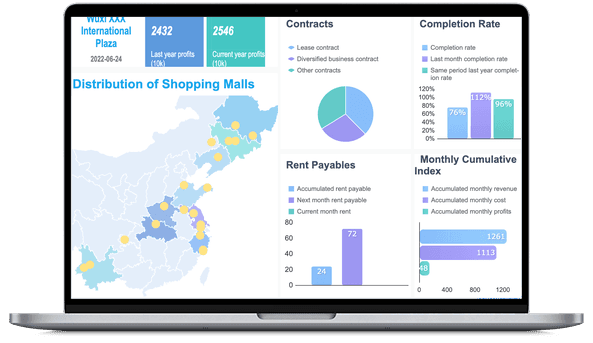
What is Regulatory Reporting?
Regulatory Reporting vs. Financial Reporting vs. Compliance Reporting
Regulatory reporting often overlaps with financial reporting, compliance reporting, risk reporting, and management reporting. The difference is the audience and the accountability standard.
A financial report explains financial performance for executives, investors, lenders, boards, and other stakeholders. It may include income statements, balance sheets, cash flow, budgets, variance analysis, or management commentary.
Regulatory reporting is narrower in one sense and stricter in another. It focuses on information that must be prepared according to a specific external rule, format, threshold, filing cadence, or supervisory expectation. The reader is often a regulator or authority that can request evidence behind the submission.
Compliance reporting is broader. It may document whether policies, controls, audits, training, incidents, privacy rules, security requirements, or operating procedures are being followed. Some compliance reports become regulatory reports when they must be submitted to an external body.
The formats can work together. A dashboard may monitor exceptions during the month. A management report may explain what changed. A regulatory reporting package documents the final numbers, definitions, evidence, approvals, and submission status.
Why Regulatory Reporting Matters
Regulatory reporting matters because a submitted number is rarely just a number. It carries a definition, a data source, a calculation rule, a responsibility trail, and a business consequence.
When regulatory reporting is weak, teams often face the same practical problems:
- Scattered source data: Finance, risk, operations, HR, CRM, procurement, banking, healthcare, ESG, or manufacturing data may sit in different systems.
- Unclear metric definitions: The same term may mean different things across departments, regions, entities, or reporting periods.
- Manual spreadsheet risk: Copy-paste workflows make it hard to prove where a number came from or who changed it.
- Late exception discovery: Data quality issues appear near the filing deadline, leaving little time for review.
- Weak audit trail: Teams can submit a report but cannot easily show source lineage, assumptions, approvals, and version history.
- Rule changes: Requirements, templates, thresholds, taxonomies, and business interpretations can change, so the process must adapt without breaking trust.
Good regulatory reporting helps organizations:
- Submit with more confidence: Data is reconciled, validated, reviewed, and documented before submission.
- Reduce rework: Stable definitions, reusable datasets, and repeatable checks reduce last-minute rebuilding.
- Improve accountability: Owners, approvers, reviewers, and evidence paths are clear.
- Strengthen operational learning: Exceptions reveal problems in upstream processes, not only reporting tasks.
- Support faster response: When regulators, auditors, or executives ask follow-up questions, teams can trace the answer instead of searching through files.
This is why regulatory reporting should not be treated as an after-the-fact administrative task. It is a governed information workflow that connects data quality, business rules, controls, and human review.
Don’t just collect compliance data. Visualize what matters for regulatory reporting.
Download the KPI Dashboard Guide to strengthen your regulatory reporting foundation:
- 10 essential steps to turn reporting obligations into measurable KPI views
- How to choose the right charts for exceptions, trends, and control reviews
- 15 dashboard templates for 2026 that can inspire governed reporting workflows

Requirements and Data Sources
Regulatory reporting requirements vary by country, industry, regulator, entity type, business activity, and reporting period. A bank, manufacturer, insurer, listed company, hospital, energy provider, and ecommerce business will not report the same things. Even within one industry, requirements may differ by legal entity, license, product, customer segment, or jurisdiction.
Instead of starting with a blank template, build a requirement map.
Common data sources for regulatory reporting include:
- Finance and accounting systems: General ledger, sub-ledger, revenue, cost, asset, liability, cash, budget, and consolidation data.
- Risk and compliance systems: Incidents, controls, policies, audit findings, fraud alerts, KYC records, sanctions screening, risk ratings, and remediation logs.
- Operational systems: Orders, production, inventory, logistics, service, quality, safety, energy, utilities, or facility data.
- HR systems: Headcount, payroll, training completion, workplace incidents, diversity metrics, certifications, and access records.
- Customer and transaction systems: CRM, banking transactions, insurance claims, customer complaints, account activity, and service interactions.
- ESG and sustainability systems: Energy use, emissions, water, waste, supplier data, social metrics, governance records, and sustainability targets.
- Manual evidence sources: Approvals, contracts, policy documents, explanations, exception notes, and management attestations.
For a stable regulatory reporting workflow, teams usually need data integration, data governance, data quality, and data validation practices before the final report is generated. The filing page is the end of the chain. The trust work happens much earlier.
Types of Regulatory Reporting
Regulatory reporting is not one category of report. It is a family of reporting obligations that appear in different business contexts. The examples below are learning categories, not legal guidance. Always confirm specific requirements with your legal, compliance, audit, or regulatory specialists.
Financial regulatory reporting
Financial regulatory reporting may cover financial statements, listed-company disclosures, banking returns, insurance solvency, capital adequacy, liquidity, tax, audit evidence, or securities activity. It often requires strong reconciliation between accounting systems, transaction systems, entity structures, and submitted forms.
Useful questions:
- Which legal entity or reporting group is covered?
- Which accounting, capital, tax, or disclosure rule applies?
- Which number must reconcile to the general ledger?
- Which assumptions or adjustments must be documented?
- Who approves the final submission?
Risk and compliance regulatory reporting
Risk and compliance reporting may cover anti-fraud activity, suspicious transactions, incidents, internal controls, access reviews, operational risk, cybersecurity obligations, policy violations, or remediation status. These reports often need case-level detail and evidence, not just summary metrics.
Useful questions:
- Which incidents, alerts, or exceptions meet the reporting threshold?
- Which owner investigated the issue?
- What control failed or worked?
- What evidence supports the conclusion?
- What remediation is complete, pending, or overdue?
ESG and sustainability regulatory reporting
ESG reporting, sustainability reporting, and climate-related disclosures increasingly require companies to connect operational data with public accountability. Energy, water, emissions, waste, supplier, workforce, and governance data may come from systems that were not originally designed for external disclosure.
Useful questions:
- Which ESG topics are material to the organization?
- Which standards, frameworks, or disclosure rules apply?
- Which data is measured, estimated, or manually collected?
- What is the confidence level and evidence source?
- Which owner can explain a change from last period?
Healthcare and life sciences regulatory reporting
Healthcare, pharmaceutical, and life sciences teams may report quality, safety, inventory, claims, clinical operations, procurement, supply chain, facility, or patient-service indicators. The reporting process often needs privacy controls, traceability, and exception handling.
Useful questions:
- Which records contain sensitive information?
- Which quality, inventory, safety, or service metric requires reporting?
- Which exceptions need review before disclosure?
- Which department owns the corrective action?
- How is access controlled during analysis?
Operational and public-sector regulatory reporting
Utilities, transportation, manufacturing, public services, and infrastructure organizations may need to report operational quality, emissions, safety, service reliability, asset status, resource usage, or environmental indicators. These workflows often depend on sensors, operational logs, plant systems, and maintenance records.
Useful questions:
- Which operational thresholds trigger reporting?
- Which measurement systems are authoritative?
- What happens when data is missing or delayed?
- Which exceptions require escalation?
- How are corrective actions tracked after submission?
The common pattern across these categories is simple: regulatory reporting needs a clear obligation, trusted data, documented logic, responsible owners, and a review trail.
Metrics of Regulatory Reporting
Regulatory reporting metrics should be chosen for traceability, control, and decision usefulness. Some metrics appear in the final filing. Others exist only to help teams detect risk before the filing deadline.
Regulatory Reporting Workflow
A reliable regulatory reporting workflow should be repeatable enough for audit and flexible enough for rule changes. Use this structure as a starting point.
- Build the obligation inventory. List every regulatory report, filing, disclosure, certification, or evidence package. Capture owner, rule source, cadence, due date, format, audience, and risk level.
- Translate obligations into data requirements. Define every field, metric, classification, threshold, filter, and calculation needed for each report.
- Map authoritative sources. Identify which system owns each data element. Avoid letting the final spreadsheet become the only source of truth.
- Create a metric dictionary. Document formulas, business terms, synonyms, allowed filters, reporting periods, and exception rules.
- Connect and prepare data. Use governed data pipelines, reusable datasets, and controlled transformations where possible.
- Validate before analysis. Check completeness, format, duplicates, abnormal values, reconciliation, and missing approvals.
- Build the reporting view. Create summary pages, exception lists, drill-down details, trend charts, and evidence links for review.
- Add commentary and uncertainty notes. Explain material changes, known limitations, pending corrections, and assumptions.
- Review and approve. Route the report to preparers, reviewers, approvers, and submission owners with clear sign-off records.
- Submit and retain evidence. Store the final output, source snapshots, validation results, approval records, and regulator responses.
- Close the learning loop. Review what caused rework, what rules changed, which upstream data issues recurred, and what should be improved next cycle.
This workflow helps teams decide when to use reporting software, when to use reporting tools, and when a governed BI reporting layer is needed. A small team may start with controlled spreadsheets. A larger or highly regulated team usually needs shared definitions, permission-aware datasets, scheduled refresh, evidence retention, and structured review.
Examples and Templates
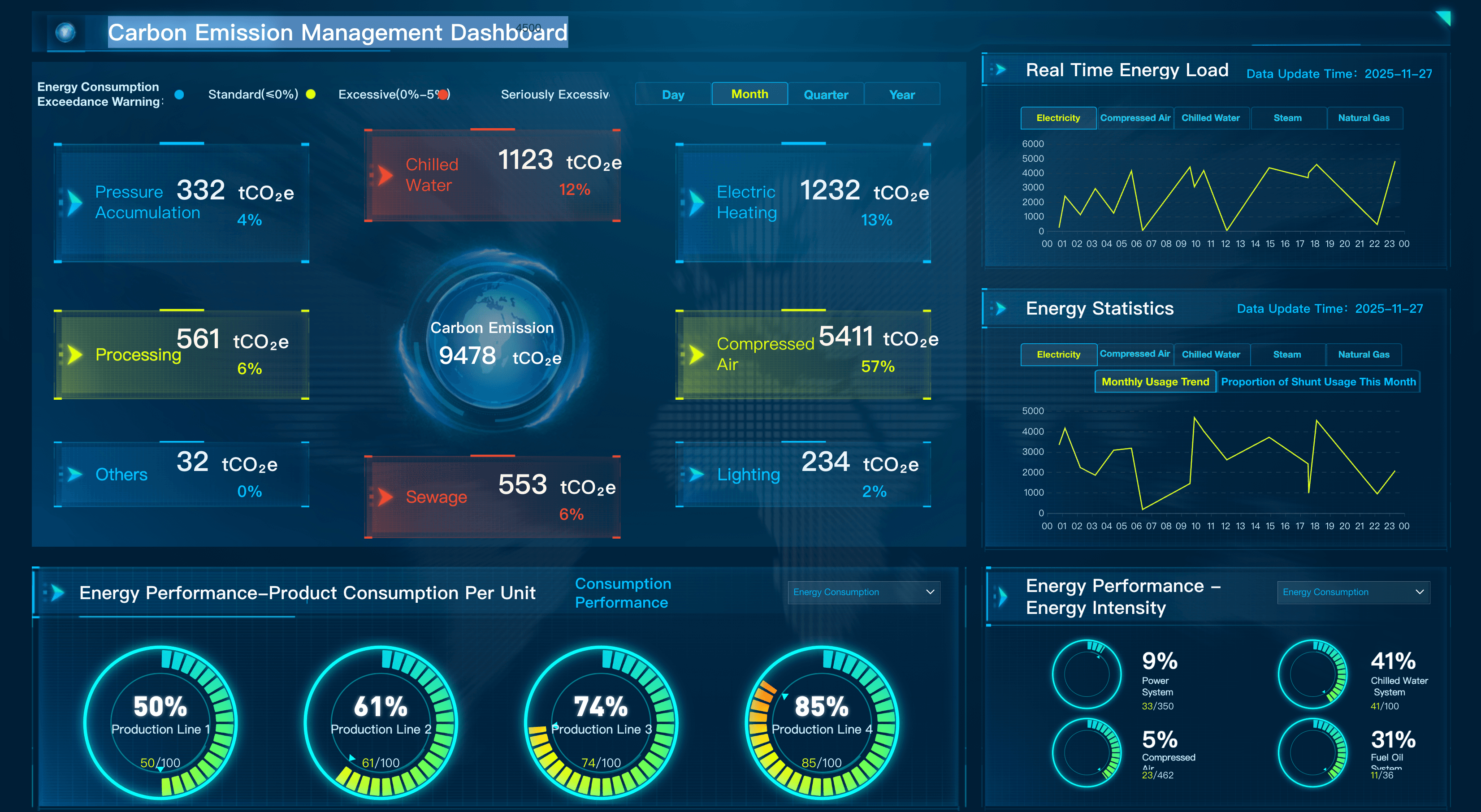
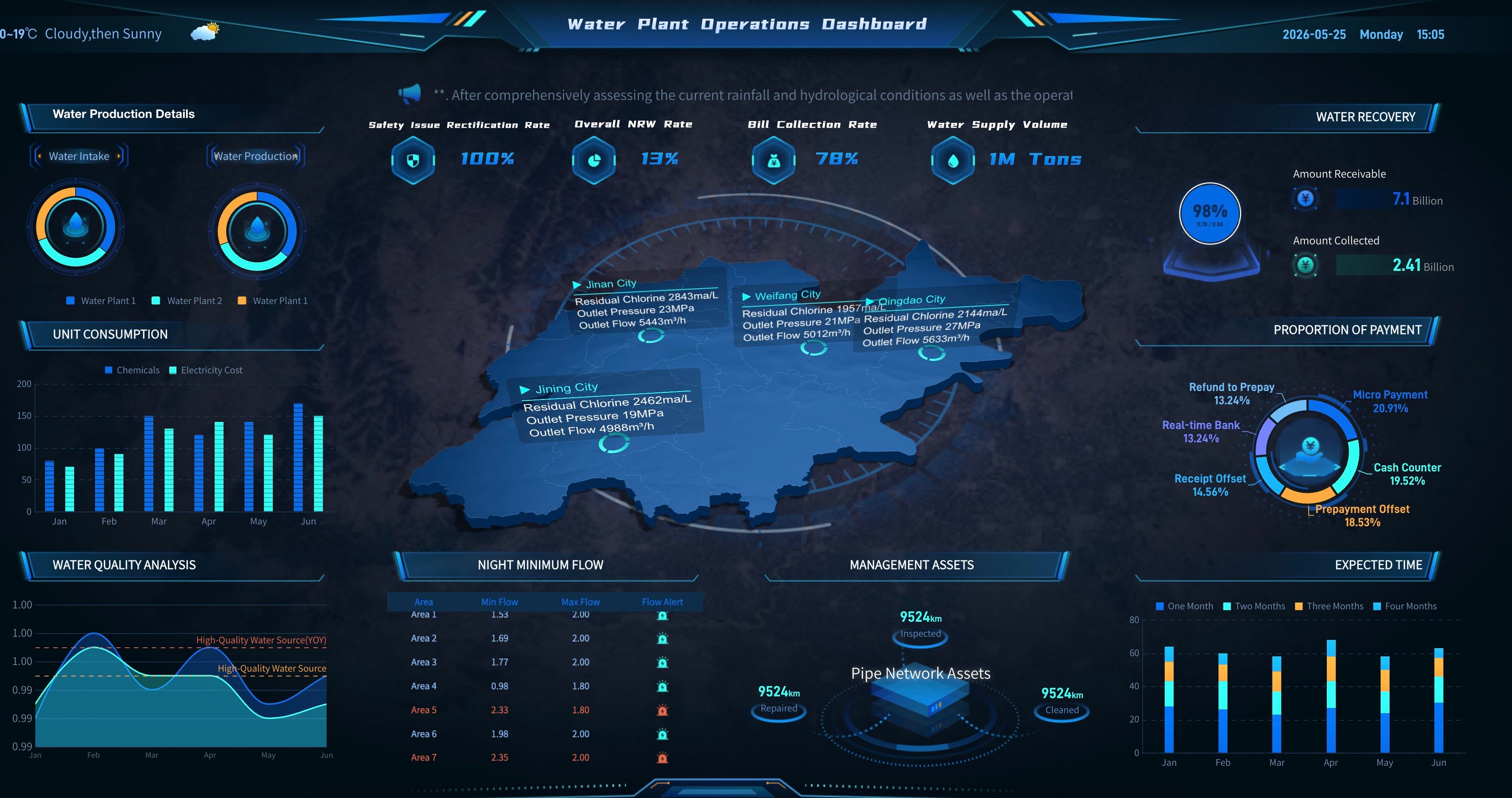
Regulatory reporting becomes easier to design when teams can see concrete dashboard and report patterns. The demo cards below are useful learning prompts because they cover financial control, banking operations, risk supervision, anti-fraud analysis, ESG indicators, utility operations, procurement controls, and system governance.
Use these examples to study structure, not to copy every chart. Before reusing any layout, ask: What is the reporting obligation? Which data must be traceable? Which exceptions need review? Which owner signs off? Which evidence should be retained?
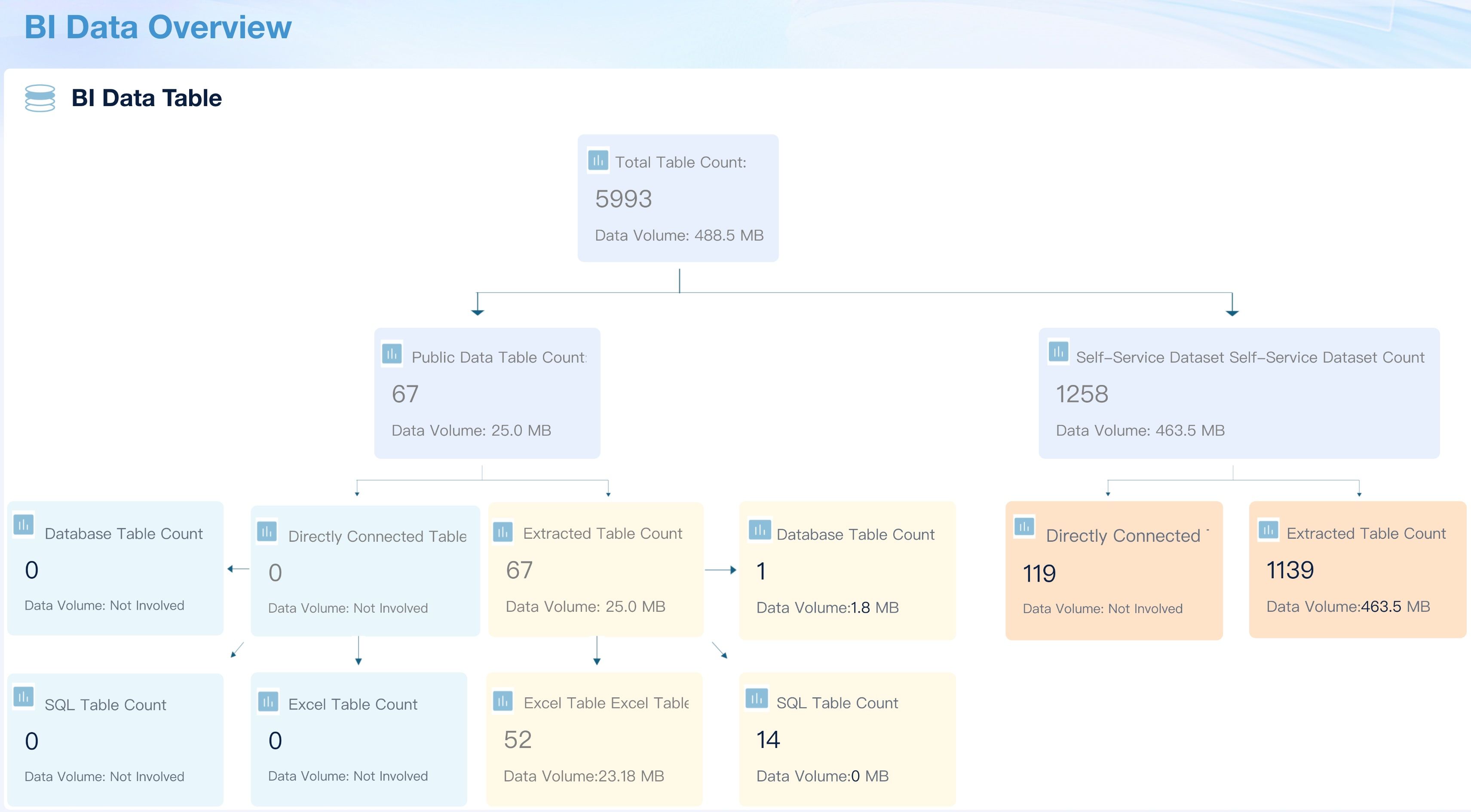
FineBI Operation and Management
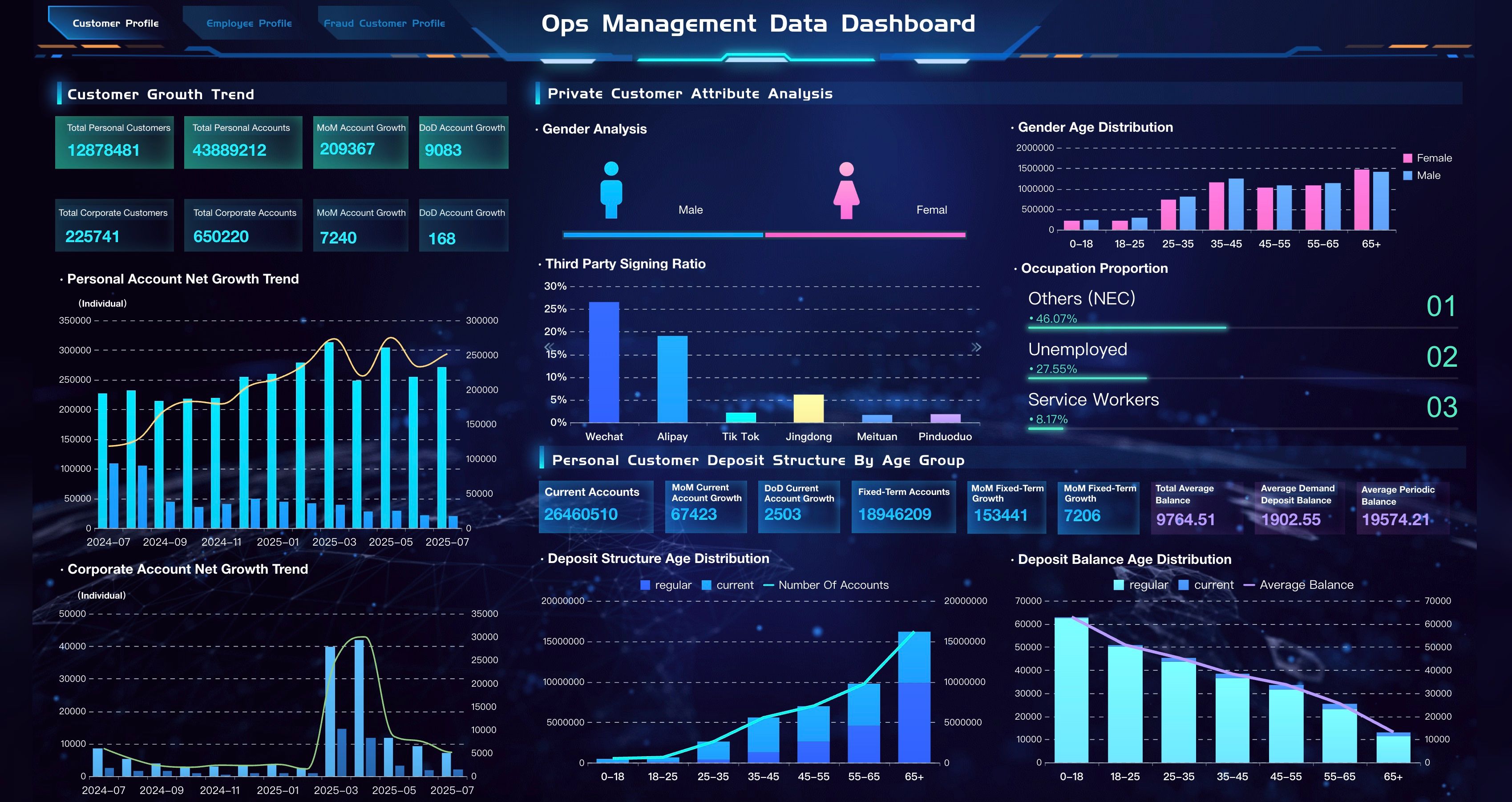
Customer, Employee & Anti-Fraud Analysis Dashboard
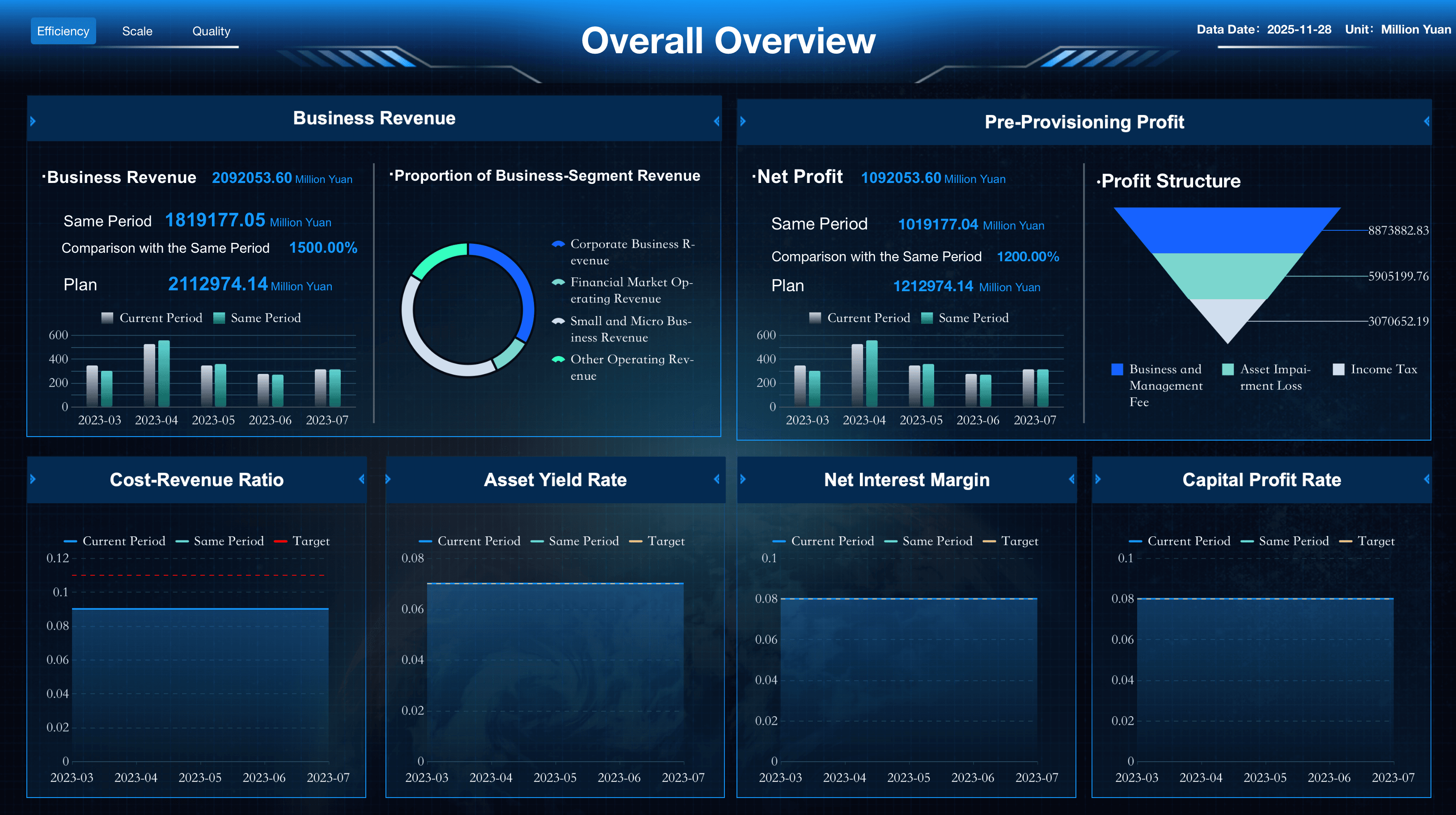
Bank Performance Metrics
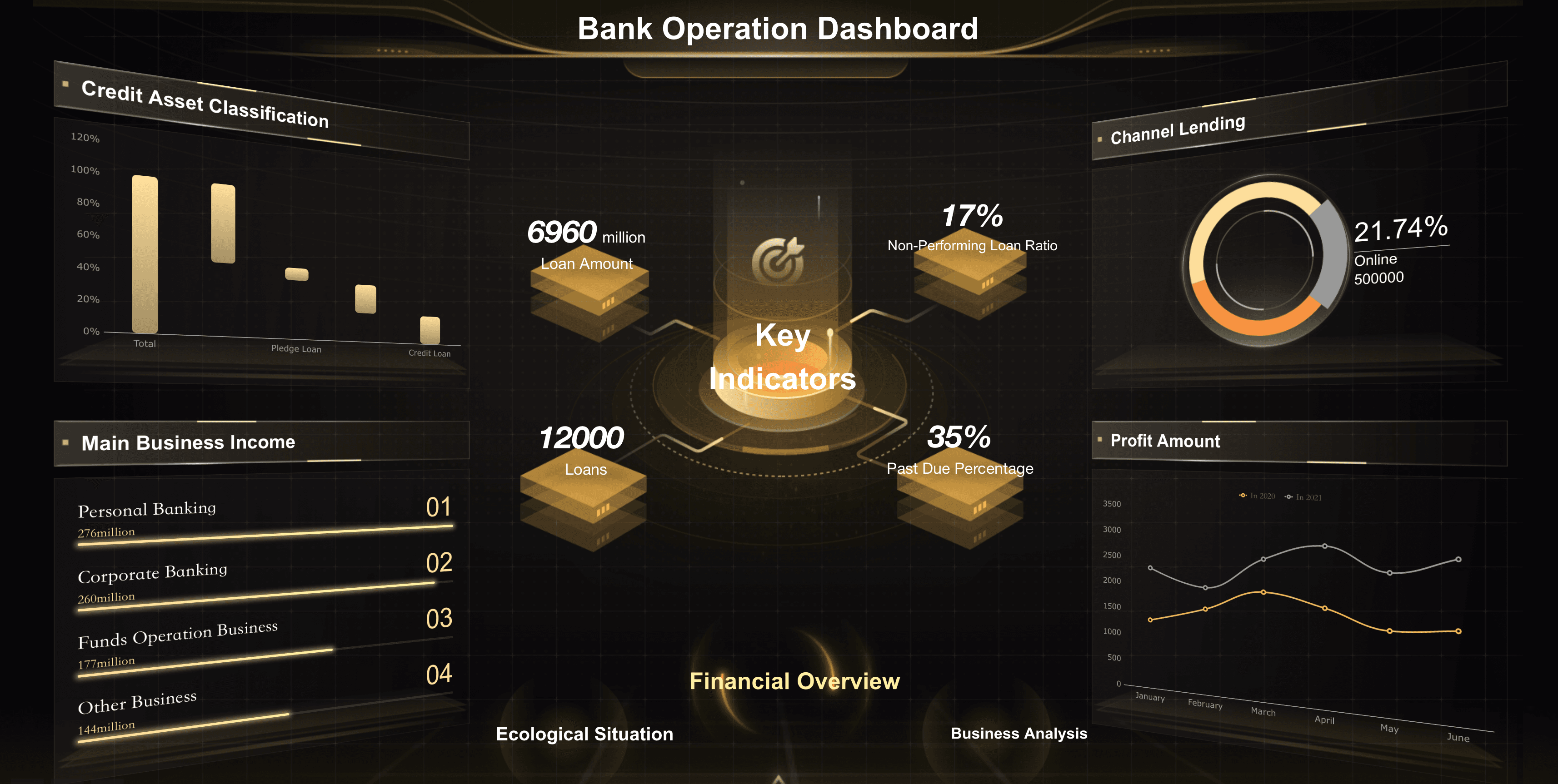
Bank Dashboard
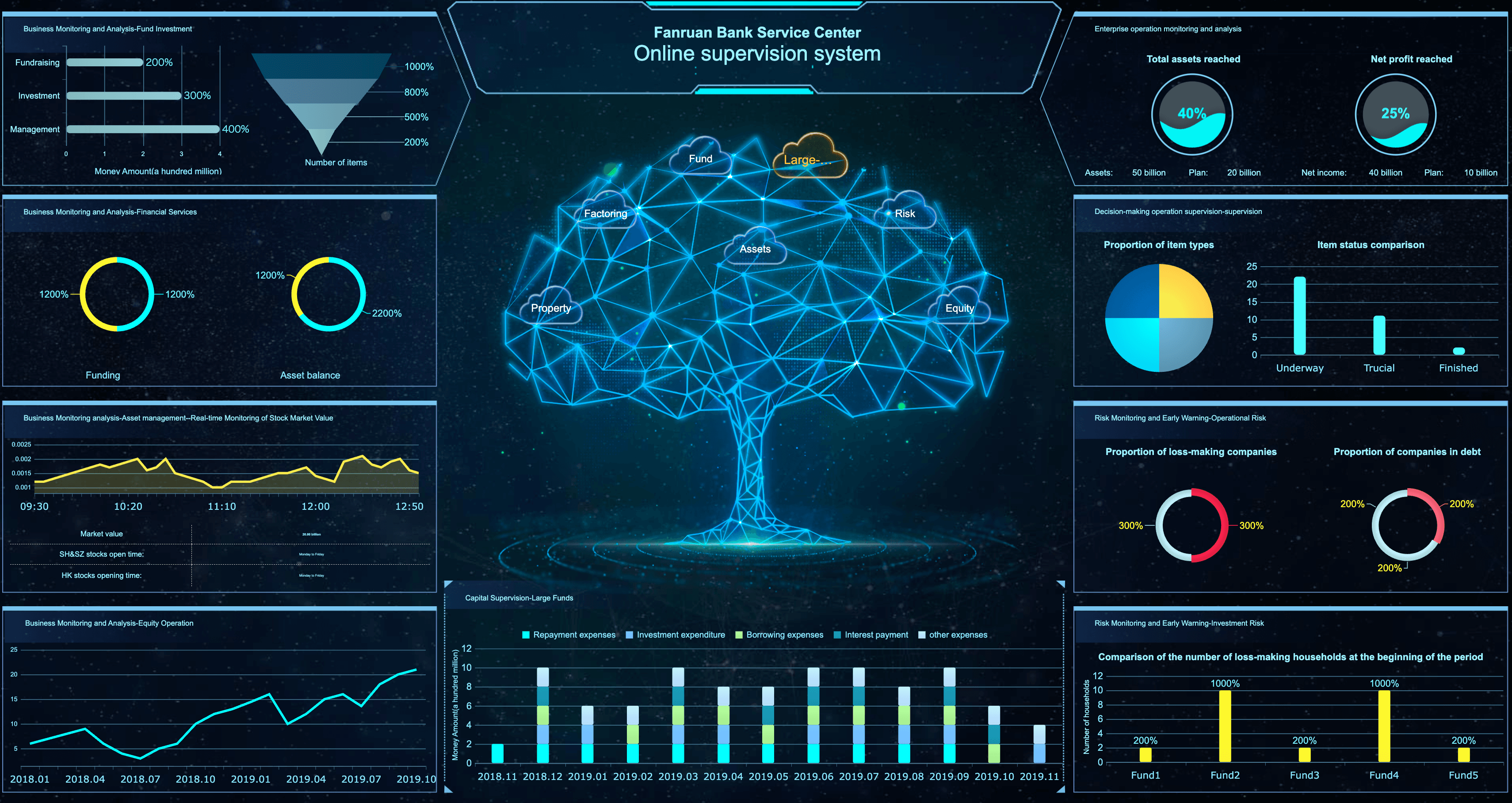
Investment Portfolio Dashboard
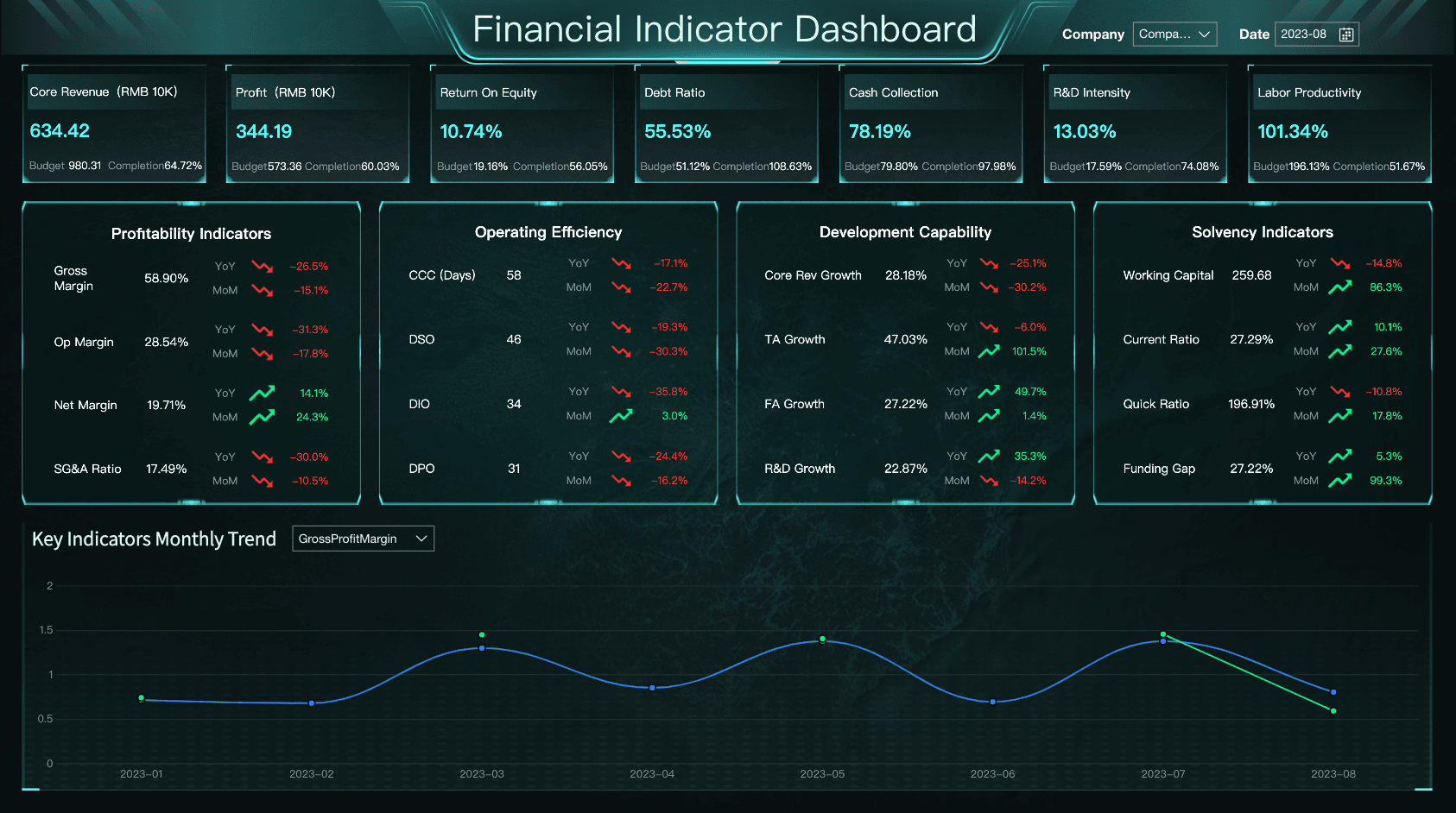
Financial Metrics Dashboard
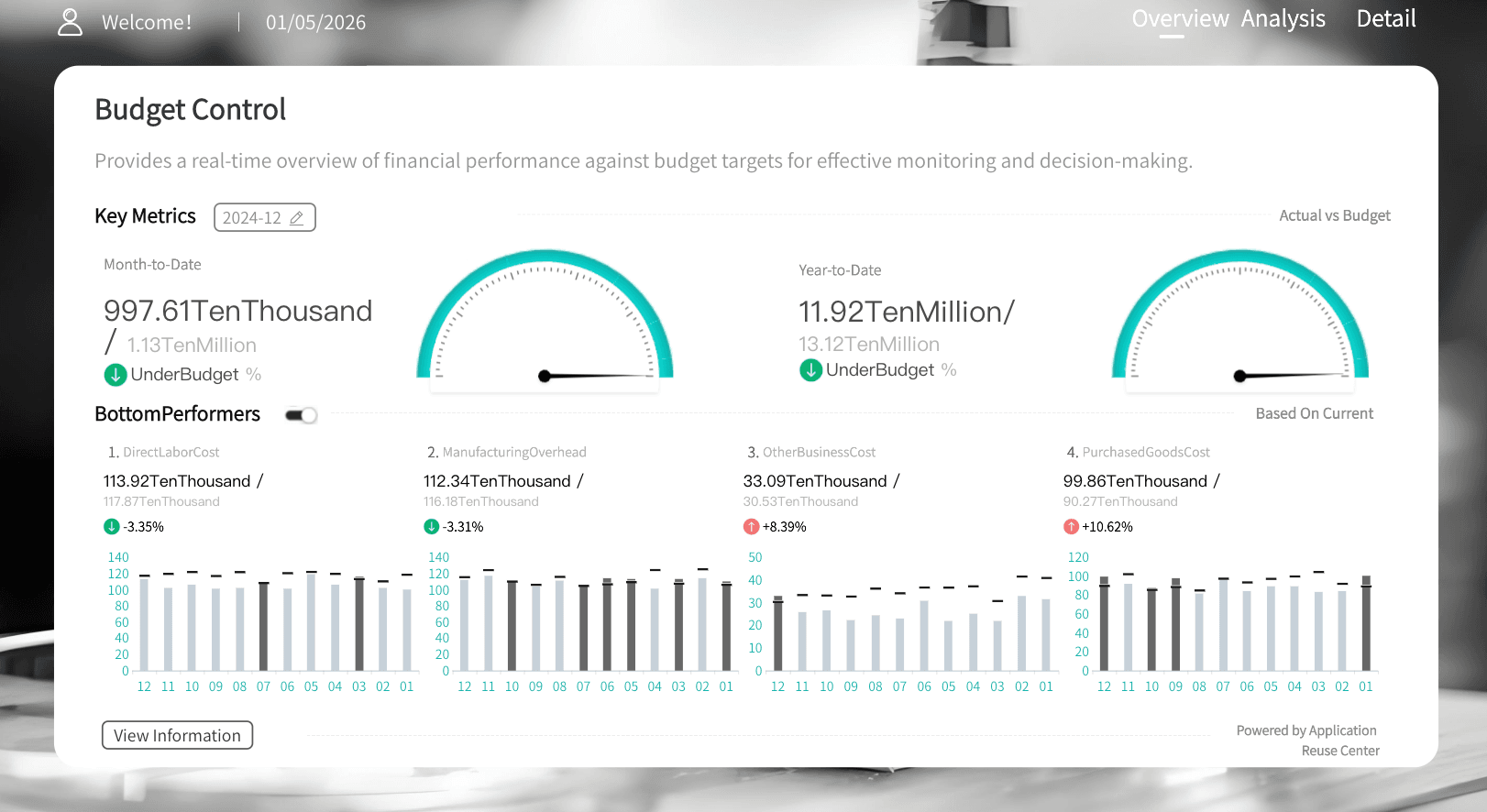
Budget Control Dashboard
Carbon Emissions Dashboard
Water Plant Operations Dashboard
Challenges of Regulatory Reporting
Most regulatory reporting problems are not caused by the final report template. They are caused by weak inputs, unclear ownership, and fragile workflows upstream.
Changing rules and formats
Regulators may update templates, taxonomies, definitions, thresholds, due dates, or interpretation guidance. If the reporting process lives only in personal spreadsheets, every change becomes risky. Keep a controlled requirement inventory and change log so teams know which reports, metrics, and source mappings are affected.
Data lineage gaps
Regulatory reporting needs answers to "Where did this number come from?" and "How was it calculated?" If source tables, transformations, manual adjustments, and approvals are not traceable, teams may struggle during audit or regulator follow-up.
Manual consolidation
Manual consolidation can work for low-risk reporting, but it becomes fragile when reports span multiple entities, systems, and deadlines. Repeated copy-paste steps create version confusion and make it difficult to reproduce the final number.
Metric definition drift
One team may calculate an exposure, incident, active customer, revenue item, or ESG metric differently from another team. A metric dictionary helps prevent definition drift. It should include formulas, owners, allowed filters, reporting periods, and change history.
Deadline pressure
When teams discover data issues near the submission date, the review becomes reactive. Use dashboards and exception views earlier in the cycle so completeness, reconciliation, and ownership problems are visible before the deadline.
Over-automation without review
Automation can reduce manual work, but regulatory reporting still needs human judgment. Teams must review assumptions, material changes, data limitations, exceptions, and the final submission. Automated workflows should make review easier, not hide it.
AI without governed data
AI can help summarize, detect changes, and draft explanations, but it should not invent answers from uncontrolled tables. For regulatory reporting, AI is useful only when it works through trusted data assets, permission rules, metric definitions, source traceability, and human review.
Regulatory Reporting With FineBI + Dora
After the regulatory reporting workflow is clear, FineBI + Dora can support a more repeatable learning and review process without turning the page into a product pitch.
FineBI can support the governed BI layer:
- Connect data from finance, risk, operations, ESG, HR, CRM, and other business systems.
- Build reusable datasets, semantic definitions, and metric dictionaries.
- Create dashboards, visual report pages, exception lists, and drill-down analysis.
- Manage permissions by role, department, entity, region, and report owner.
- Support scheduled refresh and reusable reporting assets for recurring reviews.
Dora adds the AI action layer above those governed assets. As a data agent, Dora can help users ask natural-language questions, search existing dashboards and reports, generate structured briefings, summarize exceptions, prepare draft commentary, push scheduled updates, and follow up with responsible owners. Dora should not replace legal, compliance, finance, audit, or risk judgment. It works best when it operates on trusted metrics, business terms, permissions, reusable Skills, and human review.
For regulatory reporting, two useful Dora digital employees could be:
- Regulatory Reporting Analyst: Checks the current reporting package against configured metric definitions, source mappings, validation rules, and previous-period movement.
- Risk Alert Officer: Watches governed exception views, explains abnormal changes, pushes issues to owners, and prepares follow-up summaries before the deadline.
Example chat-style prompts:
- "Generate a regulatory reporting readiness summary for this quarter. Show missing data, failed validation checks, pending approvals, and material changes from last period."
- "Explain why the reported exposure increased by region, product, and customer segment. Use only approved metric definitions and show the source dashboard."
- "Create an exception view for records that failed completeness, reconciliation, or threshold checks, then group them by owner and due date."
- "Draft a review briefing for the compliance team with key changes, unresolved issues, evidence links, and questions that require human approval."
 Natural-language Query
A closed-loop AI workflow could look like this:
- Retrieve trusted data: Dora reads configured FineBI assets, metric definitions, source mappings, reporting periods, and permission rules.
- Detect exceptions: It checks missing fields, abnormal movement, failed reconciliation, overdue approvals, and high-risk records.
- Explain likely drivers: It compares current results with prior periods, targets, thresholds, and known business events.
- Generate a report draft: It creates a structured briefing with charts, exception tables, commentary, and evidence notes.
- Push to owners: It sends relevant issues to finance, compliance, risk, operations, ESG, or IT owners for review.
- Follow up and summarize: It tracks unresolved questions, captures human decisions, and prepares a clearer package for the next review.
For learning purposes, think of FineBI + Dora as a step-by-step reporting maturity path rather than a single switch.
This staged approach is useful because regulatory reporting teams rarely need "more AI" in the abstract. They need better ways to find data, explain variance, reduce repetitive review work, and preserve evidence. FineBI can make the governed reporting assets reusable. Dora can make those assets easier to query, explain, and act on through natural language.
Want to explore more report resources?
FAQs
Regulatory reporting is the process of preparing and submitting required business information to regulators, government agencies, industry authorities, exchanges, auditors, or other external bodies. It usually requires defined data sources, metric logic, review steps, evidence, approvals, and submission records.
A regulatory reporting workflow should include an obligation inventory, data requirement mapping, authoritative source mapping, metric definitions, data validation, reconciliation, exception review, approval routing, submission tracking, evidence retention, and post-submission follow-up.
Compliance reporting documents whether policies, controls, and obligations are being followed. Regulatory reporting is usually the externally required subset that must be submitted or made available according to a specific rule, format, cadence, or authority. The two often overlap, but regulatory reporting usually has stricter evidence and deadline requirements.
Data quality matters because regulatory reports depend on accurate, complete, consistent, and traceable data. Missing fields, duplicate records, invalid codes, stale values, and unreconciled totals can weaken trust in the submission and create rework near the deadline.
Many parts of regulatory reporting can be automated, including data extraction, validation checks, reconciliation, dashboard refresh, exception routing, scheduled reminders, and evidence collection. Human review is still needed for interpretation, judgment, approval, and final responsibility.
FineBI can help teams connect data, model trusted metrics, build dashboards, manage permissions, and monitor exceptions. Dora can act as the AI Data Agent layer that answers follow-up questions, generates review briefings, summarizes changes, pushes issues to owners, and tracks unresolved questions based on governed BI assets. Human review should remain part of the workflow.
No. Regulatory reporting differs by industry, jurisdiction, business activity, entity type, license, regulator, and reporting period. A bank, utility, hospital, manufacturer, insurer, and listed company may have very different obligations. Treat this guide as a workflow and design reference, not legal advice.
