

Enterprise BI and AI programs rarely fail because teams lack dashboards, models, or tools. They fail because ownership is unclear when change happens: who approves a KPI revision, who validates training data, who signs off on access permissions, who communicates release impacts, and who follows up when an AI insight triggers action.
That is why the raci framework data governance change management approach matters. In real enterprise rollouts, governance is not only about policy documents. It is about making decisions quickly, consistently, and with the right level of accountability across IT, data, analytics, risk, and business teams.
With FineBI + Dora, business users can ask for analysis in chat, generate chart-based answers or dashboard-style views from trusted BI assets, and receive scheduled summaries before the next meeting. But that outcome depends on a strong governance operating model behind the scenes: trusted metrics in FineBI, clear semantic definitions, controlled permissions, and governed AI workflows through Dora as the enterprise Data Agent layer.
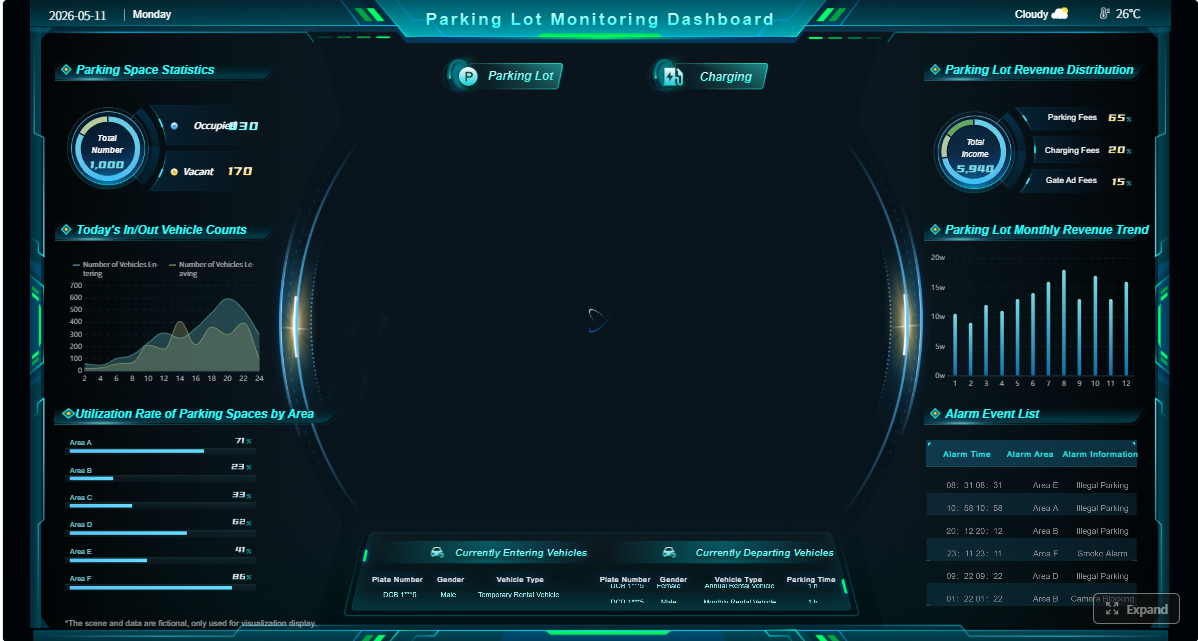 Click To Try The Dashboard
All dashboards in this article are built with FineBI
Why a RACI Framework Matters for Data Governance Change Management
A RACI framework is a role-clarity model used to assign who is:
- Responsible for doing the work
- Accountable for the final decision or outcome
- Consulted for input before action
- Informed after the decision or change is made
In enterprise BI and AI rollouts, this structure helps teams coordinate data changes, reporting releases, semantic updates, access controls, and AI workflow approvals without constant confusion.
Why role clarity matters in BI and AI programs
When companies launch or expand analytics and AI capabilities, many teams are involved:
- executives want business value and risk control
- IT wants stability and security
- data teams want quality and consistency
- business teams want speed and usability
- compliance teams want traceability and policy enforcement
Without clear ownership, governance change management becomes reactive. One team updates a metric definition, another changes access rules, a third adjusts an AI prompt or Skill, and suddenly users no longer trust the dashboard or the AI-generated briefing.
A practical RACI matrix reduces:
- approval delays
- duplicate work
- conflicting metric definitions
- policy gaps
- unclear escalation paths
- adoption resistance caused by poor communication
Where change management usually breaks down
In most BI and AI rollouts, governance problems appear in familiar places:
- A KPI changes, but dashboard owners are not informed.
- Access is granted technically, but not approved by the data owner.
- An AI assistant uses a metric label that business teams interpret differently.
- A report release introduces a semantic change, but frontline users receive no guidance.
- Model monitoring alerts exist, but no one owns follow-up.
This is especially important when moving from dashboards alone to Agentic BI. Once users can ask for analysis in natural language, receive chart-based answers, and get scheduled summaries or anomaly alerts, weak governance becomes visible faster. Dora can help execute governed AI workflows, but the underlying ownership model still has to be defined.
For executives, the value is concrete: fewer stalled decisions and better ROI from recurring data work. For IT teams, the role shifts from manually serving every report request to managing connections, permissions, semantic rules, data quality, and reusable agent Skills. For business users, governance done well means less friction, more timely answers, and fewer trust issues.
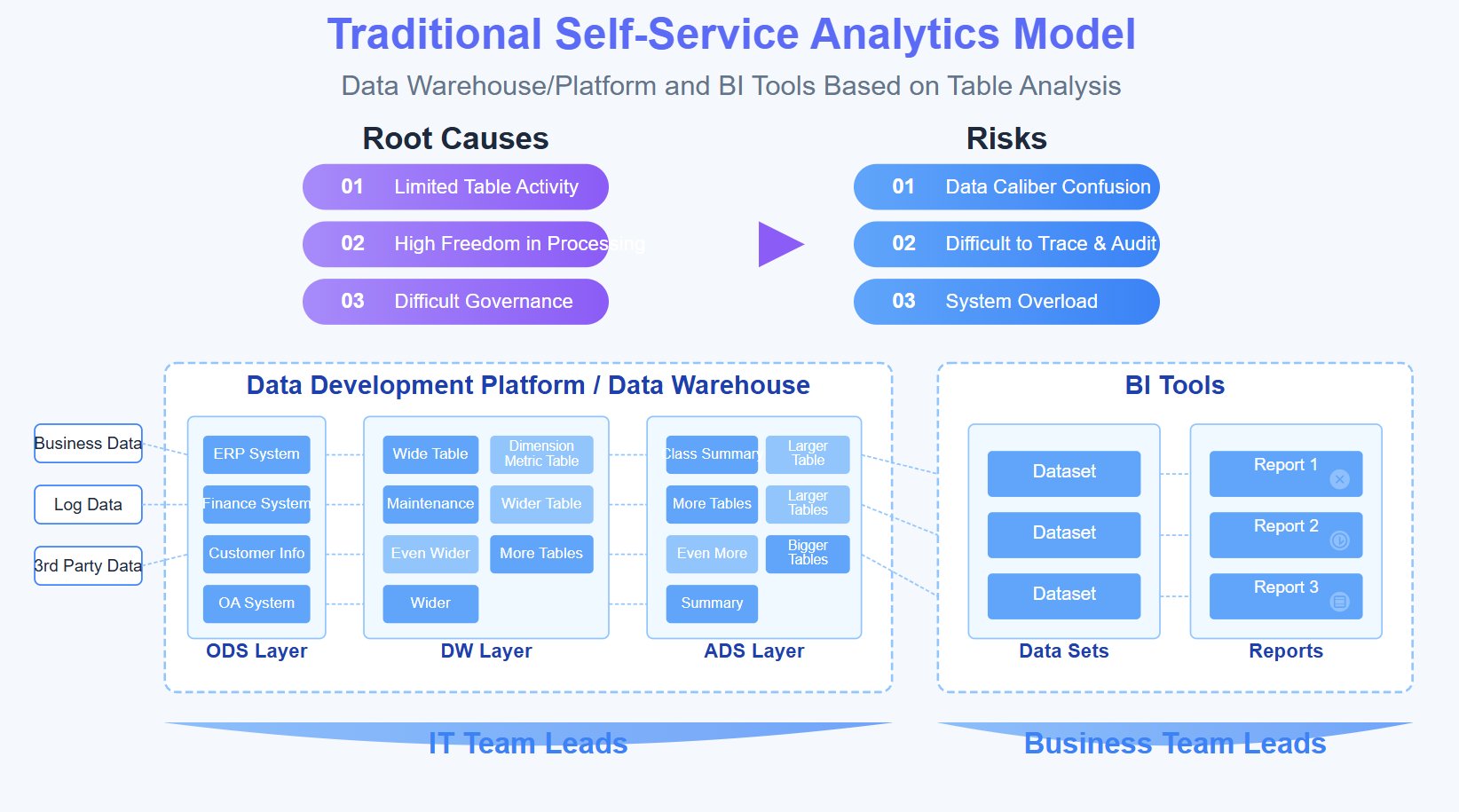
Core Roles in an Enterprise BI and AI Rollout
A strong raci framework data governance change management model starts with realistic role groups. Titles vary by company, but the core responsibilities are usually consistent.
Executive sponsors and governance leaders
Executive sponsors and governance leaders create the conditions for adoption. They do not handle every workflow directly, but they make governance enforceable.
Their role typically includes:
- setting program priorities
- approving major policy direction
- resolving cross-functional escalations
- backing metric standardization and data ownership rules
- supporting adoption of BI and AI operating policies
In a BI and AI rollout, these leaders often become the Accountable role for high-impact governance changes, such as enterprise KPI policy, critical access rules, or AI risk controls.
When governance lacks sponsor backing, teams may agree in workshops but ignore standards in practice. That leads to fragmented dashboards, inconsistent semantic definitions, and AI outputs that vary by team.
Data owners, stewards, and platform teams
This group often does the operational work that turns governance into reality.
Typical responsibilities include:
- data quality management
- access control implementation
- metadata and lineage maintenance
- semantic layer management
- pipeline and platform configuration
- release support and issue remediation
In a FineBI environment, this is where trusted dashboards, metric models, and semantic assets are built and governed. FineBI provides the foundation for reusable KPI logic, exploration, and dashboard ownership. That foundation is what allows Dora to retrieve trusted assets instead of guessing through uncontrolled prompts.
Common role splits include:
- Data owners: define who may access and use specific data domains
- Data stewards: maintain business definitions, quality checks, and metadata rules
- Platform teams: implement workflows, permissions, integrations, and technical release processes
These teams are often Responsible for executing changes, while a domain leader or governance council remains Accountable.
Business stakeholders, analytics leads, and end users
Governance change management fails if business teams are treated as passive recipients. They are the source of requirements, adoption signals, and practical feedback on whether policies work in real operations.
Their role often includes:
- defining reporting and decision requirements
- validating KPI usability
- reviewing dashboard and AI output relevance
- raising exceptions or ambiguity in business terms
- confirming whether change communications are sufficient
- using BI and AI tools within approved boundaries
For recurring use cases such as sales briefings, financial performance reviews, exception analysis, and operational follow-up, business users need clear pathways to request updates and flag issues.
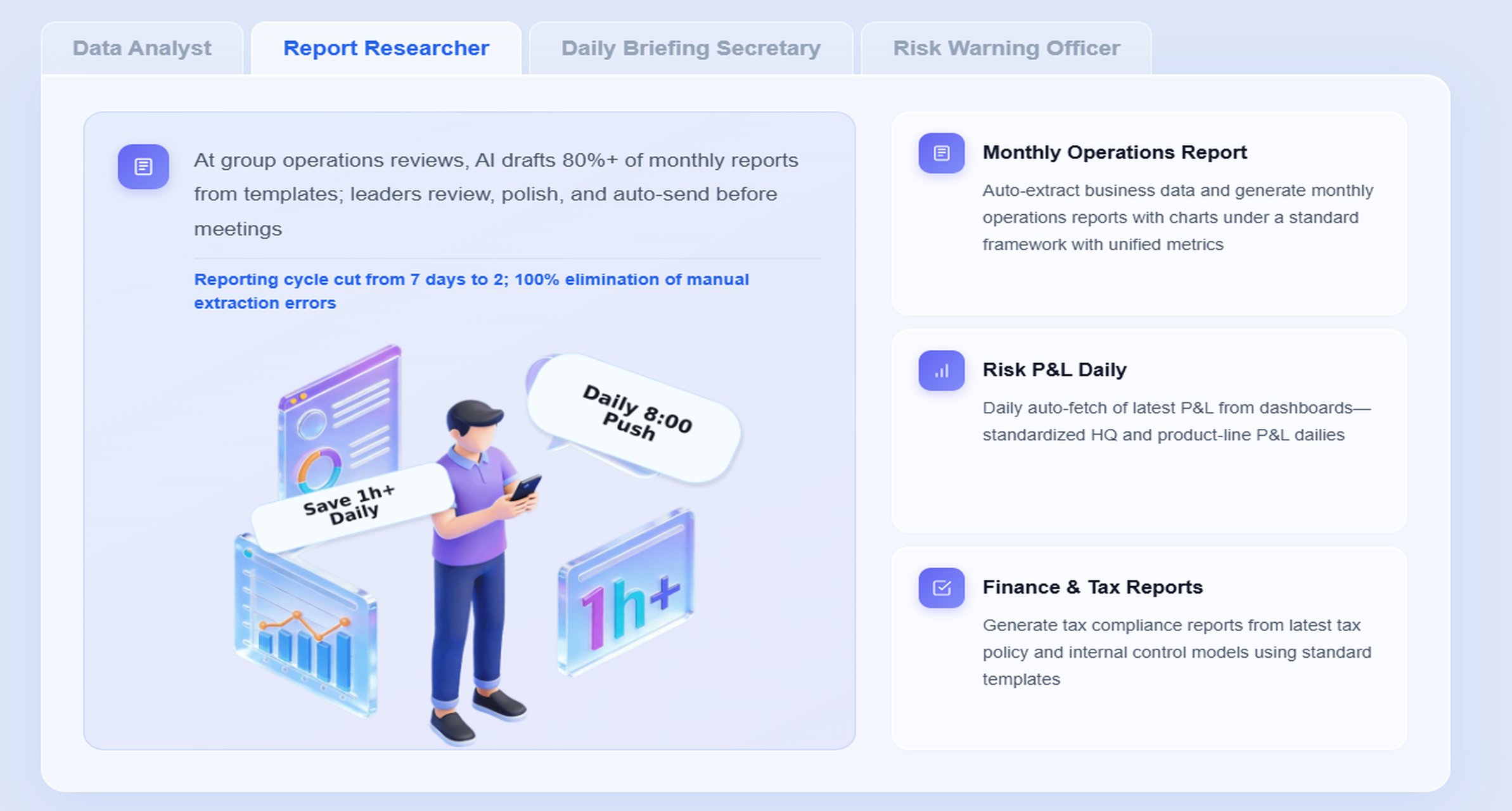
In FineBI + Dora deployments, this becomes even more important. Dora may act as a Data Analyst digital employee, Report Researcher, Daily Briefing Secretary, or Risk Alert Officer, but these digital employees still rely on business-approved terms, thresholds, and follow-up rules. Good governance ensures that what users ask in chat maps to the right metrics and permissions.

How to Build a Practical RACI Matrix for Governance Changes
A useful RACI matrix is not a giant spreadsheet covering every possible activity. It should focus on the governance decisions and workflows most likely to create risk, delay, or confusion during enterprise BI and AI change programs.
Start with high-impact workflows
Begin by listing the governance changes that matter most. In most organizations, these include:
- data access requests
- KPI and metric definition changes
- semantic layer updates
- dashboard ownership assignments
- source-to-report lineage changes
- AI Skill approval and revision
- model or prompt review for governed AI workflows
- anomaly threshold setup
- issue remediation and exception handling
- release communication and training sign-off
These workflows should be tracked because they directly affect trust, adoption, and control.
Map each workflow to RACI roles
For each workflow, assign one role to each decision type where possible. The matrix should be explicit enough to guide action without turning into bureaucracy.
A simplified example:
| Workflow | Responsible | Accountable | Consulted | Informed |
|---|---|---|---|---|
| KPI definition update | Analytics lead | Data governance lead | Business owner, data steward | Dashboard users |
| Access approval for sensitive dataset | Platform admin | Data owner | Security, compliance | Requestor manager |
| FineBI dashboard release | BI developer | Analytics manager | Business owner, data steward | End users |
| Dora AI Skill update | AI product owner | Governance committee lead | BI owner, compliance, business SME | Impacted users |
| Quality issue remediation | Data engineer | Data domain owner | Steward, report owner | Executive sponsor if high impact |
The goal is not perfect theory. It is practical decision clarity.
Avoid overloading one team
A common mistake is assigning one central team as both Responsible and Accountable for everything. That may seem efficient, but it creates bottlenecks and weak ownership in the business.
A better model is:
- central governance defines standards
- domain owners remain accountable for data and policy in their areas
- technical teams execute approved changes
- business stakeholders are consulted where usage impact is meaningful
This balance supports scale. It also makes AI rollout more sustainable because Dora can operate on trusted, governed assets rather than requiring constant manual intervention.
Set decision thresholds and escalation rules
Not all governance changes should follow the same approval path. Separate routine changes from high-risk changes.
For example:
Routine changes
- dashboard label correction
- non-sensitive access updates
- low-risk threshold adjustment
- scheduled summary format change
Higher-risk changes
- enterprise KPI redefinition
- access to regulated or sensitive data
- semantic changes affecting multiple reports
- AI Skill updates affecting regulated processes
- retention policy changes
Define escalation rules such as:
- if a change affects more than one business unit, governance council review is required
- if a change affects regulated data, compliance must be consulted
- if a KPI change affects executive reporting, executive sponsor sign-off is needed
- if an AI workflow can trigger alerts or follow-up tasks, ownership for review and notification must be explicit
Keep the matrix usable
The best RACI matrix is one that project teams actually use during weekly delivery and release work. Keep it:
- short enough to review
- linked to real workflows
- updated as teams change
- visible in project and governance meetings
- connected to release and issue management artifacts
A static compliance document does not improve change management. A living governance tool does.

Applying the Model Across BI and AI Change Scenarios
The RACI approach becomes most valuable when applied to real change scenarios across analytics and AI operations.
BI reporting and semantic layer changes
BI rollouts often look simple from the outside, but governance complexity grows quickly as more users, dashboards, and data sources are added.
Typical governance decisions include:
- who owns each dashboard
- who approves KPI definition changes
- who validates source-to-report lineage
- who communicates report release impacts
- who handles issue triage when users question a number
A practical governance model should define:
- Responsible: BI developer or analytics lead to implement report changes
- Accountable: business report owner or analytics manager
- Consulted: data steward and affected business stakeholder
- Informed: report consumers and support teams
FineBI is especially relevant here because it provides the governed BI layer: dashboards, self-service analytics, metric modeling, and semantic assets. That means role ownership can be attached to trusted objects rather than scattered across ad hoc spreadsheets and slide decks.
When teams later add Dora, those same governed assets can be retrieved through natural-language requests. That reduces confusion because Dora answers from trusted dashboard and metric foundations instead of inventing definitions on the fly.
AI model and data product rollouts
AI rollouts require even stronger governance because the change surface is wider. Teams must think about training data, model review, prompt or Skill design, monitoring, drift signals, and business risk.
Key governance decisions include:
- who approves training data use
- who reviews model risk and intended use
- who owns AI monitoring and exception review
- who decides when retraining is required
- who communicates usage boundaries to end users
A workable RACI structure often includes:
- Responsible: AI product owner, data science lead, or platform operator
- Accountable: governance lead, risk owner, or domain executive
- Consulted: compliance, security, business SME, BI owner
- Informed: end users, support teams, impacted managers
For enterprise deployment, Dora should be positioned as a governed enterprise Data Agent, not a generic chatbot. Dora sits on top of FineBI and existing enterprise data assets to turn trusted analytics into scenario-based AI execution. This is why governance matters so much: the AI layer should follow permissions, KPI definitions, business terms, and reusable Skills.
Cross-functional policy and process updates
Some governance changes are not tied to one dashboard or one AI use case. They affect enterprise operating rules.
Examples include:
- data retention policy changes
- access classification updates
- quality standard revisions
- issue remediation workflow redesign
- semantic naming standard changes
These changes typically need broader consultation but still require a single accountable owner. Otherwise, everyone gives input and no one makes the final call.
In mature environments, the best approach is to align cross-functional policy updates with business outcomes. For example:
- tighter access rules protect customer trust
- clearer KPI definitions reduce executive reporting disputes
- quality remediation workflows reduce firefighting
- governed AI alert ownership improves follow-up speed
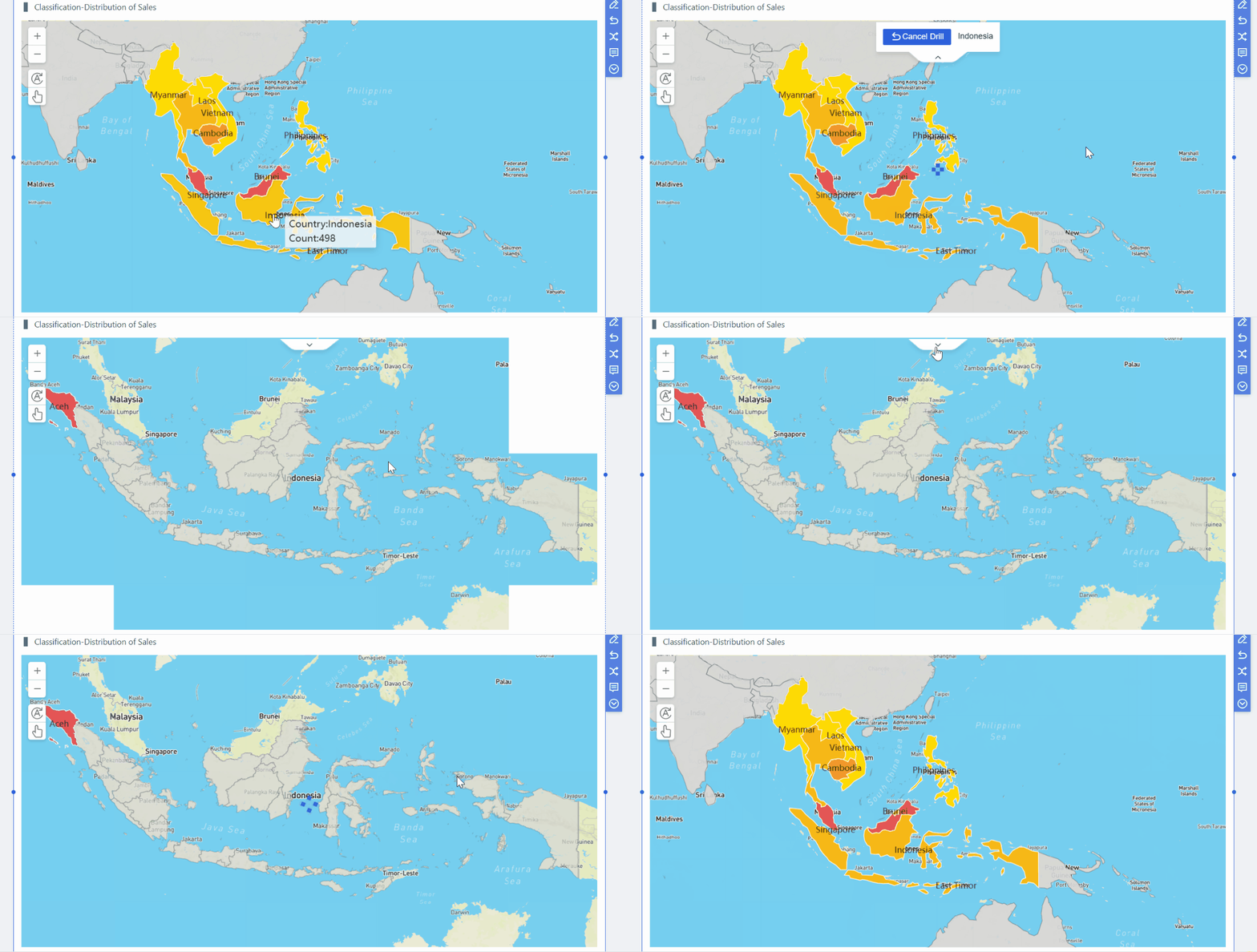
How an AI Data Agent Handles This Scenario
Once governance roles are defined, the next challenge is operational execution. Teams still need a practical way to retrieve trusted metrics, summarize changes, monitor issues, and keep stakeholders informed. This is where Dora adds significant value on top of FineBI.
For this governance scenario, the most relevant Dora digital employees are:
- Data Analyst digital employee for natural-language query, metric retrieval, and follow-up analysis
- Report Researcher for structured governance or rollout summaries
- Daily Briefing Secretary for scheduled KPI and change briefings
- Risk Alert Officer for exception monitoring, threshold breaches, and owner notification
Dora helps enterprises move from people manually searching dashboards and email threads to a governed AI workflow that can retrieve trusted BI content, summarize change impacts, push alerts, and support follow-up.
A scenario-specific chat example
A governance lead or analytics manager might ask:
“Show me all KPI definition changes made this month, list the dashboards impacted, identify any unresolved approval items, and summarize which business owners still need to confirm sign-off.”
Dora can respond with a chart-based answer or dashboard-style analysis view built on trusted FineBI assets, while respecting semantic rules and permissions.
A governed AI workflow in 6 steps
-
Retrieve trusted FineBI assets
Dora accesses the approved FineBI dashboard, analysis subject, metadata view, or governance tracking dataset related to KPI changes, access requests, or release status. -
Understand KPI definitions and semantic rules
Dora uses governed business terms, metric definitions, filters, and role-based access rules so the request maps to the right objects and approved meanings. -
Generate a chart-based answer or dashboard-style analysis view
The user receives a structured answer in chat, including impacted KPIs, workflow counts, approval status, or trend views. -
Detect anomalies or unresolved governance risks
If change volumes spike, approvals remain overdue, or threshold conditions are breached, Dora can highlight exceptions for review. -
Push summaries, alerts, or owner notifications
As a Daily Briefing Secretary or Risk Alert Officer, Dora can distribute scheduled summaries, timely alerts, and task-oriented notifications to responsible users. -
Support follow-up and meeting preparation
Dora can produce a concise summary for governance meetings, rollout checkpoints, or executive reviews, helping teams close the loop faster.
Why FineBI matters as the trusted foundation
Dora works best when FineBI has already established governed dashboards, metrics, and semantic assets. FineBI provides:
- trusted KPI definitions
- dashboard ownership and visual exploration
- reusable semantic structures
- permission-controlled access
- consistent metric and report logic
That means Dora can do more than answer generic questions. It can execute more controlled and auditable AI workflows based on trusted enterprise data assets.
This is a practical fourth-generation Agentic BI path:
- natural-language request
- trusted semantic layer
- governed query or Skill execution
- answer, chart, summary, action, and follow-up
Compared with raw prompt-only agents, this approach is better suited for enterprises because it supports permissions, semantic rules, KPI governance, data quality requirements, lower token waste, faster execution paths, and more stable workflows.
Where Dora adds real business value in governance change management
For business users:
- they get timely answers without searching multiple dashboards
- they receive scheduled updates before meetings
- they can ask follow-up questions in chat
For IT and data teams:
- they can standardize reusable governed Skills
- they reduce repetitive manual reporting and explanation work
- they maintain stronger control through governed data access and semantic logic
For executives:
- they get concrete visibility into rollout progress, risks, unresolved approvals, and policy adherence
- they can treat Dora as a landed digital employee for recurring data work, not an AI experiment
Common Pitfalls and How to Avoid Them
Even a well-designed RACI model can fail in execution. Most problems come from overcomplication, weak accountability, or poor linkage to business outcomes.
Confusing accountable with responsible
One of the most common mistakes is assigning the same delivery team to both execute and own every governance outcome. That creates decision bottlenecks and weakens leadership accountability.
Avoid this by making sure:
- Responsible means doing the work
- Accountable means owning the final decision and result
If no senior business or governance owner is accountable, adoption usually suffers.
Too many consulted stakeholders
Consultation is necessary, but too many consulted roles slow everything down. This is especially risky during report releases or AI workflow updates where timing matters.
Keep consultation targeted:
- involve only those with meaningful input
- separate optional reviewers from required approvers
- use thresholds to determine when broader review is needed
Governance framed only as control
If governance is presented as pure restriction, business teams resist it. Link governance responsibilities to clear outcomes:
- more trusted reporting
- faster issue resolution
- fewer KPI disputes
- safer AI usage
- better meeting readiness
- clearer ownership when anomalies appear
When teams see governance as operational enablement, not just control, adoption improves.
Failing to update the matrix
Organizations change. Teams are reorganized. Platforms evolve. Regulatory expectations shift. If the RACI matrix is not reviewed, it becomes inaccurate and ignored.
Review it whenever:
- new business units are added
- dashboards or AI use cases scale materially
- policy scope changes
- role ownership changes
- major incidents expose gaps
A Simple Operating Rhythm to Keep the Framework Effective
A RACI matrix only works when supported by a regular operating rhythm. This does not need to be heavy. It just needs to be consistent.
Recommend a practical governance cadence
A workable rhythm might include:
- Weekly: review pending change requests, dashboard releases, AI Skill updates, and unresolved exceptions
- Monthly: review KPI changes, access trends, policy deviations, quality issues, and adoption signals
- Quarterly: reassess governance roles, escalation paths, semantic standards, and AI workflow boundaries
- Post-implementation: run follow-up reviews after major BI releases or AI rollout phases
This cadence helps ensure decisions are made, communicated, and revisited when needed.
Use simple but effective artifacts
To make the framework operational, maintain:
- a RACI table for major workflows
- a decision log documenting key approvals and rationale
- an escalation path for unresolved or high-risk changes
- a communication plan for affected stakeholders
- a release checklist for dashboard, semantic, and AI changes
Dora can support this operating rhythm by generating scheduled summaries, highlighting overdue approvals, surfacing risk patterns, and preparing briefings for governance reviews.
A launch checklist for your governance change process
Use this checklist to launch or refine your own process:
- Identify the 10-15 governance workflows that create the most delay or risk.
- Assign one clear accountable owner for each workflow.
- Separate execution responsibility from final approval authority.
- Limit consulted roles to stakeholders with meaningful decision input.
- Define thresholds for routine versus high-risk changes.
- Document escalation rules for unresolved approvals or policy exceptions.
- Standardize KPI definitions, synonyms, filters, and metric ownership.
- Build or refine the semantic layer inside the BI workflow.
- Treat data quality as part of AI implementation, not a separate issue.
- Preserve permission governance so AI outputs respect FineBI access boundaries.
- Start Dora with high-value recurring workflows rather than trying to automate everything.
- Use human review for AI-generated reports and expand governed Skills gradually.
- Review the RACI model on a fixed cadence and after major incidents.
Actionable Best Practices
A strong raci framework data governance change management model becomes much more effective when paired with practical implementation discipline.
1. Standardize KPI definitions before scaling BI or AI
If teams disagree on what a metric means, no governance model or AI assistant will fix the trust problem. Standardize:
- metric definitions
- synonyms
- filters
- ownership
- business context
This is where FineBI’s semantic and metric modeling foundation becomes critical.
2. Build governance into the semantic layer
Do not leave governance only in policy documents. Embed business terms, data rules, and access logic into the BI workflow itself. FineBI provides the governed semantic base; Dora then uses that trusted layer to answer questions and run scenario-specific Skills more reliably.
3. Start AI with repeatable, high-value workflows
Do not try to automate every decision path at once. Start with recurring data work such as:
- weekly performance briefings
- KPI change summaries
- exception monitoring
- dashboard release notifications
- unresolved approval follow-up
This makes Dora easier to land as an AI assistant or AI digital employee with measurable operational value.
4. Define thresholds, alerts, and ownership for exception handling
AI-generated alerts are only useful when someone owns follow-up. For Dora as a Risk Alert Officer or Daily Briefing Secretary, define:
- what counts as an exception
- who receives the alert
- who investigates
- when escalation is required
- what summary should be prepared for management review
5. Keep human review in the loop for sensitive outputs
Governed AI workflows are stronger than prompt-only experiments, but they still need review where business, regulatory, or reputational impact is high. Use human validation for:
- sensitive KPI interpretation
- executive reports
- regulated access changes
- high-risk AI workflow revisions
FineBI + Dora Solution Pitch
Building this manually is complex. FineBI helps teams build trusted dashboards, metrics, and semantic assets. Dora turns those assets into an AI assistant that can answer questions in chat, generate dashboard-style analysis views, push scheduled summaries, monitor anomalies, and follow up with responsible owners.
For enterprises working on raci framework data governance change management, this combination is practical because it connects governance design with operational execution.
- FineBI is the BI foundation for dashboards, self-service analytics, metric modeling, visual exploration, and trusted semantic assets.
- Dora is the enterprise Data Agent platform that acts as an AI assistant or AI digital employee layer on top of FineBI and existing enterprise data assets.
This matters because governance success depends on more than role assignment. Teams need a system that supports trusted metrics, controlled access, repeatable workflows, and timely communication.
FineBI + Dora is not only a BI upgrade; it is a practical fourth-generation Agentic BI path. FineBI provides governed metrics and visual analysis. Dora provides the AI assistant layer for scenario execution, with more controlled Skills, lower token waste, faster execution paths, and more stable workflows than prompt-only agents.
For executives, this means scenario-level ROI: recurring work such as rollout briefing, report change explanation, quality anomaly alerting, policy exception follow-up, and owner notification can be handled more consistently.
For IT and governance teams, it means a role shift toward stronger enterprise foundations: data connections, semantic layers, data quality, permissions, governance rules, and reusable AI Skills.
For business users, it means lower friction: ask in chat, retrieve trusted answers, receive scheduled summaries, and act on timely alerts without waiting for manual report interpretation.
Get Ready-to-Use Dashboard Templates in Fine Gallery
The strongest Dora pitch is scenario + product + service: FineBI provides the trusted BI foundation, Dora provides the AI digital employee, and implementation service connects data, governance, semantic setup, Skills, and rollout.
FAQs
A RACI framework defines who is Responsible, Accountable, Consulted, and Informed for governance decisions and tasks. In BI and AI rollouts, it helps teams manage KPI changes, access approvals, semantic updates, and release communications with less confusion.