In today's business landscape, corporate social responsibility (CSR) is no longer a peripheral activity. It is a core component of corporate strategy, brand identity, and stakeholder trust. Yet, for many organizations, the process of CSR reporting remains a cumbersome, annual exercise—a scramble of spreadsheets and emails aimed solely at checking a compliance box. This is where modern CSr reporting software changes the game. The right platform transforms this obligatory process from a reactive burden into a proactive, strategic asset that drives value across your organization.
What is CSR Reporting Software?
CSR reporting software is a specialized digital platform designed to centralize the collection, management, analysis, and communication of a company’s environmental, social, and governance (ESG) performance data. Think of it as the mission control center for your sustainability initiatives. It moves CSR management beyond manual tracking in disparate systems, providing a single source of truth for all impact-related data.
This software automates the labor-intensive tasks of gathering data from across departments—from energy consumption in facilities to volunteer hours logged by HR—and structures it according to global frameworks like GRI, SASB, or TCFD. Its primary function is to streamline the creation of audit-ready reports, but its true power lies in its ability to unlock insights, enhance transparency, and turn raw data into strategic intelligence.
Why CSR Reporting Software is a Strategic Asset, Not Just a Compliance Tool
Viewing your CSR platform merely as a reporting tool is a significant missed opportunity. When implemented with a strategic mindset, it becomes a powerful engine for value creation.
From Reactive to Proactive: Shifting the Mindset
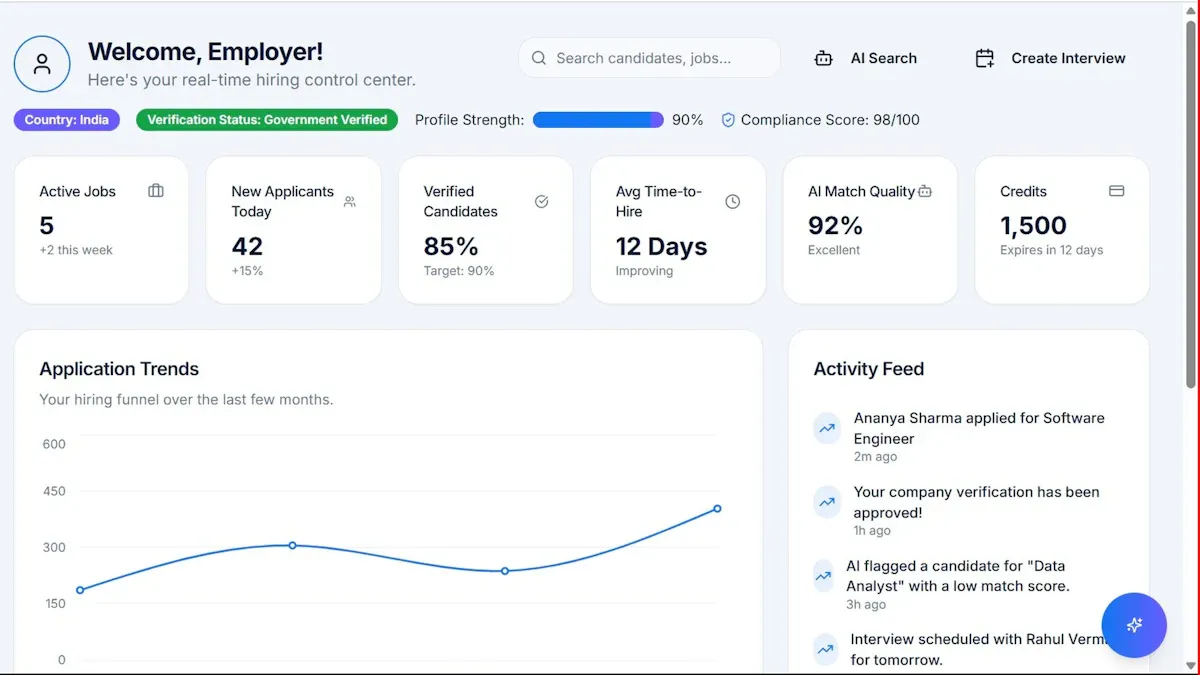
Traditional reporting is backward-looking, documenting what has already happened. Strategic CSR reporting software flips this model. It provides real-time dashboards and alerts, allowing managers to monitor key performance indicators (KPIs) continuously. This enables organizations to identify negative trends early, such as a spike in carbon emissions or a drop in supplier compliance, and take corrective action before they become larger issues or reputational risks. The shift is from simply reporting on the past to actively managing the future.
Unlocking Data-Driven Insights for Better Decisions
When CSR data is trapped in PDFs and spreadsheets, it holds little analytical value. Advanced reporting software features robust analytics and visualization tools that reveal patterns and correlations invisible to the naked eye. For instance, you might discover that employee volunteer programs in certain regions correlate strongly with improved retention rates, or that investments in energy efficiency in one plant yielded a higher ROI than anticipated. These insights empower leaders to make smarter, evidence-based decisions about where to allocate resources for maximum social and business impact.
Enhancing Brand Reputation and Stakeholder Trust
Transparency is the currency of trust in the modern economy. Investors, customers, and top talent increasingly base their decisions on a company’s demonstrated ESG performance. A sophisticated CSR platform allows you to communicate your progress authentically and dynamically. Instead of a static annual PDF report, you can share interactive dashboards, create tailored reports for different stakeholder groups, and quickly respond to inquiries with verified data. This builds credibility and strengthens your social license to operate.
Driving Operational Efficiency and Cost Savings
The automation inherent in CSR software delivers immediate bottom-line benefits. It eliminates countless hours spent manually aggregating data, chasing departments for figures, and formatting reports. This frees your sustainability and communications teams to focus on high-value strategic work. Furthermore, the data visibility provided often uncovers operational inefficiencies—excessive waste, energy waste, or supply chain risks—that, when addressed, lead to direct cost savings and risk mitigation.
Key Features to Look for in CSR Reporting Software
Not all platforms are created equal. To ensure your software functions as a strategic asset, prioritize these essential features.
Automated Data Collection and Integration
The foundation of any effective system is seamless data ingestion. Look for software that can automatically pull data from your existing enterprise systems—ERP, HRIS, facility management, supply chain databases—via APIs or pre-built connectors. This eliminates manual entry errors and ensures your CSR data is as timely and accurate as your financial data.
Robust Analytics and Visualization Tools
Data is only useful if you can understand it. The platform should offer customizable dashboards, drag-and-drop report builders, and a variety of visualization options (charts, graphs, heat maps). Advanced analytics, like benchmarking against industry peers or predictive modeling, are hallmarks of a strategic tool.
Customizable Reporting Frameworks
The global reporting landscape is complex. Your software must be adaptable, with built-in templates and guidance for major frameworks like GRI, SASB, CDP, and the UN SDGs. It should allow you to map your data against multiple standards simultaneously and easily generate different report formats for regulators, investors, and the public.
Stakeholder Engagement and Communication Modules
Reporting shouldn’t be a one-way broadcast. Leading platforms include features to foster dialogue. This could mean portals for suppliers to submit their sustainability data, modules for employees to log volunteer activities, or tools to publish interactive impact stories on your corporate website, turning your report into an engagement tool.
How to Choose the Best CSR Reporting Software for Your Organization
Selecting the right platform is a strategic decision in itself. Follow this framework to find a solution that fits both your current needs and future ambitions.
Assessing Your Current and Future Needs
Begin by auditing your existing reporting process. Where are the biggest pain points? Is it data collection, framework alignment, or stakeholder communication? Involve key teams—Sustainability, Finance, IT, Communications—to define must-have features versus nice-to-haves. Crucially, consider your growth trajectory: will you expand into new markets, add more reporting frameworks, or increase the granularity of your data?
Evaluating Vendor Support and Scalability
The software provider is as important as the technology. Assess their customer support model, implementation timeline, and training resources. Do they offer strategic consulting? Can their platform scale with you? A vendor that acts as a long-term partner is more valuable than one offering just a transactional tool.
Considering Integration with Existing Systems
The strategic value of your CSR software is directly tied to how well it integrates with your current tech stack. Prioritize platforms with a strong API and a proven track record of integrations similar to yours. Seamless integration ensures data flows automatically, maintaining integrity and saving immense time.
Calculating Total Cost of Ownership
Look beyond the initial subscription fee. Consider implementation costs, training expenses, costs for additional users or modules, and any fees for ongoing support or updates. A slightly more expensive platform that drastically reduces manual labor and delivers better insights often has a far higher ROI than a basic, cheaper option.
Implementing CSR Software for Maximum Strategic Impact
A successful rollout is critical to realizing the software's strategic potential. It’s a change management project, not just an IT install.
Building a Cross-Functional Implementation Team
Assign a project team with representatives from Sustainability, IT, Finance, Operations, and Corporate Communications. This ensures all needs are considered and fosters company-wide buy-in from the start. A senior executive sponsor can help overcome obstacles and align the project with business objectives.
Setting Clear Goals and KPIs
Before launch, define what success looks like. Set specific, measurable goals tied to the software’s use. Examples include: “Reduce time spent on annual report compilation by 50%,” “Increase data collection automation from 30% to 80%,” or “Improve stakeholder satisfaction with CSR communications by year-end.”
Training and Change Management
Resistance to new systems is natural. Develop role-based training programs to show each user group how the software makes their job easier. Communicate the “why” clearly: this tool is not about more work; it’s about enabling better, more strategic work and telling our positive impact story more effectively.
Continuous Improvement and Reporting Cycles
Treat the first reporting cycle after implementation as a learning phase. Gather feedback on what worked and what didn’t. Use the insights generated by the platform to refine your CSR strategy itself. The goal is to create a virtuous cycle where the software informs better strategy, and the evolving strategy dictates new ways to use the software.
The Future of CSR Reporting and Strategic Management
The evolution of CSR reporting software is accelerating, promising even deeper strategic integration.
The Role of AI and Predictive Analytics
Artificial intelligence will move platforms from descriptive analytics (“what happened”) to prescriptive insights (“what should we do”). AI can identify risk patterns in supply chains, suggest optimal interventions for social programs, and even draft sections of reports, allowing teams to focus on strategic oversight and storytelling.
Increasing Regulatory Complexity and Global Standards
Regulatory pressure will intensify, with more mandatory disclosure requirements (like the EU’s CSRD) and stricter assurance standards. Future-proof software will need to be incredibly agile, automatically updating to accommodate new frameworks and ensuring compliance is managed proactively rather than reactively.
CSR as a Core Driver of Innovation and Competitiveness
Ultimately, the most advanced use of CSR reporting software will be to fuel innovation. By providing a clear view of ESG performance, companies can identify areas where sustainability drives efficiency, opens new markets, or creates competitive advantage. The platform becomes the lens through which the company sees opportunities to do better business by being a better business.
Choosing the best CSR reporting software is one of the most significant strategic decisions a modern company can make. It’s the difference between treating corporate responsibility as a cost of doing business and leveraging it as a catalyst for growth, resilience, and lasting value. By selecting a platform that excels in automation, insight, and communication, and by implementing it with a focus on strategic goals, you transform the humble act of reporting into a powerful asset that drives your organization forward.
FAQs
CSR reporting software centralizes the collection, management, and analysis of a company's environmental, social, and governance (ESG) data. It automates reporting for compliance with frameworks like GRI and SASB while providing strategic insights to improve sustainability performance and stakeholder communication.