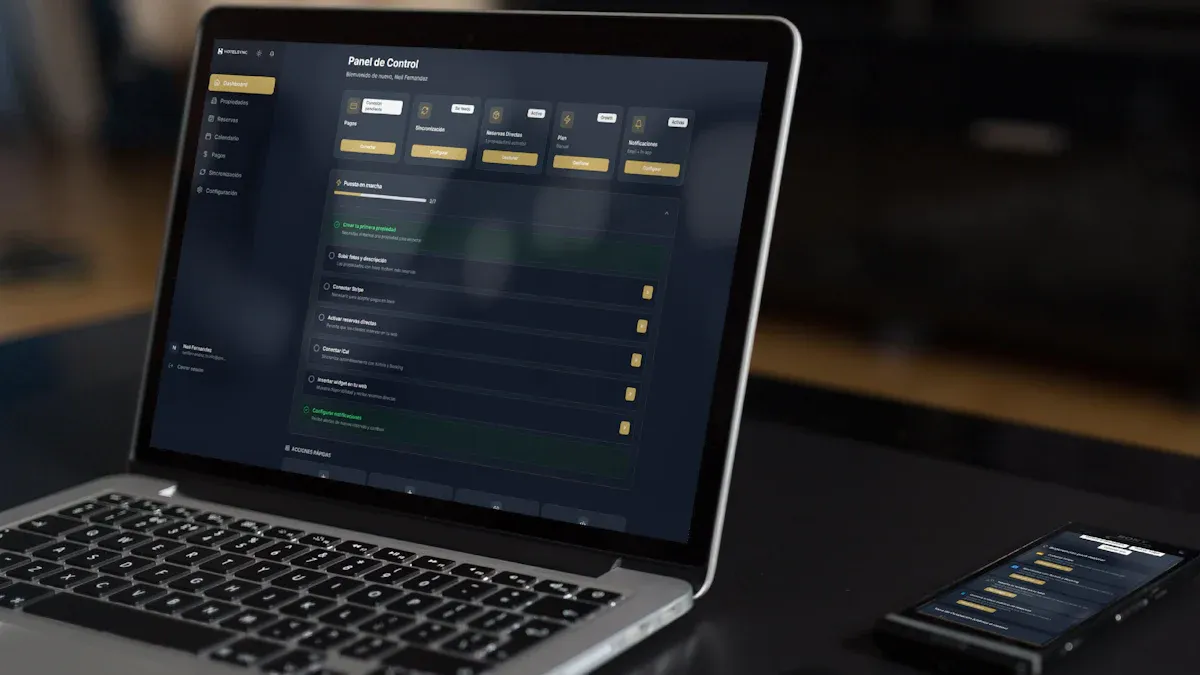

FineReport is a flexible enterprise reporting and dashboard platform that helps supply chain teams turn operational data into decision-ready insights across inventory, procurement, logistics, and performance management.
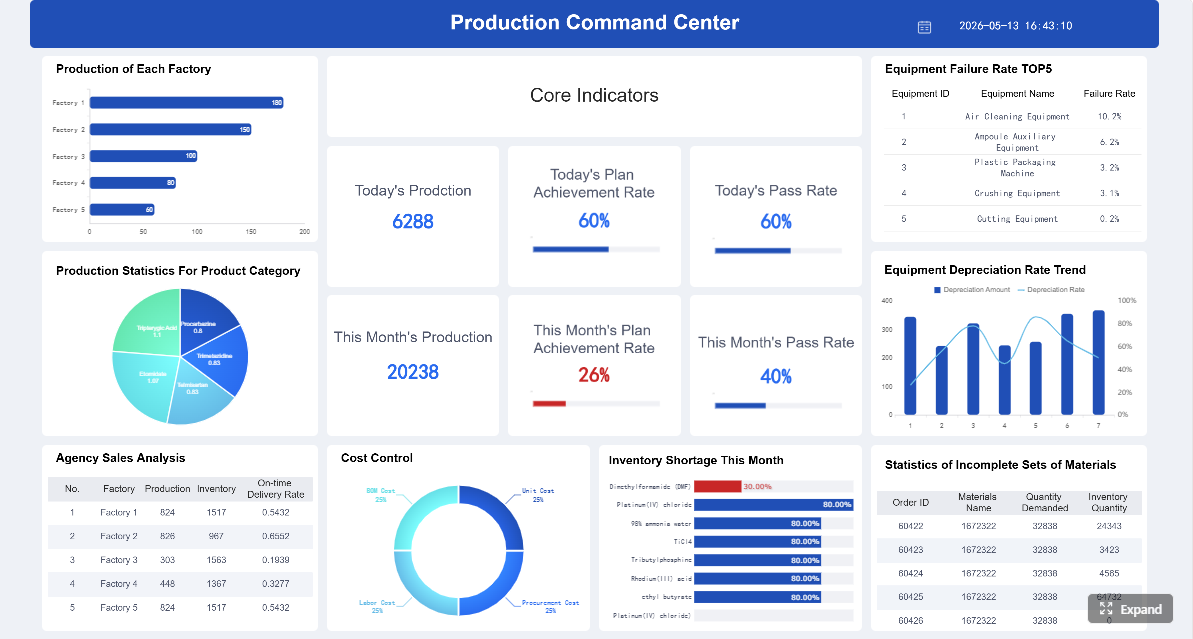 Click To Try The Dashboard
How to compare supply chain management software suppliers in 2026
Before reviewing vendors, define what matters most to your operation. The best supply chain management software suppliers are not universally “best” for every company; they are best aligned to your planning needs, execution model, data environment, and growth stage.
Use these criteria first:
- Planning depth: Do you need basic replenishment, or advanced demand sensing, scenario modeling, and S&OP support?
- Inventory visibility: Can the platform show stock positions across warehouses, stores, suppliers, and in-transit locations?
- Supplier collaboration: Do you need portals, scorecards, ASN support, document sharing, or multi-tier visibility?
- Logistics coverage: Some platforms are strong in transportation or warehouse execution, while others focus more on planning.
- Analytics and reporting: Native dashboards vary widely. Many companies also pair SCM platforms with reporting tools like FineReport to create tailored KPI dashboards, supplier scorecards, and executive-level visibility.
- Implementation speed: A broad suite may take longer to roll out, while a narrower platform may deliver value faster.
A practical buying approach is to separate must-have capabilities from nice-to-have features before speaking with vendors. For example, real-time inventory visibility, ERP integration, and forecasting may be mandatory, while AI-based optimization or digital twin modeling may be optional in phase one.
You should also compare:
- Deployment model: cloud-native SaaS, hosted cloud, or hybrid
- Integration flexibility: standard connectors, APIs, middleware support, and ERP compatibility
- User experience: planner usability, role-based dashboards, and ease of training
- Total cost over time: licensing, implementation, support, upgrades, consulting, and internal admin effort
When narrowing your shortlist, use business size and operational complexity as the primary filter. A fast-growing SMB usually needs speed, usability, and affordability. A multinational enterprise often needs deeper planning, governance, network collaboration, and multi-region support.
The 10 supply chain management software suppliers to compare
Below is a structured list of 10 supply chain management software suppliers worth comparing in 2026. Each option is summarized by planning strength, execution coverage, reporting fit, trade-offs, and ideal customer profile.
1. SAP Supply Chain Management
- One-sentence overview: SAP offers a broad supply chain suite designed for large organizations that need deep process coverage, global scale, and strong ERP alignment.
- Key Features:
- Demand planning and supply planning
- Inventory and fulfillment orchestration
- Manufacturing and logistics coordination
- Supplier collaboration and network integration
- Advanced analytics and exception monitoring
- Pros & Cons:
- Pros: Strong enterprise capabilities, deep process standardization, broad ecosystem, global scalability
- Cons: Longer implementation cycles, higher complexity, greater change management requirements
- Best For (Target user/scenario): Large enterprises with complex global operations, especially those already invested in the SAP ecosystem
2. Oracle SCM Cloud

- One-sentence overview: Oracle SCM Cloud is a comprehensive cloud suite for organizations seeking integrated planning, procurement, manufacturing, and logistics capabilities.
- Key Features:
- Demand forecasting and supply planning
- Procurement and order management
- Inventory, transportation, and warehouse support
- IoT and automation capabilities
- Embedded analytics and workflow controls
- Pros & Cons:
- Pros: End-to-end coverage, strong cloud architecture, broad enterprise functionality
- Cons: Can be resource-intensive to implement, licensing and module structure may increase costs
- Best For (Target user/scenario): Mid-market to enterprise companies that want a unified cloud suite with strong functional breadth
3. Blue Yonder

- One-sentence overview: Blue Yonder is best known for advanced planning, forecasting, retail supply chain optimization, and data-driven execution.
- Key Features:
- AI-assisted demand planning
- Inventory optimization and replenishment
- Warehouse and transportation capabilities
- Control tower visibility
- Scenario analysis and predictive insights
- Pros & Cons:
- Pros: Strong forecasting, retail and consumer goods depth, robust optimization tools
- Cons: Can be complex to configure, best value often comes with broader deployment
- Best For (Target user/scenario): Retailers, distributors, and larger operators needing stronger forecasting and fulfillment coordination
4. Kinaxis
- One-sentence overview: Kinaxis is a planning-centric platform focused on concurrent planning, rapid scenario analysis, and fast decision-making in dynamic supply environments.
- Key Features:
- Concurrent planning across demand, supply, and inventory
- What-if scenario modeling
- Exception-driven workflows
- Collaboration across planning teams
- Real-time plan updates
- Pros & Cons:
- Pros: Excellent planning agility, strong scenario modeling, responsive decision support
- Cons: Less execution-heavy than some full-suite competitors, may require complementary systems
- Best For (Target user/scenario): Manufacturers and enterprises that prioritize planning speed, agility, and cross-functional coordination
5. Infor SCM
- One-sentence overview: Infor SCM combines supply planning, logistics, and network visibility with strong relevance for distribution, manufacturing, and industry-specific use cases.
- Key Features:
- Supply chain planning and demand management
- Supplier and logistics visibility
- Warehouse and transportation support
- Industry-oriented workflows
- Operational dashboards and alerts
- Pros & Cons:
- Pros: Good balance of planning and execution, strong vertical alignment, useful network visibility
- Cons: Product scope can vary by deployment model and installed footprint
- Best For (Target user/scenario): Mid-market and enterprise firms needing industry-aware functionality with broad supply chain coverage
6. Manhattan Associates
- One-sentence overview: Manhattan Associates is especially strong in warehouse, order, and transportation orchestration for distribution-heavy and omnichannel environments.
- Key Features:
- Warehouse management
- Transportation and labor management
- Order orchestration
- Inventory visibility
- Omnichannel fulfillment support
- Pros & Cons:
- Pros: Deep execution capabilities, strong fulfillment logic, scalable for high-volume environments
- Cons: Better known for execution than end-to-end planning depth, may need other tools for advanced forecasting
- Best For (Target user/scenario): Retail, wholesale, and 3PL operations with complex fulfillment and warehouse requirements
7. E2open
- One-sentence overview: E2open focuses on connected supply chain visibility, partner collaboration, and multi-enterprise orchestration across global networks.
- Key Features:
- Supplier and partner network connectivity
- Logistics tracking and visibility
- Planning and execution coordination
- Risk monitoring and exception handling
- Multi-enterprise collaboration tools
- Pros & Cons:
- Pros: Strong ecosystem connectivity, global network value, useful for external collaboration
- Cons: Full value depends on partner participation and data quality across the network
- Best For (Target user/scenario): Enterprises managing broad supplier, carrier, and trading partner ecosystems
8. Epicor SCM
- One-sentence overview: Epicor delivers practical supply chain functionality for manufacturers and distributors that want operational control without the overhead of a massive enterprise suite.
- Key Features:
- Inventory and purchasing management
- Warehouse support
- Demand and supply coordination
- Supplier management
- Operational reporting
- Pros & Cons:
- Pros: More approachable for mid-sized businesses, good fit for operational execution, manufacturing-friendly
- Cons: Less advanced than top-tier planning platforms for highly complex global environments
- Best For (Target user/scenario): Mid-market manufacturers and distributors seeking balanced functionality and manageable complexity
9. Coupa Supply Chain Design & Planning

- One-sentence overview: Coupa stands out for supply chain design, scenario analysis, and decision modeling tied closely to sourcing and spend management.
- Key Features:
- Supply chain modeling and digital design
- What-if scenario testing
- Planning support
- Spend and sourcing alignment
- Data-driven network optimization
- Pros & Cons:
- Pros: Strong scenario planning, useful for strategic design decisions, good fit for cost and network analysis
- Cons: More specialized than broad execution suites, may need adjacent systems for warehouse and transportation execution
- Best For (Target user/scenario): Organizations focused on network design, strategic planning, and procurement-driven optimization
10. Sage Supply Chain Solutions
- One-sentence overview: Sage-oriented supply chain capabilities appeal to smaller and growing businesses that need better inventory, procurement, and operational visibility without enterprise-scale complexity.
- Key Features:
- Inventory control
- Purchasing and supplier management
- Order and stock visibility
- Financial and ERP alignment
- Standard operational reporting
- Pros & Cons:
- Pros: Simpler adoption path, suitable for growing teams, lower administrative burden
- Cons: Lighter on advanced modeling, global orchestration, and high-end control tower capabilities
- Best For (Target user/scenario): SMBs and growing mid-sized businesses that need foundational supply chain control and ease of use
A quick side-by-side snapshot of these suppliers shows clear differences in emphasis:
| Supplier | Planning | Procurement | Warehouse Support | Transportation | Forecasting | Automation | Reporting | Pricing Approach | Best Fit |
|---|---|---|---|---|---|---|---|---|---|
| SAP | High | High | Medium-High | Medium-High | High | High | High | Enterprise custom | Enterprise |
| Oracle | High | High | High | Medium-High | High | High | High | Modular enterprise | Mid-market to enterprise |
| Blue Yonder | High | Medium | High | High | Very High | High | High | Custom enterprise | Mid-market to enterprise |
| Kinaxis | Very High | Low-Medium | Low | Low-Medium | High | High | Medium-High | Custom SaaS | Enterprise planning teams |
| Infor | High | Medium-High | Medium-High | Medium-High | High | Medium-High | High | Custom | Mid-market to enterprise |
| Manhattan | Medium | Low-Medium | Very High | High | Medium | High | Medium-High | Custom | Distribution-heavy operations |
| E2open | High | Medium | Medium | High | High | High | Medium-High | Custom network-based | Enterprise networks |
| Epicor | Medium | Medium | Medium-High | Medium | Medium | Medium | Medium | Mid-market oriented | Mid-market |
| Coupa | High | High | Low | Low | Medium-High | Medium-High | Medium | Custom modular | Strategic planning and sourcing |
| Sage | Low-Medium | Medium | Low-Medium | Low | Low-Medium | Low-Medium | Medium | SMB-friendly | SMB |
What each supplier is best known for
When comparing supply chain management software suppliers, it helps to focus on what each vendor is most recognized for rather than assuming every suite is equally strong across every category.
Planning and forecasting strength
The strongest vendors in planning and forecasting tend to be:
- Kinaxis for concurrent planning and rapid scenario response
- Blue Yonder for demand forecasting and inventory optimization
- SAP and Oracle for enterprise-wide planning depth
- Coupa for network design and strategic scenario analysis
If forecast accuracy and supply balancing are your top priorities, these vendors usually belong near the top of the shortlist.
End-to-end visibility and control tower capabilities
For visibility across trading partners, shipments, supply signals, and exceptions, the most relevant options are often:
- E2open
- Infor
- Blue Yonder
- Oracle
- SAP
These platforms are generally stronger when your goal is to create a more connected operational view across procurement, logistics, and fulfillment.
ERP connectivity and ecosystem depth
ERP alignment matters because poor data flow can undermine even the best planning engine.
- SAP is strongest for SAP-centric enterprises
- Oracle fits naturally in Oracle-heavy environments
- Infor and Epicor can be attractive when aligned to their broader application footprints
- Sage works best where operational simplicity and finance integration matter more than deep orchestration
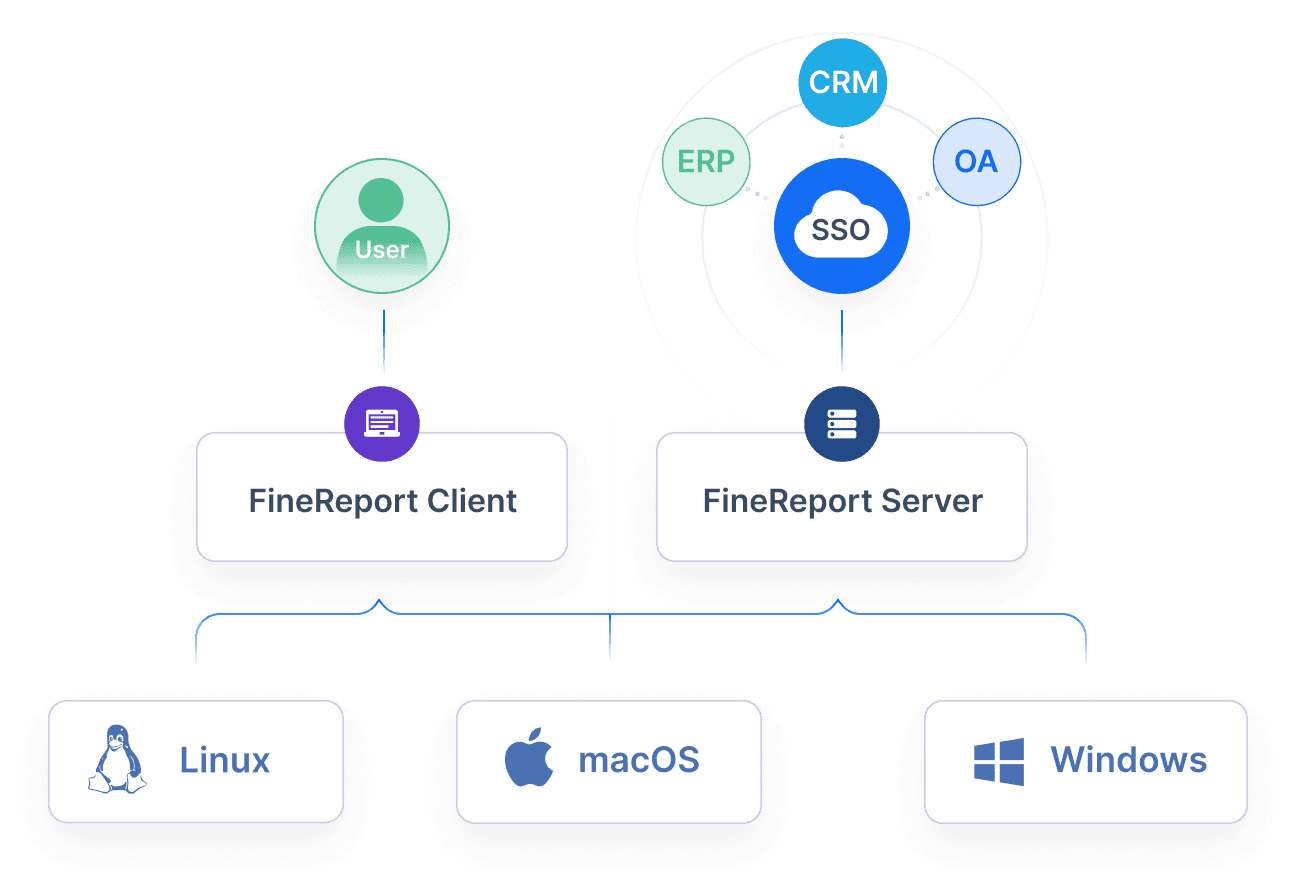
This is also where FineReport can add value. Even when ERP and SCM data live in multiple systems, FineReport can help unify reporting views for procurement, inventory turnover, supplier performance, fill rate, forecast bias, and OTIF metrics.
Ease of rollout, usability, and time to value
For faster rollout and lower organizational friction, buyers often gravitate toward:
- Epicor
- Sage
- Selected Infor deployments
- Narrower-scope implementations of larger suites
By contrast, platforms like SAP, Oracle, and Blue Yonder may produce broader long-term value but often demand more process design, internal alignment, and implementation discipline.
Common trade-offs buyers should expect
Every SCM platform involves trade-offs. Buyers should expect the following patterns:
- Broader suites may require more implementation time and change management.
- This is common with SAP and Oracle, where functional breadth is high but rollout complexity can increase.
- Simpler tools may be faster to deploy but lighter on advanced modeling or global scale support.
- This is often the case with SMB-oriented or mid-market platforms.
- Industry-specific strengths can improve fit, but may limit flexibility for unusual workflows.
- A retail-optimized system may not translate cleanly to a mixed manufacturing-distribution model.
Another common trade-off is reporting. Some SCM suites have strong built-in dashboards, but many organizations still want customized operational analytics. That is why companies often pair operational systems with FineReport for tailored dashboards, management cockpits, exception reports, supplier scorecards, and mobile KPI tracking.
Features that matter most in supply chain management platforms
Beyond brand recognition, the real comparison should center on capabilities that affect service levels, working capital, responsiveness, and execution quality.
Demand planning and forecasting accuracy
Forecasting is still one of the most important differentiators among supply chain management software suppliers. A capable planning layer should support:
- Statistical forecasting
- Demand trend analysis
- Promotion or seasonality adjustments
- Forecast versioning
- Planner overrides with traceability
- Scenario-based recalculation
The key question is not whether a platform has forecasting, but whether it improves planning confidence enough to reduce stockouts and excess inventory.
Inventory optimization and replenishment controls
Inventory capabilities should go beyond basic stock monitoring. Look for:
- Safety stock logic
- Reorder recommendations
- Multi-location inventory balancing
- Allocation rules
- Service-level targeting
- Exception alerts for shortages or overstock
For growing businesses, better replenishment rules can generate faster ROI than more advanced features like digital twins.
Order management, procurement, and supplier collaboration
Strong order and supplier workflows help reduce delays and improve coordination. Valuable capabilities include:
- Purchase order management
- Supplier confirmations
- ASN and shipment visibility
- Vendor scorecards
- Contract or sourcing integration
- Workflow routing for approvals and exceptions
This area matters especially for businesses with long lead times, multi-supplier sourcing, or frequent inbound variability.
Warehouse, transportation, and fulfillment coordination
Execution features matter most when operational complexity rises. Important functions include:
- Warehouse task management
- Picking, packing, and shipping coordination
- Carrier and route visibility
- Transportation planning
- Delivery status tracking
- Returns and fulfillment exception handling
If warehouse and transportation execution are core needs, Manhattan, Blue Yonder, Oracle, and SAP often warrant closer review.
Scenario modeling, exception management, and workflow automation
Modern SCM platforms increasingly differentiate through decision support. Look for:
- What-if simulations
- Constraint-based planning
- Exception queues
- Automated alerts
- Workflow triggers
- Rules-based approvals
These features help teams respond faster to demand shifts, supplier delays, and logistics disruptions.
Dashboards, KPI reporting, and predictive insights
Operational data is only useful when teams can act on it. Good SCM reporting should support:
- Inventory turnover
- Fill rate and service level
- OTIF performance
- Purchase order aging
- Forecast accuracy
- Backorder and shortage visibility
- Supplier lead time performance
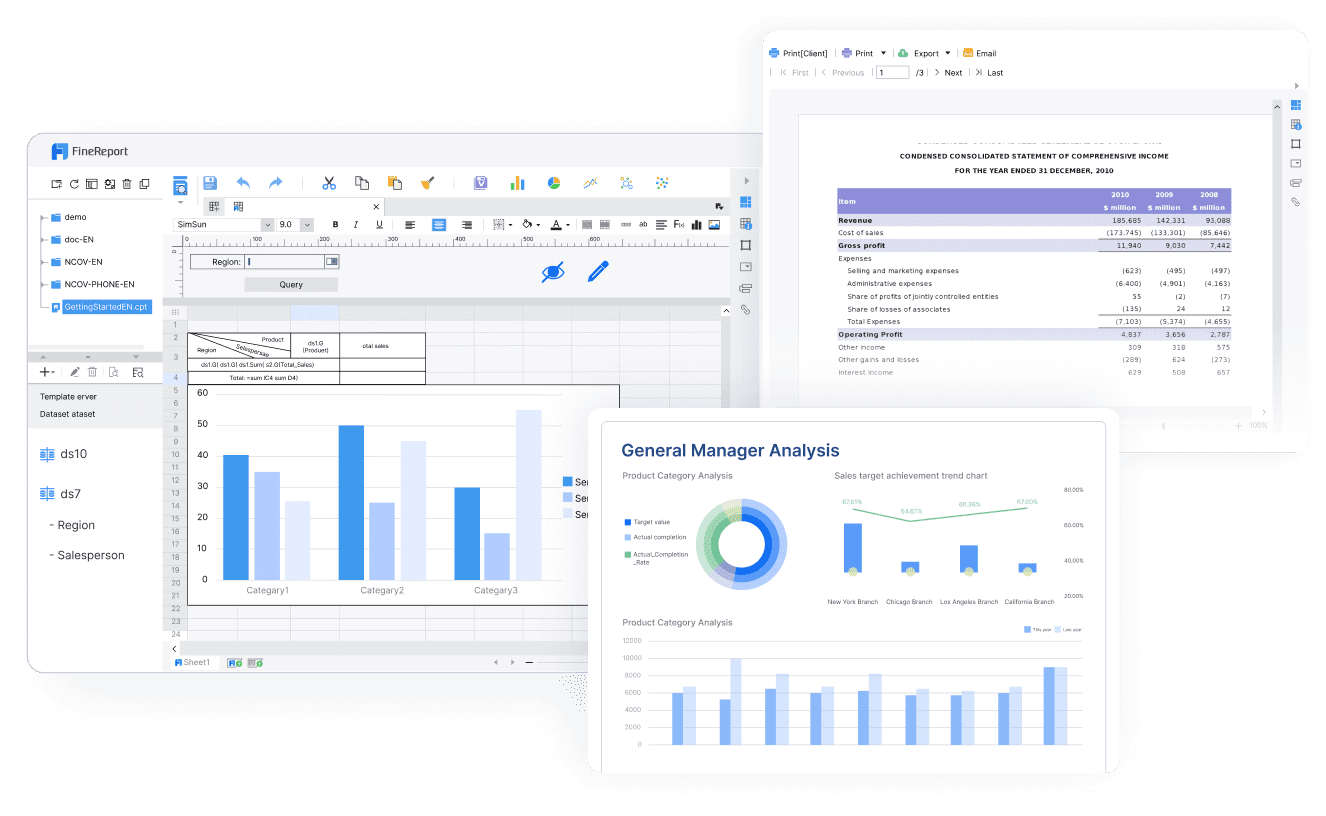
Native reporting quality varies widely. If you need more flexible dashboard design, drill-down analysis, or cross-system reporting, FineReport is worth considering as a reporting layer alongside your SCM stack. It is particularly useful for companies that want custom supply chain dashboards without being limited by standard reports.

Integration, data quality, and system architecture
A platform can look impressive in demos and still fail if data integration is weak.
Connections to ERP, CRM, eCommerce, marketplace, and carrier systems
Review how each vendor handles integration with:
- ERP platforms
- CRM systems
- eCommerce platforms
- Marketplaces
- WMS and TMS systems
- Carrier feeds
- Supplier systems
Ask whether these connections are standard, partner-built, or fully custom.
Master data consistency and real-time visibility across functions
Even the best supply chain management software suppliers depend on clean data. Review how the platform manages:
- Item master consistency
- Supplier records
- Unit of measure alignment
- Location hierarchies
- Lead time assumptions
- Event timestamps
Weak master data can distort forecasts, inventory positions, and procurement decisions.
API readiness, customization limits, and upgrade path considerations
You should also test architectural flexibility:
- Are APIs mature and well-documented?
- How much customization is allowed?
- Will custom logic create upgrade friction?
- Is the platform configurable by internal admins or dependent on consultants?
These issues directly affect long-term agility and cost.
Security, scalability, and support considerations
Operational software must also meet governance and support expectations.
User permissions, compliance needs, and audit readiness
Check for:
- Role-based access controls
- Approval traceability
- Change logs
- Audit trails
- Compliance support relevant to your industry
This matters more as procurement, supplier, and inventory processes become more regulated.
Ability to support multi-site, multi-region, and multi-entity operations
Scalability is not just about transaction volume. It also means supporting:
- Multiple warehouses
- Regional business rules
- Multi-currency environments
- Intercompany workflows
- Different tax or compliance models
A system that fits today but cannot support expansion may become expensive to replace later.
Vendor onboarding, training resources, customer support, and partner ecosystem
Support quality can influence time to value as much as product functionality. Review:
- Implementation methodology
- Training materials and certification
- Customer success model
- Support responsiveness
- Regional partner coverage
Also consider your reporting needs post-go-live. Many teams use FineReport to speed up user adoption because it gives executives, planners, and operations managers more intuitive dashboards than default system outputs.
Best fit by business size: SMB, mid-market, and enterprise
Not every business should buy the same class of supply chain software. The right fit depends on team size, process maturity, IT resources, and operating complexity.
Match software complexity to actual business requirements. Overbuying enterprise functionality can slow adoption, raise cost, and create unnecessary administrative burden.
Best fit for small and growing businesses
Small and scaling companies should usually prioritize:
- Ease of use
- Fast implementation
- Lower admin burden
- Affordable pricing
- Better visibility into inventory, purchasing, and fulfillment
The most practical options in this segment are often:
- Sage
- Epicor
- Smaller-scope Infor deployments
These tools are generally better suited to improving execution and visibility without heavy customization. SMBs can also benefit from using FineReport for management dashboards if they need clearer purchasing, inventory, and order reporting than their core system provides.
Best fit for mid-market operations
Mid-market companies often need a balance between robust capability and manageable rollout complexity. Priorities usually include:
- Better forecasting
- Workflow automation
- Cross-functional visibility
- Stronger integration depth
- Scalable warehouse and procurement processes
Vendors frequently suited to this range include:
- Epicor
- Infor
- Oracle
- Blue Yonder in selected cases
The right choice depends on whether your pain points are planning-heavy, execution-heavy, or integration-heavy.
Best fit for enterprise supply chains
Enterprise supply chains typically require:
- Global scale
- Advanced planning
- Scenario analysis
- Governance and audit controls
- Multi-system orchestration
- Supplier network collaboration
The strongest candidates are often:
- SAP
- Oracle
- Blue Yonder
- Kinaxis
- E2open
These vendors are better positioned to support complex supplier networks, regional operating models, and high-volume decision-making across distributed teams.
How to make the final choice with confidence
A strong final decision process should be structured, evidence-based, and tied to your own workflows rather than vendor marketing.
Start with a weighted scorecard that reflects:
- Operational priorities
- Budget constraints
- Rollout timeline
- Internal IT capacity
- Required integrations
- Short-term vs long-term needs
Request demos built around real supply chain scenarios, not generic tours. For example, ask vendors to show:
- A supplier delay and how the system flags it
- A replenishment exception and how it is resolved
- A forecast adjustment and downstream impact
- A warehouse or fulfillment bottleneck and the reporting available
This is also the right stage to evaluate analytics. If dashboard flexibility is critical, ask whether standard reports are enough or whether a platform like FineReport will be needed to build custom KPI views for planners, procurement leaders, warehouse managers, and executives.
Validate support quality and implementation approach before moving forward. A technically strong vendor can still be a poor fit if onboarding is weak or rollout ownership is unclear.
In most cases, the best next step is to end with a shortlist of two to four vendors for deeper evaluation, pilot testing, or stakeholder review.
Questions to ask during demos and trials
Use practical questions that reveal real fit:
- How quickly can the system be configured for your current workflows?
- Which features require extra modules, implementation services, or third-party tools?
- What reporting, forecasting, and visibility gaps remain after implementation?
- How does the vendor handle growth, process change, and integration expansion over time?
You should also ask:
- What does phase one include versus later phases?
- How are forecasting assumptions maintained and audited?
- What happens when master data quality is inconsistent?
- Can dashboards be customized by business users, or is IT support required?
The best supply chain management software suppliers are the ones that match your operational reality, not just your future wish list. Compare vendors by business size, complexity, implementation readiness, and reporting fit. If you want stronger analytics across any of these platforms, FineReport can be a valuable companion for building supply chain dashboards, performance reports, and decision-making views that are easier to adapt as your operation grows.
FAQs
Start by matching vendors to your operational complexity, budget, and rollout speed rather than choosing the biggest name. SMBs often benefit from easier deployment and lower admin overhead, while enterprises usually need deeper planning, governance, and global support.