Poor vendor data creates real operational pain. Procurement cannot onboard suppliers quickly, AP struggles with payment errors and duplicate invoices, compliance teams face audit gaps, and leadership gets unreliable spend visibility. In many enterprises, the vendor master is not just an administrative file. It is a control point that affects purchasing speed, payment accuracy, fraud prevention, tax reporting, and supplier relationships.
That is why vendor master data management best practices should be treated as both a data discipline and an operating model. Procurement needs a trusted vendor record to support sourcing and purchasing. AP needs clean remit-to and banking data to pay correctly. Compliance needs evidence, screening, and auditability. And increasingly, teams also need an AI assistant upgrade to reduce manual lookup, reporting, exception monitoring, and follow-up.
With FineBI + Dora, business users can ask for analysis in chat, generate chart-based answers or dashboard-style views from trusted BI assets, and receive scheduled summaries before the next meeting. Instead of manually pulling supplier onboarding backlogs, duplicate trends, or bank-change exceptions from multiple systems, teams can use governed Agentic BI to retrieve trusted metrics, summarize issues, and push alerts to responsible owners.
Click To Try The Dashboard
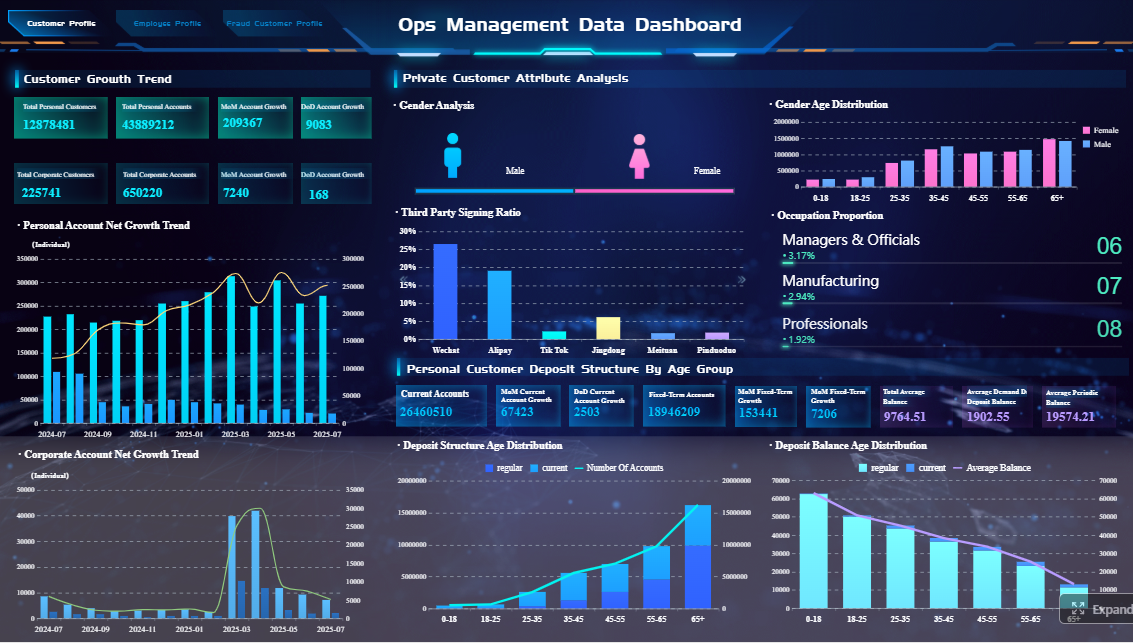
All dashboards in this article are built with FineBI
What vendor master data management best practices solve for procurement and AP
Vendor master data sits at the center of procurement, accounts payable, sourcing, tax, compliance, and supplier operations. When records are incomplete, inconsistent, or duplicated, the damage spreads across the enterprise.
A supplier may be created twice under slightly different names. One version holds valid banking details, another has outdated remit-to data. AP pays the wrong record, payment is delayed, and the supplier escalates. Meanwhile, sourcing analysis overstates supplier count, compliance cannot confirm tax documentation, and internal audit finds weak change controls.
This is why vendor master data problems are not isolated data hygiene issues. They are operational and financial risks.
Common consequences of poor vendor data include:
Payment delays: Missing or inconsistent payment terms, remit-to addresses, or banking details slow invoice processing.
Duplicate records: The same vendor appears multiple times due to naming differences, legacy migrations, or local workarounds.
Compliance risk: Missing tax forms, sanctions checks, registration documents, or audit evidence expose the business to regulatory and control failures.
Fraud exposure: Weak approval processes for sensitive updates, especially bank account changes, create avoidable risk.
Weak spend visibility: Fragmented supplier data reduces confidence in category analysis, contract compliance, and consolidation opportunities.
Supplier frustration: Vendors are asked repeatedly for the same information, and issue resolution becomes slow and inconsistent.
What does “good” look like in practice? A strong vendor master contains records that are:
Accurate: Data reflects the current legal and operational reality.
Complete: Required fields and supporting documents are present.
Standardized: Naming, formatting, and classifications follow clear rules.
Governed: Changes are controlled, approved, and traceable.
Usable: Records support downstream procurement, payment, reporting, and risk processes.
For executives, the value is clear: better controls, fewer errors, and stronger ROI from procurement and AP operations. For IT and data teams, the mission shifts from fixing records one by one to building trusted data pipelines, semantic definitions, and reusable governance logic. For business users, the benefit is simpler access to timely vendor insights without chasing spreadsheets or waiting for custom reports.
Build a vendor master file that supports operations and controls
A practical vendor master file must serve two goals at once: operational usability and control integrity. If it is too loose, errors multiply. If it is too rigid without business logic, users bypass it. The best design balances required structure with process-aware governance.
Define the core vendor record structure
The vendor master record should capture the information needed for procurement execution, AP processing, compliance validation, and reporting. The exact model varies by industry and ERP landscape, but most enterprises need a clear baseline.
Core fields often include:
Legal entity name
Doing-business-as name, if applicable
Tax identifiers
Business registration details
Supplier ID / unique internal identifier
Remit-to address
Physical address
Payment terms
Banking data
Currency
Contact details
Category or commodity classification
Country and region
Tax form status
Sanctions screening status
Risk attributes
Parent-child hierarchy
Diversity or certification attributes, where relevant
Active/inactive status
Effective and review dates
A useful way to reduce creation errors is to classify fields into three groups:
Mandatory fields
These are required before a vendor can be created or activated.
Examples:
Legal entity name
Tax identifier
Country
Remit-to details
Payment terms
Vendor type
Required tax form
Screening status
Conditional fields
These are required only when certain conditions apply.
Examples:
VAT details for specific jurisdictions
Banking fields for electronic payment methods
Insurance certificates for certain service vendors
Diversity certification for reporting programs
Parent-company mapping for group suppliers
Optional fields
These may support enrichment and future analysis but are not always needed for activation.
Examples:
Secondary contacts
Alternate addresses
Notes for relationship management
Supplemental segmentation tags
This structure reduces ambiguity at onboarding and improves downstream reporting accuracy.
Standardize data entry rules and naming conventions
Many duplicate and low-quality records begin with small formatting inconsistencies. A vendor may be entered as “ABC Ltd,” “A.B.C. Limited,” or “ABC LIMITED.” If standards are weak, systems and users treat these as different entities.
Define and publish rules for:
Address formats
Legal suffix handling
Abbreviations
Phone and email formats
Tax ID structure
Bank field formatting
Country and state codes
Contact naming conventions
Required supporting documents
Where possible, use controlled values rather than free text. Dropdowns, reference tables, validation logic, and pattern checks reduce manual variation. This is especially important across ERP, procurement, AP automation, and supplier portal environments.
Standardization also improves AI usability later. Dora performs better when business terms, supplier status definitions, and KPI rules are consistent and governed.
Prevent duplicates and inactive record sprawl
Duplicate prevention must happen both before record creation and during ongoing stewardship. It is not enough to run a one-time cleanup.
A practical duplicate strategy includes:
Pre-creation fuzzy matching on legal name, address, tax ID, bank data, and contact fields
Review queues for suspected duplicates
Rules for when records should be merged versus linked as parent-child entities
Periodic duplicate scans across source systems
Clear ownership for duplicate resolution decisions
Inactive record sprawl is another common issue. Enterprises often keep one-time vendors, obsolete suppliers, and region-specific legacy records active long after use ends. This increases search friction and control risk.
Set policies for:
Inactive status triggers based on no activity over a defined period
Archiving versus deactivation rules
Review of one-time vendors
Retention requirements for audit and regulatory needs
Reactivation steps with validation before reuse
A cleaner active vendor population improves onboarding efficiency, reporting accuracy, and AP control performance.
Create a practical governance framework for vendor master data
Strong vendor master data management best practices depend on governance that works in day-to-day operations. Governance should not be a theoretical committee exercise. It should define who does what, which controls apply, and how exceptions are handled.
Assign ownership across procurement, AP, and data stewards
Vendor master governance usually fails when everyone touches the data but nobody clearly owns the process. A practical model separates responsibilities across request, review, creation, approval, maintenance, and audit.
Data stewards or master data team: creates and maintains records according to standards and workflow rules
Compliance or risk teams: perform sanctions, registration, and policy checks
Internal controls or audit: review control design, evidence, and exceptions
Business owners: sponsor supplier relationships and confirm operational need
Segregation of duties is especially important for:
New vendor creation
Bank detail changes
Tax identifier changes
Manual exceptions
Emergency requests
No single user should request, approve, and complete a high-risk change alone.
Design workflows for onboarding and change management
Vendor onboarding and updates should follow workflow rules that match risk and business urgency. A low-risk update to a contact phone number should not require the same path as a bank account amendment.
Design workflows for:
New vendor requests
Existing vendor extensions to new business units or regions
Address changes
Tax form updates
Banking changes
Name or legal entity changes
Reactivation of inactive suppliers
Duplicate merge requests
Each workflow should define:
Required evidence
Approval steps
Review responsibilities
Service levels
Escalation paths
Exception handling rules
Audit logging requirements
For example, bank account changes should require validated documentation, dual review, and a traceable approval record before activation.
Embed controls for compliance and fraud prevention
Vendor master controls are a frontline defense against fraud and compliance failures. The most mature organizations design controls directly into the workflow rather than relying only on manual detective reviews later.
Important controls include:
Tax form verification
Sanctions and watchlist screening
Business registration validation
Bank account validation
Dual review for sensitive changes
Role-based access to sensitive fields
Audit trails for every record change
Evidence retention for approvals and supporting documents
These controls matter because vendor data often contains high-risk attributes. A simple bank detail update can have direct payment consequences. A missed tax or registration check can become an audit issue. Good governance reduces both accidental errors and intentional misuse.
Improve data quality with ongoing stewardship and measurement
Vendor master data quality is not fixed at go-live. It must be monitored, measured, and improved over time. Stewardship creates the discipline needed to sustain standards as supplier bases grow and systems change.
Monitor the right vendor master data quality metrics
The most useful metrics connect data quality to operational outcomes. Track a small set consistently and review trends by business unit, source system, and process step.
Key metrics include:
Completeness rate: Share of vendor records with all required fields populated. Business value: Highlights whether records are usable for procurement, AP, and compliance. AI use:Dora can retrieve completeness trends by region or vendor type, summarize root causes, and include them in scheduled briefings.
Duplicate rate: Percentage or count of suspected and confirmed duplicate vendor records. Business value: Reduces duplicate payments, fragmented spend, and reporting distortion. AI use:Dora can compare duplicate trends over time, flag spikes, and route exception summaries to data stewards.
Onboarding cycle time: Average time from request submission to active vendor creation. Business value: Supports faster sourcing and fewer operational delays. AI use:Dora can answer chat queries about bottlenecks, break cycle time down by approval step, and generate a chart-based answer.
Exception volume: Number of requests requiring rework, missing documents, or policy exceptions. Business value: Exposes process friction and control gaps. AI use:Dora can monitor exception categories and push periodic summaries to procurement and AP leads.
Invalid payment rate: Payments delayed, rejected, or returned due to vendor master issues. Business value: Directly connects data quality to AP performance and supplier experience. AI use:Dora can surface payment-related data issues and identify recurring root causes.
Inactive supplier percentage: Share of active records with no recent activity. Business value: Helps reduce record sprawl and improve search quality. AI use:Dora can identify inactive clusters by entity, category, or region for stewardship review.
Establish a recurring cleansing and review cadence
Ongoing stewardship should follow a formal cadence rather than ad hoc cleanup. This keeps high-risk records from drifting out of compliance.
A practical review cadence often includes:
Monthly checks for duplicate candidates and failed validations
Quarterly reviews of high-risk vendors and sensitive attributes
Semiannual audits of inactive records and one-time suppliers
Annual refreshes of critical compliance documentation
Event-based review after acquisitions, ERP migrations, or policy changes
High-spend and high-risk suppliers should receive deeper review. Critical fields such as tax status, bank details, remit-to addresses, and legal entity mapping deserve more frequent validation than low-risk descriptive fields.
Use automation to support scale without losing control
Automation can improve scale, but it should reinforce governance, not bypass it. The best approach automates repeatable checks while preserving human review for high-risk actions.
Useful automation patterns include:
Duplicate matching and suspect record alerts
Required-field validation
Controlled workflow routing
Document completeness checks
Bank and tax validation integrations
Service-level monitoring
Exception notifications
Scheduled data quality summaries
This is also where enterprise AI becomes practical. Rather than just showing dashboards, teams can use an AI assistant to retrieve trusted metrics, summarize issues, and guide follow-up actions based on governed data assets.
How an AI Data Agent Handles This Scenario
For vendor master governance, the most relevant Dora digital employees are usually the Risk Alert Officer, Data Analystdigital employee, and Daily Briefing Secretary.
A typical scenario looks like this: the AP manager wants to know whether bank account changes increased this month, which business units are driving onboarding delays, and whether duplicate vendor risk is rising before month-end close. Normally, that requires multiple reports from ERP, workflow tools, and AP systems. With FineBI + Dora, the manager can ask in chat and receive a governed, chart-based answer built on trusted BI assets.
Example chat query:
“Show me this month’s vendor onboarding cycle time, duplicate record exceptions, and bank-detail change volume by business unit. Highlight the top risks and prepare a summary for the AP controls meeting.”
Here is how the AI workflow can work in practice:
Retrieve trusted FineBI dashboard or analysis-subject data. FineBI provides the governed metrics, dashboards, and semantic assets for vendor onboarding, duplicate management, payment exceptions, and control activity.
Understand KPI definitions, filters, and business terms. Dora interprets terms like “duplicate exception,” “onboarding cycle time,” “sensitive change,” and “business unit” using the trusted semantic layer rather than guessing from raw prompts.
Generate a chart-based answer or dashboard-style analysis view in chat.
Users get trend charts, breakdowns, exception tables, and a concise explanation without manually searching across dashboards.
Detect abnormal changes or threshold breaches.
If bank-detail change volume spikes or a business unit exceeds the target onboarding SLA, Dora can identify the abnormal pattern based on governed rules.
Push alerts, summaries, and follow-up tasks to responsible users.
The Risk Alert Officer can notify AP control owners or data stewards, while the Daily Briefing Secretary can prepare a scheduled summary before the weekly controls meeting.
Produce follow-up summaries for management review. Dora can generate a meeting-ready recap: what changed, which KPIs breached thresholds, and where teams should investigate next.
This matters because Dora is not a generic chatbot. It is an enterprise Data Agent layer designed for governed AI workflow execution. It uses business permissions, trusted KPI definitions, and Skills-based logic to produce more controllable and auditable outputs.
Dora works best when the BI foundation is trusted. FineBI supplies that foundation by organizing:
governed dashboards
semantic business terms
KPI definitions
permission boundaries
reusable analysis subjects
visual exploration assets
That means Dora can answer questions like “Which suppliers failed tax documentation review last quarter?” or “Which regions have the highest vendor setup rework?” based on governed data, not loose prompt interpretation.
Dora value in this use case
In vendor master governance scenarios, Dora improves execution by enabling:
Natural-language data query over trusted BI assets
Chat-based AI assistant access for procurement, AP, and control teams
Chart-based answers and dashboard-style analysis views
Scheduled summaries for weekly control meetings
Anomaly alerts for duplicate spikes or sensitive change volume
Push notifications to responsible owners
Follow-up summaries for management review
For executives, this makes recurring control work more scalable. Dora is not an AI experiment. It is a practical digital employee for repeatable data work such as vendor onboarding briefings, sensitive change monitoring, duplicate exception follow-up, and AP control reporting.
For IT teams, the role becomes more strategic. Instead of manually producing every report request, IT can strengthen data connections, semantic definitions, quality rules, permissions, and reusable agent Skills.
For business users, the value is lower friction. They can get timely metrics, summaries, and exceptions through chat without waiting for analysts or hunting across multiple dashboards.
Connect vendor master data management to procurement efficiency and ROI
Vendor master data management best practices are not just about control hygiene. They drive measurable procurement and finance performance.
Enable better purchasing and supplier performance decisions
Trusted vendor data improves sourcing analysis because teams can group spend correctly, compare suppliers accurately, and see contract leakage more clearly. It also supports better supplier segmentation by risk, category, geography, and strategic importance.
Downstream benefits include:
Better contract compliance analysis
Cleaner supplier consolidation opportunities
More accurate three-way matching support
Fewer invoice processing delays
Better spend reporting and category visibility
Stronger supplier performance analysis
When the master record is trusted, procurement can make decisions with confidence rather than arguing over data quality first.
The business case should connect governance investment to operational efficiency and control outcomes. Common value areas include:
Fewer duplicate records and duplicate payment risks
Faster vendor onboarding
Lower rework volume
Fewer payment failures caused by bad vendor data
Reduced fraud exposure from stronger sensitive-change controls
Improved audit readiness
Better spend visibility for sourcing savings
Avoid vague promises. Focus on baseline metrics the organization already understands: cycle time, exception rates, payment errors, duplicate volume, and inactive record reduction.
Start with a phased roadmap
A phased roadmap is more practical than a broad redesign of everything at once.
A good sequence is:
Current-state assessment of data, workflows, controls, and systems
Policy and standard design
Pilot process for a selected business unit or supplier tier
This also creates a strong foundation for AI adoption. Once FineBI dashboards and semantic assets are stable, Dora can be introduced into high-value recurring workflows such as onboarding briefings, duplicate monitoring, and risk alerting.
1. Standardize KPI definitions, synonyms, filters, and metric ownership
If procurement, AP, and compliance define the same metric differently, reporting will stay contested. Agree on what counts as onboarding cycle time, duplicate record, invalid payment, sensitive change, and inactive vendor. This also improves Dora’s ability to answer chat requests consistently.
2. Build a semantic layer inside the BI workflow
A semantic layer is not optional if you want governed Agentic BI. FineBI should hold trusted KPI definitions, vendor hierarchies, business terms, and permission-aware analysis subjects. Dora can then retrieve and explain metrics without relying on fragile prompt-only interpretation.
3. Treat data quality as part of the AI implementation
AI will not fix weak vendor data by itself. If bank details, tax identifiers, vendor statuses, or ownership mappings are unreliable, AI outputs will inherit those weaknesses. Data quality rules, stewardship, and semantic setup should be part of the rollout plan.
4. Start with high-value recurring workflows instead of automating everything
Choose scenarios that happen repeatedly and already consume manual effort, such as weekly onboarding backlog reviews, monthly duplicate exception reporting, or sensitive-change monitoring. This provides better landing capability than feature-only agent comparisons.
5. Preserve permission governance and use human review for sensitive outputs
Vendor data often contains restricted financial and identity information. Dora outputs should respect FineBI access boundaries. Use human review for AI-generated reports tied to high-risk changes, fraud controls, or external audit evidence, then expand Skills gradually as confidence grows.
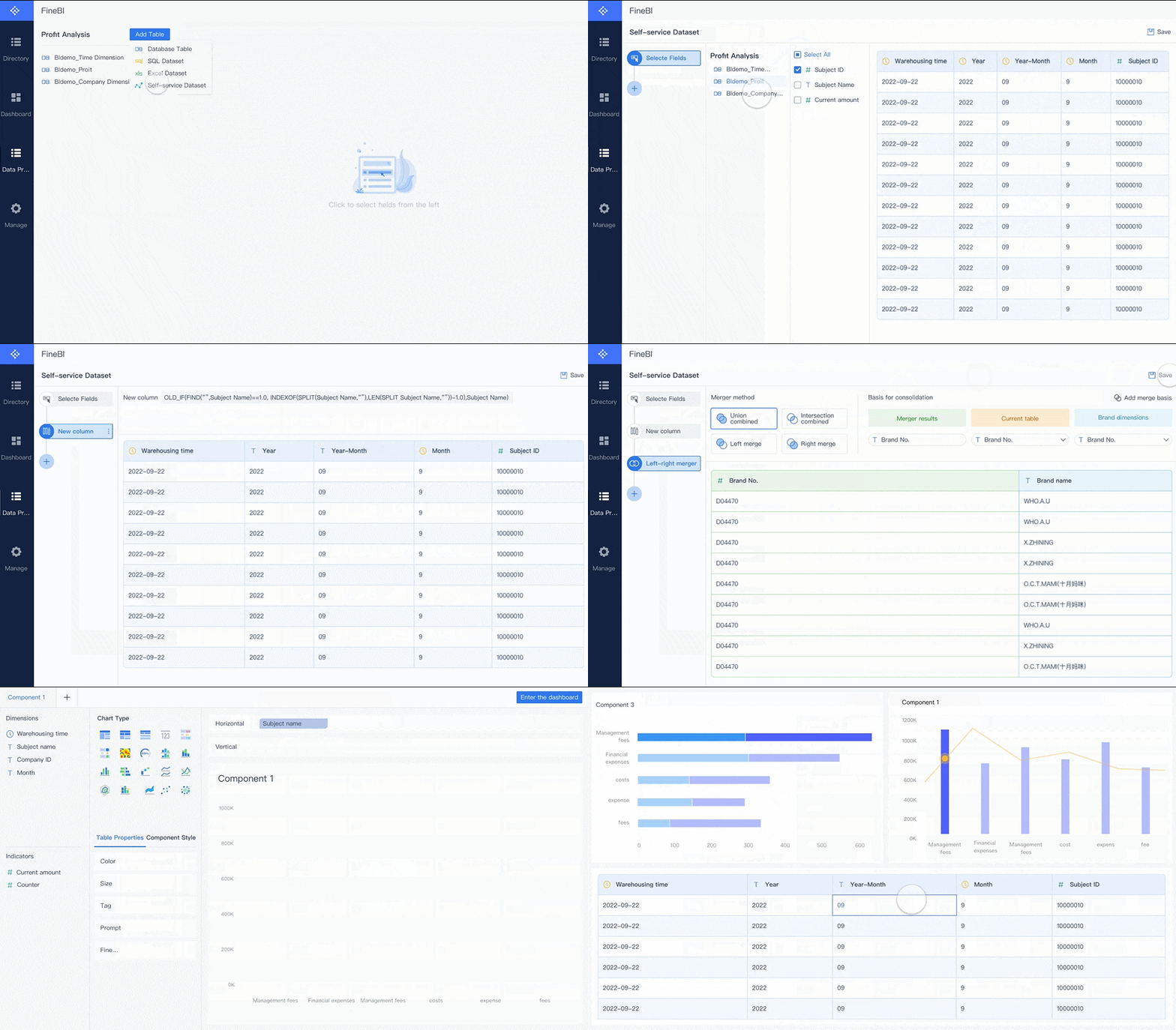
Building this manually is complex. FineBI helps teams build trusted dashboards, metrics, and semantic assets. Dora turns those assets into an AI assistant that can answer questions in chat, generate dashboard-style analysis views, push scheduled summaries, monitor anomalies, and follow up with responsible owners.
For vendor master governance, that means one platform combination can support:
Vendor onboarding dashboards
Duplicate and inactive record monitoring
AP exception analysis
Sensitive change tracking
Scheduled governance briefings
Exception push notifications
Chat-based metric retrieval for procurement and finance users
FineBI + Dora is not only a BI upgrade; it is a practical fourth-generation Agentic BI path. FineBI provides governed metrics and visual analysis. Dora provides the AI assistant layer for scenario execution, with more controlled Skills, lower token waste, faster execution paths, and more stable workflows than prompt-only agents.
Get Ready-to-Use Dashboard Templates in Fine Gallery
The strongest Dora pitch is scenario + product + service: FineBI provides the trusted BI foundation, Dora provides the AI digital employee, and implementation service connects data, governance, semantic setup, Skills, and rollout.
If your organization wants to improve vendor master data management best practices in a way that actually lands, start with a governed dashboard and workflow foundation, then add the AI layer where recurring analysis and follow-up consume the most time. That is how procurement, AP, and control teams move from static reporting to practical, enterprise-ready Agentic BI.
Vendor master data management is the process of creating, maintaining, and governing accurate supplier records across procurement, accounts payable, and compliance workflows. It matters because poor vendor data leads to payment errors, duplicate records, slower onboarding, audit issues, and weak spend visibility.
A strong vendor master record usually includes the legal entity name, supplier ID, tax details, remit-to address, payment terms, banking data, contact details, classification, and compliance status. Many organizations also track risk attributes, hierarchy, review dates, and active or inactive status.
Companies reduce duplicates by enforcing standard naming rules, using unique internal identifiers, validating key fields during onboarding, and reviewing possible matches before creating a new supplier. Ongoing monitoring and periodic cleansing also help catch near-duplicates that slip through.
Vendor master data should be reviewed on a scheduled basis, with higher-risk fields such as bank details, tax forms, and compliance documentation checked more frequently. Many teams combine periodic audits with event-based reviews when critical data changes occur.
The most important controls include clear data ownership, role-based access, approval workflows for sensitive updates, required field validation, and complete audit trails. Strong governance should also cover onboarding, updates, deactivation, and reactivation so records stay trusted over time.
Product Trial
FineReport
Pixel-perfect reports · Interactive dashboards · Easy data entry · Digital twins