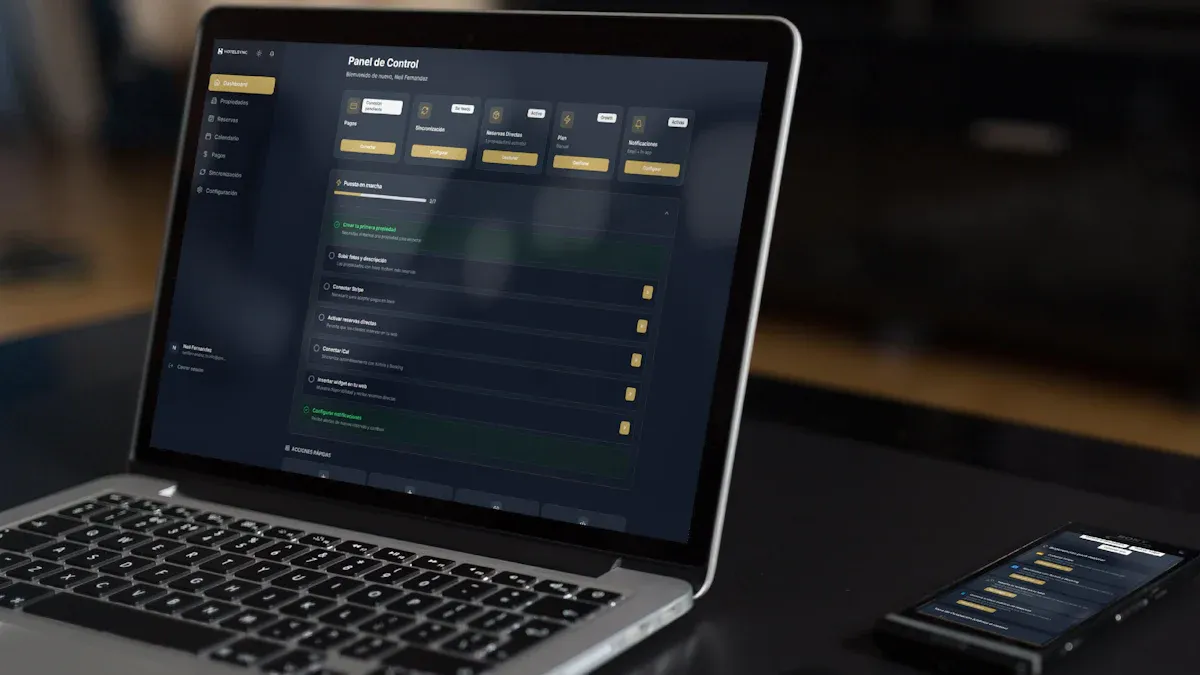

If your analytics environment depends on reliable dashboards, stable data pipelines, and trusted reporting, then data warehouse management is not optional. It is the operating discipline that keeps the warehouse useful, secure, cost-aware, and aligned with business needs.
For IT managers, the question is not just what is data warehouse management but also how to manage it in a way that supports both classic BI and the next step: AI-assisted analytics. With FineBI + Dora, business users can ask for analysis in chat, generate chart-based answers or dashboard-style views from trusted BI assets, and receive scheduled summaries before the next meeting. That only works well when the underlying warehouse, metrics, and governance are properly managed.
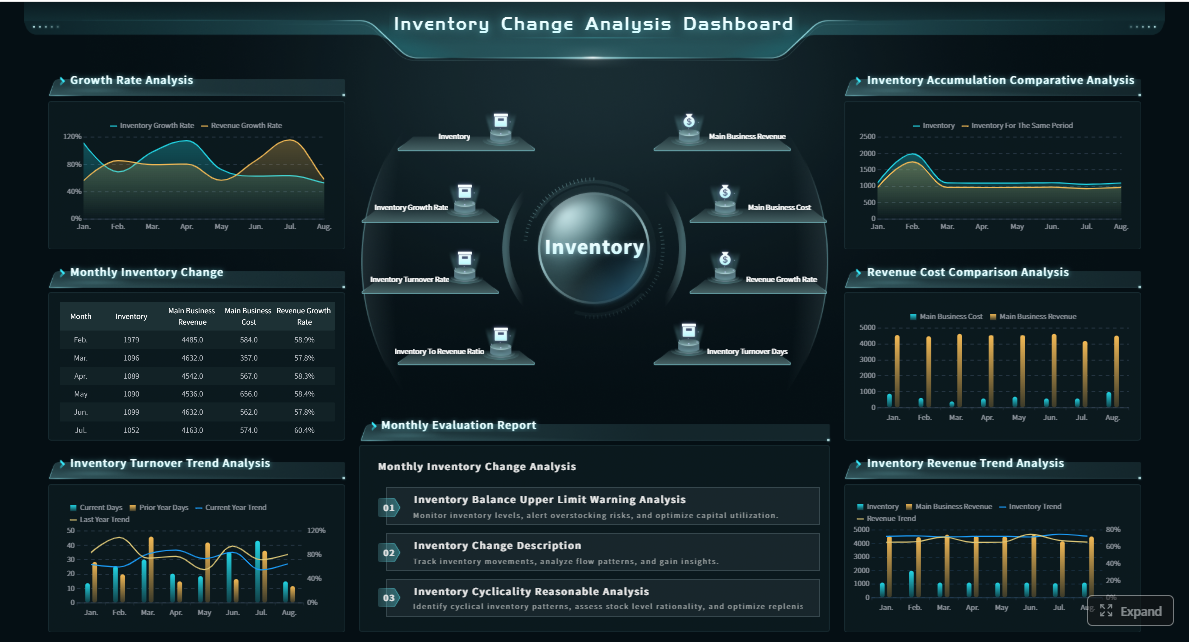 Click To Try The Dashboard
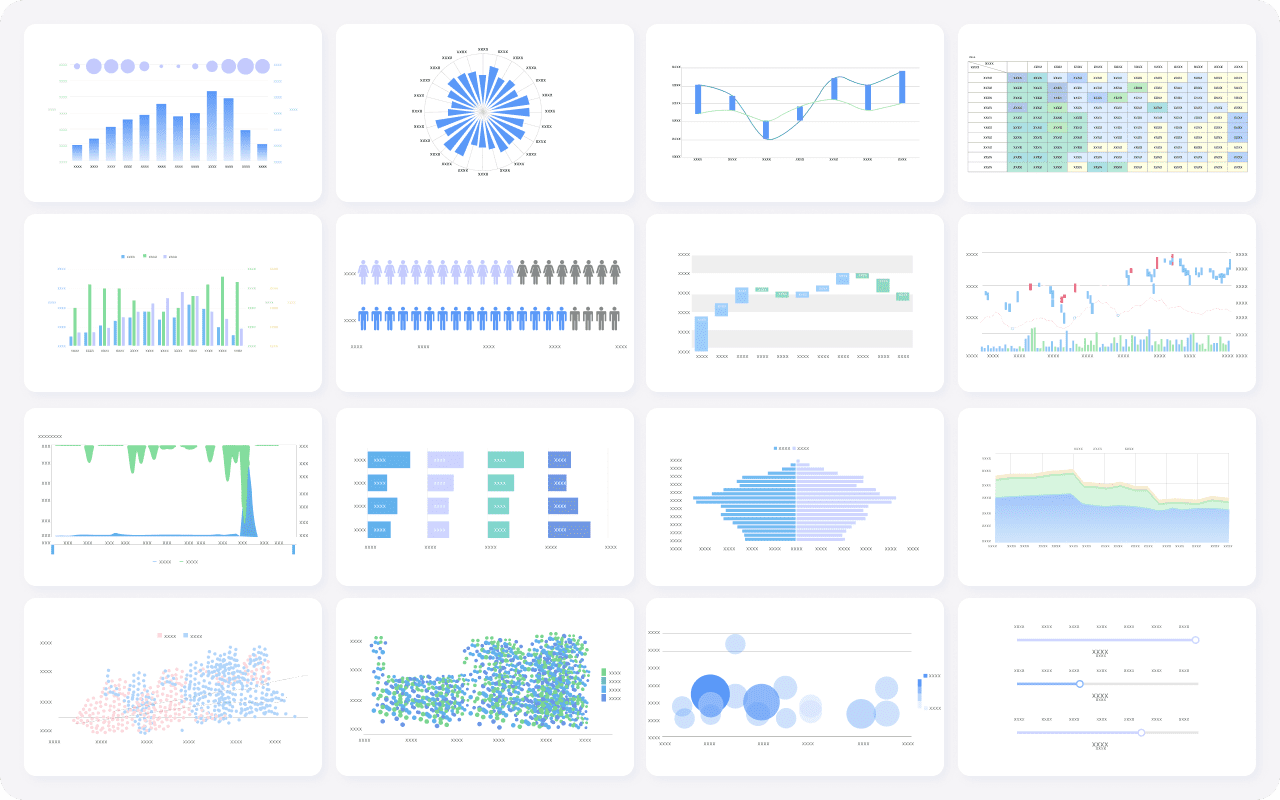
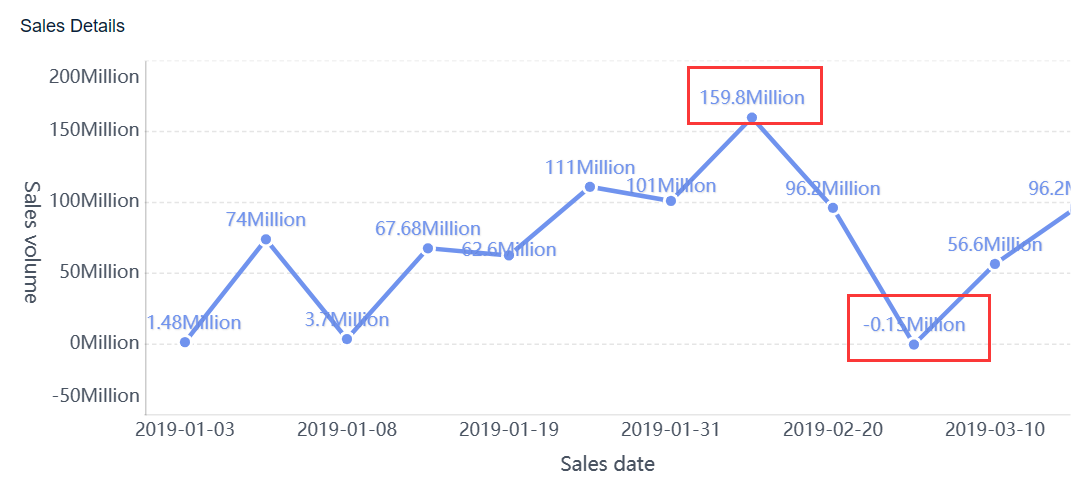
All dashboards in this article are built with FineBI
What Is Data Warehouse Management?
Data warehouse management is the ongoing practice of operating, governing, optimizing, and improving a data warehouse so it consistently delivers trusted data for reporting, analysis, and decision-making.
In plain language, it means making sure the warehouse is not just built, but actually works well over time. That includes keeping data accurate, loads stable, costs controlled, users properly authorized, and business definitions consistent.
For IT managers, this matters because the warehouse often becomes the foundation for:
- executive dashboards
- finance and operations reporting
- self-service analytics
- cross-functional KPI tracking
- AI-assisted insight delivery
Management is not the same as building or hosting
Many teams treat the warehouse as a project: select a platform, connect source systems, model tables, and publish reports. But management starts after the initial launch.
Building focuses on implementation. Hosting focuses on infrastructure availability. Data warehouse management is broader and more operational. It covers the day-to-day and month-to-month controls needed to keep analytics reliable as data volume, user demand, and business complexity grow.
A managed warehouse includes:
- clear ownership and operating procedures
- repeatable data quality checks
- controlled changes to schemas and pipelines
- performance monitoring and tuning
- security, permissions, and audit readiness
- documentation and issue resolution processes
Why it matters for business outcomes
When data warehouse management is done well, the business gets more than a functioning database. It gets a dependable analytics foundation.
Key outcomes include:
- Trusted reporting: Business users stop debating which number is correct.
- Controlled growth: New data sources and use cases can be added without chaos.
- Stronger governance: Access, definitions, lineage, and quality are easier to manage.
- Better decision support: Dashboards, reports, and AI assistants work from governed, trusted data.
This is also where FineBI + Dora becomes practical. FineBI provides the trusted dashboard, metric, and semantic foundation. Dora, as an enterprise Data Agent, turns that governed foundation into a scenario-specific AI assistant that can retrieve metrics, summarize trends, push alerts, and support follow-up workflows. Without disciplined warehouse management, that AI layer becomes harder to trust and scale.
Core Functions of Data Warehouse Management
Data warehouse management spans technical operations, governance, and service delivery. IT managers need a framework that covers the full lifecycle.
Data integration and quality control
A warehouse is only as useful as the data flowing into it. Management begins with making sure source data is ingested, transformed, validated, and standardized in a repeatable way.
What this includes
- source system connectivity
- ETL or ELT orchestration
- transformation rules
- schema mapping
- deduplication
- validation checks
- exception handling
- reconciliation across systems
When multiple systems define customers, orders, products, or regions differently, data warehouse management helps enforce consistency. That is what allows downstream reports and BI dashboards to reflect the same business logic.
Why IT managers should care
If integration rules are weak, every dashboard becomes suspect. Analysts build workarounds, teams create duplicate extracts, and trust declines.
With proper quality control, IT can support:
- consistent KPI calculation
- more reliable dashboard refreshes
- reduced rework for analysts
- cleaner handoff to business intelligence tools
- more accurate inputs for AI-assisted analysis
KPI examples for this area
-
Data freshness: How current loaded data is versus expected update timing.
Business value: Helps users trust that decisions are based on timely information.
AI use: Dora can retrieve freshness status through chat, flag overdue loads, and include update status in scheduled briefings. -
Data quality pass rate: Percentage of records or jobs passing validation rules.
Business value: Highlights whether business users can rely on reported figures.
AI use: Dora can compare quality results against thresholds and notify owners when failure patterns appear. -
Source reconciliation variance: Difference between warehouse totals and source totals for critical datasets.
Business value: Reduces reporting disputes and audit risk.
AI use: Dora can summarize variance exceptions and prepare a chart-based answer for IT review meetings.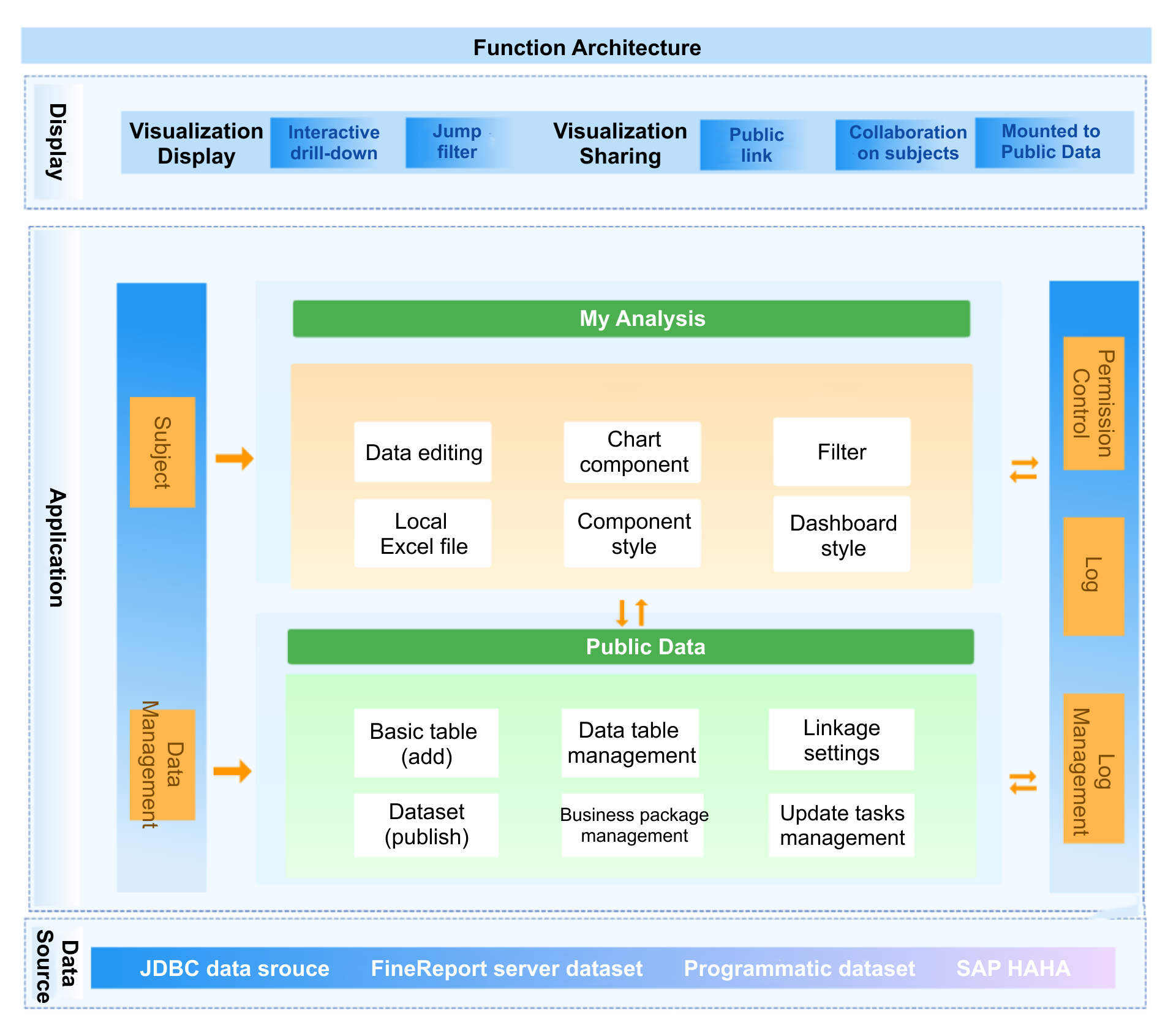
Performance, storage, and cost oversight
A warehouse may be technically available but still fail users if queries are slow, storage grows unpredictably, or costs escalate without control.
What this includes
- query performance tuning
- indexing or partition strategy
- workload balancing
- concurrency planning
- storage tiering
- retention and archival policies
- usage monitoring
- cloud cost review
IT managers should think beyond system uptime. They need to understand how business usage patterns affect resource consumption and whether the platform can support more dashboards, users, and data volume without degrading service.
Why this matters
A slow warehouse affects everyone:
- executives wait longer for reports
- analysts avoid governed datasets and build shadow files
- dashboard adoption drops
- cloud spending rises because inefficiency gets masked by scaling up
KPI examples for this area
-
Average query response time: Time required for common analytical queries to return results.
Business value: Directly affects user productivity and trust in the analytics platform.
AI use: Dora can retrieve trend data for response times and summarize periods of degradation for platform reviews. -
Storage growth rate: Month-over-month increase in warehouse storage use.
Business value: Supports capacity planning and cost control.
AI use: Dora can include storage growth in weekly IT briefing summaries and highlight abnormal increases. -
Cost per active analytics user: Platform cost relative to real usage.
Business value: Helps justify investment and identify waste.
AI use: Dora can generate management-ready summaries that combine spend, usage, and adoption trends.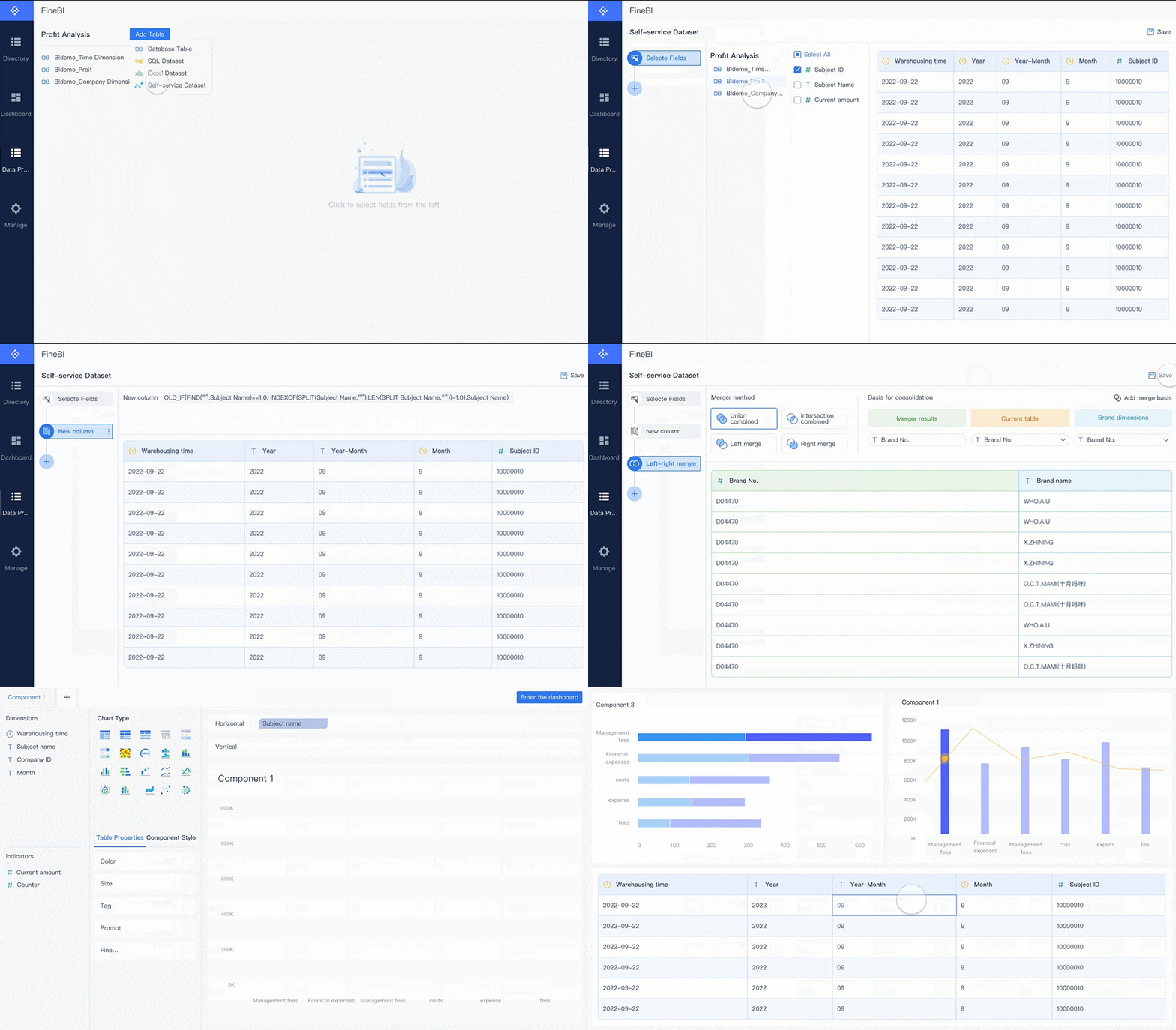
Security, governance, and access management
A data warehouse often contains sensitive financial, operational, employee, or customer data. Management must include strong governance and controlled access.
What this includes
- role-based access models
- row-level or column-level permissions
- audit logs
- data classification
- masking policies
- compliance support
- stewardship assignments
- approval workflows for access changes
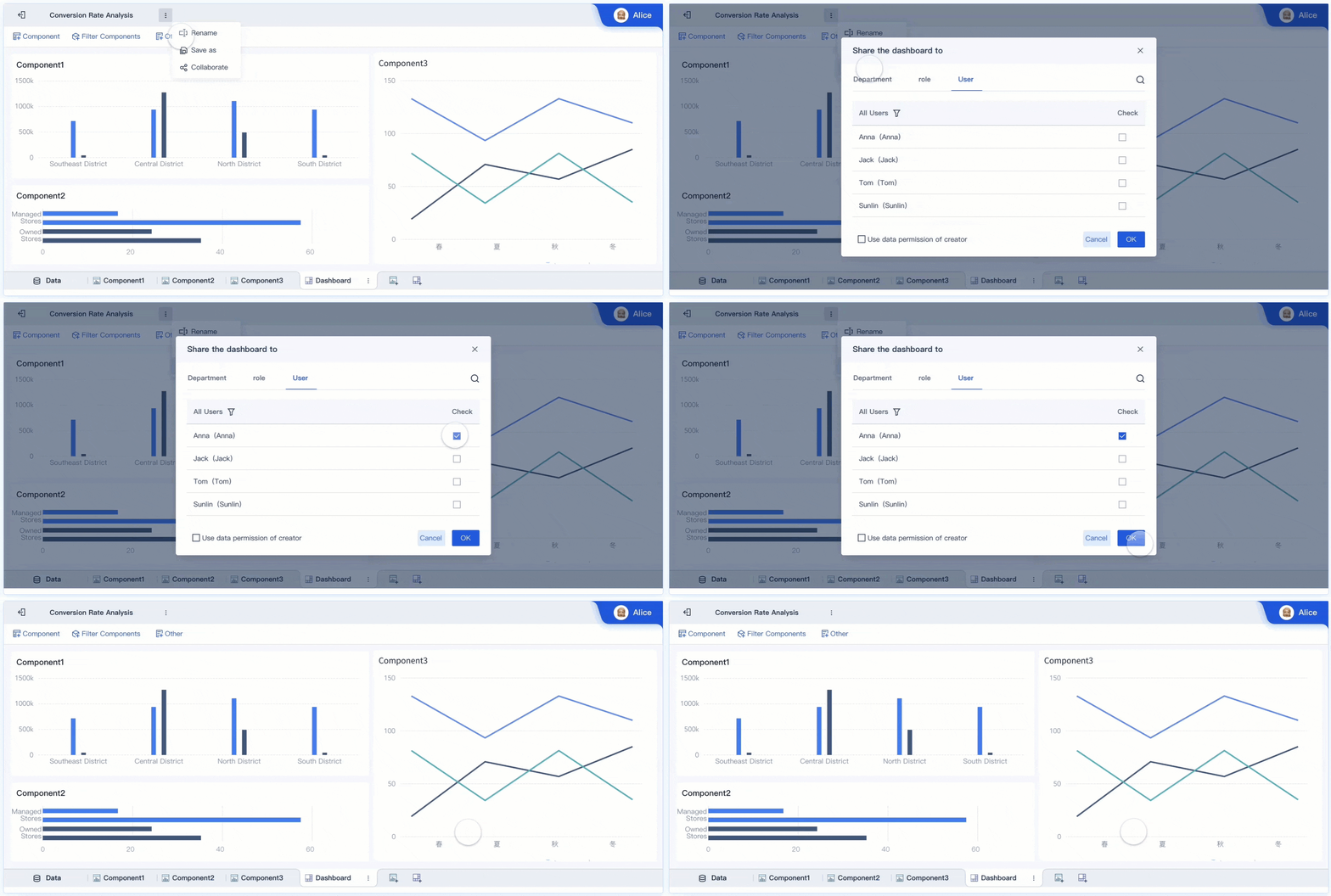
This is also where the relationship between the warehouse, BI, and AI becomes critical. FineBI relies on governed metrics and permissions to deliver trusted dashboards and self-service analytics. Dora builds on that same governed foundation, so AI outputs can respect semantic rules, KPI definitions, and access boundaries rather than exposing uncontrolled responses.
Why governance matters
Without governance:
- users see conflicting KPI definitions
- sensitive data is overshared
- audits become painful
- AI use cases become risky
- trust in enterprise analytics declines
KPI examples for this area
-
Access review completion rate: Percentage of scheduled permission reviews completed on time.
Business value: Reduces security risk and improves accountability.
AI use: Dora can remind owners of pending reviews and summarize overdue access tasks. -
Policy exception count: Number of unresolved governance or access exceptions.
Business value: Shows where risk is accumulating.
AI use: Dora can push exception summaries to governance leads and support follow-up actions. -
Certified metric coverage: Share of critical KPIs with approved definitions and ownership.
Business value: Improves reporting consistency across teams.
AI use: Dora can use trusted FineBI semantic assets to answer business questions with governed KPI logic.
Operations, monitoring, and change management
Even a well-designed warehouse fails without disciplined operations. Management must cover daily execution, incident response, release control, and documentation.
What this includes
- job scheduling
- dependency monitoring
- alerting
- incident triage
- rollback planning
- testing and validation
- release coordination
- runbooks and documentation
This function turns a warehouse into a managed service rather than a fragile collection of scripts and dashboards.
Why it matters
For IT managers, operational maturity means fewer surprises and faster recovery when something breaks. It also improves coordination between data engineering, BI teams, and business stakeholders when changes are introduced.
KPI examples for this area
-
Pipeline success rate: Percentage of scheduled jobs completed successfully.
Business value: Reflects operational reliability.
AI use: Dora can monitor failed-job summaries and provide a daily exception digest. -
Incident resolution time: Average time needed to restore service after an issue.
Business value: Measures responsiveness and resilience.
AI use: Dora can compile incident trends and produce a meeting-ready summary for service improvement reviews. -
Change failure rate: Percentage of releases causing defects or rollback events.
Business value: Indicates whether platform change is controlled.
AI use: Dora can help create periodic release health summaries from trusted operational metrics.
Why IT Managers Need a Management Framework
A warehouse without a management framework usually works for a while, then becomes harder to trust and harder to scale.
A defined operating model reduces reporting errors because data ownership, validation, and release discipline are clear. It reduces platform sprawl because users are less likely to build side systems when the governed environment is responsive and credible.
A useful framework should define:
- who owns platform reliability
- who owns data quality by domain
- what service levels apply to critical datasets
- how incidents are escalated
- how changes are approved and tested
- how stakeholders review metrics and priorities
For IT managers, this is not bureaucracy. It is what creates scalability and resilience. As analytics demand expands into self-service BI, operational dashboards, and AI-assisted workflows, unmanaged growth causes instability.
This is also the bridge to enterprise AI adoption. Dora is not an AI experiment. It is a landed digital employee for recurring data work such as weekly KPI briefings, report generation, exception monitoring, and owner follow-up. But that only lands well when warehouse management, semantic setup, permissions, and data quality are already treated as operational priorities.
IT's role also changes in this model. Instead of manually fulfilling every reporting request, IT can focus on optimizing data connections, semantic layers, governance, quality, and reusable agent Skills that support more controlled and auditable AI workflows.
How to Build a Governed Analytics Foundation
A governed analytics foundation starts with management discipline, not just tooling. The right operating model makes both BI and AI use cases easier to launch and sustain.
Establish standards and ownership
Every important part of the warehouse should have an owner. That includes the platform itself, major data domains, KPI definitions, and key analytical outputs.
Common roles include:
- Platform owner: Responsible for warehouse performance, security, and service reliability.
- Data engineers: Manage pipelines, transformations, testing, and deployment.
- Analysts or BI developers: Build governed datasets, dashboards, and business-facing logic.
- Business stakeholders: Validate definitions, usage priorities, and exception thresholds.
- Data stewards: Support quality monitoring, metadata discipline, and policy alignment.
When ownership is vague, recurring issues never really get fixed. When ownership is clear, teams can prioritize improvements and resolve disputes faster.
Prioritize data governance from the start
Governance is not a final-layer control added after dashboards are already live. It should shape how data is modeled, documented, and approved.
Focus on:
- metadata standards
- business glossary and KPI definitions
- lineage tracking
- quality thresholds
- retention and archival rules
- sensitive data handling
- access approval procedures
This governance layer is especially important for FineBI + Dora. FineBI can provide trusted semantic assets, governed metrics, and reusable dashboards. Dora can then act on top of those assets through natural-language query, chart-based answers, scheduled summaries, and governed AI workflow execution.
Choose metrics that reflect platform health
IT managers need a small but meaningful metric set to monitor the warehouse as a service.
Recommended platform health metrics include:
-
Freshness: Are critical datasets updated on time?
Business value: Reduces decision risk from stale data.
AI use: Dora can answer questions like “Which core datasets missed today’s refresh window?” -
Query performance: Are users getting results within expected response time?
Business value: Supports dashboard adoption and analyst efficiency.
AI use: Dora can provide a summary of slowest workloads by domain or team. -
Incident volume: Are problems increasing, and where?
Business value: Helps prioritize reliability investment.
AI use: Dora can produce periodic trend summaries for IT operations reviews. -
Adoption rate: Are governed BI assets actually being used?
Business value: Indicates whether warehouse investment is creating value.
AI use: Dora can combine usage metrics with dashboard popularity to support optimization decisions. -
Cost efficiency: Is spend growing in line with business value and usage?
Business value: Supports budget planning and platform sustainability.
AI use: Dora can generate executive-friendly summaries that tie usage and spend together.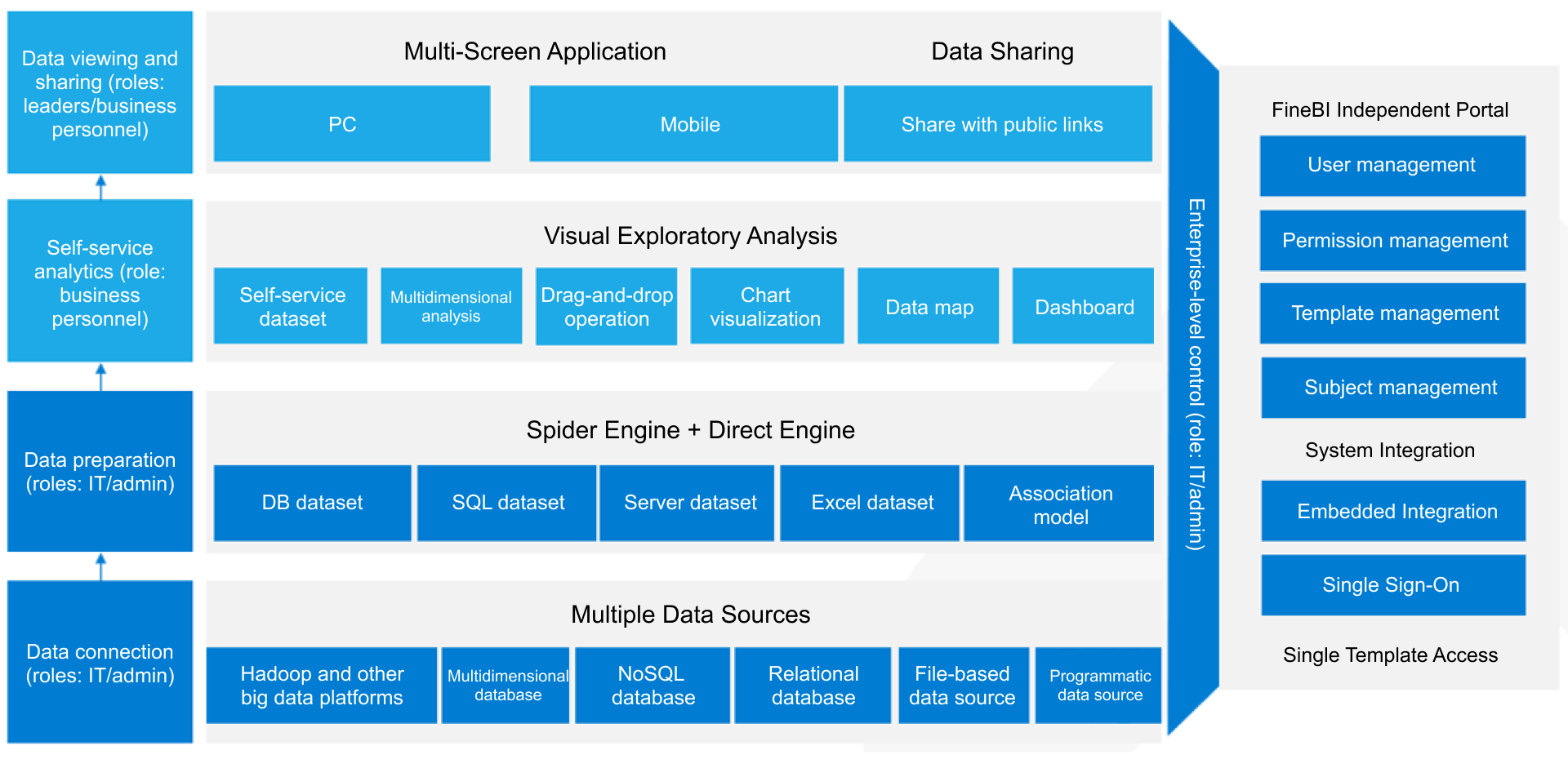
Create a practical improvement roadmap
Most IT teams should not try to fix everything at once. Start with a manageable roadmap.
A practical sequence is:
- stabilize critical pipelines and reporting datasets
- document core KPI definitions and ownership
- tighten access controls and review permissions
- improve observability and alerting
- optimize high-cost or slow workloads
- add automation where it reduces repetitive operational work
This staged approach also creates the right base for Agentic BI. FineBI organizes trusted metrics and visual analysis. Dora adds the AI assistant layer that can retrieve those governed assets, answer business questions in chat, produce scheduled summaries, and support follow-up actions without relying on fragile prompt-only workflows.
How an AI Data Agent Handles This Scenario
For IT managers, one of the most practical AI use cases in data warehouse management is turning warehouse health and BI governance into a repeatable operational briefing and exception workflow.
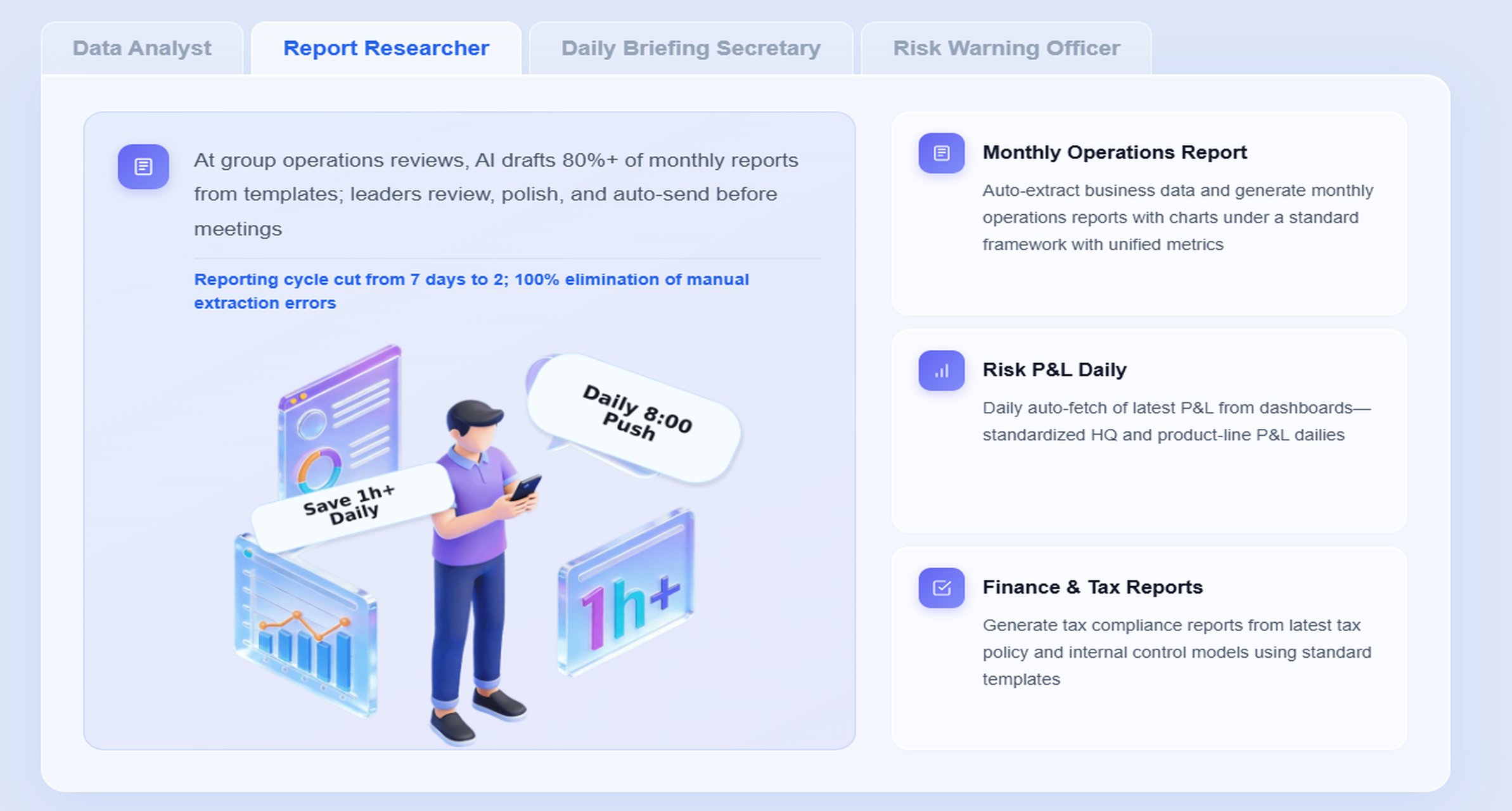
The most relevant Dora digital employees for this scenario are:
- Daily Briefing Secretary for scheduled operational summaries
- Risk Alert Officer for threshold monitoring and exception follow-up
- Data Analyst digital employee for chat-based query and preliminary analysis
A scenario-specific question might be:
“Show me this week’s warehouse health summary, including failed pipelines, data freshness exceptions, top slow queries, storage growth, and dashboards affected by source delays.”
How Dora works in this workflow
-
Retrieve trusted FineBI dashboard or analysis-subject data.
Dora accesses governed FineBI assets such as warehouse operations dashboards, freshness reports, usage views, and certified KPI models. -
Understand KPI definitions, filters, business terms, and semantic rules.
Dora uses the trusted semantic layer so terms like freshness exception, failed pipeline, active dashboard, or cost trend follow enterprise definitions rather than ad hoc interpretation. -
Generate chart-based answers or dashboard-style analysis views through chat.
IT managers can ask questions in natural language and receive a structured answer with key metrics, trends, breakdowns, and cited data sources. -
Detect abnormal changes or threshold breaches when relevant.
Dora can support governed AI workflows for conditions such as missed refresh windows, unusual storage spikes, elevated incident counts, or deteriorating query performance. -
Push insights, alerts, or suggested actions to responsible users.
The Risk Alert Officer can send timely notifications to platform owners, data engineers, or domain stewards based on predefined rules. -
Produce follow-up summaries for meetings or management review.
The Daily Briefing Secretary can prepare scheduled weekly summaries so IT leaders enter governance or operations meetings with a shared, trusted picture.
Why this is better than raw prompt-only AI
For enterprise analytics, generic prompt-based AI often struggles with permissions, metric definitions, and workflow control. Dora is positioned as fourth-generation Agentic BI:
- natural-language request
- trusted semantic layer
- governed query or Skill execution
- answer, chart, summary, action, and follow-up
This matters because IT managers need controlled and auditable workflows, not just clever text generation. Dora is designed to reduce token waste, improve response speed, and increase workflow stability compared with raw prompt-only agents, while giving users a more practical landing path through business-ready digital employees.
Why FineBI is essential in this AI scenario
FineBI is the BI foundation. It provides:
- dashboards for warehouse health and business reporting
- self-service analytics for governed exploration
- metric modeling for consistent KPI calculation
- semantic assets that define business terms and logic
- permission-aware access to trusted analytics content
Dora sits on top of that foundation as an enterprise Data Agent. It does not replace FineBI. It turns governed BI assets into an AI assistant experience that supports chat, summaries, alerts, pushes, and follow-up.
For business users, this means less friction. For IT, it means AI can be delivered with stronger enterprise fit through permissions, semantic rules, KPI governance, and data quality controls.
Common Challenges and Best Practices
Most IT managers dealing with data warehouse management face the same patterns. The challenge is not knowing that problems exist. It is creating a sustainable operating model that addresses them.
Common challenges IT managers face
Siloed data sources
Business-critical data often lives across ERP, CRM, finance, operations, spreadsheets, and third-party apps. Integration becomes difficult when source logic is inconsistent or undocumented.
Unclear accountability
When ownership of data quality, KPI definitions, or platform incidents is vague, recurring issues stay unresolved and confidence drops.
Inconsistent definitions
Different teams may define revenue, active customer, fulfilled order, or margin differently. This creates reporting disputes and weakens self-service BI.
Rising cloud spend
Consumption can rise quickly when workloads are poorly optimized, retention is unmanaged, and redundant data products proliferate.
Reactive firefighting
Many teams spend too much time fixing broken jobs, explaining metric discrepancies, and responding to ad hoc requests instead of improving the platform.
Best practices for sustainable management
1. Standardize KPI definitions, synonyms, filters, and metric ownership
This is one of the highest-value improvements for both BI and AI. When KPI meaning is standardized, dashboards are easier to trust and Dora can answer questions more accurately from governed semantic assets.
2. Build a semantic layer inside the BI workflow
Do not leave business meaning buried in SQL or tribal knowledge. FineBI helps organize metrics, dashboards, and semantic assets into a reusable governed foundation. Dora can then query that foundation through chat-based interaction and Skills-based execution.
3. Treat data quality as part of the AI implementation
If data quality is unstable, AI-generated summaries and chart-based answers will inherit that instability. AI readiness starts with warehouse management discipline.
4. Start with high-value recurring workflows
Do not automate everything at once. Start with repeatable use cases such as:
- weekly warehouse health briefings
- failed-load exception summaries
- dashboard usage reporting
- governance review preparation
- cost and capacity updates
These are the scenarios where a Daily Briefing Secretary, Report Researcher, or Risk Alert Officer can create immediate value.
5. Preserve permission governance
AI outputs should respect FineBI access boundaries. This is essential for enterprise trust and compliance support.
6. Use human review for AI-generated reports
Dora can accelerate report preparation and operational summaries, but human review remains important for policy-sensitive outputs, executive reporting, and new workflows.
7. Improve observability and documentation
Well-documented pipelines, dashboards, owners, incidents, and dependencies reduce troubleshooting time and improve onboarding for both technical and business teams.
Signs your current approach needs attention
Watch for these warning signs:
- recurring data freshness or quality problems
- slow or unstable reporting performance
- frequent disputes over metric definitions
- low dashboard adoption or user trust
- rising platform cost without clear value growth
- too many manual report preparation steps
- IT spending most of its time reacting rather than improving
These issues often indicate that the warehouse exists, but data warehouse management is not mature enough to support growing analytics demand.

Actionable Best Practices
To strengthen data warehouse management in a practical way, IT managers should focus on a short list of actions with both operational and AI value.
1. Define a service model for critical data products
Document owners, service levels, escalation paths, refresh expectations, and support processes for the most important datasets and dashboards.
2. Certify your most important metrics first
Identify the KPIs that drive executive and operational decisions. Standardize definitions, filters, dimensions, and ownership before expanding to long-tail metrics.
3. Launch one AI-assisted recurring workflow
Choose a stable, repeatable process such as a weekly warehouse operations briefing or a data quality exception digest. Dora can deliver scheduled summaries, chart-based answers, and responsible-owner follow-up without forcing users to search across multiple dashboards.
4. Define alert thresholds and responsibility rules
For freshness failures, cost spikes, query slowdowns, or incident volume increases, decide in advance who gets notified and what action is expected.
5. Expand automation gradually with governed Skills
As trust grows, IT can add more controlled Dora Skills for report generation, anomaly review, or governance preparation. This creates better landing capability than feature-only agent comparisons because it connects AI to actual enterprise workflows.
FineBI + Dora Solution Pitch
Building this manually is complex. FineBI helps teams build trusted dashboards, metrics, and semantic assets. Dora turns those assets into an AI assistant that can answer questions in chat, generate dashboard-style analysis views, push scheduled summaries, monitor anomalies, and follow up with responsible owners.
For IT managers, this combination is especially valuable because it supports both analytics reliability and AI adoption in a governed way:
- FineBI provides dashboards, self-service analytics, metric modeling, visual exploration, and trusted semantic assets.
- Dora acts as the enterprise Data Agent layer on top of FineBI and existing enterprise data assets.
- Together, they help enterprises move from people looking at dashboards to AI helping people ask, analyze, generate, push, alert, and follow up.
FineBI + Dora is not only a BI upgrade; it is a practical fourth-generation Agentic BI path. FineBI provides governed metrics and visual analysis. Dora provides the AI assistant layer for scenario execution, with more controlled Skills, lower token waste, faster execution paths, and more stable workflows than prompt-only agents.
For IT teams, the value is concrete:
- natural-language data query over trusted BI assets
- dashboard and metric retrieval from FineBI assets
- chart-based answers and dashboard-style analysis views
- scheduled daily or weekly operational briefings
- anomaly alerts and push notifications
- digital employees for repeatable data work
- stronger enterprise fit through permissions, semantic rules, KPI governance, and data quality
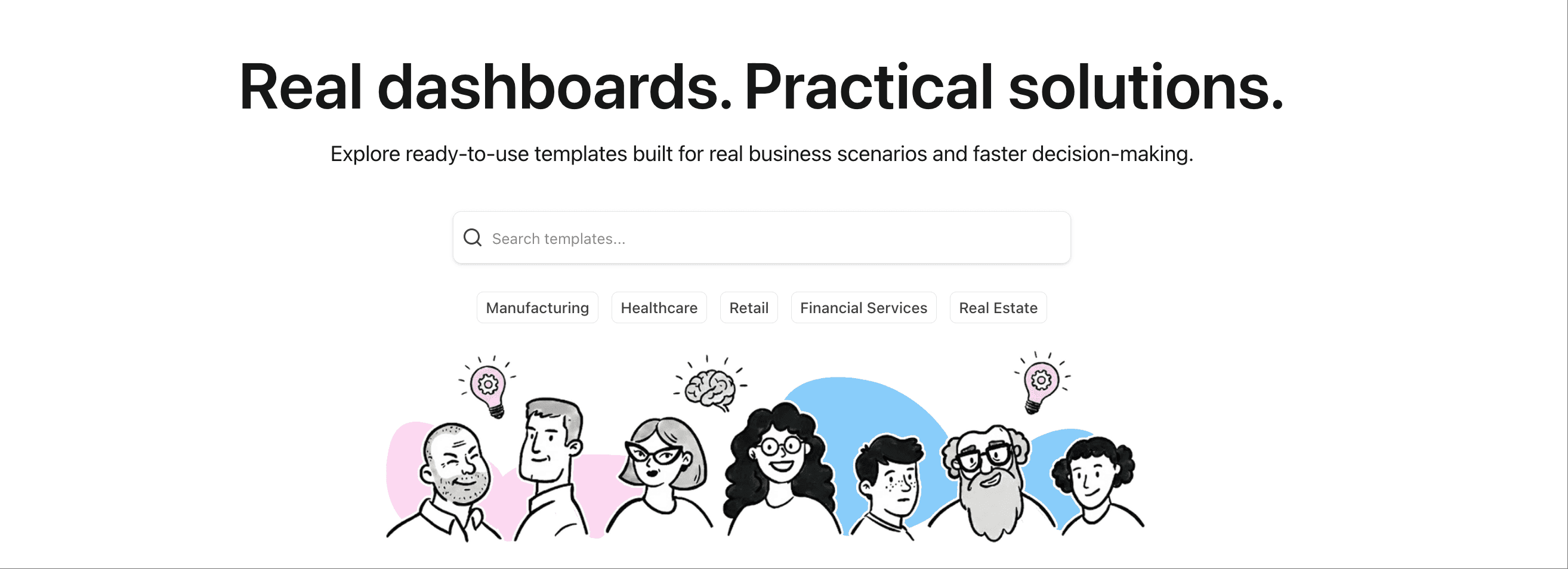
Get Ready-to-Use Dashboard Templates in Fine Gallery
The strongest Dora pitch is scenario + product + service: FineBI provides the trusted BI foundation, Dora provides the AI digital employee, and implementation service connects data, governance, semantic setup, Skills, and rollout.
Final Takeaways for IT Managers
So, what is data warehouse management? It is the ongoing practice of keeping the warehouse reliable, governed, secure, efficient, and useful for the business. It is not a one-time build project, and it is not limited to infrastructure administration.
For IT managers, the priority is to align governance, operations, ownership, and business needs before expanding analytics initiatives. That foundation supports not only better reporting, but also more practical AI adoption.
If your current environment suffers from recurring data issues, slow reporting, inconsistent KPI logic, or reactive support, start with an assessment of the current operating model. Identify the most important gaps in quality, ownership, observability, permissions, and performance. Then define a manageable improvement plan.
When that governed foundation is in place, FineBI can provide the trusted analytics layer, and Dora can extend it into an enterprise-ready AI assistant for real operational scenarios. That is how data warehouse management evolves from backend maintenance into a strategic capability for modern analytics and Agentic BI.
FAQs
It covers the ongoing operation of a data warehouse, including data quality, pipeline stability, performance tuning, access control, cost oversight, and documentation. The goal is to keep analytics reliable as business needs change.