CSR reporting software is a digital platform designed to centralize, manage, measure, and report on a company’s environmental, social, and governance (ESG) initiatives and performance.
What is CSR Software? A Foundation for Engagement
Corporate Social Responsibility (CSR) software moves beyond a simple database; it is the operational engine for modern stakeholder-centric business practices. It transforms scattered goodwill into structured, measurable, and impactful strategy.
Core Functions of Modern CSR Platforms
At their core, these platforms consolidate data from across the organization—from energy consumption and supply chain ethics to employee volunteer hours and community investments—into a single source of truth. This enables companies to track key performance indicators (KPIs), automate data collection, and generate reports aligned with global standards like GRI, SASB, or the UN Sustainable Development Goals (SDGs).
The Shift from Passive Reporting to Active Management
The evolution of CSR software marks a critical shift from passive annual reporting to active, ongoing management. Instead of retroactively compiling a report to satisfy regulators, companies can now proactively monitor their impact, engage stakeholders in dialogue, and adjust strategies in real time. This turns CSR from a retrospective snapshot into a forward-looking management tool.
The Limitations of Compliance-Driven CSR
Treating CSR as merely a regulatory checkbox is a significant strategic misstep that can erode value and trust over time.
The Risks of Treating CSR as a Checkbox Exercise
A compliance-only approach often leads to superficial initiatives designed to "tick the box" rather than address material issues. This results in generic, uninspired programs that fail to resonate with the very stakeholders they aim to impress—employees, customers, investors, and communities. The reporting becomes a defensive exercise in risk mitigation rather than a story of value creation.
How Pure Compliance Undermines Trust and Value
When stakeholders perceive a disconnect between a company’s glossy sustainability report and its actual practices, it breeds cynicism and distrust. This "say-do gap" can lead to reputational damage, consumer backlash, and investor skepticism. In an era of heightened transparency, authenticity isn't just preferred; it's demanded. Pure compliance fails to build the authentic relationships that drive long-term loyalty and brand equity.
How CSR Software Enables Authentic Stakeholder Engagement
The right technology platform is the catalyst that turns stakeholder engagement from an abstract goal into a tangible, managed business process.
Centralizing Data for a Single Source of Truth
Fragmented data—locked in spreadsheets, emails, and departmental silos—is the enemy of authentic communication. CSR software aggregates this data, providing a unified, accurate view of performance. This transparency is the bedrock of trust, allowing companies to speak with one, verified voice to all stakeholders and back up claims with concrete evidence.
Facilitating Dialogue and Feedback Loops
Modern platforms include tools for two-way communication, such as integrated survey modules, stakeholder portals, and feedback collection mechanisms. This allows companies to move from broadcasting their achievements to listening to stakeholder concerns, expectations, and suggestions. It transforms a monologue into a dialogue, fostering a sense of inclusion and partnership.
Translating Insights into Actionable Strategies
The aggregated data and feedback are not just for reports; they are fuel for strategy. Advanced analytics within CSR software can identify trends, highlight areas of risk or opportunity, and measure the real impact of initiatives. This enables companies to pivot resources toward what truly matters to their stakeholders and their business, creating a dynamic, responsive CSR program.
Key Features to Look for in Engagement-Focused CSR Software
When selecting a platform, prioritize features that actively facilitate connection and management, not just data storage.
Robust Stakeholder Mapping and Analysis Tools
One-sentence overview: This feature helps you identify, categorize, and prioritize your stakeholders based on their influence and interest.
Cons: Can be complex to set up initially; requires ongoing input to remain accurate.
Best For: Large enterprises with diverse, complex stakeholder groups needing strategic relationship management.
Integrated Communication and Survey Modules
One-sentence overview: These built-in tools allow for seamless distribution of updates, collection of feedback, and management of stakeholder inquiries.
Key Features: Email campaign tools, customizable survey builders, ticket management for queries, and portal functionality.
Pros: Centralizes all stakeholder communications; provides direct channels for gathering qualitative insights.
Cons: May duplicate existing corporate communication systems if not integrated properly.
Best For: Organizations aiming to systematize and scale their stakeholder listening efforts.
This dashboard monitors carbon emissions, energy usage and production energy efficiency.
Real-Time Performance Dashboards and Reporting
One-sentence overview: Dynamic dashboards visualize live ESG and engagement data for internal management and external reporting.
Key Features: Customizable widgets, drill-down capabilities, automated report generation aligned with major frameworks (GRI, SASB).
Cons: High-quality data input is critical; "garbage in, garbage out."
Best For: Any company needing to move from annual to continuous reporting and demonstrate real-time accountability.
Customization and Scalability for Evolving Needs
One-sentence overview: The platform should adapt to your unique metrics, workflows, and growing program complexity.
Key Features: Configurable data fields, adaptable workflow engines, API integrations, and modular add-ons.
Pros: Ensures the software grows with your program; avoids a costly platform switch later.
Cons: Highly customizable platforms can have longer implementation times and steeper learning curves.
Best For: Fast-growing companies and those with industry-specific or unique CSR metrics.
Implementing CSR Software for Maximum Impact
Successful implementation is less about technology and more about change management focused on engagement goals.
Step 1: Aligning Software Goals with Engagement Objectives
Begin by defining what "authentic stakeholder engagement" means for your organization. Is it higher employee participation in volunteering? Deeper community partnership? More transparent investor communications? Your software selection and configuration must be directly tied to these objectives, not just reporting efficiency.
Step 2: Involving Stakeholders in the Selection Process
Practice what you preach. Involve key internal stakeholders (from sustainability, HR, communications, and operations) and even select external partners in the demo and evaluation process. Their input will ensure the chosen platform meets real-world usability needs and fosters buy-in from the start.
Step 3: Phased Rollout and Continuous Training
Avoid a disruptive "big bang" launch. Start with a pilot program focused on one stakeholder group or one type of data (e.g., employee giving). Provide role-specific training and ongoing support. Celebrate early wins to build momentum and demonstrate the value of the new system.
Establish KPIs that reflect engagement quality, not just compliance tasks. Track metrics like stakeholder satisfaction scores, survey response rates, employee participation trends, and the speed of converting feedback into action. These indicate whether your software is truly fostering deeper connections.
Conclusion: Building Lasting Relationships Through Technology
Ultimately, CSR software is far more than a reporting tool; it is a relationship management platform for the 21st century. By centralizing data, opening channels for dialogue, and providing the insights needed for meaningful action, it allows companies to transition from merely being accountable to stakeholders to working authentically with them. In doing so, businesses can build the trust, loyalty, and social license to operate that are the true markers of sustainable success. The journey beyond compliance is a journey toward genuine partnership, powered by technology that puts stakeholder voices at the heart of corporate strategy.
FAQs
CSR software is a digital platform that helps companies centrally manage, measure, and report on their environmental, social, and governance (ESG) initiatives. It consolidates data, tracks performance, and facilitates stakeholder engagement.
It shifts the focus from passive annual reporting to active, strategic management. The software enables real-time impact monitoring, stakeholder dialogue, and data-driven strategy adjustments, fostering authentic engagement rather than just checking a box.
Prioritize features like centralized data dashboards, stakeholder mapping and analysis tools, and integrated communication modules for surveys and feedback. These features turn engagement from an abstract goal into a managed business process.
A tick-box approach can lead to superficial programs that fail to resonate with stakeholders, creating a disconnect between reports and actual practices. This "say-do gap" breeds cynicism, damages trust, and erodes long-term brand value.
By providing a single, transparent source of truth for ESG data, it allows companies to back up their claims with concrete evidence. Integrated feedback tools also facilitate two-way dialogue, transforming corporate communication from a monologue into a partnership.
Product Trial
FineReport
Pixel-perfect reports · Interactive dashboards · Easy data entry · Digital twins


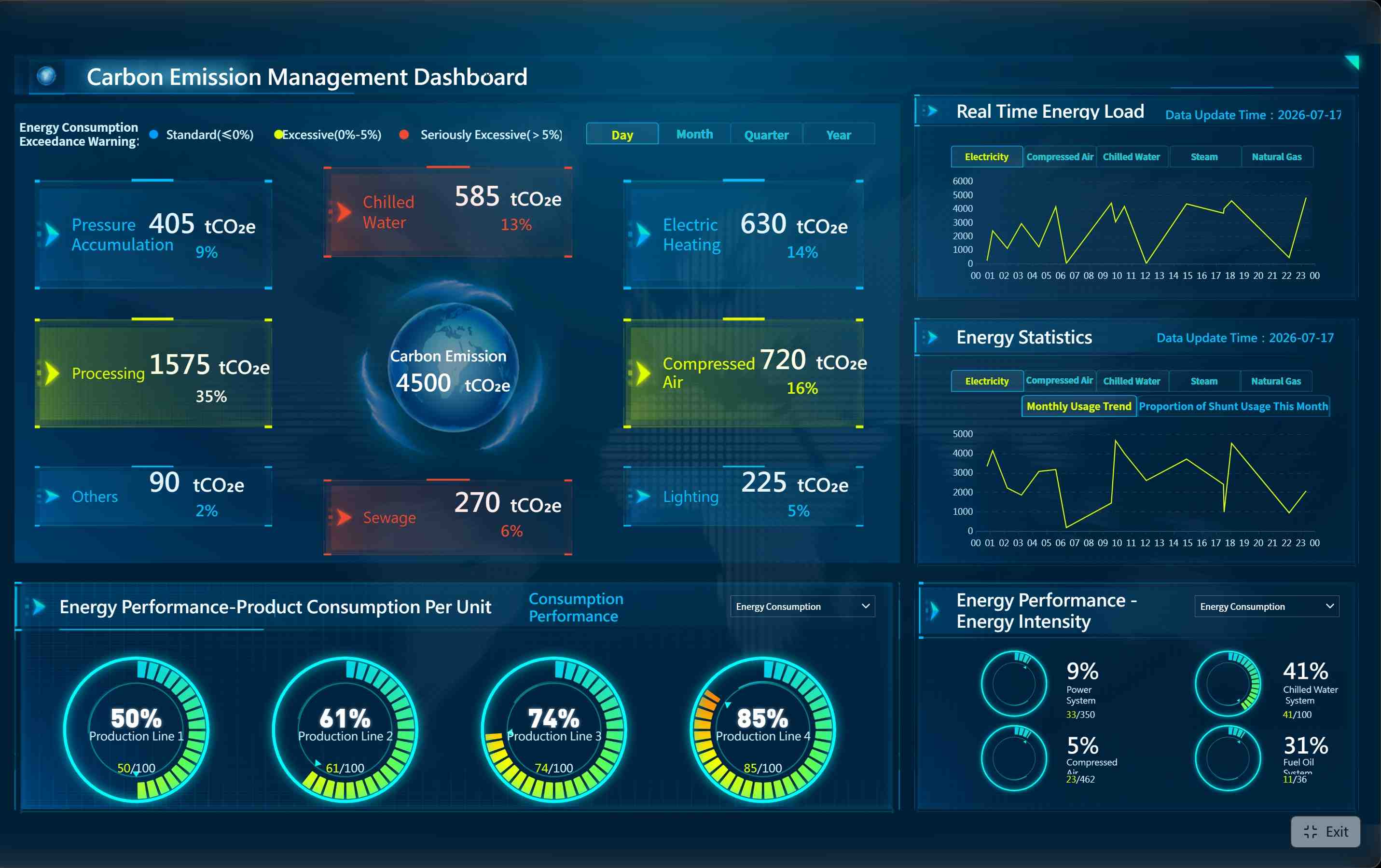 This dashboard monitors carbon emissions, energy usage and production energy efficiency.
 Ultimately, CSR software is far more than a