
AI & Data
Fast Answers Are Not Enough: Why Data Agents Need AI-Ready Data
An AI-generated operations report lands on the executive team’s desk. It states that revenue in East China grew by 15 percent last month.
The finance director asks a few basic questions. Does the figure include tax? Have returns been deducted? When was the data last refreshed? Which table did the AI use?
If no one can answer, the 15 percent figure cannot support a decision. The AI produced its conclusion in seconds, but the company must now spend hours checking it.
Once a Data Agent begins querying data, preparing reports, and sending alerts, data defects move directly into business workflows. An inconsistent metric can appear in an executive report. Stale data can trigger unnecessary action. Weak access controls can expose sensitive information to the wrong audience.
An enterprise needs more than a model that answers questions fluently. It needs a digital employee that knows which data it may use, how each metric should be calculated, who is allowed to see the result, and where the evidence came from. AI-ready data provides that foundation.
Human Analysts Apply the Brakes. AI May Not.
When two systems produce different revenue figures, an analyst will usually stop and investigate. They may check the finance definition, confirm the refresh time, or ask whether a null value reflects a business rule. These judgments act as an informal braking system.
A Data Agent works at a much higher speed, calling data, calculating results, drawing conclusions, and producing content in sequence. If the company has not embedded validation rules into the data and workflow, the AI can follow a faulty input all the way to a polished report that does not survive scrutiny.
AI amplifies data capability, but it also amplifies data defects. Deploying a Data Agent places existing data governance under pressure. Conflicting definitions, unclear sources, delayed updates, and permission gaps move from back-office concerns to front-line business risks.
Five Questions AI-Ready Data Must Answer
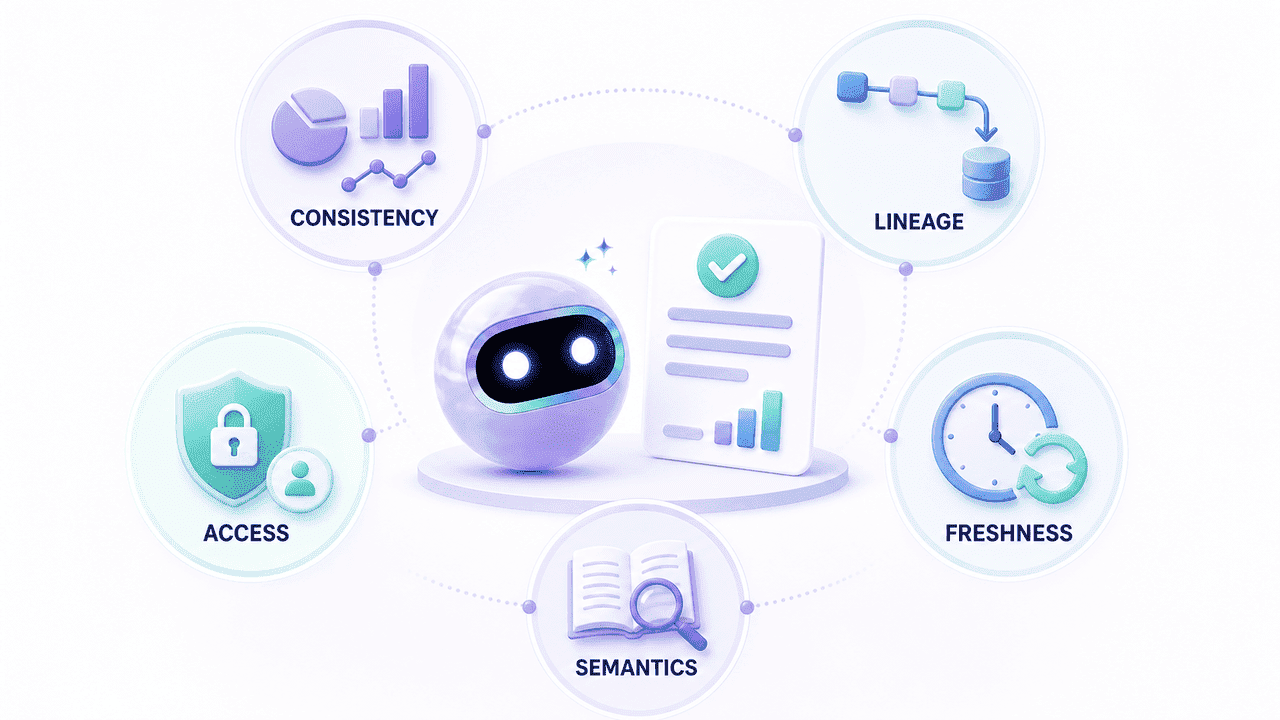
Clean data is only the starting point. For a Data Agent to earn trust inside an enterprise, its data foundation must answer five questions.
1. How is this metric calculated? Core metrics need consistent definitions. If departments calculate revenue, gross margin, inventory turnover, or production yield differently, AI will reproduce those conflicts in its answers.
2. Where did this number come from? Every conclusion should be traceable to a dataset, report, dashboard, or operational system. Users need to see the source and calculation path before deciding whether to act.
3. Who is allowed to see it? Natural-language interfaces make data easier to access, but they must not bypass existing controls. A Data Agent should enforce permissions by role, row, and field.
4. How current is the data? Sales, manufacturing, and supply-chain decisions depend on timely information. The AI must recognize refresh times and avoid answering a current question with outdated data.
5. Does the AI understand the business meaning? Column names cannot carry the full weight of institutional knowledge. Metric definitions, analytical rules, exceptions, and operating experience must become semantic assets that a Data Agent can use.
Together, these questions cover consistency, lineage, access, timeliness, and semantics. The more clearly a company can answer them, the easier it becomes to validate and trust the agent’s work.
Why AI Should Not Read Every Raw Table
Connecting a model directly to a database may be the fastest way to build a demo, but it rarely supports enterprise deployment.
Raw environments often contain test tables, historical versions, temporary fields, and competing departmental definitions. Without governance context, a model can select the wrong source. Natural-language queries may also bypass controls designed around existing applications. When a conclusion is wrong, the company needs a record of the data and transformations involved so the team can find the cause and assign responsibility.
An enterprise Data Agent should operate on governed, trusted data assets. Dora follows a Built on Trusted BI approach. It uses the data models, metrics, permissions, and analytical logic the company has already approved, giving each digital employee a clear operating boundary.
Building a Trusted Data Chain: Connect, Prepare, Govern, Serve
Companies can assess the data foundation for Data Agents across four connected layers.
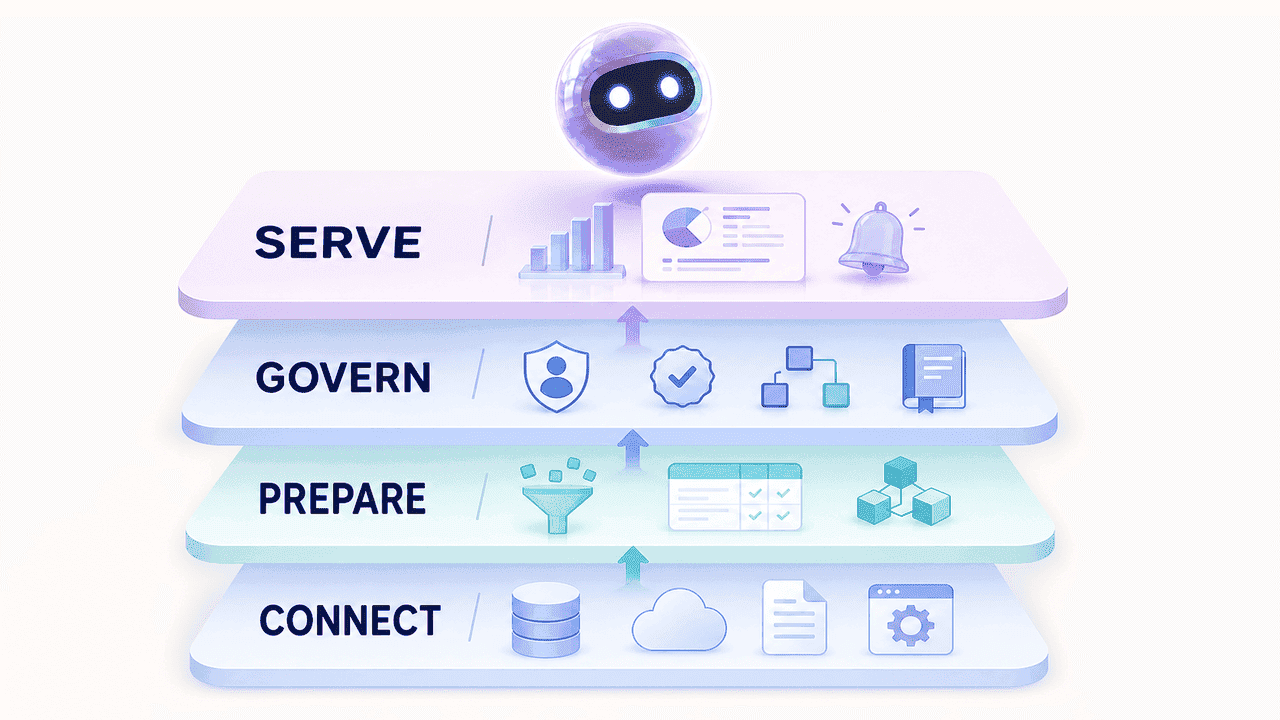
Connect: bring source data together. ERP, MES, WMS, CRM, IoT, spreadsheets, and databases need to connect to a consistent data environment. The company can then see where data resides, who owns it, and how often it changes.
Prepare: clean and model the data. Teams resolve inconsistent formats and master data, then create detailed models, subject-area summaries, and governed metrics. Raw signals become usable business assets.
Govern: establish trusted semantics. Metric management, data catalogs, quality rules, access controls, lineage, and issue resolution answer a central question: can this number be understood, traced, and used safely?
Serve: make trusted assets available to AI. Data Agents use standardized metrics and governed data to answer questions, write reports, distribute updates, and monitor risk. Problems found in live use feed back into governance.
These layers form one data chain. If any link is missing, the AI application will lose time to verification and rework.
You Do Not Need to Govern the Entire Company Before Starting
A company-wide governance program takes time. An isolated proof of concept, however, rarely creates reusable capability. Companies can connect the two by using real demand to drive governance, then moving proven controls upstream.
Start with a business task that causes visible pain. Suppose the team spends two days each week producing a management report. Work backward from that report. Which data does it use? Who defines the metrics? When is the data refreshed? Who may see it? How do people validate the final output?
This review exposes the data issues that matter most. The team fixes the fields, metrics, and permissions needed for the use case, then introduces the Data Agent into real work. Once the AI-generated report consistently passes business review, the company has its first trusted reference case.
The team can then formalize its metric definitions, access rules, quality standards, and validation process as enterprise assets. Future use cases reuse those assets, while the governed data perimeter expands alongside adoption.
IT and Business Teams Must Define Trust Together
IT owns architecture, platforms, permissions, security, and monitoring. Business teams own metric meaning, anomaly thresholds, and output requirements. A Data Agent cannot enter a core workflow without both.
Consider a production-yield alert. IT can connect MES and quality data, but manufacturing and quality leaders must decide how much of a decline warrants an alert, which dimensions the agent should investigate first, and when the issue must be handed to a person. Once both sides agree on those rules, AI can produce results that are useful and controlled.
AI-ready data creates a path that an enterprise is willing to let its digital workforce travel. When every number has a consistent definition, a visible source, an explicit access boundary, and clear business meaning, a Data Agent can move beyond the demo and into daily operations.
Build Data Agents on a Foundation You Can Trust
At the Dora Spotlight Event, FanRuan will show how trusted BI gives Data Agents the governed metrics, permissions, and business context they need to work inside enterprise operations.

Article by
Saber Chen
AI Product Architect & CPO
Saber has 15 years of experience in enterprise software, where he has guided 43,000+ clients and managed teams of 500+, building top-tier data intelligence solutions. When not building scalable B2B architecture, he's on the basketball court or diving into vibe coding.


Keep Learning
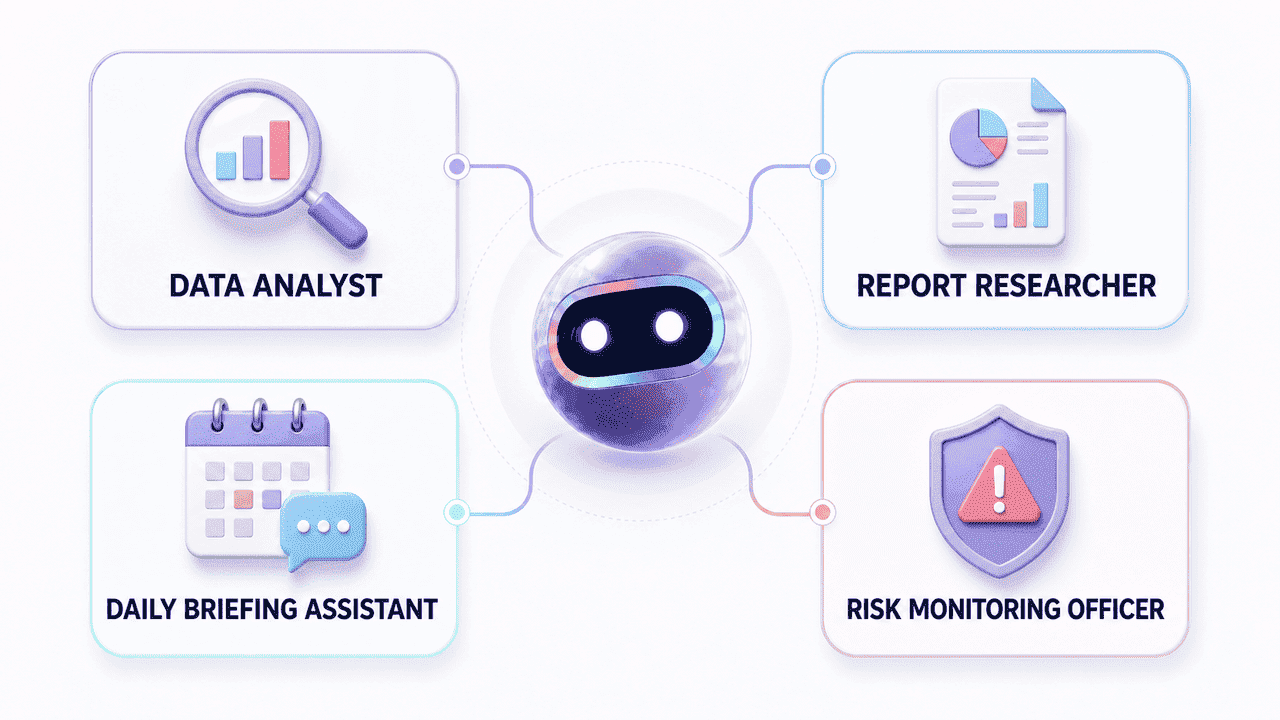 The Next Step for Enterprise AI: From Productivity Tools to Data Agents That Get Work Done
See how enterprise AI is evolving from productivity tools to Data Agents like Dora, which turn trusted BI into analysis, reports, alerts, and action.
 Stop Calling BI “Dashboards.” The Real Work Is Underwater.
The visualization is the visible 10%. The real work happens underwater, in the crushing depths where no one looks and no one credits.
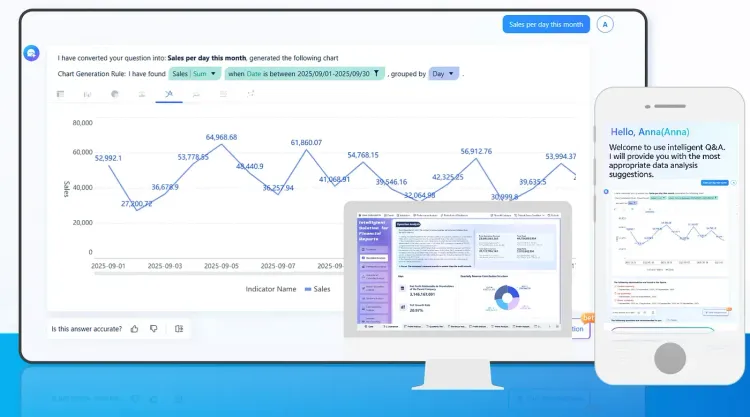 Uncovering the Truth Behind AI Delivery: Why Seemingly Perfect Strategies Fail in Enterprise Deployments
Struggling to move AI from prototype to production? Uncover the hidden truths behind AI product delivery and learn to deploy solutions that actually work.