A property data report is a structured summary of factual information about a property that mortgage teams use to assess collateral, reduce processing friction, and make faster, better-documented decisions. For lenders, underwriters, QC managers, and servicing teams, the business value is simple: it helps verify what the property is, who owns it, what its history looks like, and whether any visible or recorded issues could affect loan eligibility, salability, or portfolio risk. When teams rely on incomplete files, stale public records, or manual lookups across disconnected systems, cycle times grow, exception queues swell, and downstream defects become harder to catch.
Click To Try The Dashboard
All reports in this article are built with FineReport
A property data report compiles property-related facts from public records, assessor files, recorder offices, listing data, and other approved sources into one usable report. In plain language, it gives mortgage teams a consolidated property profile without requiring staff to piece details together manually from multiple systems.
For mortgage operations, this matters because collateral review is rarely isolated to one department. The same property facts may support:
borrower intake and prequalification
underwriting review
collateral validation
quality control
post-closing audit
servicing and portfolio monitoring
A property data report is especially useful when teams need fast factual context. It is not always a substitute for an appraisal, and it is not the same as an opinion of value. Instead, it often works alongside appraisal, AVM, title, fraud, and borrower documentation checks.
When mortgage teams use a property data report
Mortgage teams typically use a property data report when they need to:
verify core property details early in the process
identify discrepancies between the application and available records
screen for red flags before deeper review
support quality control and file completeness checks
monitor collateral-related risk after closing
Property data report vs. appraisal vs. valuation tool
This distinction is critical for decision-makers:
Property data report: A factual compilation of property information.
Appraisal: A professional opinion of market value.
Automated valuation model (AVM): A model-driven estimate of value using data and statistical methods.
In practice, a property data report may be used before an appraisal, in support of an appraisal workflow, or together with valuation tools for a broader collateral view. Mortgage teams should treat it as a decision-support asset, not a universal replacement for valuation products.
What is included in a property data report
The contents of a property data report vary by provider, but most mortgage teams expect a core set of data fields that support underwriting, compliance review, and operational decision-making.
Mortgage teams also rely on a property data report for historical context, such as:
prior sale dates and prices
transfer history
deed records
tax assessment values
tax payment status
mortgage or financing records where included
recorded transaction events
This history can reveal inconsistency, unusual turnover, documentation gaps, or data that warrants closer collateral review.
Legal, zoning, lien, and occupancy indicators
Some reports surface indicators that materially affect loan decisions, including:
zoning classifications
land use codes
lien or encumbrance indicators
foreclosure-related signals
occupancy clues
legal anomalies tied to title or recorded filings
These items are operationally important because they may trigger escalation, secondary review, or coordination with title and compliance teams.
Data quality considerations
Not all property data is equally reliable. Mortgage teams should pay close attention to:
source transparency
date last updated
jurisdiction coverage
standardized field definitions
confidence or validation indicators
record-matching logic
A report is only as useful as its freshness and traceability. If the source is unclear, the update cadence is inconsistent, or the matching rules are weak, teams can make decisions on incomplete or misleading records.
The core framework: key metrics mortgage teams should track
If you want a property data report workflow to improve lending outcomes, define the operational KPIs around it. This is where many lenders fall short: they buy data, but they do not manage the process.
Key Metrics (KPIs)
Record Match Rate: Percentage of loan files where the property data report correctly matches the subject property on the first pass.
Data Completeness Rate: Share of required property fields populated for underwriting and QC review.
Exception Rate: Percentage of reports that trigger manual review due to missing, conflicting, or high-risk data.
Source Freshness: Average age of the underlying property data at the time the report is used.
Turnaround Time: Time from report order or request to delivery into the mortgage workflow.
Ownership Consistency Rate: Percentage of reports where ownership records align with borrower-provided documentation.
Address Normalization Accuracy: Rate at which addresses are standardized and matched without manual correction.
Tax Status Accuracy: Reliability of tax assessment and payment data used in collateral review.
Post-Close Defect Detection Rate: Number of collateral-related defects identified after closing that should have been caught earlier.
Escalation Resolution Time: Average time required to clear property-data-related exceptions.
These metrics give operations leaders a way to connect data quality to business performance. If exception rates are high, cycle times rise. If source freshness is poor, underwriting confidence drops. If ownership consistency is weak, fraud and documentation risk increase.
For enterprise mortgage teams, the goal is not merely obtaining a property data report. The goal is to build a repeatable, auditable, low-friction collateral data workflow.
How property data collection works in practice
A good property data report does not appear by magic. It is the output of a collection, cleansing, validation, and packaging process that happens behind the scenes.
From source data to usable reports
Property data providers typically gather information from multiple channels, including:
But raw data from these sources is messy. Counties use different formats. Parcel identifiers can vary. Ownership names may be abbreviated. Addresses often contain unit, suffix, or formatting inconsistencies.
To turn that into a usable property data report, providers usually apply several steps:
Ingest source files from local and third-party systems.
Standardize fields into a common schema.
Normalize addresses and parcel identifiers.
Match records across multiple sources tied to the same property.
Deduplicate conflicting entries where the same event appears more than once.
Validate records against business rules and known patterns.
Package the output into a report or API response for lender consumption.
Even with modern aggregation tools, several failure points remain common.
Missing fields
Some jurisdictions simply do not provide the same depth of property detail as others. Teams may find missing:
lot dimensions
building characteristics
ownership chain elements
occupancy indicators
lien-related signals
Stale records
Update latency is a real operational risk. Tax data, deed changes, or recorded events may not appear immediately. If your process assumes all fields are current, you can make decisions on outdated information.
Address mismatches
A frequent source of exceptions is mismatch between:
borrower-entered address
LOS address format
assessor record address
postal-standard address
unit-level designation
This can lead to false non-matches or incorrect record pulls.
Jurisdiction-specific gaps
Coverage quality often depends on local recording practices. Some counties are highly structured. Others are fragmented, delayed, or inconsistent.
When manual review is necessary
A property data report should not eliminate judgment. Mortgage teams should escalate when:
ownership records conflict with borrower disclosures
sales history appears incomplete or implausible
tax or legal indicators suggest unresolved issues
multiple parcels may be tied to the subject property
address matching confidence is low
high-balance or high-risk loans require stronger verification
How mortgage teams use property data reports across the loan lifecycle
The strongest mortgage operations use the property data report as a lifecycle tool, not just an origination artifact.
Origination and prequalification
At intake, a property data report helps teams quickly establish whether the file is straightforward or likely to need escalation.
Common use cases include:
verifying the property exists and is properly identified
checking ownership and transfer context
flagging early collateral concerns
routing files based on complexity
reducing back-and-forth with processors and borrowers
For operations directors, this is where the report has immediate ROI. It helps teams sort clean files from messy ones before underwriting capacity is consumed.
Underwriting and quality control
Underwriting teams use property data reports to compare loan file assertions against external records. This is especially useful for identifying:
occupancy inconsistencies
missing collateral documentation
unusual transfer history
tax assessment anomalies
legal or zoning issues that affect eligibility
file defects that require clarification
QC teams also benefit because the report creates a second line of factual review. Instead of rechecking multiple systems manually, auditors can compare the report against the closed loan package and focus on exception handling.
Closing, post-closing, and portfolio monitoring
After approval, the property data report still has value. Post-closing teams can use it for:
audit validation
exception remediation
investor delivery checks
servicing boarding review
collateral-related defect analysis
For servicing and portfolio management, the same data can support:
periodic property review
tax and legal monitoring
exception watchlists
higher-risk segment analysis
In enterprise settings, this creates continuity. The same property intelligence can inform loan manufacturing and ongoing asset oversight.
How to evaluate and choose a property data report provider
Choosing a provider is not just a procurement decision. It is a workflow design decision that affects trust, scalability, and defensibility.
Questions to ask before adopting a solution
Before selecting a provider, mortgage teams should ask:
How broad is your geographic coverage?
How often is the data refreshed?
Which sources feed each data domain?
Can we see source lineage or audit trails?
How do you handle conflicting records?
What is your match rate on address and parcel resolution?
The best providers are transparent about where data comes from, how often it updates, and where confidence limitations exist.
Comparing reports, analytics, and automated valuation tools
Not every property-related product does the same job.
Raw property data
This is the underlying record-level data. It is flexible but often requires internal transformation and business-rule logic.
Compiled property data reports
These package the data into a more usable output for operations teams. They are better for workflow speed, review consistency, and auditability.
Analytics and automated valuation tools
These products sit a layer above raw data and reports. They may score risk, estimate value, or identify anomalies through modeled outputs.
For mortgage teams, the practical question is: Do we need facts, insights, or both? If the workflow needs fast documentable facts, a property data report is often the right foundation. If the business also needs predictive signals or market value estimation, analytics and AVMs may be layered on top.
Provider differences affect:
trust in the output
ease of use for non-technical teams
exception volume
integration effort
total cost of ownership
Best practices for using property data reports effectively
A property data report improves operations only when teams define how it should be used. Here is the consultant’s approach I recommend for lenders scaling collateral workflows.
1. Build review rules before deployment
Do not hand reports to underwriters and expect consistency. Define:
required review fields
acceptable tolerances
exception triggers
escalation ownership
documentation standards
This reduces interpretation drift across branches and teams.
2. Separate low-risk automation from high-risk exceptions
Use the report to automate straight-through handling for clean files, but reserve manual review for cases with:
ownership conflicts
legal or lien indicators
stale or incomplete records
unusual transfer patterns
high-value or complex collateral
This is how mature operations protect speed without sacrificing control.
3. Train teams on interpretation, not just access
Many lenders underestimate this point. A property data report is only useful if staff understand:
what each field means
what the source limitations are
when a discrepancy is material
when to escalate to title, underwriting, or QC
Training should include real scenarios, not just system demos.
4. Pair property data with other collateral and borrower checks
A property data report should not operate in a silo. Combine it with:
borrower disclosures
title review
valuation tools
fraud screening
income and asset verification where relevant
The strongest lending decisions happen when data sources reinforce one another.
5. Use a simple operational checklist
A daily mortgage operations checklist should include:
confirm property identity match
review ownership consistency
check sales and transaction history
verify tax and legal indicators
note missing or stale fields
escalate unresolved discrepancies
document final disposition
After best practices are established, leadership should monitor adoption and exception patterns weekly. If one branch or product line shows higher mismatch rates, the issue is usually process design, training, or provider fit.
Building a scalable property data report workflow with FineReport
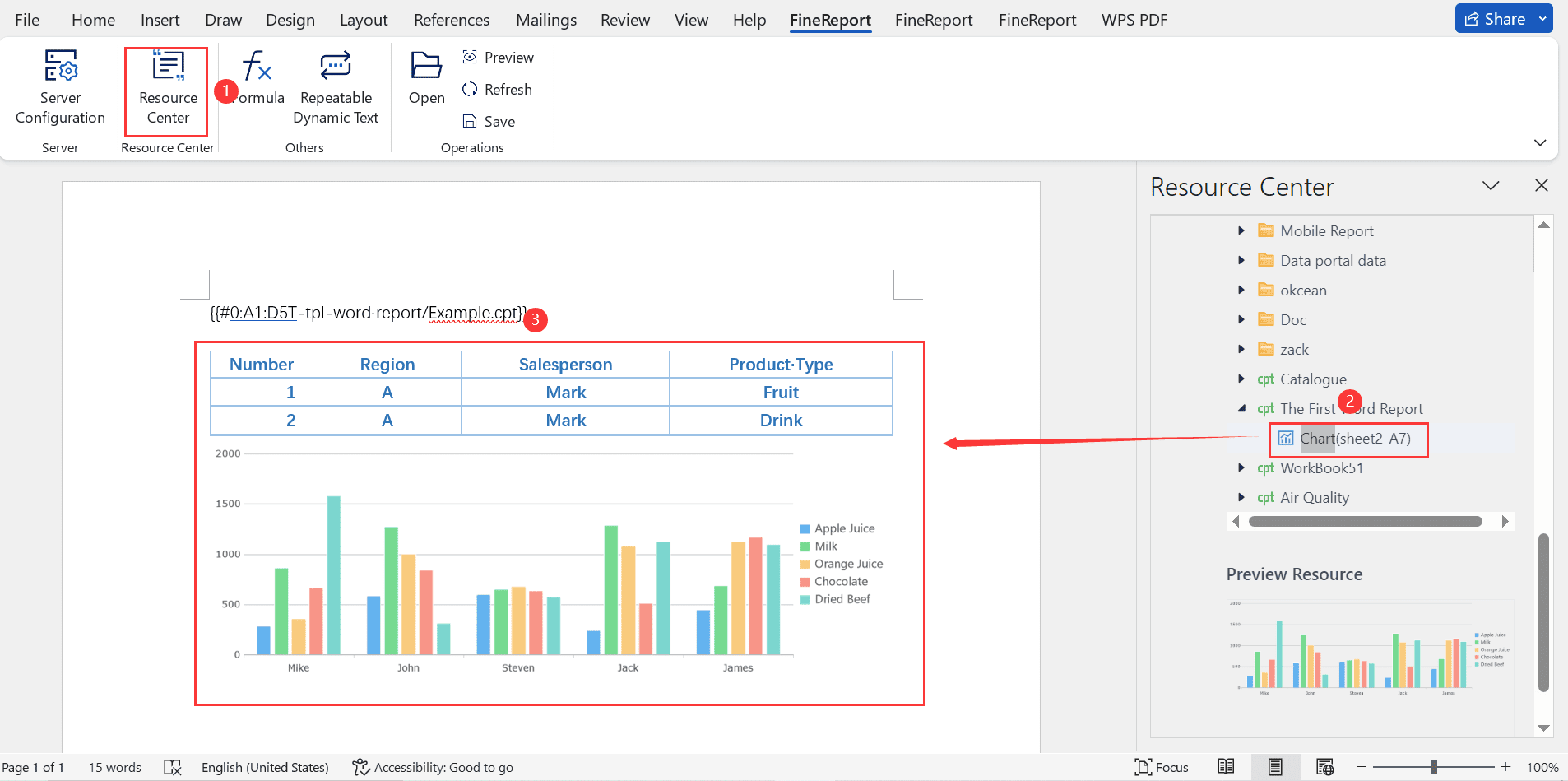
Building this manually is complex; use FineReport to utilize ready-made templates and automate this entire workflow.
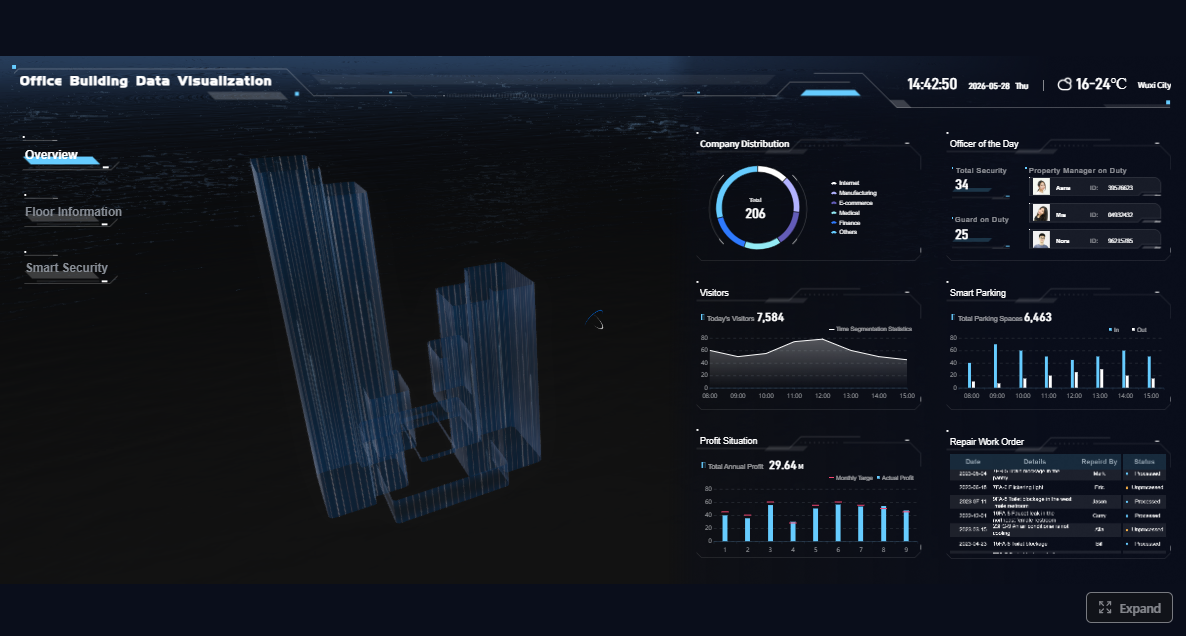
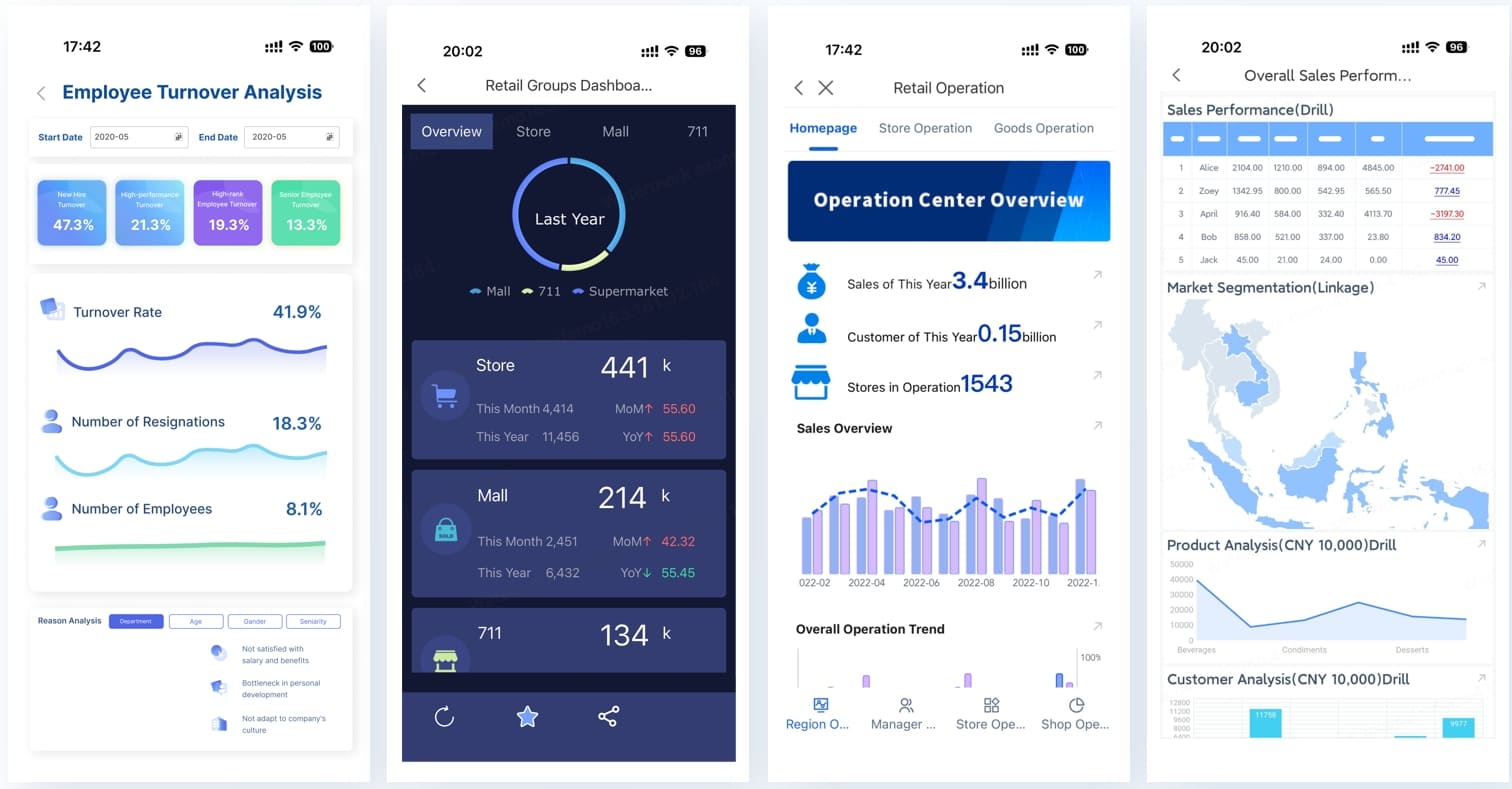
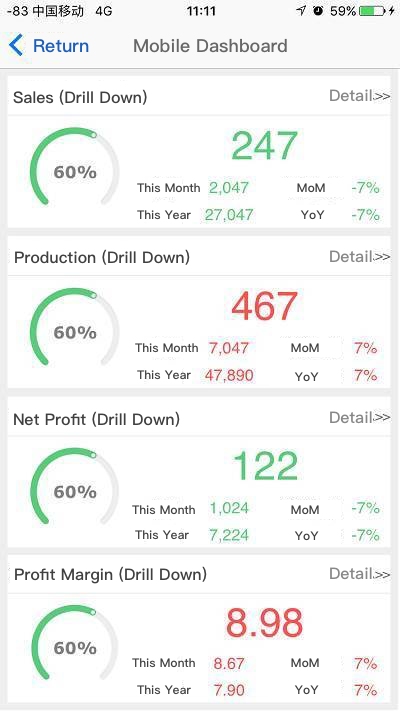
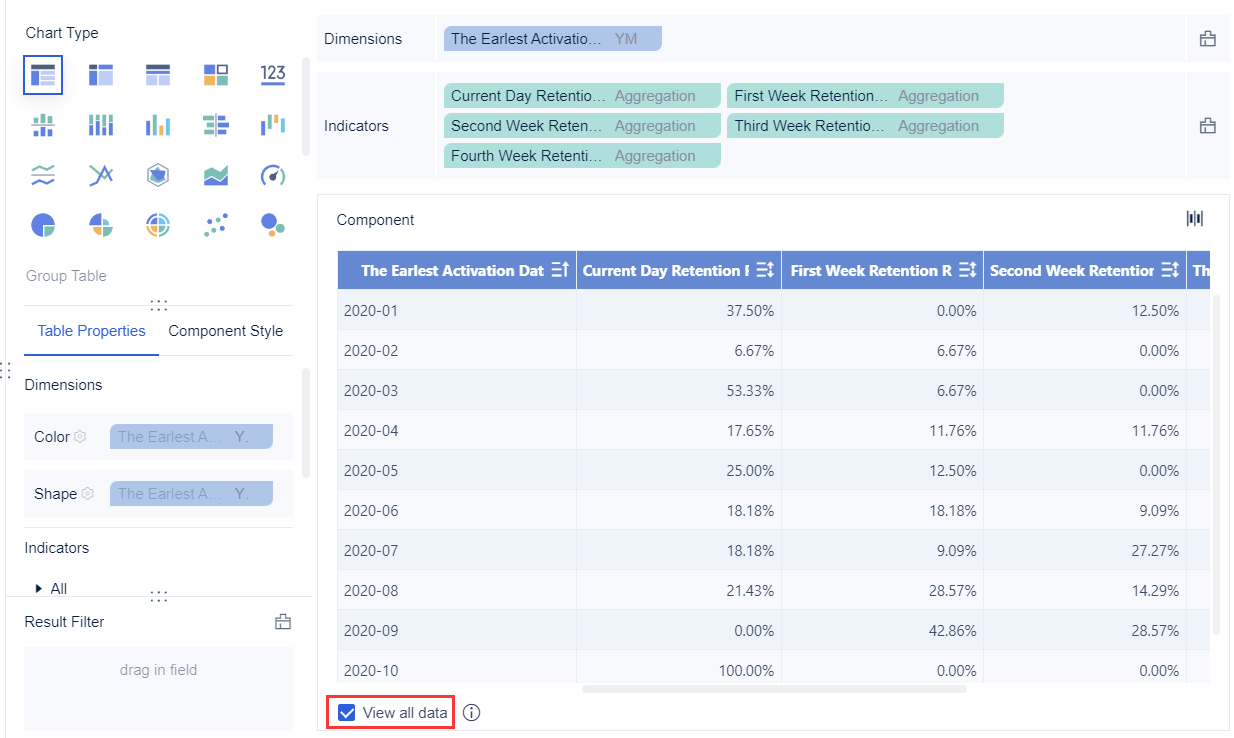
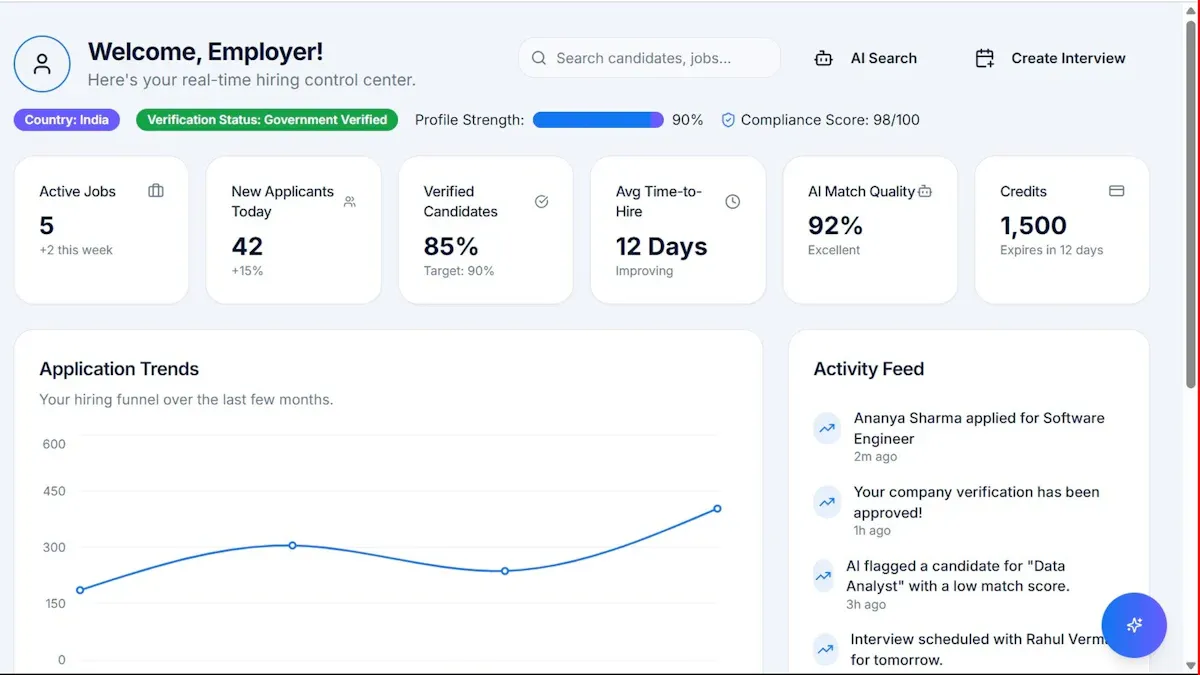
For enterprise mortgage teams, the real challenge is not obtaining one property data report. It is operationalizing thousands of them across origination, underwriting, QC, and servicing while keeping the workflow visible, measurable, and auditable. That requires dashboards, alerts, exception queues, SLA monitoring, and executive-level reporting.
FineReport helps teams turn fragmented property and loan-stage data into a controlled operating system for collateral review. With the right implementation, you can:
centralize property report outputs from multiple sources
visualize completeness, freshness, and exception rates
track escalations by branch, channel, or loan officer
build QC dashboards for post-close defect analysis
automate recurring portfolio monitoring and review tasks
Get Ready-to-Use Dashboard Templates in Fine Gallery
This matters because property review bottlenecks are rarely caused by one missing field alone. They come from disconnected systems, inconsistent review logic, and limited management visibility. FineReport gives mortgage leaders a practical way to standardize reporting, monitor performance, and reduce manual effort at scale.
If your team is serious about using property data reports to improve loan quality and shorten cycle times, the next step is not more spreadsheets. It is a reporting framework built for operational control.
A property data report summarizes factual information about a property, such as ownership, tax, sales, and physical characteristics. An appraisal is a licensed professional’s opinion of market value.
Most reports include the property address, parcel number, legal description, ownership history, sales and transfer records, tax details, and key property characteristics. Some also include zoning, lien, foreclosure, or occupancy-related indicators.
Mortgage teams use it to verify core property details, spot discrepancies early, support underwriting and QC reviews, and monitor collateral risk after closing. It helps reduce manual research and improves file consistency across teams.
No, a property data report is not a valuation tool and does not estimate market value. It is best used alongside AVMs, appraisals, title checks, and other collateral review steps.
Lenders should review the source of the data, how recently it was updated, the jurisdictions covered, and how records were matched and standardized. Fresh, traceable, and clearly defined data is more useful for underwriting and risk decisions.
Product Trial
FineReport
Pixel-perfect reports · Interactive dashboards · Easy data entry · Digital twins