
Automated regulatory reporting is the use of software, rules, workflows, and integrations to collect data, validate it, format it into regulator-ready reports, submit it through approved channels, and preserve a defensible audit trail. For compliance leaders, finance teams, risk managers, and operations directors, the business value is straightforward: fewer manual handoffs, fewer reporting errors, faster submissions, and stronger control over a process regulators scrutinize closely.
If your team still depends on spreadsheets, email approvals, and last-minute reconciliations, you already know the pain points: fragmented source data, recurring deadline pressure, inconsistent logic across reports, and difficulty proving exactly who changed what. **Automated regulatory reporting addresses those issues by turning reporting into a governed, repeatable workflow rather than an improvised quarterly fire drill.
What Automated Regulatory Reporting Is and Why It Matters
At its core, automated regulatory reporting fits inside the broader compliance operating model. It sits between your business systems and the regulator, acting as the mechanism that translates raw operational activity into formal submissions.
In plain language, it means a system can pull data from multiple sources, apply reporting rules, generate the required output format, route it for review, and record every step. Instead of analysts manually copying values between systems and templates, the platform handles the repetitive work while control owners focus on exceptions, judgment calls, and final sign-off.
This matters because reporting obligations are not getting lighter. Financial institutions, insurers, payment companies, asset managers, and other regulated organizations face rising reporting frequency, tighter deadlines, and growing expectations around transparency and evidence. Regulators increasingly want not just the report, but proof of the process behind it.
Manual vs. automated reporting: the practical difference
A manual workflow usually looks like this:
- Teams export data from transaction systems, ERPs, or case tools
- Analysts clean and merge data in spreadsheets
- Reporting logic is applied through formulas or ad hoc scripts
- Drafts are circulated by email for review
- Final files are uploaded manually
- Evidence is stored across folders, inboxes, and local drives
An automated workflow looks very different:
- Data is pulled on schedule or by trigger from source systems
- Validation rules check completeness, formatting, and logic
- Mapping and transformation align data to regulator requirements
- Reports are assembled automatically in the required format
- Review and approval follow a controlled workflow
- Submission status and proof of filing are tracked centrally
- A complete audit trail is preserved automatically
The gap between these two approaches is not just efficiency. It is operational resilience. When reporting volumes rise or regulations change, manual processes usually break first.
Why regulatory reporting remains critical
Regulatory reporting is still one of the most visible expressions of control maturity. Reports inform supervisory oversight, capital and liquidity monitoring, anti-money laundering enforcement, conduct reviews, tax compliance, and market transparency. In many sectors, inaccurate or late submissions can trigger penalties, remediation demands, or reputational damage.
For enterprise decision-makers, the real issue is not whether reporting matters. It is whether the current reporting model can scale without increasing risk.
Key Metrics (KPIs) for automated regulatory reporting
To evaluate reporting performance, leadership teams should track a concise set of operational and compliance KPIs:
- Submission timeliness: Percentage of reports filed on or before the regulatory deadline.
- First-pass acceptance rate: Percentage of submissions accepted by the regulator without rejection or resubmission.
- Data quality error rate: Number or percentage of records failing validation checks.
- Exception resolution time: Average time required to investigate and clear flagged issues.
- Manual touchpoint count: Number of human interventions required in the reporting workflow.
- Reconciliation variance rate: Frequency or value of mismatches between source systems and report outputs.
- Approval cycle time: Time taken from draft generation to final internal sign-off.
- Audit evidence completeness: Percentage of filings with fully traceable source data, approvals, and change history.
- Regulatory change implementation time: Time required to update rules, templates, or mappings after new guidance.
- Cost per report: Total labor and system cost allocated to each reporting cycle.
The End-to-End Workflow of Automated Regulatory Reporting
The best way to understand automated regulatory reporting is to view it as an end-to-end chain. Every link matters. If data extraction is weak, validation becomes reactive. If approvals are informal, the submission may still be timely but not defensible. Mature reporting automation connects every stage into one controlled process.
Data extraction from internal and external source systems
The workflow begins with data extraction. Most regulated organizations do not operate from a single clean system of record. Reporting data typically lives across multiple platforms, including:
- Transaction processing systems
- Customer onboarding and KYC records
- General ledger and finance platforms
- Risk and exposure systems
- Treasury tools
- Trade surveillance platforms
- Case management applications
- Document repositories
- External reference data feeds
The challenge is not simply accessing data. It is extracting the right data, at the right time, with consistent identifiers and sufficient context for reporting.
Structured data usually comes from databases, APIs, files, and event streams. Unstructured data may come from investigation notes, supporting documents, communications, or narrative fields. In modern reporting environments, both can matter. For example, suspicious activity reporting may require transaction facts as well as case context and narrative support.
A mature platform normalizes incoming data so fields from different systems can be aligned under common definitions. That may include standardizing dates, currencies, entity IDs, risk classifications, jurisdiction codes, and product categories before the reporting logic even begins.
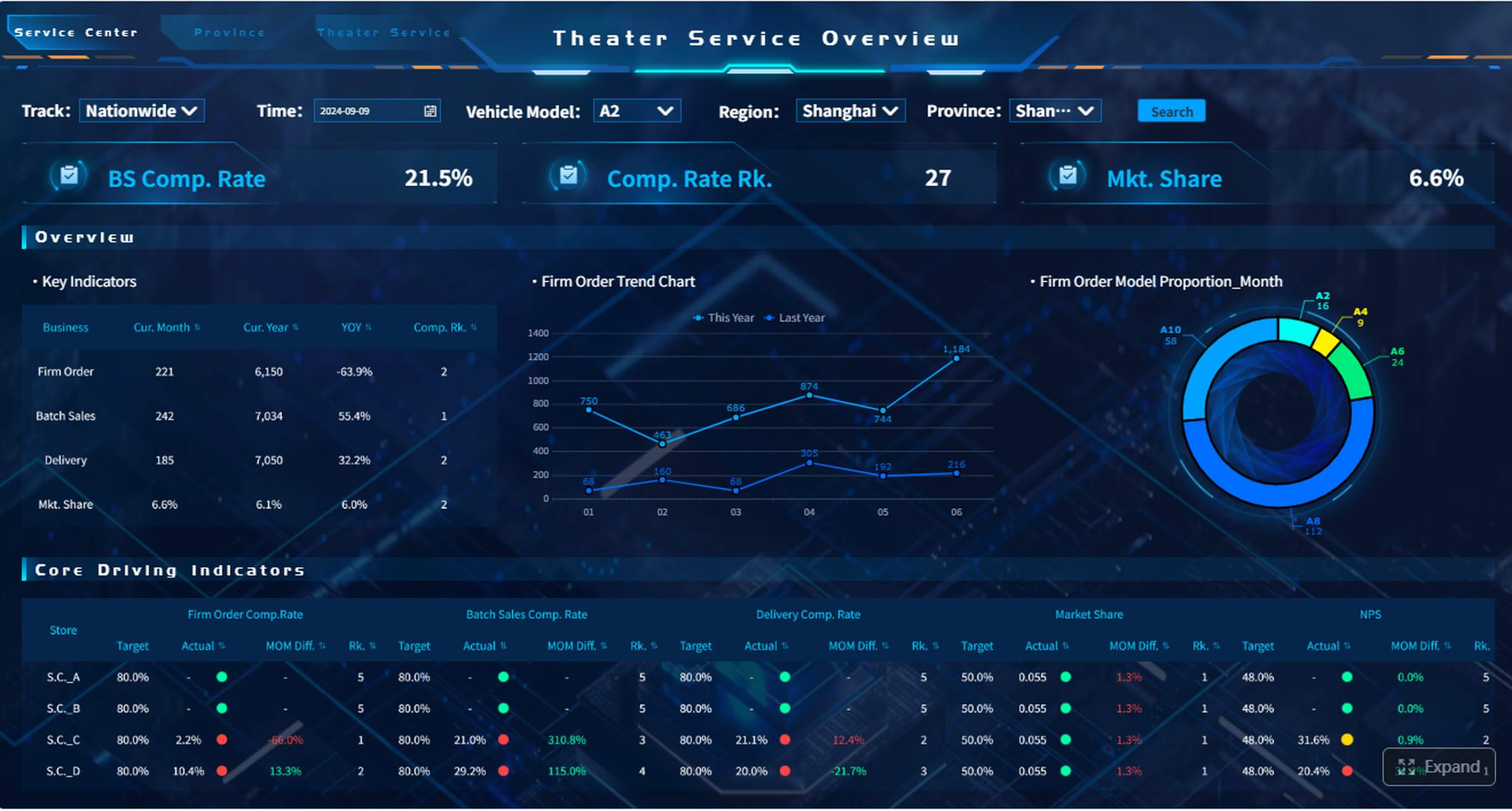
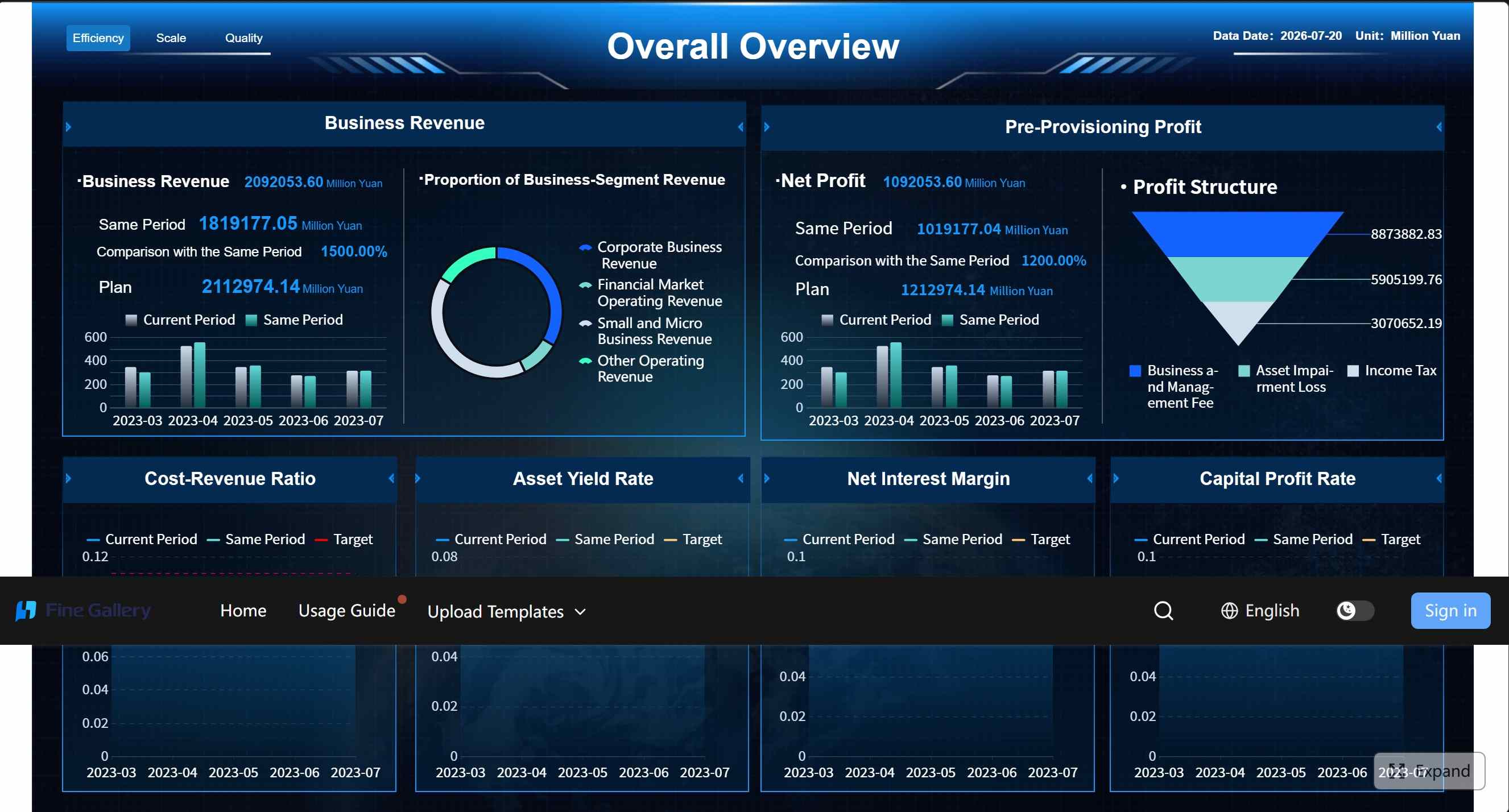 This financial overview dashboard displays business revenue, profit structure and core banking efficiency metrics for performance monitoring.
Data validation, mapping, and transformation
Once data is ingested, the next phase is quality control and conversion into regulator-ready structures. This is where many reporting programs either build confidence or lose it.
Mapping means linking internal data elements to external reporting fields, schemas, taxonomies, and templates. A regulator may require specific codes, classifications, or file structures that do not match internal naming conventions. Automated mapping bridges that gap systematically.
Transformation means applying the logic that turns operational data into reportable values. That may include:
- Aggregating transactions
- Calculating exposure measures
- Converting currencies
- Applying threshold logic
- Categorizing activities
- Populating mandatory fields
- Formatting outputs into XML, XBRL, CSV, JSON, or portal-specific files
Validation rules sit on top of that process and act as guardrails. Good validation frameworks usually include several layers:
Field-level validation
These checks confirm that required values are present and correctly formatted.
Examples include:
- Mandatory fields are not blank
- Dates fall within the reporting period
- Numeric values match expected precision
- Codes align to approved reference lists
Business-rule validation
These checks ensure the report makes sense from a regulatory perspective.
Examples include:
- Threshold conditions are met before a filing is triggered
- Risk classifications match product or customer type
- Totals equal the sum of underlying records
- Related fields are logically consistent
Reconciliation and exception control
This layer verifies that report outputs align with trusted source data and internal books and records.
Examples include:
- Report totals tie back to ledger balances
- Case counts match case management records
- Transaction populations reconcile to source extracts
- Unexpected variances are flagged for review
When automated regulatory reporting is configured well, teams stop spending most of their time hunting obvious errors and start focusing on true exceptions.
Report generation, review, and approval
After data is validated and transformed, the system assembles draft reports using the required regulatory template or schema. This stage often determines whether automation feels trustworthy to business users.
Good report generation is not just about filling in fields. It also includes:
- Version-controlled report outputs
- Regulator-specific formatting
- Draft and final status management
- Embedded commentary or supporting narrative where needed
- Packaging of supporting files and evidence
From there, automated workflows route the draft to the right reviewers. Depending on the report type, reviewers may come from compliance, legal, finance, operations, treasury, or business control teams.
Approval controls that matter
Enterprise reporting programs typically need more than a simple approve/reject button. Strong approval design includes:
- Role-based routing: Reviews go to designated owners by jurisdiction, entity, or report type.
- Maker-checker separation: The person preparing the report is not the same as the person approving it.
- Escalation paths: Overdue approvals trigger reminders and escalation to managers.
- Version management: Each revision is tracked so teams know what changed and why.
- Comment capture: Reviewers document rationale for changes, overrides, or approval conditions.
These controls matter because regulatory reporting often includes judgment, not just mechanics. Automation should reduce manual effort, but it should never hide accountability.
Submission and audit trail management
The final operational stage is submission. Depending on the regulator and report type, this may happen through:
- Regulator web portals
- Secure file transfer channels
- APIs
- Prescribed electronic formats such as XML or XBRL
- Jurisdiction-specific filing gateways
Automated submission reduces deadline risk by packaging the final report, validating delivery format, and recording transmission status. In advanced environments, the system also captures acknowledgment receipts, rejection messages, and resubmission history.
Just as important is the audit trail. A reporting system should preserve more than the final report. It should retain the evidence needed to prove the report was prepared under control.
A defensible audit trail usually includes:
- Source record identifiers
- Data lineage from original source to final field
- Validation results and exception logs
- User actions and timestamps
- Approval decisions and comments
- Version history
- Submission receipts and confirmations
- Retention records aligned to policy
This is what turns reporting automation from a convenience tool into a compliance-grade operating capability.
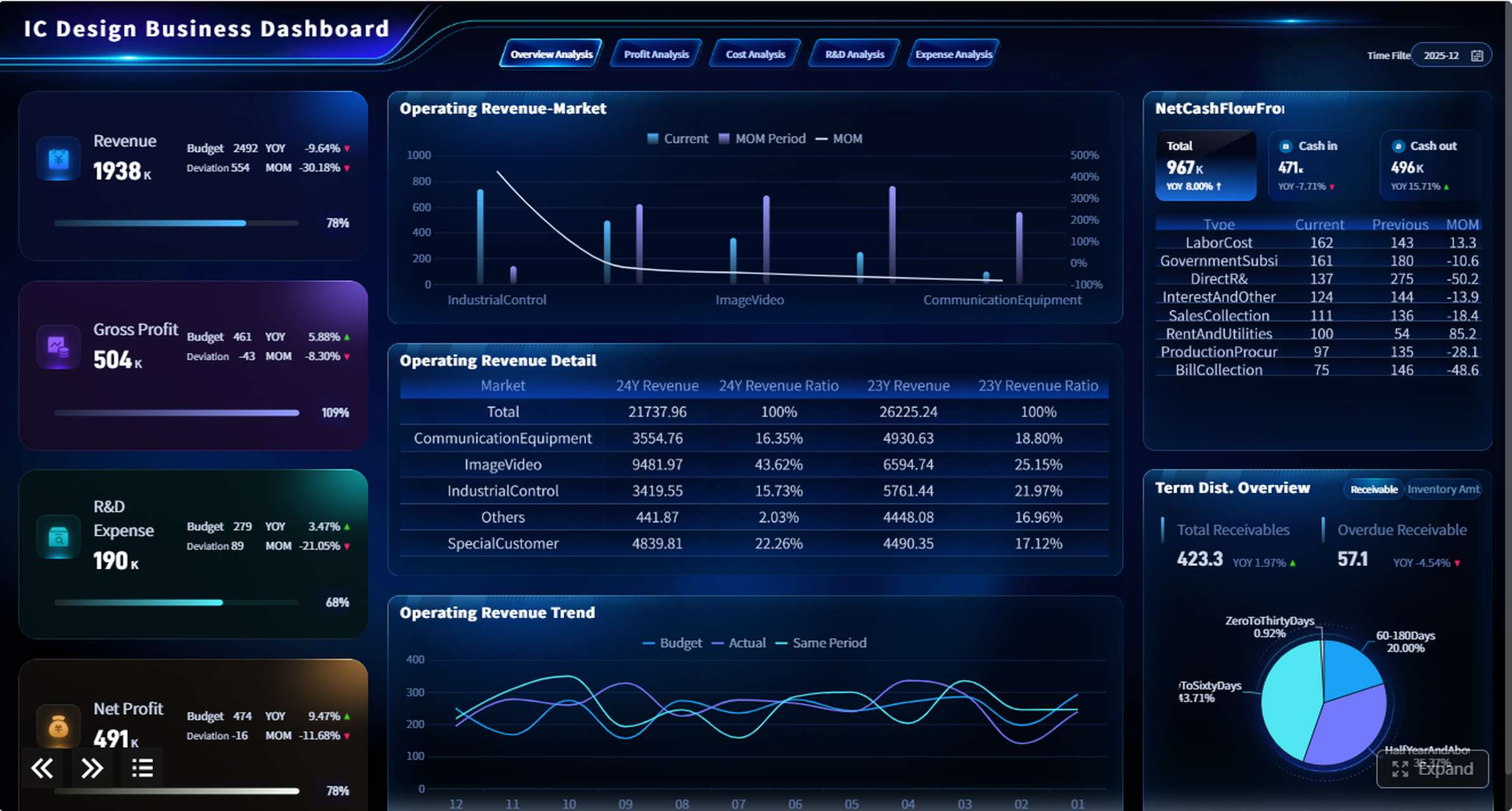
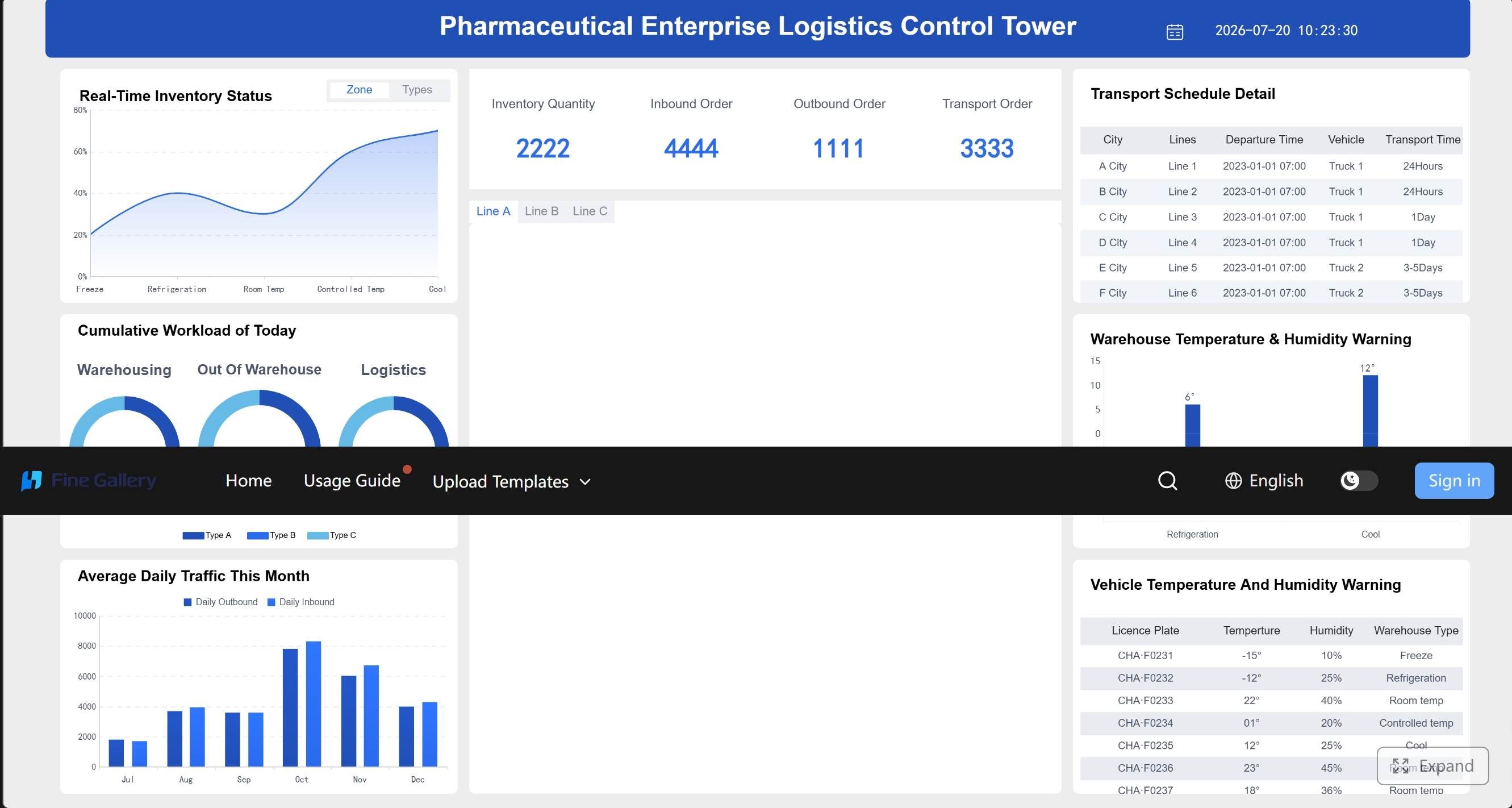 This pharmaceutical logistics control tower dashboard monitors real-time inventory, order volumes, transport schedules and cold chain temperature warnings for drug supply chain management.
The Core Capabilities of a Regulatory Reporting Platform
Not all tools that claim automation are built for regulatory-grade reporting. Some only automate task steps. Others help generate reports but lack traceability or governance. Decision-makers should focus on platform capabilities that support the full lifecycle.
Workflow orchestration and rule-based automation
Workflow orchestration is what keeps recurring obligations from becoming fragmented projects. It coordinates dependencies across extraction, validation, approvals, and submission.
Key orchestration capabilities include:
- Scheduled and event-driven job execution
- Deadline-based task sequencing
- SLA monitoring and escalation
- Rule engines for filing triggers and business logic
- Exception queues for human review
- Repeatable templates across entities or jurisdictions
Rule-based automation is especially important because most reporting obligations depend on deterministic logic. Compliance teams need predictable outputs that can be reconstructed later. If the same inputs produce different outputs, the control model is weak.
AI-powered analysis and anomaly detection
AI-powered regulatory reporting automation solutions can add value when used in the right places. They are most useful in identifying patterns, gaps, or anomalies that humans may miss at scale.
Practical AI use cases include:
- Detecting missing or inconsistent fields before submission
- Identifying outlier transactions or balances
- Flagging unusual patterns compared to historical filings
- Assisting with classification of unstructured content
- Suggesting likely root causes for recurring exceptions
- Supporting narrative drafting for specific report types
The key is governance. AI should support investigation and efficiency, not replace core accountability. In a regulated environment, explainability and reviewability matter more than novelty.
Integration, security, and governance controls
A reporting platform is only as strong as its ability to connect securely to the systems and controls around it.
Critical capabilities include:
- API and file-based connectivity to internal systems
- Support for structured and unstructured inputs
- Role-based access permissions
- Encryption in transit and at rest
- Segregation of duties
- Data retention and purge policies
- Evidence and document management
- Centralized policy and control administration
Traceability is a non-negotiable requirement. Teams must be able to follow data lineage from source to transformation to approval to submission. Without that, even a fast reporting process may fail under audit scrutiny.
Benefits, Risks, and Common Challenges
Automated regulatory reporting delivers strong returns when implemented well, but leaders should evaluate it with both optimism and discipline.
Main benefits of automation
The most immediate gains usually show up in four areas:
- Precision: Automated validation and standardized mappings reduce avoidable reporting errors.
- Reduced manual effort: Teams spend less time collecting, cleansing, and reformatting data.
- Faster turnaround: Reporting cycles shrink because extraction, calculations, and routing happen automatically.
- Improved control: Centralized workflows, approvals, and audit trails strengthen governance.
There are also strategic benefits. Automation creates consistency across entities, improves readiness for regulatory exams, and makes scaling reporting obligations far more manageable as the business grows.
Risks organizations must manage
Automation does not eliminate risk. It changes the risk profile.
Common risks include:
- Poor source data feeding bad outputs faster
- Weak rule configuration causing systematic errors
- Incomplete mappings to regulator schemas
- Insufficient oversight of AI-assisted processes
- Overreliance on automation without periodic control testing
- Hidden manual workarounds outside the platform
The biggest mistake is assuming that once a workflow is automated, it is permanently correct. Regulatory reporting logic must be maintained, tested, and challenged.
Common implementation challenges
Most enterprises encounter similar barriers:
- Legacy systems with inconsistent data structures
- Fragmented ownership across compliance, finance, IT, and operations
- Frequent regulatory changes requiring rapid reconfiguration
- User resistance from teams accustomed to spreadsheets
- Limited data governance maturity
- Unclear accountability for exceptions and sign-off
Despite these challenges, automation has become a practical necessity. Reporting volumes are increasing, scrutiny is increasing, and tolerance for weak evidence is decreasing. In that environment, manual reporting does not just cost more. It creates avoidable regulatory exposure.
How Organizations Implement and Evaluate Automation Tools
The most successful implementations are not tool-first. They are process-first. Enterprises that treat automation as a software purchase alone often end up recreating broken manual logic in a new interface.
Choosing the right solution for your reporting environment
When comparing tools, regulated firms should evaluate them against a focused criteria set:
- Coverage: Does the solution support the report types, jurisdictions, and formats you actually need?
- Configurability: Can business rules, mappings, workflows, and templates be updated without major redevelopment?
- Auditability: Can you reconstruct every data element, rule execution, approval, and submission event?
- Regulator-specific support: Does the tool handle local filing nuances, taxonomies, and accepted submission methods?
- Deployment model: Cloud, on-premise, or hybrid—what aligns with your security and data residency requirements?
- Integration depth: How well does it connect to core source systems and downstream controls?
- Security and governance: Are access controls, encryption, retention, and evidence handling enterprise-grade?
- Scalability: Can it support more entities, reports, and data volumes without redesign?
- Usability: Can compliance and reporting teams work in it without excessive IT dependence?
- Change management support: How easily can updates be tested and promoted into production?
Banks and other regulated firms often compare three broad options:
- General workflow or automation platforms that need significant customization
- Point solutions built for narrow report types or specific jurisdictions
- Specialized regulatory reporting software designed for end-to-end compliance workflows
The right choice depends on complexity, regulatory scope, internal architecture, and control expectations.
Implementation roadmap from pilot to production
A practical implementation usually follows a staged roadmap.
1. Process mapping
Document the current reporting lifecycle end-to-end. Identify data sources, business rules, handoffs, approvals, deadlines, and known failure points.
2. Data assessment
Evaluate source data quality, ownership, completeness, and integration readiness. This step often surfaces more issues than the technology evaluation itself.
3. Rules and mapping design
Define reporting logic clearly. Build the mapping between internal fields and regulator-required outputs. Establish validation rules and exception thresholds.
4. Testing and control validation
Test with historical data, edge cases, and negative scenarios. Confirm that calculations, formatting, escalation logic, and evidence capture all work as intended.
5. Parallel runs
Run the automated process alongside the existing manual process for one or more cycles. Compare outputs, exceptions, timing, and evidence quality.
6. Controlled rollout
Deploy by report type, legal entity, or jurisdiction. Avoid a big-bang launch unless the scope is narrow and highly standardized.
Ongoing monitoring and continuous improvement
Go-live is the start of operational discipline, not the end of the project. Reporting teams should continuously monitor:
- Error and rejection rates
- Submission timeliness
- Exception volumes by root cause
- Approval delays
- Regulatory change backlog
- Control failures or overrides
- User adoption and manual workaround frequency
Vendor evaluation should also include practical questions such as:
- How are rule changes tested and approved?
- What audit evidence is captured by default?
- How are rejected submissions handled?
- How quickly can new report templates be added?
- What support exists for regulator-specific schema updates?
- Can the platform explain how each final field was derived?
- How does the solution govern AI-assisted functions?
- What happens when source systems change structure or availability?
Turning Methodology Into Scalable Execution
Get Ready-to-Use Dashboard Templates in Fine Gallery
The methodology is clear: connect source data, apply governed transformations, route reports through controlled approvals, submit on time, and preserve a complete audit trail. The challenge is that building this manually across multiple systems, jurisdictions, and report types is complex, expensive, and difficult to maintain.
That is where [FineBI ] becomes the practical enabler. Building this manually is complex; use [FineBI ] to utilize ready-made templates and automate this entire workflow. Instead of stitching together scripts, spreadsheets, approvals, and evidence repositories, teams can centralize the full reporting lifecycle in one governed environment.
For enterprise buyers, the value is not just faster reporting. It is stronger control, cleaner auditability, and a reporting operating model that can scale as obligations grow. If your organization is under pressure to reduce compliance risk while improving efficiency, automated regulatory reporting is no longer a future-state project. It is an operational requirement.
FAQs
Automated regulatory reporting is software-driven reporting that collects data from source systems, applies validation and mapping rules, generates regulator-ready outputs, and tracks approvals, submission, and evidence in one controlled workflow.