

In the realm of modern businesses, the importance of data integration cannot be overstated. With 63% of companies investing in integrations to enhance retention and 84% considering it a key requirement, the significance is clear. This blog aims to shed light on the pivotal role that data integration tools play in driving efficiency, insights, and strategic decision-making. Here are the top 10 data integration tools for 2026:
- FineDataLink
- Oracle Data Integrator (ODI)
- Fivetran
- Apache Airflow
- AWS Glue
- Informatica PowerCenter
- Talend
- MuleSoft Anypoint Platform
- Microsoft SQL Server Integration Services (SSIS)
- Astera
As we delve into the top 10 data integration tools, get ready to explore how these solutions empower organizations to harness the power of data from diverse sources and derive valuable insights.
Overview of Data Integration Tools
In the realm of data management, Data integration tools serve as the backbone for organizations seeking to streamline their operations and enhance decision-making processes. Understanding the essence of these tools is crucial for businesses aiming to stay ahead in today's competitive landscape.
What are Data Integration Tools?
Data integration tools are specialized software solutions designed to facilitate the seamless flow of information across various systems and platforms within an organization. By enabling the consolidation and transformation of data from disparate sources, these tools empower businesses to gain a unified view of their operations and make informed decisions based on accurate insights.
Why Businesses Need Data Integration Tools
The necessity for data integration tools stems from the ever-increasing volume and complexity of data generated in today's digital age. With organizations dealing with a myriad of data sources such as databases, applications, and cloud services, the ability to harmonize this information is paramount. Data integration tools play a pivotal role in ensuring data accuracy, consistency, and accessibility, thereby enhancing operational efficiency and driving strategic initiatives forward.
Key Features to Look For Data Integration Tools
When evaluating data integration tools, organizations should prioritize key features that align with their specific requirements:
- Scalability: The ability to scale seamlessly as data volumes grow is essential for accommodating future business needs.
- Ease of Use: Intuitive interfaces and user-friendly functionalities ensure that users can leverage the tool effectively without extensive training.
- Compatibility: Ensuring compatibility with existing systems and technologies is crucial for seamless integration without disruptions or compatibility issues.
How Do Data Integration Tools Work?
To comprehend the functionality of Data integration tools, one must grasp their operational essence. These tools operate by seamlessly merging data from various sources into a unified platform. This process involves extracting data from disparate systems, transforming it into a standardized format, and loading it into a target destination.
Data integration tools work by upgrading existing infrastructure to enhance operational efficiency. They facilitate the seamless transition of data to cloud-based platforms, enabling organizations to leverage scalable resources effectively. Moreover, these tools consolidate data from multiple sources, providing a comprehensive view for informed decision-making.
In real-world scenarios, businesses utilize data integration tools to streamline operations and drive strategic initiatives forward. By harmonizing information from diverse origins, these tools empower organizations to unlock valuable insights and optimize their processes efficiently.
Types of Data Integration Solutions
Data integration is the process of combining data from different sources to provide a unified view. It is essential for businesses to ensure consistency, accuracy, and accessibility of data across various systems. There are several types of data integration solutions, each suited to different needs and environments. Here are the main types:
1. ETL (Extract, Transform, Load)
- Extract: Data is extracted from different sources.
- Transform: Data is cleaned, formatted, and transformed into a suitable format.
- Load: Transformed data is loaded into a target database or data warehouse.
- Use Case: Ideal for batch processing and when data needs significant transformation.
2. ELT (Extract, Load, Transform)
- Extract: Data is extracted from various sources.
- Load: Data is loaded into a target system.
- Transform: Data transformation occurs in the target system.
- Use Case: Suitable for large datasets and when using powerful target systems like cloud data warehouses that can handle transformation.
3. Data Replication
- Process: Copies data from one database to another, ensuring that both databases remain synchronized.
- Types: Can be done in real-time or in batches.
- Use Case: Useful for disaster recovery, backup, and maintaining consistency across distributed databases.
4. Data Virtualization
- Process: Provides a unified view of data from multiple sources without physically moving the data.
- Key Feature: Queries data in place and combines results in real time.
- Use Case: Ideal for real-time data access and minimizing data redundancy.
5. Data Warehousing
- Process: Collects and manages data from various sources to provide meaningful business insights.
- Components: Involves ETL processes to load data into a centralized repository.
- Use Case: Used for business intelligence, reporting, and analytics.
6. Data Federation
- Process: Creates a virtual database by aggregating data from multiple sources.
- Key Feature: Data remains in its original location and is accessed on demand.
- Use Case: Suitable for creating real-time views of data across disparate sources without data duplication.
7. Data Consolidation
- Process: Combines data from multiple sources into a single, unified database.
- Key Feature: Physical movement of data into a central repository.
- Use Case: Useful for reducing data silos and improving data accessibility.
8. iPaaS (Integration Platform as a Service)
- Process: Cloud-based platform providing tools for connecting applications and data sources.
- Features: Supports a variety of integration patterns including ETL, API management, and real-time integration.
- Use Case: Ideal for integrating cloud applications and services with on-premises systems.
9. API Integration
- Process: Uses APIs to allow applications to communicate and share data.
- Key Feature: Enables real-time data exchange and interaction.
- Use Case: Essential for connecting modern applications, especially in microservices architectures.
10. Data Lakes
- Process: Centralized repository that stores raw data in its native format.
- Key Feature: Can store structured, semi-structured, and unstructured data.
- Use Case: Useful for big data analytics and storing vast amounts of data at a low cost.
11. Stream Integration
- Process: Real-time data integration from streaming sources like IoT devices, logs, and social media.
- Key Feature: Processes data in real-time as it is generated.
- Use Case: Critical for real-time analytics, monitoring, and event-driven architectures.
Choosing the Right Solution
Selecting the right data integration solution depends on several factors:
- Volume and Variety of Data: Consider the amount and types of data to be integrated.
- Latency Requirements: Determine whether real-time integration or batch processing is needed.
- Transformation Needs: Assess the complexity of data transformation required.
- Scalability: Ensure the solution can scale with growing data volumes.
- Cost: Evaluate the total cost of ownership, including initial setup and ongoing maintenance.
- Compliance: Ensure the solution meets regulatory and compliance requirements.
Each of these data integration solutions has its strengths and weaknesses, making them suitable for different scenarios and business needs.
Top 10 Data Integration Tools
With this in mind, we’ve compiled a list of the best data integration tools and platforms to look out for this year. While there are several data integration platforms available, each offers unique functions. Here are the top 10 data integration tools of 2026, along with their pros and cons:
1.FineDataLink
Website: https://www.fanruan.com/en/finedatalink
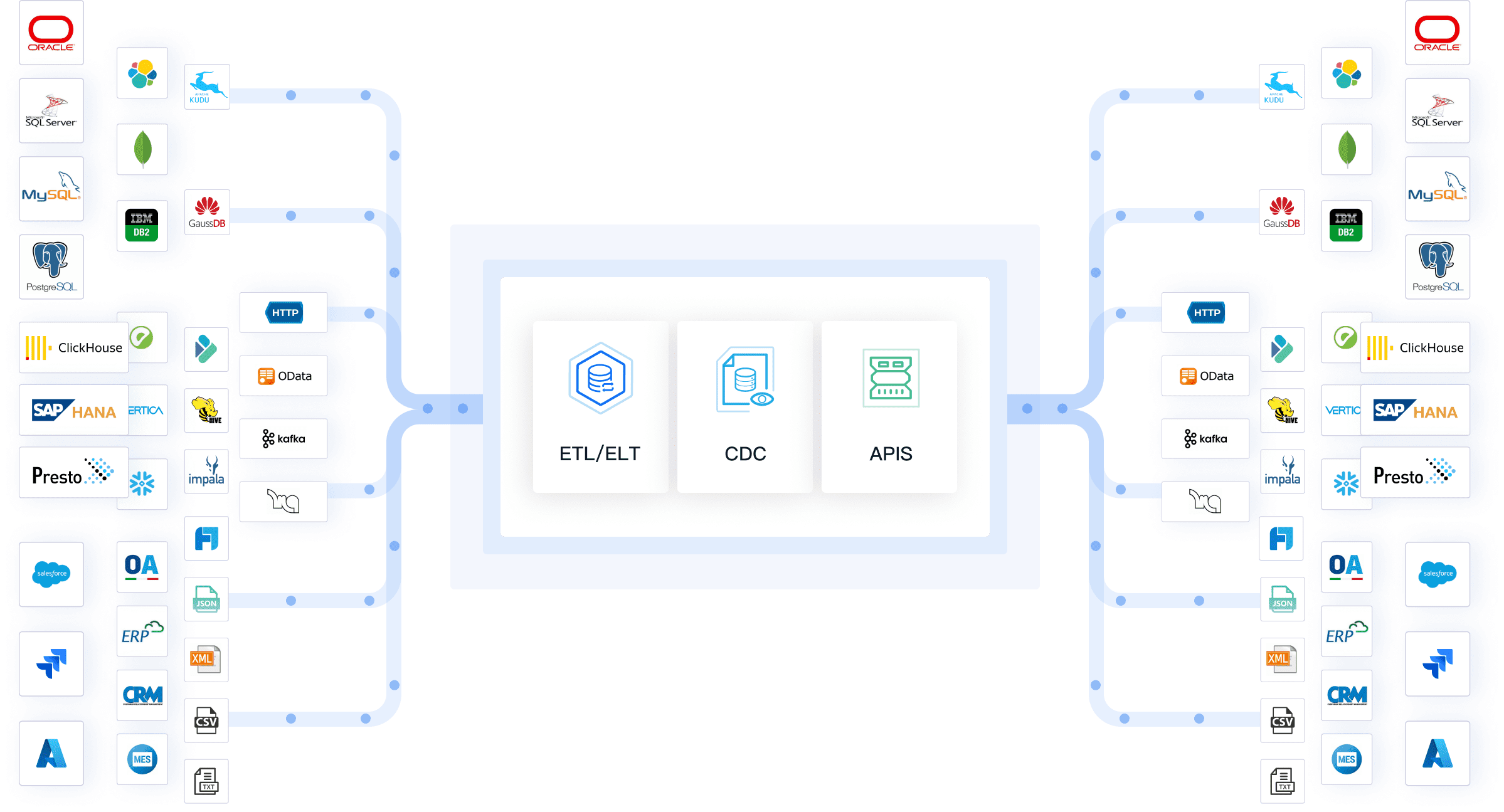
As a modern and scalable data integration tool, FinedataLink addresses the challenges of data integration, data quality, and data analytics through three core functions: real-time data synchronization, ETL/ELT processes, and API integration.
Transform your data integration experience! Click the banner below to try FineDataLink for free and see how seamless data management can be!
Key Features
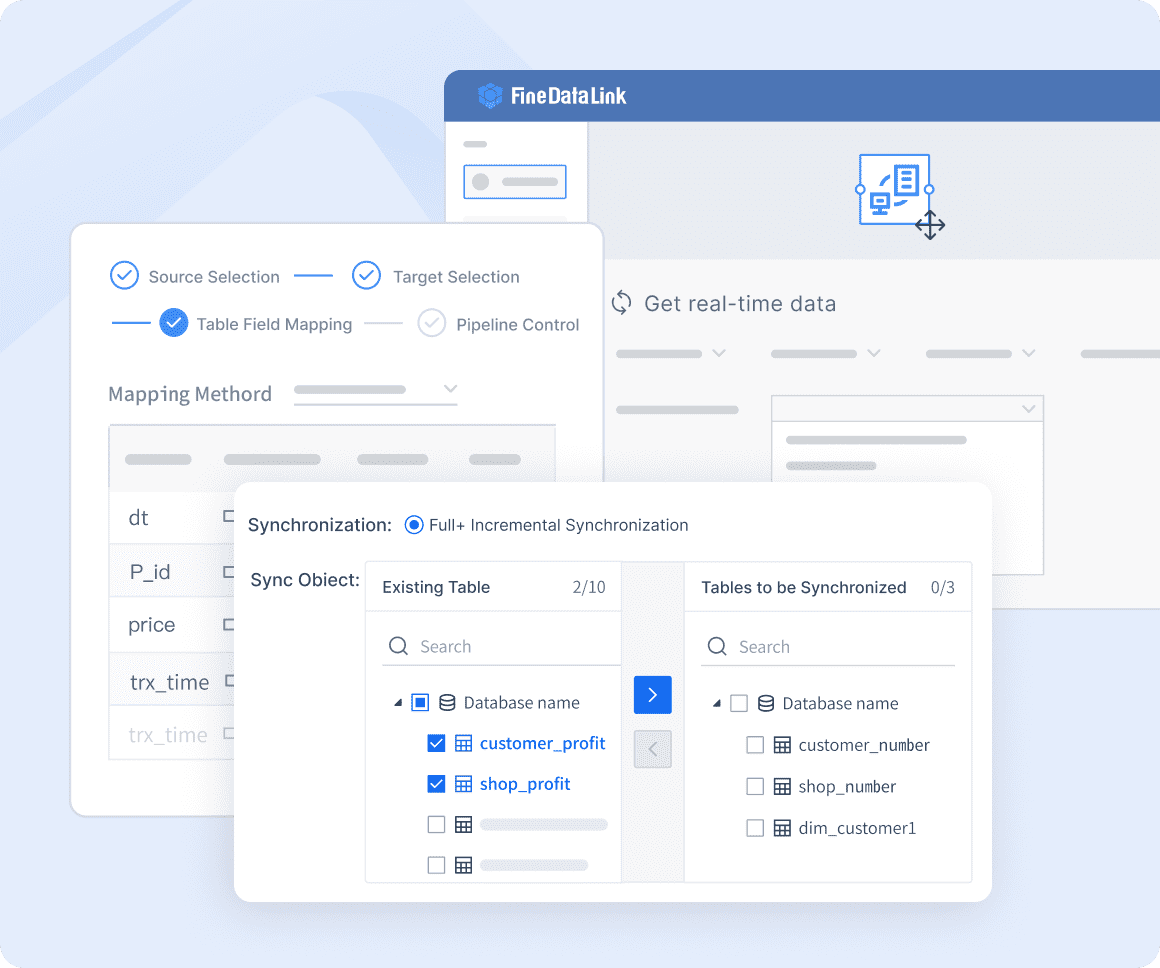
- Real-Time Data Synchronization: FinedataLink can synchronize data across multiple tables in real time with minimal latency, typically measured in milliseconds. This makes it ideal for database migration, backup, and building real-time data warehouses.
- ETL and Data Preprocessing: One of FinedataLink’s core functions is timed data calculation and synchronization, which can be used for data preprocessing and serves as an ETL tool for building data warehouses.
- Easy API Integration: FinedataLink allows for the development and deployment of API interfaces in just 5 minutes without writing code. This capability is highly useful for sharing data between different systems, especially in SaaS applications.
Main Solutions
- Offline Data Warehouse Construction: FinedataLink assists in building offline data warehouses, ensuring efficient data storage and management.
- Real-Time Data Warehouse Construction: FinedataLink supports the creation of real-time data warehouses, enabling immediate data access and analytics.
- Data Management and Governance: FinedataLink enhances data management and governance, ensuring data quality and compliance across systems.
Benefits
- Simplifies complex data processes
- Enhances data accuracy and consistency
- Enables seamless integration with various systems
2.Oracle Data Integrator (ODI)
Website: https://www.oracle.com/apac/middleware/technologies/data-integrator.html
Key Features
- Optimized ETL processes
- Seamless integration within Oracle environments
- Real-time data movement capabilities
Benefits
- Improved operational efficiency
- Enhanced data security measures
- Scalable architecture for growing businesses
Use Cases
- Integrating customer relationship management (CRM) data
- Synchronizing inventory databases
3.Fivetran
Website: https://www.fivetran.com/
Key Features
- Automated data pipeline creation
- Real-time data synchronization capabilities
- Intuitive dashboard for monitoring workflows
Benefits
- Reduces manual intervention in data processing
- Accelerates decision-making processes
- Ensures up-to-date insights for stakeholders
Use Cases
- Consolidating e-commerce platform data
- Integrating customer feedback from multiple sources
4.Apache Airflow
Website: https://airflow.apache.org/
Key Features
- Simplifies orchestration of complex workflows
- Offers a scalable and extensible workflow automation platform
- Provides rich library support for diverse integrations
Benefits
- Enhances operational efficiency by automating workflow management
- Facilitates the monitoring and tracking of data pipelines effectively
- Enables seamless integration with various data sources
Use Cases
- Automating data processing tasks for real-time analytics
- Orchestrating ETL processes for streamlined data integration
- Managing scheduled data workflows with ease
5.AWS Glue
Website: https://aws.amazon.com/glue/
Key Features
- Supports serverless cloud-based ETL processes
- Enables easy extraction, transformation, and loading of data
- Offers cost-effective solutions for scalable data integration
Benefits
- Reduces the complexity of ETL tasks through automated processes
- Enhances data accuracy and consistency in cloud environments
- Streamlines data cataloging and metadata management efficiently
Use Cases
- Integrating diverse datasets from AWS services seamlessly
- Building and managing data lakes for advanced analytics
- Automating data preparation tasks for machine learning models
6.Informatica PowerCenter
Website: https://www.informatica.com/ja/products/data-integration/powercenter.html
Key Features
- Provides comprehensive capabilities for enterprise-grade data integration
- Supports real-time and batch processing of large datasets
- Ensures secure handling of sensitive information during integration processes
Benefits
- Improves decision-making through reliable access to integrated data insights
- Enhances collaboration among teams with shared access to centralized data resources
- Enables compliance with regulatory requirements through robust governance features
Use Cases
- Integrating customer information across multiple touchpoints for personalized marketing strategies
- Consolidating financial data from disparate sources for accurate reporting and analysis
- Automating complex business workflows to streamline operational processes
7.Talend
Website: https://www.talend.com/
Key Features
- Comprehensive Suite of Data Integration and Management Capabilities
- Open-source Tool with Extensive Connectivity Options
- Robust Data Quality and Governance Features
Benefits
- Simplifies Complex Data Processes through Intuitive Interfaces
- Enhances Collaboration Among Teams with Shared Access to Centralized Resources
- Ensures Compliance with Regulatory Requirements for Data Security
Use Cases
- Streamlining Marketing Campaign Data for Targeted Outreach
- Automating Sales Report Generation for Real-time Insights
- Integrating Customer Feedback from Multiple Sources for Improved Services
8.MuleSoft Anypoint Platform
Website: https://www.anypoint.mulesoft.com/login/
Key Features
- Comprehensive API Management Capabilities
- Seamless Connectivity Across Systems and Applications
- Scalable Architecture for Growing Business Needs
Benefits
- Accelerates Decision-making Processes through Real-time Insights
- Facilitates Monitoring and Tracking of Data Pipelines Effectively
- Enables Seamless Integration with Various Data Sources for Unified Views
Use Cases
- Integrating Customer Relationship Management (CRM) Data for Enhanced Engagement Strategies
- Synchronizing Inventory Databases for Optimized Supply Chain Management
- Managing Scheduled Data Workflows Efficiently for Operational Excellence
9.Microsoft SQL Server Integration Services (SSIS)
Website: https://learn.microsoft.com/en-us/sql/integration-services/sql-server-integration-services
Key Features
- Robust ETL Capabilities for Efficient Data Processing
- Seamless Integration within Microsoft Environments
- Real-time Data Movement Capabilities
Benefits
- Improves Decision-making Through Reliable Access to Integrated Insights
- Enhances Operational Efficiency by Automating Workflow Management
- Ensures Secure Handling of Sensitive Information During Integration Processes
Use Cases
- Integrating Financial Data from Disparate Sources for Accurate Reporting
- Automating Complex Business Workflows to Streamline Operations
- Consolidating Customer Information Across Touchpoints for Personalized Strategies
10.Astera
Website: https://www.astera.com/
Key Features
- Comprehensive Data Integration Capabilities
- Intuitive Interface for Easy Navigation
- Robust Data Quality and Governance Features
Benefits
- Simplifies complex data processes effectively
- Enhances collaboration among teams for streamlined operations
- Ensures compliance with regulatory requirements seamlessly
Use Cases
- Streamlining marketing campaign data for targeted outreach
- Automating sales report generation for real-time insights
- Integrating customer feedback from multiple sources for improved services
Comparison and Use Cases of Data Integration Tools
Comparing the Data Integration Tools
Performance
When evaluating Data integration tools, one crucial aspect to consider is their performance. The efficiency and speed at which these tools can ingest, transform, and transmit data play a significant role in enhancing operational workflows. FineDataLink stands out for its ability to handle complex data integration scenarios seamlessly, offering extensive connectivity through community-developed plugins. On the other hand, Oracle Data Integrator excels in optimizing ETL processes within Oracle environments, ensuring real-time data movement capabilities for enhanced operational efficiency.
Cost
Cost-effectiveness is another vital factor when comparing data integration tools. Organizations need solutions that provide robust features without exceeding budget constraints. While Pentaho Data Integration offers an open-source option with comprehensive data connectors, FineDataLink provides automated data pipeline creation at a competitive price point. Understanding the cost implications of these tools is essential for businesses looking to maximize their data integration capabilities efficiently.
Best Use Cases of Data Integration Tools
Small Businesses
For small businesses with limited resources and scalability needs, cloud-based solutions like AWS Glue offer a cost-effective approach to data integration. These platforms enable seamless extraction, transformation, and loading of data while providing scalability options as the business grows. Additionally, tools like Talend, with their open-source nature and robust data quality features, cater to the specific requirements of small enterprises looking to streamline their operations effectively.
Large Enterprises
In contrast, large enterprises require enterprise-grade solutions like FineDataLink to manage vast amounts of data from diverse sources securely. These tools offer comprehensive capabilities for integrating disparate data sources while ensuring compliance with regulatory requirements. Moreover, platforms such as FineDataLink excel in handling complex API management tasks and facilitating seamless connectivity across systems and applications for large-scale enterprises.
A Conclusion of Data Integration Tools
Reflecting on the Diverse Solutions: The top data integration tools for 2026 offer a spectrum of features catering to various business needs. From the open-source flexibility of Pentaho Data Integration to the automated pipeline creation in FineDataLink, each tool brings unique strengths to the table.
Future-proofing with Cloud-Based Solutions: Embracing cloud-based platforms like AWS Glue ensures scalability and efficiency in data management. These solutions pave the way for seamless extraction, transformation, and loading processes while optimizing costs effectively.
Empowering Workflow Orchestration: Tools like FineDataLink and Amazon Managed Workflows for Apache Airflows (Amazon MWAA) streamline complex workflows with visual representations and precise task scheduling. By orchestrating data pipelines effortlessly, businesses can enhance operational agility and decision-making prowess.
In essence, the realm of data integration tools continues to evolve, offering innovative solutions that empower organizations to harness the full potential of their data assets efficiently.
In the realm of data integration tools, the significance of seamless connectivity and efficient data management cannot be overlooked. As businesses strive to streamline their operations and enhance decision-making processes, the top 10 tools for 2026 offer a diverse range of capabilities to meet these evolving needs effectively. Each tool brings unique strengths to the table, paving the way for future trends in data integration. With a focus on empowering workflow orchestration and optimizing data processes, these tools set a solid foundation for organizations looking to harness the full potential of their data assets efficiently.
In summary, by following these tips for selecting and implementing data integration tools, alongside best practices for data integration and management, businesses can effectively harness the power of these transformative solutions to meet their evolving data needs. Considering these factors, FineDataLink may be your best choice.
Click the banner below to try FineDataLink for free and empower your enterprise to transform data into productivity!
Continue Reading about Data Integration
Essential Data Integration: A Beginner's Guide
Top 10 Data Integration Software for 2026
What is API Data Integration? API vs Data Integration
Best Data Integration Platforms to Use in 2026