
An annual business report is one of the most important state compliance filings for LLCs and corporations. If you miss it, your business can face late fees, lose good standing, or even be administratively dissolved. For owners, office managers, and operations teams, the challenge is rarely the form itself. The real problem is knowing what your state requires, when it is due, what information to include, and how to avoid filing errors that create bigger compliance issues later.
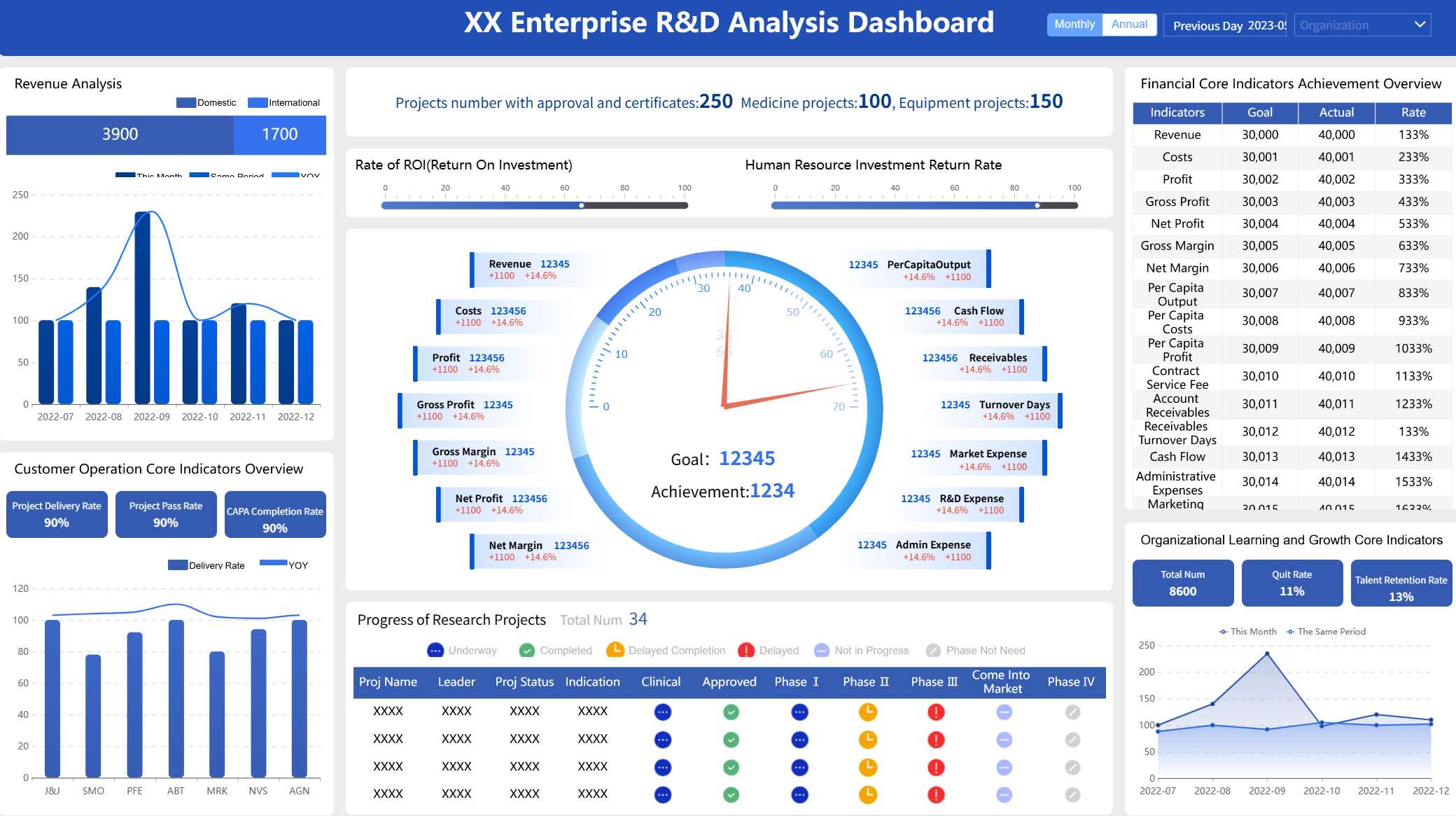
All reports in this article are built with FineReport.
What the annual business report is and why it matters
An annual business report is a state-required filing that updates or confirms key information about your LLC or corporation. Despite the name, it usually is not a financial report for investors and it is not your federal tax return. In most cases, it is simply a compliance document filed with the state business filing office, often the Secretary of State.
For beginners, the easiest way to think about it is this: the state wants to know that your business still exists, where it is located, who is responsible for it, and who can legally receive official notices on its behalf.
What an annual business report usually includes
States vary, but many annual business report filings ask for some or all of the following:
- Legal business name: The exact name registered with the state
- State-issued identification number: Often a file number, entity number, or charter number
- Principal office address: Your main business location
- Mailing address: Where the state should send correspondence, if different
- Registered agent name: The person or company authorized to receive legal documents
- Registered office address: The physical address of the registered agent
- Management details: Names and addresses of members, managers, directors, or officers
- Authorized signer information: The person submitting the filing on behalf of the business
How this filing differs from taxes and other reports
Many first-time business owners confuse an annual business report with other filings. They are not the same.
- Annual business report: A state compliance update for your entity record
- Federal tax return: A tax filing with the IRS
- State tax filing: A separate filing for state tax obligations
- Internal annual report: A company-created report for owners, leadership, or investors
That distinction matters because filing taxes does not usually satisfy your annual report obligation. You may be fully current with the IRS and still fall out of good standing with your state if you skip your annual business report.
Why staying current matters
Filing your annual business report on time helps your business:
- Maintain good standing with the state
- Avoid late fees and penalties
- Prevent administrative dissolution or revocation
- Preserve the ability to open bank accounts, renew licenses, sign contracts, or secure financing
- Keep public business records accurate
For growing companies, this is more than a paperwork issue. Lenders, vendors, investors, and government agencies often check whether a business is active and in good standing before moving forward.
The core framework: what to track before filing an annual business report
A reliable annual business report process depends on having the right compliance data ready before the deadline. If you manage one entity or a portfolio of entities, a simple tracking framework can reduce missed filings and rework.
Key Metrics (KPIs) for annual business report compliance
-
Filing deadline
- The exact due date set by the state, based on a fixed date, anniversary month, or reporting cycle
-
Entity status
- Whether the business is active, in good standing, delinquent, dissolved, or revoked
-
Filing frequency
- Annual, biennial, or periodic depending on the state and entity type
-
State filing fee
- The standard amount due to submit the report
-
Late fee exposure
- Additional cost assessed if the annual business report is filed after the deadline
-
Registered agent accuracy
- Whether the current agent name and address match state records
-
Officer or manager data completeness
- Whether required names, titles, and addresses are current and ready for submission
-
Address accuracy rate
- Verification that principal office, mailing, and registered office addresses are up to date
-
Submission confirmation rate
- Whether proof of successful filing has been saved for each entity
-
Next filing visibility
- Whether the next annual business report deadline is already logged in your compliance calendar
For small businesses, these KPIs may live in a spreadsheet. For larger firms, they are better managed in a centralized reporting dashboard that helps operations and legal teams monitor deadlines across states.
Step-by-step: how to file an annual business report
1. Check your state’s filing rules and deadline
Your first step is to confirm exactly what your state requires. Annual business report rules are not standardized across the U.S. Some states use a fixed annual due date. Others use the anniversary month of formation. Some require filing every year, while others require a report every two years or use a different label such as periodic report or statement of information.
Before you start, verify:
- Whether your business must file an annual business report
- Whether the filing applies to your specific entity type
- The due date and filing window
- The fee
- Any late penalties
- Whether the state accepts online, mail, or in-person submission
What to look for on the state filing website
Check the official state business filing office for:
- Entity search tools
- Annual report or periodic report instructions
- Online filing portal access
- Downloadable forms, if paper filing is allowed
- Fee schedules
- Reinstatement rules if the entity is already delinquent
If your business operates in multiple states, review each jurisdiction separately. A foreign LLC or corporation registered outside its home state may have separate annual business report requirements in each state where it is authorized to do business.
2. Gather the business details you will need
Once you confirm your state rules, collect the exact information required for the filing. This is where many beginners lose time. They start the form and realize they do not have the current registered agent address, officer list, or state file number.
At minimum, gather:
- Legal business name
- State-issued identification number
- Principal office address
- Mailing address, if different
- Registered agent name
- Registered office address
- Names and addresses of members, managers, directors, or officers, if the state requires them
Best practice: verify every field before you log in
Do not rely on memory or old formation paperwork. Confirm details against:
- Your latest state filing
- Internal corporate records
- Registered agent records
- Board or management updates
- Recent address changes
If your company has changed locations, leadership, or management structure, make sure the data reflects the current state of the business.
3. Complete and submit the filing
Use the correct online portal or official state form. Enter every detail carefully. Even if the state pre-populates fields from prior records, review them line by line. A beginner mistake is assuming existing state data is still correct.
As you complete the annual business report:
- Enter the entity name and identification number exactly as shown in state records
- Update addresses and management information where permitted
- Review spelling, titles, and street addresses carefully
- Confirm the registered agent details are accurate
- Pay the filing fee using the accepted payment method
- Submit the filing and wait for confirmation
Before you click submit, double-check these items
- Exact legal entity name
- Business ID number
- Registered agent spelling
- Principal and mailing addresses
- Manager, member, director, or officer information
- Signature or authorized submitter name
- Fee amount
Some states allow changes to certain business details through the annual filing. Others do not. If the portal says a name change or structural change requires a separate amendment, do not assume the annual business report will update it for you.
4. Update your records after filing
Filing is not complete until your records are updated internally. This is what separates a one-time filing from a repeatable compliance process.
After submission:
- Save the confirmation page
- Download or print the receipt
- Store the stamped or final copy, if available
- Add the filing to your compliance folder or document system
- Record the next deadline
- Note whether any separate amendments still need to be filed
For growing businesses, keeping clean compliance records makes future filings much easier and reduces audit risk during financing, M&A, licensing, and due diligence events.
Actionable best practices for filing an annual business report
If I were advising a business owner or operations lead setting up a practical compliance routine, I would recommend these steps.
1. Build a deadline calendar before the filing season starts
Create a compliance calendar that includes:
- Filing due date
- Earliest submission date
- Grace period, if any
- Late fee trigger date
- Reinstatement deadline, if relevant
Do not rely on one reminder. Use at least three: 30 days out, 14 days out, and 3 days out.
2. Maintain a single source of truth for entity data
Store your entity details in one controlled record so you are not pulling addresses and officer names from old emails or inconsistent files. This should include:
- Legal entity names
- State ID numbers
- Formation dates
- Registered agent details
- Current management information
- Prior filing confirmations

3. File early, not on the due date
State portals can be slow near deadlines. Payment errors, login problems, and incomplete data can delay submission. Filing early gives you time to correct issues without risking penalties.
4. Separate annual report filings from tax workflows
The annual business report should be part of your state compliance workflow, not buried inside accounting tasks. Assign clear ownership to one person or team so the responsibility does not fall through the cracks.
5. Keep proof of filing in a retrievable format
Save every filing confirmation in a standardized naming format such as:
State_EntityName_AnnualBusinessReport_Year.pdfState_EntityName_FilingReceipt_Year.pdf
This makes it easy to respond later if a bank, investor, licensing board, or state agency asks for evidence.
Common filing deadlines, fees, and state-by-state differences when filing an annual business report
There is no universal rule for an annual business report. Requirements vary by state and sometimes by entity type. That is why beginners should never copy instructions from a friend in another state and assume they apply to their business.
Common deadline patterns
States commonly use one of these structures:
-
Fixed annual date
- Example structure: all entities file by the same date each year
-
Anniversary month
- Due during the month the business was formed or registered
-
Entity-specific due date
- Based on a formation date, registration date, or state-assigned cycle
-
Biennial or periodic filing
- Required every two years or on another interval
Common fee patterns
Fees also vary widely. Some states charge a modest filing fee, while others assess much higher amounts depending on entity type. In some jurisdictions, additional taxes or separate obligations may apply, but those are not the same as the annual business report itself.
What happens if you miss the due date
Missing your annual business report deadline can lead to:
- Late fees
- Delinquent or noncompliant status
- Loss of good standing
- Administrative dissolution for domestic entities
- Revoked authority for foreign entities
- Additional reinstatement filings and fees
Submission methods vary too
Depending on the state, you may be able to file:
- Online only
- Online or by mail
- By mail or in person
- Through an approved service provider
Always confirm the latest instructions directly with the official state office before you submit. Filing systems, fees, and acceptance rules can change.
Beginner mistakes to avoid when filing an annual business report
Even simple filings create problems when the basics are missed. These are the mistakes I see most often.
Missing the due date
This is the most expensive beginner error. A missed annual business report deadline can trigger:
- Late penalties
- Loss of good standing
- Administrative dissolution
- Revocation of authority to do business in the state
If the state dissolves or revokes your entity, restoring it can require reinstatement filings, past-due reports, and extra fees.
Confusing annual reports with tax filings
An annual business report is usually a state business compliance filing, not a federal income tax return. Filing your taxes does not automatically satisfy the annual report requirement.
Using outdated business information
Do not file with:
- Old office addresses
- Former officers or directors
- Outdated member or manager details
- Incorrect registered agent information
Inaccurate filings can create legal notice problems and may require corrective amendments later.
Forgetting to keep proof of submission
If you do not save confirmation records, it becomes harder to prove the report was filed on time. Always keep:
- Submission confirmation
- Payment receipt
- Final accepted copy, if available
Frequently asked questions about an annual business report
Do all LLCs and corporations have to file one?
No. Requirements depend on the state and the entity type. Many states require LLCs and corporations to file an annual business report or similar document, but not all states use the same schedule or name. Always check your state’s current rules.
What if my state calls it a periodic report instead?
That is common. Some states use names such as:
- Periodic report
- Statement of information
- Biennial report
- Annual registration
Even if the title is different, the purpose is often similar: updating the state’s record of your business.
Can I file the report myself?
Yes, in many cases business owners can file the annual business report themselves through the official state website. This is often manageable if your entity structure is simple and your information is current. You may want legal or filing-service help if:
- You operate in multiple states
- Your entity record is already delinquent
- You need reinstatement
- Ownership or management changes are complex
- You are unsure whether separate amendments are required
What happens if I need to change business details later?
That depends on the state and the type of change. Some updates can be made during the annual business report filing. Others require a separate filing, such as:
- Amendment
- Change of registered agent
- Name change filing
- Officer or director update form
Do not assume the annual report can update every detail.
Final checklist before you file your annual business report
Use this quick checklist to reduce mistakes:
- Confirm your state’s filing name and due date
- Verify whether your entity must file annually or on another cycle
- Gather your legal name and state ID number
- Confirm principal office and mailing addresses
- Verify registered agent name and address
- Review manager, member, director, or officer details
- Check the filing fee and accepted payment method
- Submit through the correct official portal or form
- Save proof of filing and payment
- Log the next deadline immediately
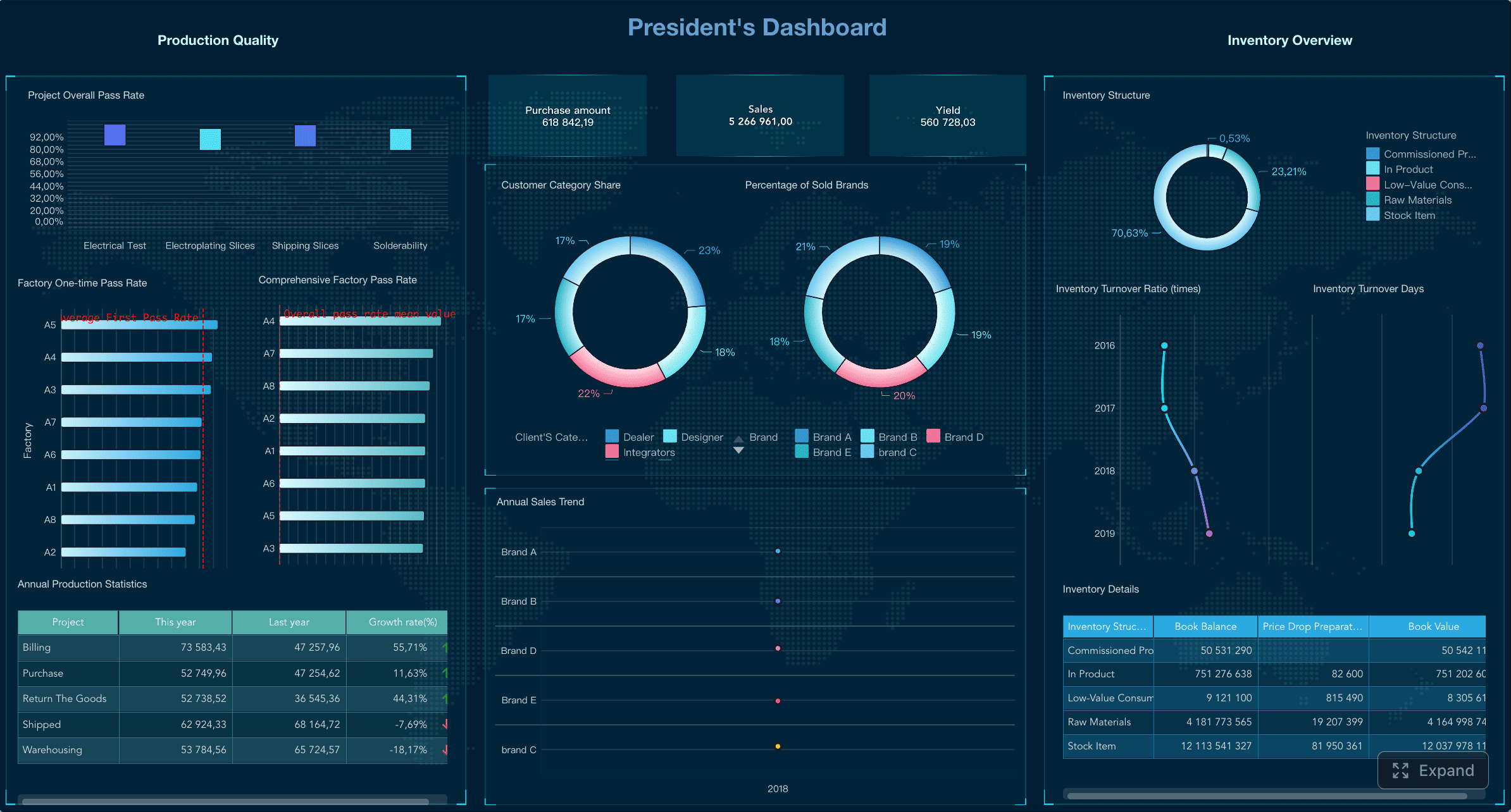
A timely, accurate annual business report filing is one of the simplest ways to protect your business from avoidable compliance problems. For a single LLC, the process is straightforward. For companies managing multiple entities, deadlines, and jurisdictions, visibility becomes the real advantage. A dashboard-driven approach can help teams monitor filing cycles, track entity status, and avoid penalties before they happen.
FAQs
An annual business report is a state compliance filing that updates or confirms key details about your business, such as its address, registered agent, and management information. It is not the same as a federal tax return or an investor financial report.