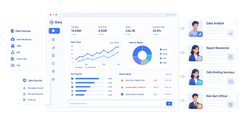
Sustainability reporting tools are software platforms that help companies collect ESG data, align disclosures to reporting frameworks, automate workflows, and produce audit-ready sustainability reports.
Top sustainability reporting tools at a glance
Below is a quick comparison of 12 leading sustainability reporting tools based on starting price visibility, ideal company size, core ESG reporting capabilities, and likely implementation effort.
Highly regulated global enterprises: SpheraCloud, Enablon, Cority, Benchmark Gensuite
Biggest trade-offs to expect
Affordability vs. depth: Lower-complexity tools are easier to deploy but may lack advanced assurance workflows.
Automation vs. customization: Some platforms automate disclosure templates well but limit dashboard flexibility.
Audit readiness vs. speed: Enterprise-grade controls improve assurance, but onboarding usually takes longer.
Carbon specialization vs. full ESG breadth: Climate-focused platforms can be strong on emissions but lighter on broader social and governance reporting.
How to choose the right sustainability reporting tools
Selecting the right sustainability reporting tools depends less on brand recognition and more on reporting scope, data maturity, and regulatory pressure.
Define your reporting goals
Start by clarifying the main purpose of the platform:
Investor reporting: For private equity, lenders, or public market expectations
Voluntary disclosures: For GRI, CDP, SASB, or TCFD-aligned communication
Internal performance management: For tracking KPIs, plant-level metrics, and operational sustainability targets
If your main goal is external compliance, prioritize audit trails, evidence management, and approval workflows. If your goal is internal visibility, dashboards and flexible analytics matter more.
Match the platform to reporting complexity
The best sustainability reporting tools should fit the number of entities, facilities, metrics, and frameworks you manage.
Consider:
Number of business units and reporting owners
Volume of spreadsheet-based data today
Need for ERP, HR, finance, utility, or emissions data connections
Required frameworks and disclosure standards
Need for location-level, supplier-level, or portfolio-level reporting
A simpler business may do well with streamlined ESG software. A multinational group usually needs stronger controls, permissions, and multi-entity consolidation.
Evaluate total cost beyond subscription fees
Software cost is only part of the budget. Also review:
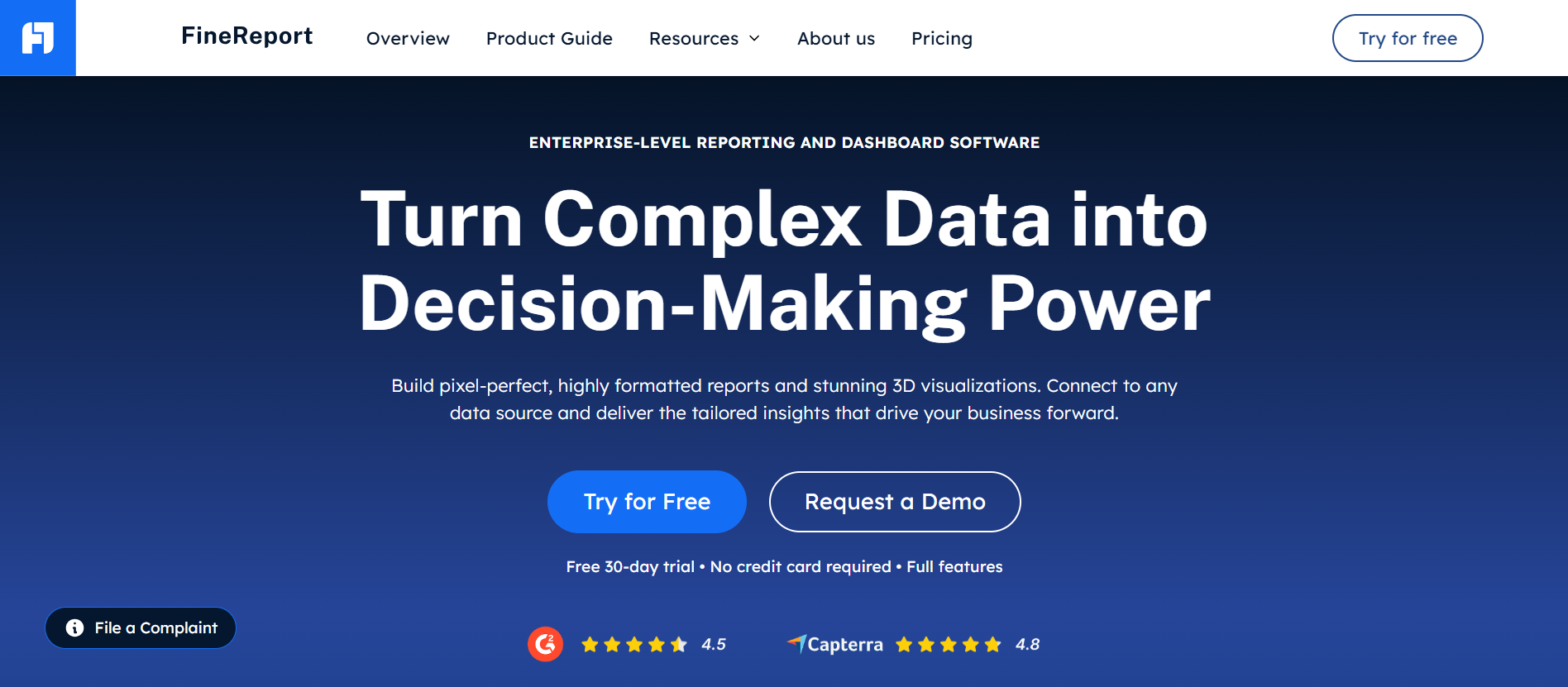
Flexible report designer for sustainability reports and management dashboards
Integration with ERP, finance, HR, and operational databases
Drill-down dashboards for ESG KPIs
Role-based permissions and scheduled reporting
Strong support for custom templates and board-ready outputs
Useful for building a centralized sustainability data layer without replacing every source system
Pros & Cons:
Pros: Strong customization, good visualization, useful for complex internal reporting, adaptable across industries, competitive value versus many enterprise ESG suites
Cons: Not a pure-play ESG platform out of the box, framework mapping may require configuration, implementation quality depends on use case design
Best For (Target user/scenario): Mid-market and enterprise organizations that want flexible sustainability reporting tools with strong reporting customization and lower relative cost than some enterprise ESG suites
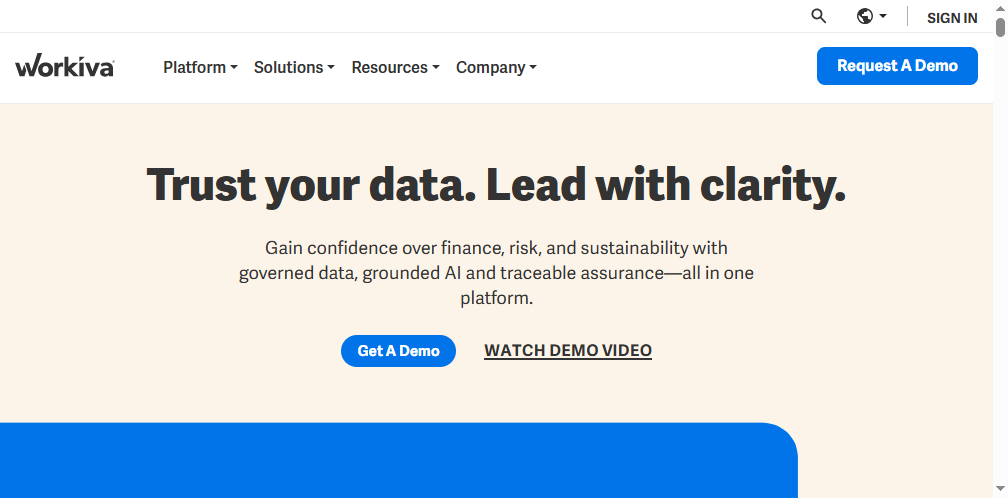
One-sentence overview: Workiva is a connected reporting platform widely used for regulated reporting, combining ESG disclosures, collaboration, internal controls, and audit-ready documentation.
Key Features:
Connected data linking across reports
ESG disclosure workflows
Support for major reporting frameworks
Version control and evidence management
Strong collaboration across finance, legal, and sustainability teams
Pros & Cons:
Pros: Excellent control environment, strong for audit readiness, mature collaboration features, good fit for public-company reporting
Cons: Premium pricing, can be more than smaller teams need, setup may require process maturity
Best For (Target user/scenario): Mid-market and enterprise companies needing strong governance, traceability, and integrated reporting processes
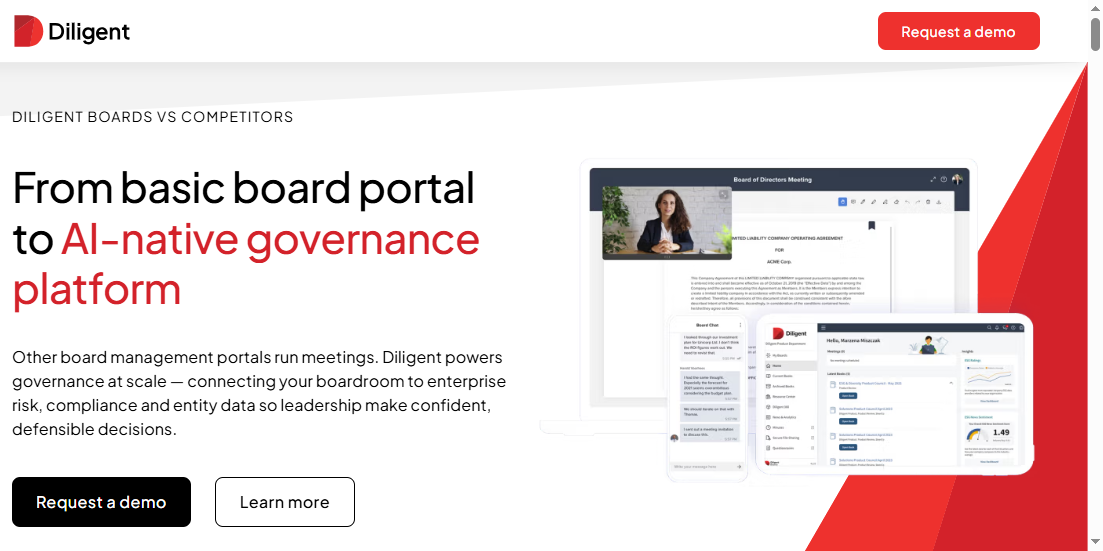
One-sentence overview: Diligent ESG focuses on sustainability data collection, benchmarking, and executive-level oversight, with particular strength in governance and board reporting contexts.
Key Features:
ESG data gathering and normalization
Benchmarking tools
Board and executive reporting
Governance alignment
Disclosure support
Pros & Cons:
Pros: Strong governance angle, useful dashboards, suitable for leadership communication
Cons: Pricing transparency is limited, deeper customization may depend on package level
Best For (Target user/scenario): Organizations that want ESG reporting tied closely to governance, board oversight, and leadership accountability
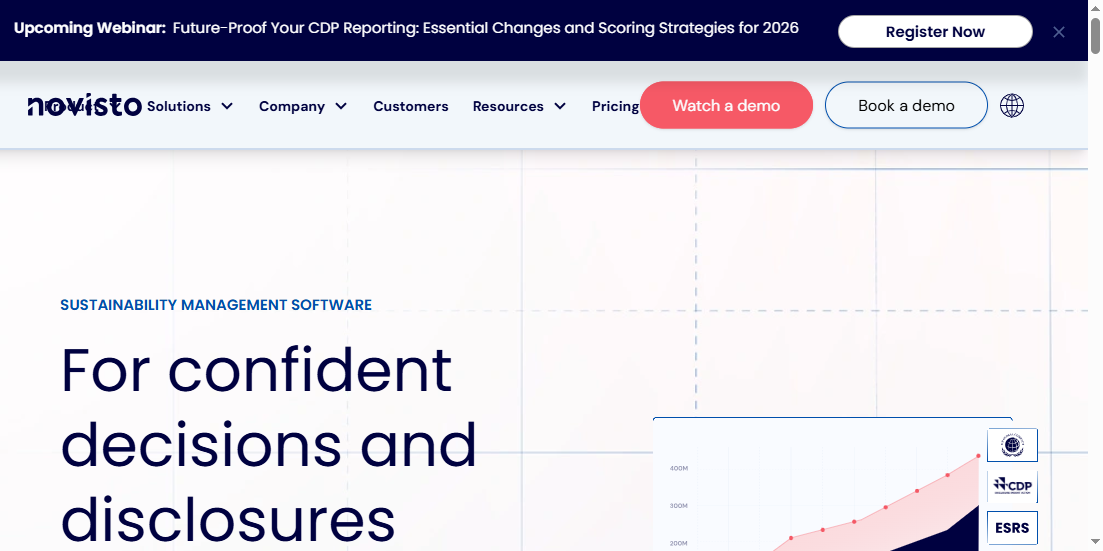
One-sentence overview: Novisto is an ESG data and disclosure management platform designed to centralize ESG metrics and simplify framework-aligned reporting.
Key Features:
Central ESG data model
Framework mapping
Disclosure management workflows
Collaboration tools
Data quality controls
Pros & Cons:
Pros: Clean ESG focus, good for organizing fragmented ESG data, strong reporting process structure
Cons: Custom pricing, may be less appealing for teams wanting very broad BI-style customization
Best For (Target user/scenario): Mid-sized and larger companies seeking structured ESG reporting tools without building everything from scratch
One-sentence overview: Persefoni is a climate-focused platform known for carbon accounting, emissions measurement, and regulatory climate disclosure support.
Key Features:
Scope 1, 2, and 3 emissions tracking
Carbon accounting workflows
Climate disclosure support
Supplier emissions engagement
Analytics for decarbonization planning
Pros & Cons:
Pros: Strong climate specialization, robust emissions capabilities, good fit for carbon-heavy programs
Cons: Broader ESG reporting may require complementary tools, best value depends on climate-reporting intensity
Best For (Target user/scenario): Companies prioritizing carbon reporting and climate disclosure over full-spectrum ESG management
One-sentence overview: Enablon delivers enterprise ESG, risk, and operational control capabilities for organizations with demanding sustainability and assurance requirements.
One-sentence overview: Benchmark Gensuite combines ESG, operational metrics, and compliance workflows in a platform designed for large distributed organizations.
Pros: Good for operational ESG reporting, useful for multi-site businesses, established enterprise workflows
Cons: User experience may vary by module, implementation can be resource-intensive
Best For (Target user/scenario): Enterprises with plant, facility, or field operations that need ESG reporting embedded into day-to-day compliance processes
One-sentence overview: OneTrust ESG & Sustainability Cloud extends OneTrust’s governance and risk strengths into ESG data collection, program management, and disclosure support.
Key Features:
ESG metric tracking
Workflow and policy support
Risk and compliance linkage
Disclosure preparation tools
Cross-functional collaboration
Pros & Cons:
Pros: Good alignment with governance workflows, suitable for organizations already using OneTrust ecosystems
Cons: Less specialized in some environmental data use cases, value depends on broader stack fit
Best For (Target user/scenario): Companies wanting ESG reporting tied to governance, compliance, and enterprise risk management
One-sentence overview: Intelex offers ESG and EHS capabilities in one system, helping companies connect sustainability metrics with operational compliance programs.
One-sentence overview: Cority is a robust enterprise platform for environmental, health, safety, and sustainability reporting, with strong support for large-scale data programs.
One-sentence overview: Novata is a streamlined ESG reporting platform built for private markets and smaller teams that need practical data collection and investor-facing reporting.
Key Features:
Simplified ESG data collection
Benchmarking
Investor reporting support
Guided workflows
User-friendly structure for lean teams
Pros & Cons:
Pros: Easier onboarding, practical for smaller teams, useful for private equity and portfolio reporting
Cons: Less depth for complex multinational reporting, limited fit for highly customized enterprise assurance use cases
Best For (Target user/scenario): Startups, portfolio companies, and smaller mid-market organizations needing lighter-weight sustainability reporting tools
Which tool offers the best value overall
The best-value choice depends on what kind of value matters most to your team.
Good fit for organizations that need custom ESG dashboards and outputs
More adaptable than many rigid ESG tools
Particularly attractive when price discipline matters but reporting complexity is growing
Best for usability and connected reporting:Workiva
Strong collaboration and auditability
Excellent for formal disclosure processes
Best for ESG process structure:Novisto
Good balance between specialization and usability
Strong option for teams formalizing ESG reporting workflows
Best for climate-heavy reporting:Persefoni
Best choice when emissions accounting is the top priority
Best long-term scalability for highly regulated organizations:Enablon or SpheraCloud Sustainability
Suitable for enterprises that can support more complex implementations
Side-by-side comparison of sustainability reporting tools: features that matter most
Reporting frameworks, compliance coverage, and audit readiness
Not all sustainability reporting tools support frameworks in the same way. Some offer broad disclosure mapping, while others focus on data collection and leave final report assembly to your team.
What to compare:
Support for GRI, SASB, TCFD, ISSB, CSRD, CDP
Built-in disclosure templates
Multi-framework mapping
Evidence attachment and document storage
Version history
Approval workflows
Sign-off and assurance support
Best positioned for audit readiness: Workiva, Enablon, SpheraCloud, Cority Best for flexible custom reporting:FineReport Best for simpler investor-oriented ESG reporting: Novata
If you expect external assurance, prioritize traceability and evidence management over dashboard polish alone.
Data collection, integrations, and automation
Data collection often determines whether a platform delivers long-term value. Many ESG programs fail not because reporting is difficult, but because raw data remains trapped across finance, HR, operations, procurement, and utility systems.
If your current ESG process relies on manual spreadsheets from dozens of sites, automation and validation should be top priorities.
Dashboards, collaboration, and executive reporting
The best sustainability reporting tools should help both practitioners and executives. Sustainability managers need data controls, while executives need concise, decision-ready views.
Visual communication for investor and stakeholder use
Best for custom dashboards and executive outputs:FineReport Best for formal collaboration and connected narratives: Workiva Best for governance and leadership communication: Diligent ESG
A tool can be technically strong yet still weak at stakeholder communication. For many companies, executive usability determines adoption.
Pricing models and total cost of ownership
Pricing in this category is usually quote-based, so buyers need to compare commercial structure carefully.
Smaller teams: Lower five figures annually for lighter implementations
Mid-market: Mid to upper five figures annually, depending on integrations and frameworks
Enterprise: Six figures and above once implementation, configuration, and support are included
In many cases:
FineReport can offer better budget efficiency where reporting flexibility matters more than out-of-the-box ESG templates
Novata can be more approachable for leaner teams
Workiva, Enablon, SpheraCloud, and Cority are more likely to sit at the premium end of the market
Final recommendations of sustainability reporting tools by budget and business size
Best overall pick for most companies
FineReport is the strongest overall pick for many organizations because it balances flexibility, reporting depth, dashboard quality, and cost discipline better than many rigid enterprise ESG platforms. It is especially compelling for teams that want sustainability reporting tools that can adapt to existing data environments instead of forcing a full process rebuild.
Best budget-friendly option for smaller teams
Novata is the most practical choice for smaller teams, startups, and private-market portfolio companies that need faster onboarding and lighter reporting structure without enterprise-level complexity.
Best choice for mid-market organizations needing scalability
Workiva and Novisto stand out here.
Choose Workiva if audit readiness, collaboration, and connected reporting are top priorities.
Choose Novisto if you want a focused ESG platform with structured workflows and easier ESG-specific management.
Best enterprise-grade platform for complex ESG reporting and assurance demands
Enablon and SpheraCloud Sustainability are the strongest fits for large organizations with complex assurance, compliance, and multi-entity reporting needs. Cority is also a serious contender for companies where environmental and EHS integration is central.
Checklist for booking demos and making a final decision
Ask how evidence, approvals, and audit trails work
Review actual dashboard and report outputs, not just feature lists
Test spreadsheet imports and source-system integrations
Clarify implementation timeline and internal workload
Request pricing for core platform plus add-ons
Check how the tool handles restatements and historical changes
Verify permission controls for site, regional, and executive users
Ask for examples from companies of similar size and reporting complexity
Compare not just software features, but how quickly your team can reach reliable reporting
For most buyers, the right choice is the platform that reduces reporting friction while still giving finance, sustainability, and leadership teams confidence in the numbers. If you need a flexible and cost-conscious option that can be shaped around your ESG reporting process, FineReport deserves a place at the top of the shortlist.
Sustainability reporting tools help companies collect ESG data, manage workflows, align disclosures to frameworks, and create audit-ready reports. They reduce manual spreadsheet work and improve reporting accuracy.
Match the platform to your reporting complexity, number of entities, and regulatory needs. Smaller teams often need simpler, faster tools, while larger enterprises usually need stronger controls, integrations, and multi-entity reporting.
The most important features usually include data integration, framework mapping, audit trails, approval workflows, dashboards, and evidence management. If compliance is a priority, controls and assurance support matter more than visual reporting alone.
Most leading vendors use custom pricing, so costs often depend on company size, implementation scope, integrations, and required modules. Total cost of ownership is usually more important than the subscription price alone.
Many platforms are built to support multiple frameworks and disclosure requirements through templates, mappings, and workflow controls. The exact depth of support varies by vendor, so it is important to confirm framework coverage during evaluation.
Product Trial
FineReport
Pixel-perfect reports · Interactive dashboards · Easy data entry · Digital twins