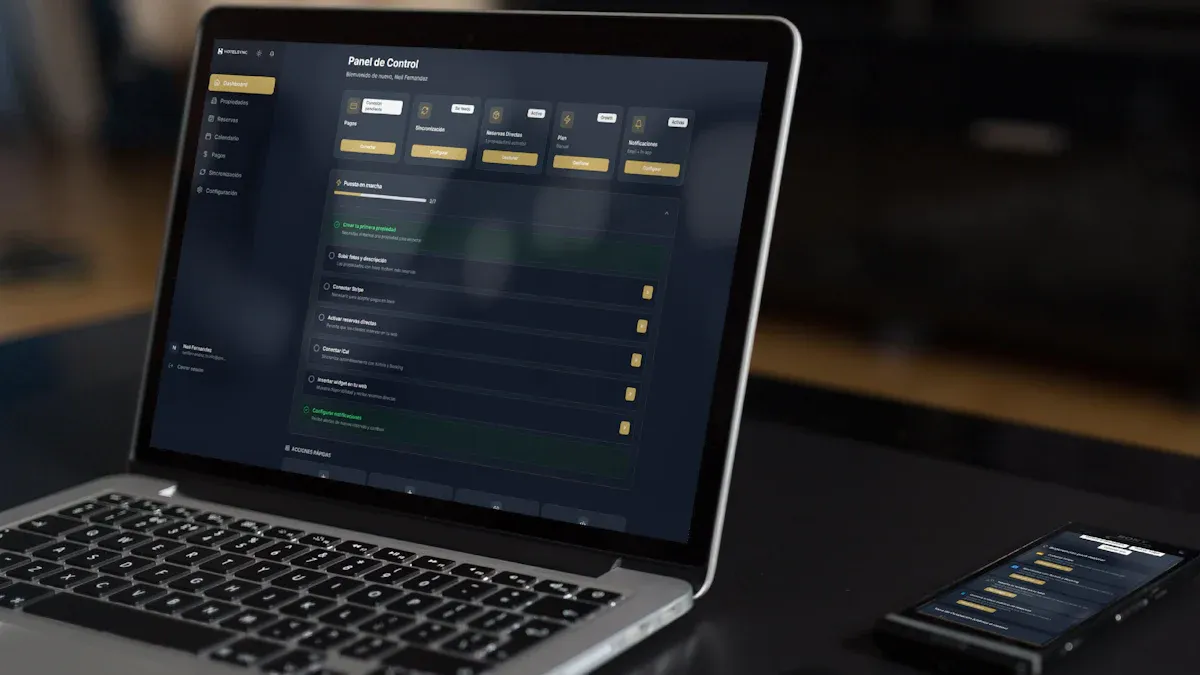

Portfolio teams do not struggle because they lack data. They struggle because market data, portfolio changes, attribution, benchmark moves, risk exposures, and internal research notes arrive in different systems, at different times, and in different formats. By the time analysts assemble the story, the morning meeting is already underway.
That is why AI in asset management is increasingly becoming a workflow question, not just a modeling question. Teams need trusted dashboards for core KPIs, but they also need an AI assistant upgrade that can synthesize what changed, explain what matters, and prepare daily briefings consistently.
With FineBI + Dora, business users can ask for analysis in chat, generate chart-based answers or dashboard-style views from trusted BI assets, and receive scheduled summaries before the next meeting. For portfolio managers, research analysts, and risk teams, that means less time collecting inputs and more time discussing exposure, performance, and action priorities.
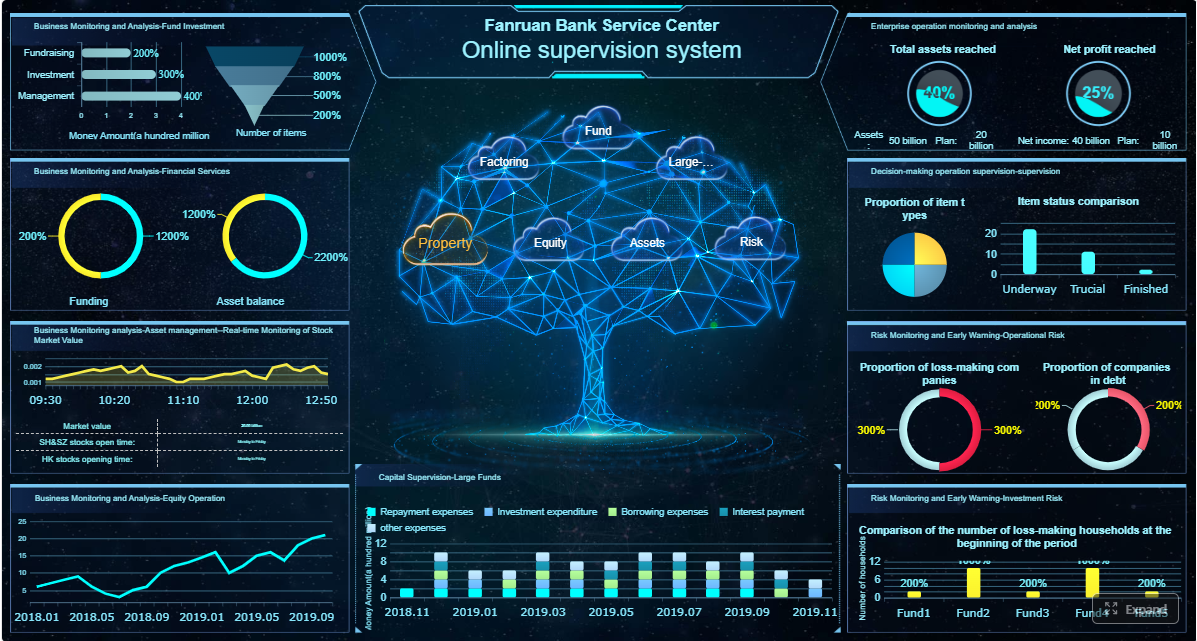 Click To Try The Dashboard
All dashboards in this article are built with FineBI
AI in Asset Management: Why Daily Briefings Matter Now
Daily investment decisions depend on context. A portfolio manager does not just need to know that performance is down 42 bps. They need to know whether the move came from sector allocation, a factor tilt, currency exposure, benchmark divergence, earnings news, duration shifts, or a specific concentration risk.
Without a structured daily briefing, teams often face three recurring problems:
- Information overload: Too many terminals, reports, spreadsheets, and chat threads.
- Timing gaps: Market context and portfolio updates are available, but not in one view before the morning meeting.
- Inconsistent interpretation: Different team members enter discussions with different assumptions about what changed and why.
A strong daily briefing solves these issues by creating a repeatable summary of market context, portfolio developments, and emerging risks. It helps portfolio teams align faster, challenge assumptions with the same facts, and focus human attention on the highest-value questions.
This is where Agentic BI changes the workflow. Traditional BI helps teams see dashboards. FineBI + Dora helps them move further: from viewing metrics to asking questions in natural language, retrieving trusted analysis assets, generating briefing-ready summaries, and pushing alerts when risk conditions change. Instead of manually stitching fragmented inputs together, teams gain a governed AI workflow that supports real investment research operations.
What AI in Asset Management Looks Like in Practice
From raw data to investment-ready insight
In practice, AI in asset management works best when it sits on top of a trusted analytical foundation. Portfolio teams usually need to combine several categories of information into one research view:
- Market index and sector moves
- Security-level prices and returns
- Holdings and weight changes
- Performance attribution
- Benchmark-relative exposure
- Factor and style risk
- Liquidity and concentration indicators
- Internal analyst notes and commentary
FineBI provides the BI foundation for this work. Teams can model metrics, standardize KPI definitions, build dashboards, and create trusted semantic assets so that terms like active weight, tracking error, sector contribution, or VaR are used consistently across the organization.
Dora then acts as the enterprise Data Agent layer. It can retrieve the relevant FineBI dashboard or analysis subject, understand business definitions, and generate a concise narrative around what changed. That matters because portfolio teams rarely want raw numbers alone. They want the drivers behind the numbers.
For example, AI can help by:
- Summarizing overnight market moves and linking them to sectors or holdings
- Detecting unusual deviations in portfolio return, active exposure, or factor contribution
- Highlighting securities or sleeves driving outperformance or drawdown
- Drafting commentary for morning meetings or portfolio review packs
- Pushing a timely briefing to managers, analysts, or risk owners
The difference between dashboards and agentic BI
A dashboard is essential, but it is passive. It waits for the user to log in, search, filter, and interpret.
Agentic BI adds a more operational layer. Instead of stopping at visualization, it can monitor, interpret, and organize repeatable analysis workflows. That does not mean handing investment judgment to AI. It means reducing repetitive data work around trusted metrics.
Here is the practical difference:
- Traditional dashboards: Good for exploration, comparison, and visual analysis.
- Agentic BI with FineBI + Dora: Good for chat-based retrieval, scheduled briefings, anomaly detection, summary drafting, and follow-up distribution.
This distinction matters for asset management teams because the highest-friction work is often not creating one dashboard. It is repeatedly turning many analytical signals into a usable briefing every single day.
Human review remains essential when:
- Interpreting complex macro developments
- Assessing investment thesis changes
- Validating unusual portfolio or benchmark behavior
- Reviewing AI-generated commentary before broader distribution
Automation helps most when:
- Retrieving recurring KPIs
- Comparing current vs prior periods
- Surfacing outliers and threshold breaches
- Drafting first-pass commentary
- Preparing different briefing versions for different stakeholders
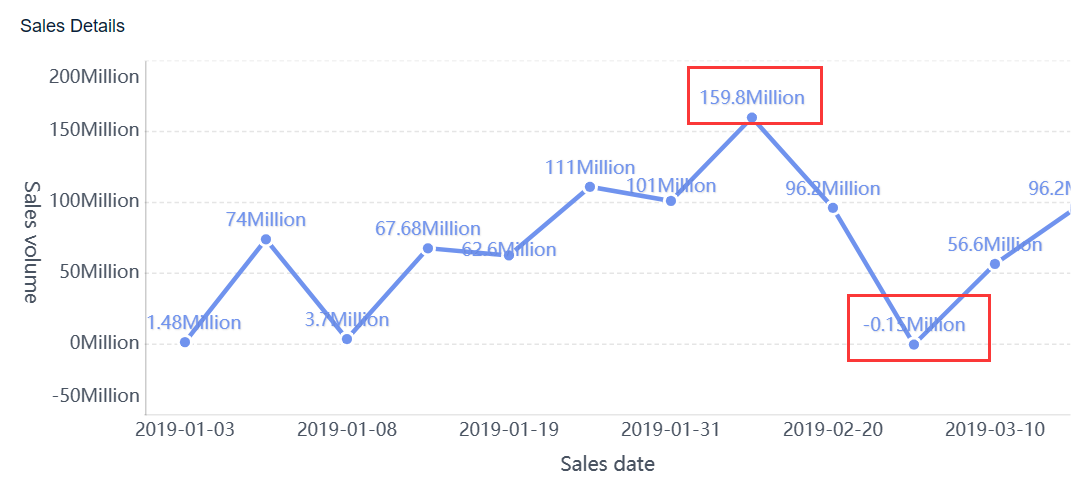
How Portfolio Teams Build Daily Briefings from Market, Portfolio, and Risk Data
Collecting and connecting the right inputs
A high-quality morning briefing depends on connected inputs, not just fast models. Most portfolio teams need a working data layer that brings together:
- Market news: Overnight headlines, macro events, central bank updates, earnings developments
- Pricing data: Security prices, index levels, FX rates, yields, spreads
- Portfolio holdings: Positions, weights, cash, sleeve allocation, changes from prior day
- Performance metrics: Daily return, excess return, attribution by sector, security, factor, geography
- Risk exposures: Active share, tracking error, concentration, VaR, stress indicators, liquidity flags
- Benchmarks: Benchmark composition, benchmark return, sector and factor comparison
- Internal research notes: Analyst views, watchlists, thesis updates, meeting comments
To make this trustworthy, firms need clean pipelines and consistent identifiers. If one system uses a ticker, another uses ISIN, and a third uses an internal security code without reliable mapping, briefing outputs will quickly become misleading. The same applies to benchmark names, sector hierarchies, factor labels, and portfolio sleeves.
FineBI helps here by establishing governed data connections, reusable metrics, and semantic rules across these sources. That gives Dora a stable foundation for enterprise-grade AI workflows. Without that foundation, AI responses may sound plausible but remain operationally risky.
Turning signals into a structured morning briefing
A useful daily briefing should be structured enough to be repeatable, but flexible enough to reflect strategy-specific needs. A common format includes four sections.
Market context
This section explains what happened in the market environment before the trading day begins.
- Major index moves
- Sector winners and laggards
- Yield curve or spread changes
- Currency moves
- Macro or event drivers
Why it matters: It frames portfolio behavior in the wider market context.
AI use: Dora can retrieve trusted market dashboards from FineBI, summarize the overnight move, and produce a role-specific pre-market briefing.
Portfolio changes
This section focuses on what changed inside the portfolio.
- Top contributors and detractors
- Active weight changes
- Position adds, trims, and exits
- Strategy sleeve movement
- Benchmark-relative shifts
Why it matters: It links performance to actual investment decisions.
AI use: Dora can compare today vs prior day holdings and attribution views, then draft a summary of the main drivers for portfolio managers and analysts.
Risk alerts
This section flags what needs attention before it becomes a larger problem.
- Concentration breaches
- Factor or sector drift
- Liquidity pressure
- Tracking error movement
- Stress scenario sensitivity
Why it matters: It keeps morning discussions grounded in control and exposure discipline.
AI use: Dora’s Risk Alert Officer can monitor thresholds, detect abnormal changes, and push alerts to responsible users when risk conditions warrant review.
Suggested follow-up questions
This section turns the briefing from a static summary into an actionable research agenda.
- Which holdings drove most of the active return move?
- Is the sector underperformance temporary or thesis-relevant?
- Did benchmark changes alter active exposure more than trades did?
- Which positions require analyst commentary today?
Why it matters: It improves the quality of investment discussion.
AI use: Dora can suggest follow-up analysis paths based on the dashboard context and prior business rules.
Different roles can receive tailored versions of the same briefing:
- Portfolio managers: Focus on performance drivers, active bets, benchmark relative positioning
- Research analysts: Focus on names, sectors, thesis-relevant changes, earnings or news context
- Risk teams: Focus on exposure limits, concentration shifts, factor drift, escalation triggers
Creating a repeatable workflow for investment research
The best briefing process is not fully manual and not fully autonomous. It is a governed workflow with clear timing, review, and distribution rules.
A practical process looks like this:
- Overnight and early-morning data loads refresh market, holdings, benchmark, and risk datasets.
- FineBI updates the trusted dashboards, metric models, and scenario-specific views.
- Dora retrieves those assets, applies semantic definitions, and drafts a morning summary.
- An analyst or designated reviewer validates the key commentary and exceptions.
- The approved briefing is distributed to portfolio managers, analysts, and risk leaders.
- Follow-up questions and alerts are pushed to the right owners for action.
This structure lets firms standardize daily briefings while preserving strategy nuance. An equity long-only team, fixed income desk, multi-asset group, and alternatives strategy may all use the same operating pattern, but with different KPIs, risk rules, and analysis templates.
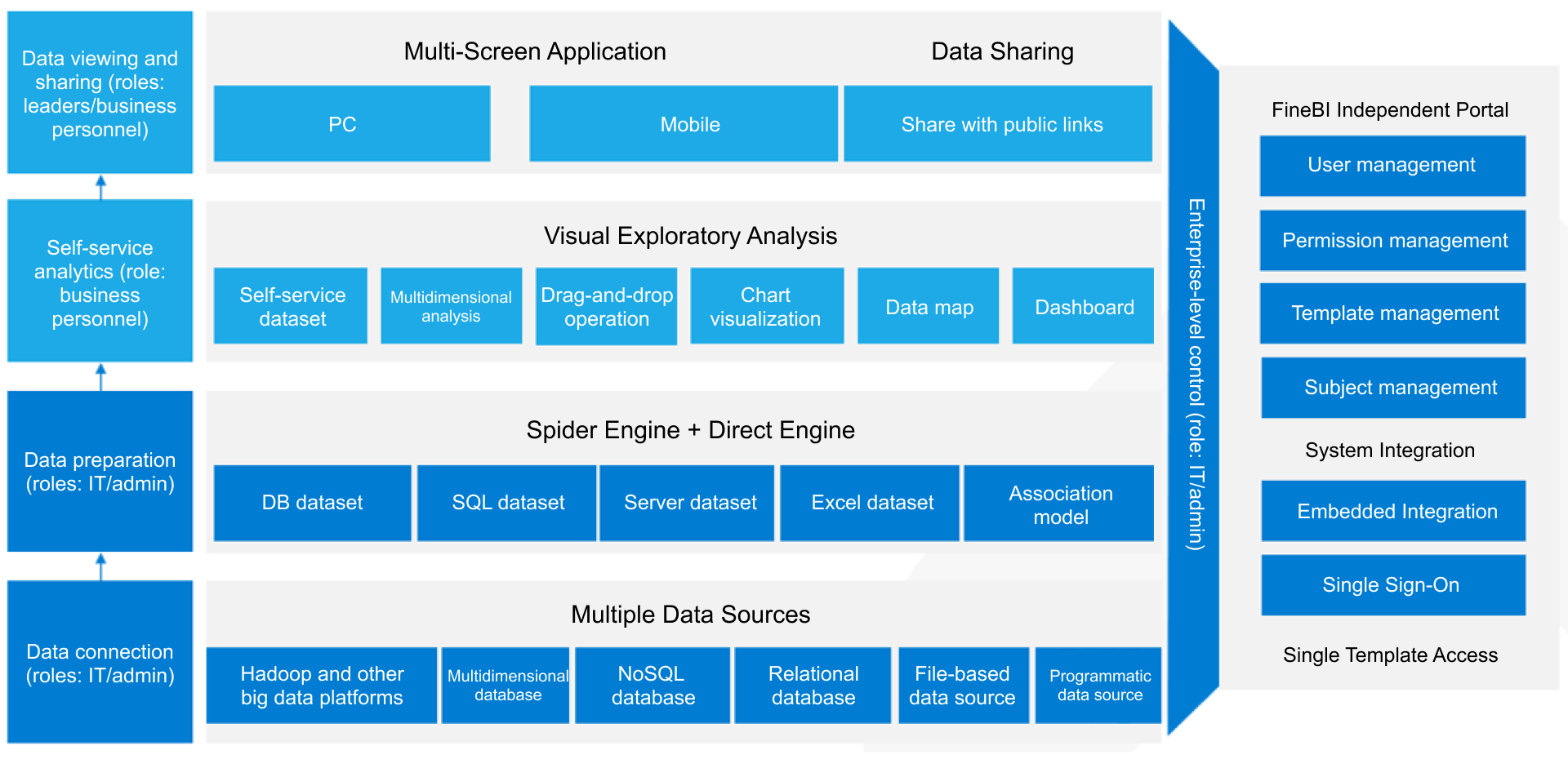
Key Use Cases, Tools, and Frontiers for AI-Driven Investment Research
Where AI adds the most value today
In asset management, AI adds the most value where the work is frequent, data-heavy, and time-sensitive. Strong current use cases include:
- Earnings and news summarization: Turning large volumes of text into concise research prompts
- Portfolio commentary drafts: Producing first-pass narratives from trusted dashboard metrics
- Exposure monitoring: Tracking active risk, factor drift, sector shifts, and concentration changes
- Anomaly detection: Surfacing unusual moves in performance, holdings, or risk indicators
- Daily and weekly briefings: Standardizing recurring communication for meetings and review cycles
These are augmentation use cases more than full automation use cases. AI is especially effective as a Data Analyst digital employee, Report Researcher, Daily Briefing Secretary, or Risk Alert Officer for repeatable data work. It helps teams move faster, but final interpretation and decision accountability remain with humans.
Tasks best suited to augmentation:
- Summarization
- KPI retrieval
- Template-based report drafting
- Cross-dashboard comparison
- Threshold monitoring
- Routine briefing preparation
Tasks where human review remains essential:
- Investment thesis decisions
- Portfolio construction judgment
- Exception adjudication
- Compliance-sensitive commentary
- Escalation handling during unusual market conditions
Evaluating tools and operating models
When evaluating AI in asset management platforms, firms should look beyond generic AI demos. The real question is whether the system can land inside actual investment workflows.
Key evaluation criteria include:
- Integration depth: Can it connect market, portfolio, benchmark, and risk data reliably?
- Explainability: Can users see which dashboard, dataset, or metric definition supports the answer?
- Permissions: Does output respect user-level data access boundaries?
- Audit trails: Can teams trace what was queried, summarized, and distributed?
- Customization: Can it support strategy-specific KPIs, templates, and escalation logic?
- Governed execution: Can repeatable tasks run through Skills instead of fragile prompt-only flows?
This is why FineBI + Dora is a practical fit for enterprise asset management use cases. FineBI handles dashboards, semantic assets, and metric governance. Dora adds a controlled AI assistant layer that can execute scenario-based workflows more reliably than a standalone prompt box.
Firms generally choose between three operating models:
- Point solutions: Fast to test, but often narrow and disconnected from enterprise BI governance
- Internal builds: Flexible, but demanding for data engineering, semantic maintenance, and workflow controls
- Broader intelligence platforms: Better for scaling across teams if governance, permissions, and reusable Skills are built in
For IT teams, the role shift is important. In the AI era, IT should not spend all its time manually building one-off reports. It should focus on enterprise data connections, semantic layers, permissions, data quality, and reusable agent Skills that business teams can trust.
Emerging frontiers to watch
The next frontier in AI in asset management is not just better text generation. It is multi-step, governed research workflows that can move from question to answer to follow-up.
Emerging directions include:
- AI assistants that combine dashboard metrics with narrative context
- Multi-step agents that prepare meeting packs from several trusted BI assets
- Research copilots that draft comparison views across strategies or benchmarks
- More proactive alerting tied to exposure, concentration, or performance anomalies
- Better collaboration workflows across portfolio, analyst, and risk teams
Adoption will still take time. Most firms are not ready for broad autonomous execution, and they should not expect that. The more realistic path is scenario-first rollout: start with one recurring workflow such as daily briefings, establish data and KPI governance, then expand to adjacent use cases.
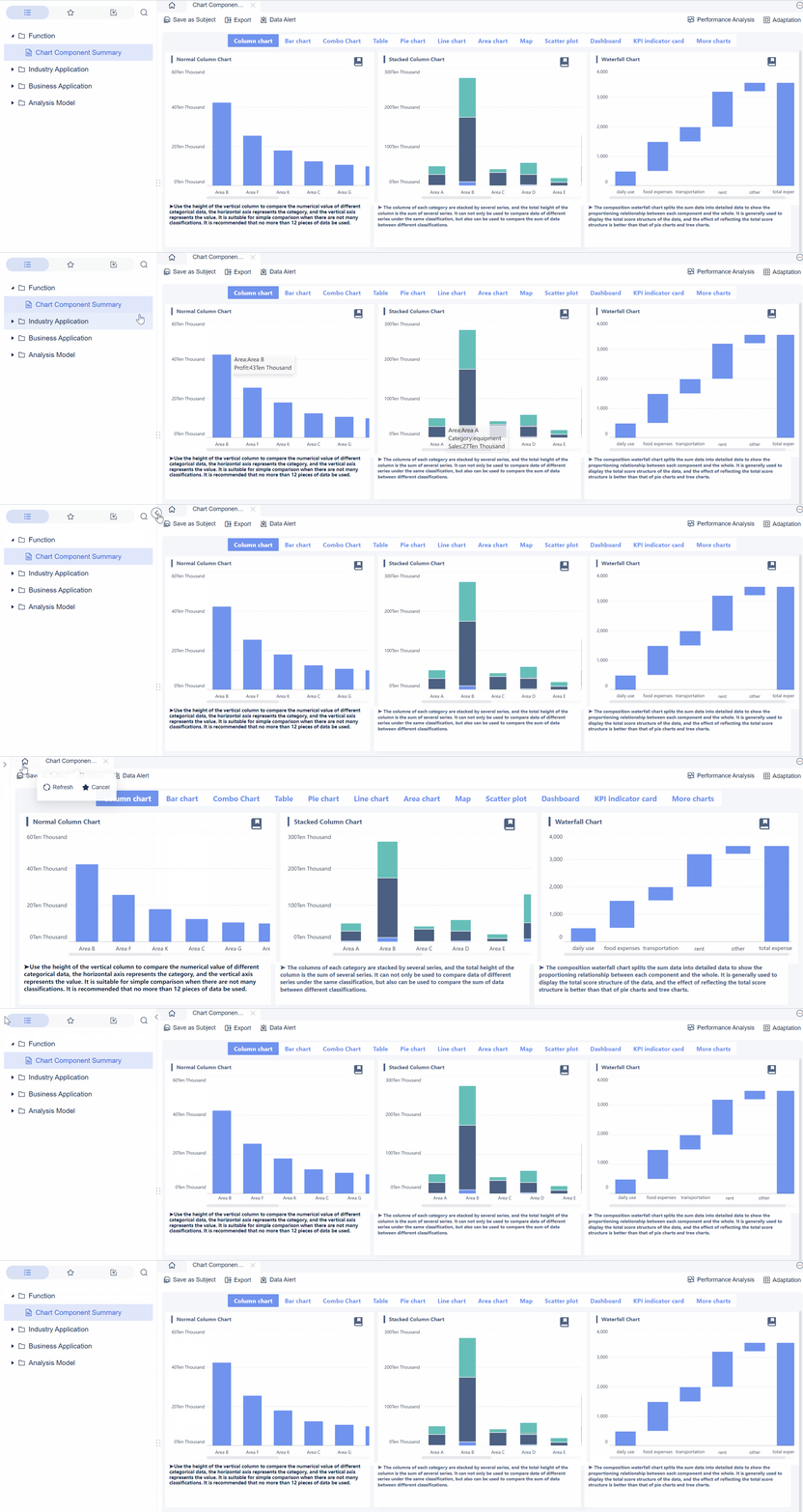
How an AI Data Agent Handles This Scenario
For the daily briefing scenario, the most relevant Dora digital employee is the Daily Briefing Secretary, often working alongside the Risk Alert Officer for threshold-based monitoring.
A portfolio manager or analyst might ask:
“Prepare this morning’s portfolio briefing with overnight market moves, top portfolio contributors and detractors, benchmark-relative sector shifts, and any risk alerts that need review.”
Dora can respond with a chart-based answer or dashboard-style analysis view that cites the FineBI dashboards and governed metrics used. That is the key difference between enterprise Agentic BI and a generic AI tool. The output is grounded in trusted business assets.
A typical Dora workflow in this scenario looks like this:
-
Retrieve trusted FineBI assets
Dora pulls the relevant FineBI dashboards and analysis subjects for market performance, portfolio attribution, holdings changes, and risk monitoring. -
Understand KPI definitions and business semantics
It applies governed definitions for terms such as excess return, active weight, benchmark sector contribution, tracking error, or concentration alert, including filters and user permissions. -
Generate chart-based answers and briefing summaries
Dora produces a dashboard-style analysis view in chat, highlighting the main drivers behind performance and exposure changes. -
Detect exceptions and threshold breaches
If risk indicators move outside defined ranges, Dora flags them through the Risk Alert Officer workflow for timely review. -
Push the right summary to the right users
Portfolio managers receive the executive summary, analysts get more detail on holdings and research follow-ups, and risk teams receive the exception-focused version. -
Support follow-up and meeting preparation
Dora can generate a concise meeting summary, suggested questions, and owner follow-up items after the morning review.
This scenario works because FineBI provides the trusted BI and semantic foundation. It standardizes dashboards, metric logic, and governed access. Dora builds on top of that foundation as the AI assistant layer, enabling natural-language query, summary generation, scheduled pushes, alerts, and follow-up.
That design also improves enterprise landing capability:
- Better control through Skills-based execution
- More auditable workflows than ad hoc prompting
- Lower token waste than repeatedly sending large unstructured prompts
- Faster execution paths because Dora retrieves trusted assets directly
- Stronger enterprise fit through permissions, semantic rules, KPI governance, and data quality controls
For executives, the value is practical: Dora is not an AI experiment. It is a landed digital employee for recurring data work such as morning market briefings, portfolio commentary drafts, risk exception review, and owner follow-up.
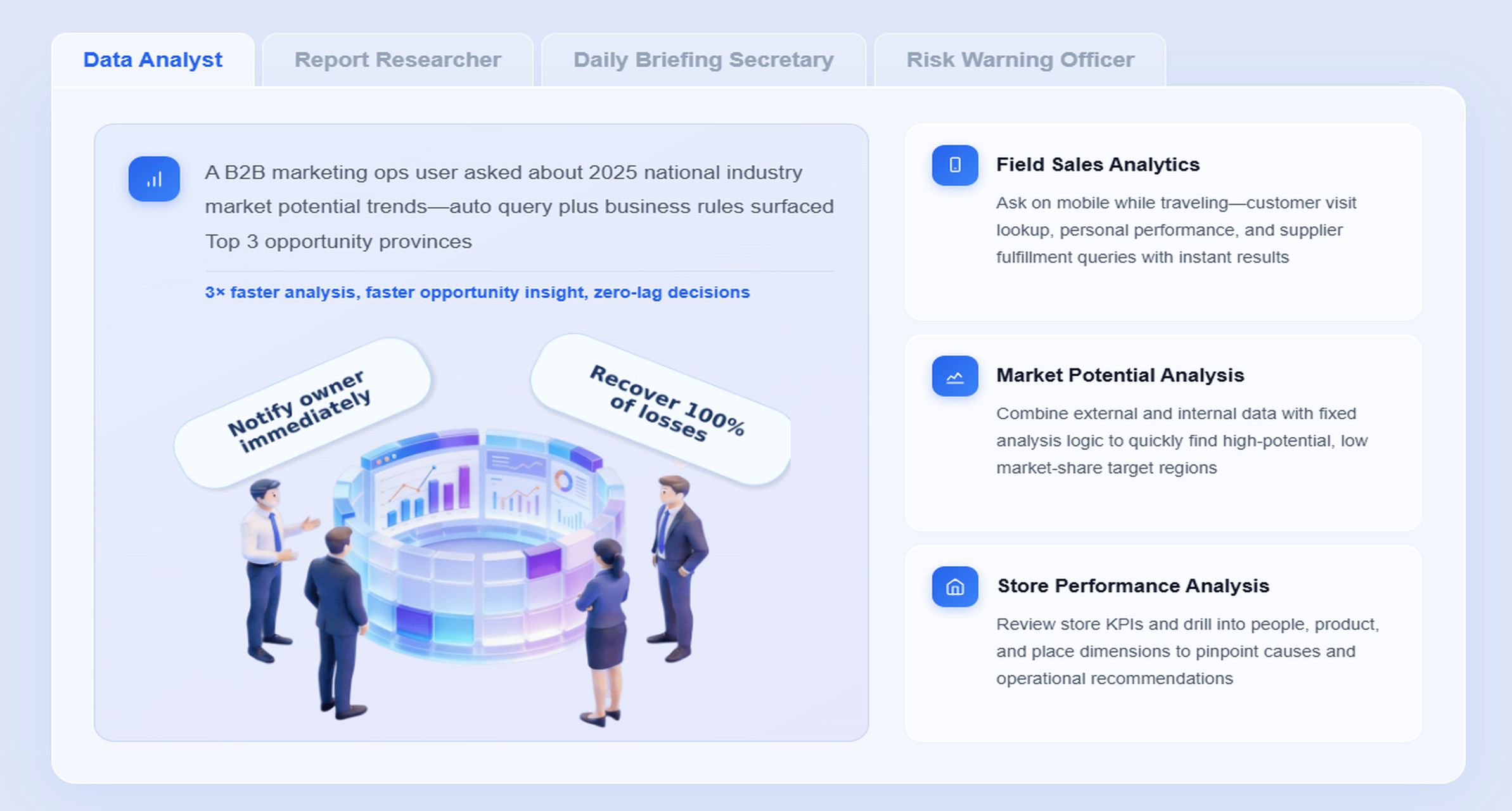
Risks, Governance, and Human Oversight
Common failure points and control measures
AI in asset management is only as reliable as the data, governance, and workflow controls behind it. Common failure points include:
- Hallucinations: AI generates plausible but unsupported commentary
- Stale data: Briefings reflect yesterday’s load rather than the latest approved refresh
- Missing context: A move is explained without relevant benchmark, macro, or position background
- Model drift: Output quality degrades over time as markets, inputs, or prompt logic change
- Compliance concerns: Sensitive commentary or restricted data reaches the wrong audience
Control measures should include:
- Data freshness validation before each scheduled briefing
- Semantic governance for KPI definitions and business terminology
- Version-controlled templates for recurring report structures
- Clear escalation rules for threshold breaches and uncertain outputs
- Traceability for which dashboards, datasets, and logic supported each answer
- Permission governance so AI respects FineBI access boundaries
Treat data quality as part of the AI implementation, not as a separate cleanup project. If identifiers, benchmark mappings, or exposure calculations are unreliable, AI will simply accelerate confusion.
Keeping humans in the loop
Human oversight is not a weakness in this workflow. It is what makes the workflow production-ready.
Responsibilities should be clear:
- Analysts: Review AI-generated summaries, validate drivers, and refine commentary
- Portfolio managers: Assess whether the output matches strategy context and investment priorities
- Risk leaders: Review alerts, confirm escalation, and monitor control discipline
- IT and data teams: Maintain data pipelines, permissions, semantic layers, and reusable Skills
This review model improves trust and accountability. It also keeps the organization disciplined about where AI should assist and where humans must decide.
How to Get Started with AI in Asset Management
A practical rollout plan
The most effective way to start is narrow and operational.
-
Choose one briefing use case
For example, the daily portfolio morning note for one strategy or desk. -
Limit the initial data scope
Start with a trusted subset such as market data, holdings, attribution, benchmark, and one or two risk metrics. -
Define measurable success criteria
Track output quality, analyst adoption, briefing timeliness, and reduction in manual preparation effort. -
Build the BI foundation first
Use FineBI to standardize dashboards, metric logic, business terms, and permissions. -
Layer Dora onto the workflow
Configure the Daily Briefing Secretary and, where relevant, the Risk Alert Officer to retrieve trusted assets, generate summaries, and push approved briefings. -
Expand gradually
After the first workflow is stable, add adjacent use cases such as weekly risk briefings, portfolio commentary packs, or research follow-up summaries.
This phased approach is more realistic than trying to automate every research task at once.
Questions to ask before scaling
Before expanding AI in asset management across teams, firms should ask:
- Are the required market, portfolio, benchmark, and risk datasets clean and connected?
- Are KPI definitions standardized across teams?
- Who owns each metric, alert threshold, and briefing template?
- What level of human review is required before distribution?
- How will permissions and compliance boundaries be enforced?
- Can users trace each answer back to a trusted dashboard or governed data source?
- What business value will prove success: time saved, better meeting readiness, faster exception response, or stronger consistency?
The roadmap from pilot to production should follow a simple logic: first establish trusted data and semantic assets, then operationalize one recurring workflow, then scale through reusable Skills, governance rules, and user adoption patterns.
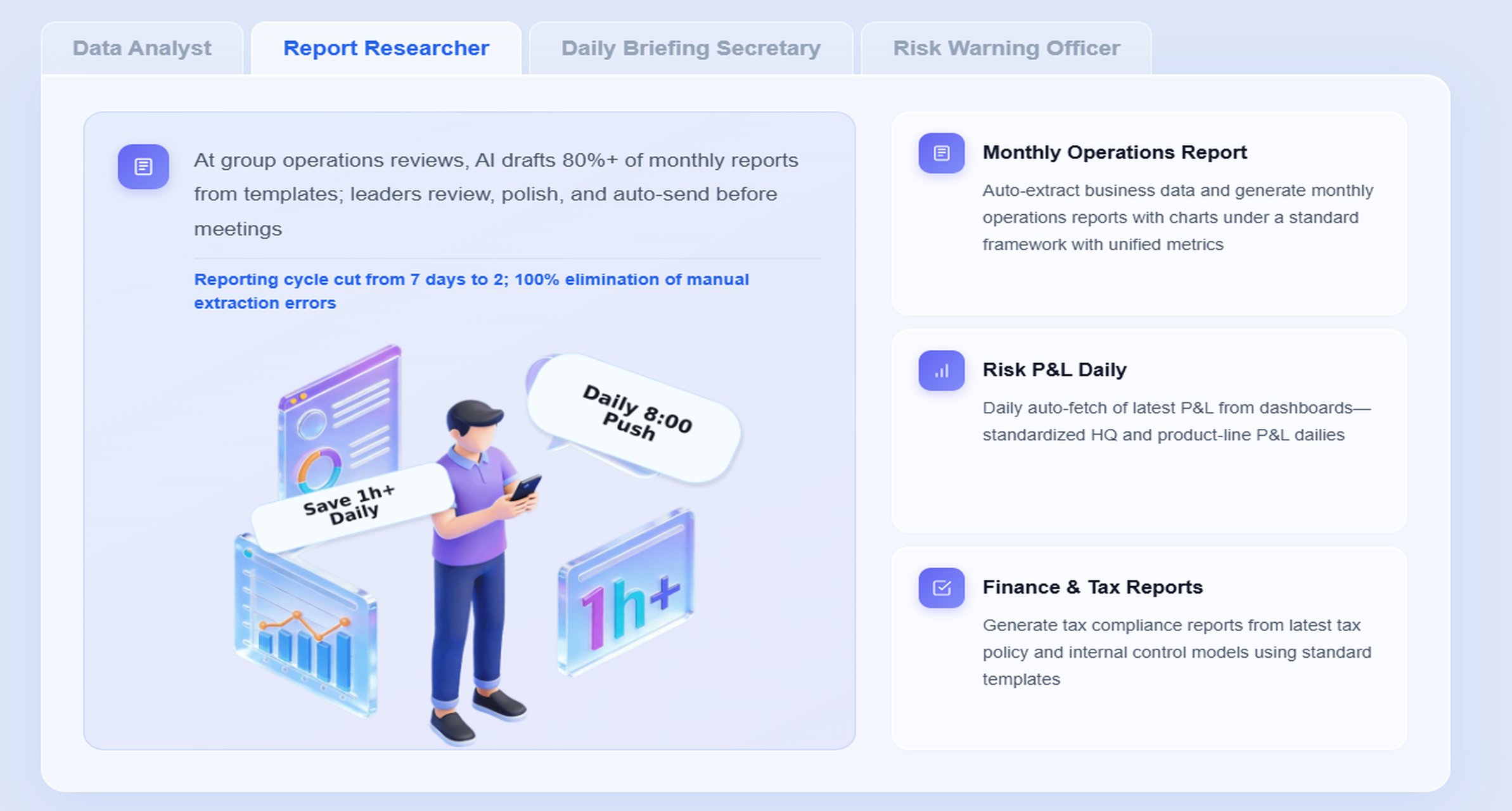
Actionable Best Practices
1. Standardize KPI definitions before scaling AI
Define metrics such as excess return, active weight, sector contribution, concentration exposure, and risk thresholds in one governed semantic layer.
Why it matters: AI summaries are only useful when the underlying numbers mean the same thing across teams.
AI use: Dora can retrieve these metrics through chat, apply approved definitions, and include them in scheduled briefings consistently.
2. Build the semantic layer inside the BI workflow
Do not treat semantics as a separate AI experiment. Build business terms, filters, hierarchies, and synonyms directly in FineBI.
Why it matters: This improves answer quality and reduces ambiguity in natural-language queries.
AI use: Dora depends on this trusted semantic foundation to interpret terms like “top detractors,” “active sector drift,” or “benchmark-relative risk.”
3. Start with high-value recurring workflows
Focus on one repeatable use case such as a morning briefing, weekly risk summary, or monthly commentary draft.
Why it matters: These workflows have clear owners, templates, and timing rules.
AI use: Dora is strongest when used as a digital employee for repeatable data work, not as a vague all-purpose assistant.
4. Preserve permission governance and review rules
Ensure AI outputs inherit FineBI access controls and follow approval logic before broader sharing.
Why it matters: Asset management workflows often include role-sensitive positions, strategy data, and risk information.
AI use: Dora should operate within governed access boundaries and route outputs to the right audience only.
5. Use human review and expand Skills gradually
Treat AI-generated briefings and commentary as first drafts unless the workflow is highly standardized and low risk.
Why it matters: Human oversight catches missing context, edge cases, and compliance issues.
AI use: Start with controlled Skills for retrieval, summarization, and alerting, then expand once output quality and user trust are established.
FineBI + Dora Solution Pitch
Building this manually is complex. FineBI helps teams build trusted dashboards, metrics, and semantic assets. Dora turns those assets into an AI assistant that can answer questions in chat, generate dashboard-style analysis views, push scheduled summaries, monitor anomalies, and follow up with responsible owners.
For asset management teams, that means one platform path from data to dashboard to AI-supported execution:
- FineBI for portfolio, benchmark, market, and risk dashboards
- FineBI for metric modeling, semantic standardization, and governed permissions
- Dora for natural-language data query over trusted BI assets
- Dora for chart-based answers, daily briefings, alerts, pushes, and meeting follow-up
FineBI + Dora is not only a BI upgrade; it is a practical fourth-generation Agentic BI path. FineBI provides governed metrics and visual analysis. Dora provides the AI assistant layer for scenario execution, with more controlled Skills, lower token waste, faster execution paths, and more stable workflows than prompt-only agents.
Get Ready-to-Use Dashboard Templates in Fine Gallery
The strongest Dora pitch is scenario + product + service: FineBI provides the trusted BI foundation, Dora provides the AI digital employee, and implementation service connects data, governance, semantic setup, Skills, and rollout.
For portfolio teams, that is the difference between an impressive demo and a workflow that actually lands in production.
FAQs
AI helps portfolio teams combine market moves, holdings changes, attribution, benchmark shifts, and risk signals into a single morning summary. It speeds up analysis by turning trusted data into concise explanations of what changed and why it matters.