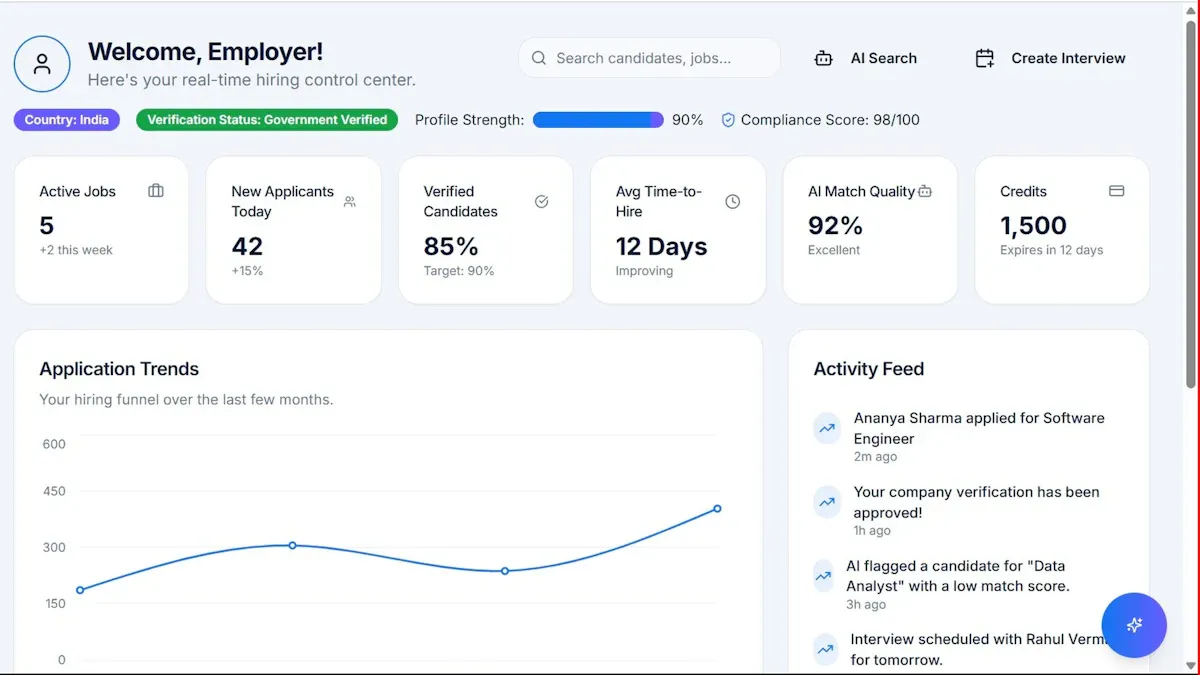
FineReport is an enterprise reporting and dashboard platform that helps marketing teams centralize campaign data, automate stakeholder reporting, and improve cross-team visibility.
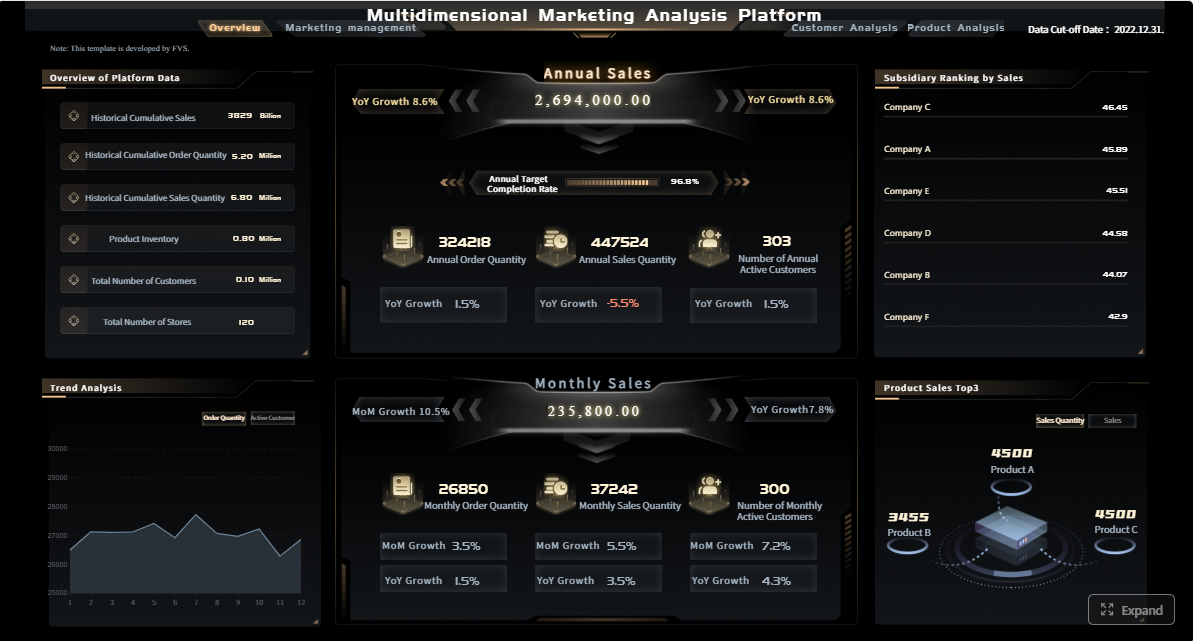 Click To Try The Dashboard
Best marketing management software for cross-team planning and reporting
Below are eight widely used tools that cover different parts of the marketing management software category, from campaign planning and approvals to reporting and executive visibility.
Marketing management software typically includes:
- Campaign planning and timeline management
- Workflow coordination across teams
- Task ownership and deadline tracking
- Review and approval processes
- Marketing calendars
- Reporting dashboards and status summaries
- Stakeholder visibility across departments
This category is most useful for:
- In-house marketing teams managing multiple campaigns at once
- Agencies coordinating client work, approvals, and reporting
- Demand generation teams aligning with sales on launch timing and funnel performance
- Cross-functional growth teams working with design, content, ops, product, and leadership
It is also important to distinguish marketing management platforms from adjacent software categories:
- Marketing management platforms focus on planning, collaboration, approvals, visibility, and reporting for campaigns and teams.
- Project management tools are broader work management systems that may support marketing workflows but are not always built with campaign reporting in mind.
- Automation platforms focus on email, lead nurturing, triggers, and audience journeys rather than team planning.
- Analytics suites focus on performance measurement and attribution, but often lack workflow, approvals, and campaign execution controls.
For teams that need both operational coordination and strong reporting, the best choice is usually a platform that can connect planning with measurable outcomes. That is one reason FineReport stands out in this category: it complements marketing operations with flexible dashboards, executive summaries, and data integration across business systems.
How we compared the 8 tools
To compare these eight platforms fairly, we used a practical evaluation lens centered on how marketing teams actually work across departments.
Our review criteria included:
- Planning workflows: campaign setup, task dependencies, calendars, and recurring processes
- Collaboration features: comments, shared views, handoffs, proofing, and approvals
- Reporting depth: dashboards, custom reports, executive summaries, and drill-down analysis
- Integrations: CRM, analytics, content, communication, and file management systems
- Automation support: alerts, recurring workflows, status changes, and triggered actions
- Usability: ease of adoption for marketers, managers, and stakeholders
- Scalability: ability to support larger teams, more workflows, and governance needs
- Pricing transparency: whether buyers can understand cost and packaging before a sales call
We also assessed each tool through the lens of cross-team planning. That means we looked beyond simple task boards and considered handoffs between:
- Marketing
- Sales
- Design
- Content
- Operations
- Leadership
For reporting, we prioritized features that matter in real marketing environments:
- Flexible dashboards for different stakeholder groups
- Campaign-level visibility across channels
- Attribution support or integration readiness
- Executive-friendly summaries for weekly and monthly updates
- Clear status reporting without manual slide creation
Some tools on this list are stronger for execution, some for reporting, and some for customizable workflows. FineReport deserves specific consideration for teams where reporting is a major buying factor, especially when leadership expects polished dashboards, real-time KPIs, and broad stakeholder access.
8 tools compared at a glance
Tool 1: FineReport
- One-sentence overview: FineReport is a reporting-first platform designed for teams that need flexible dashboards, stakeholder updates, and unified campaign visibility across business systems.
- Key Features:
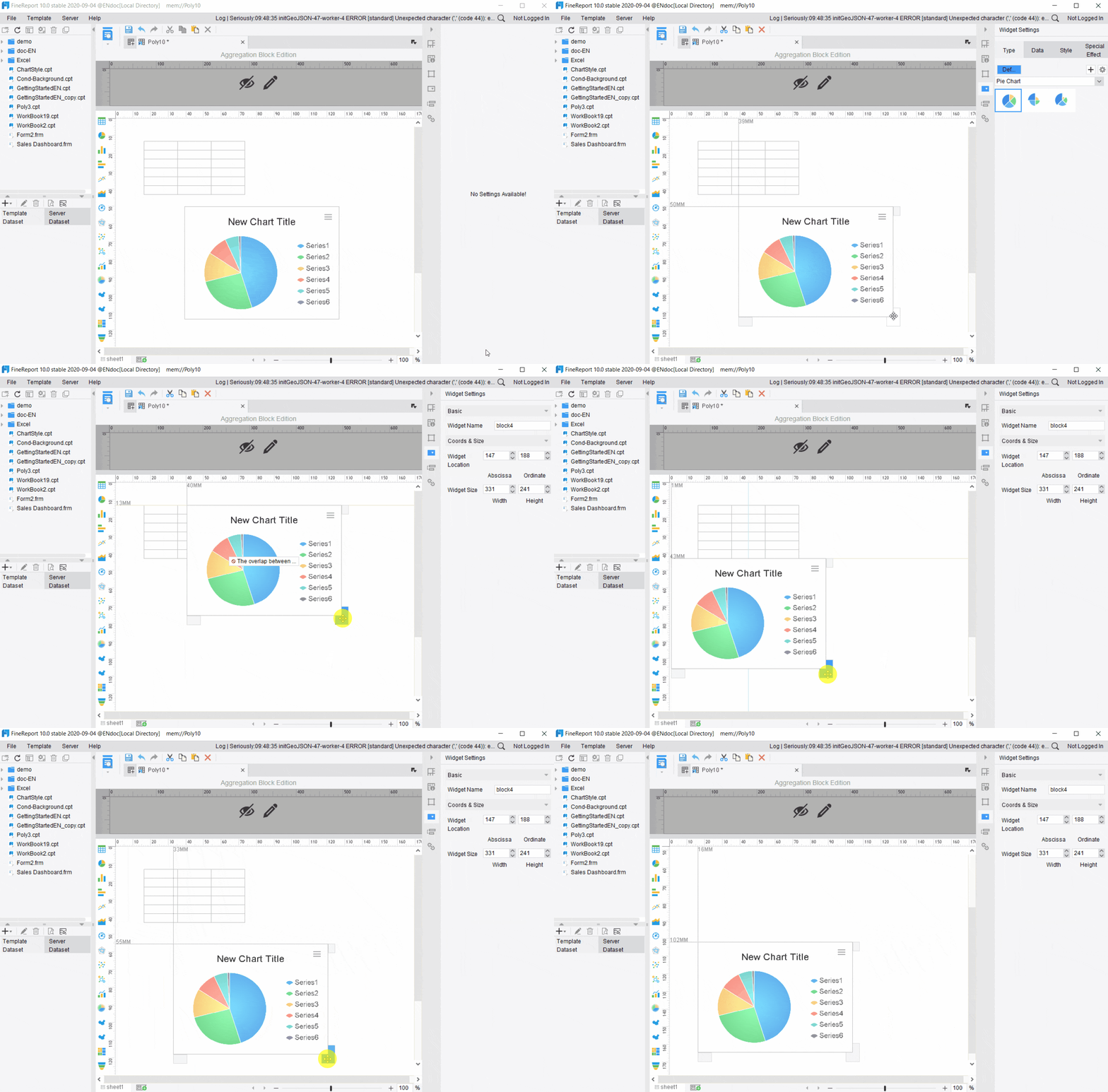
- Pixel-level dashboard and report design
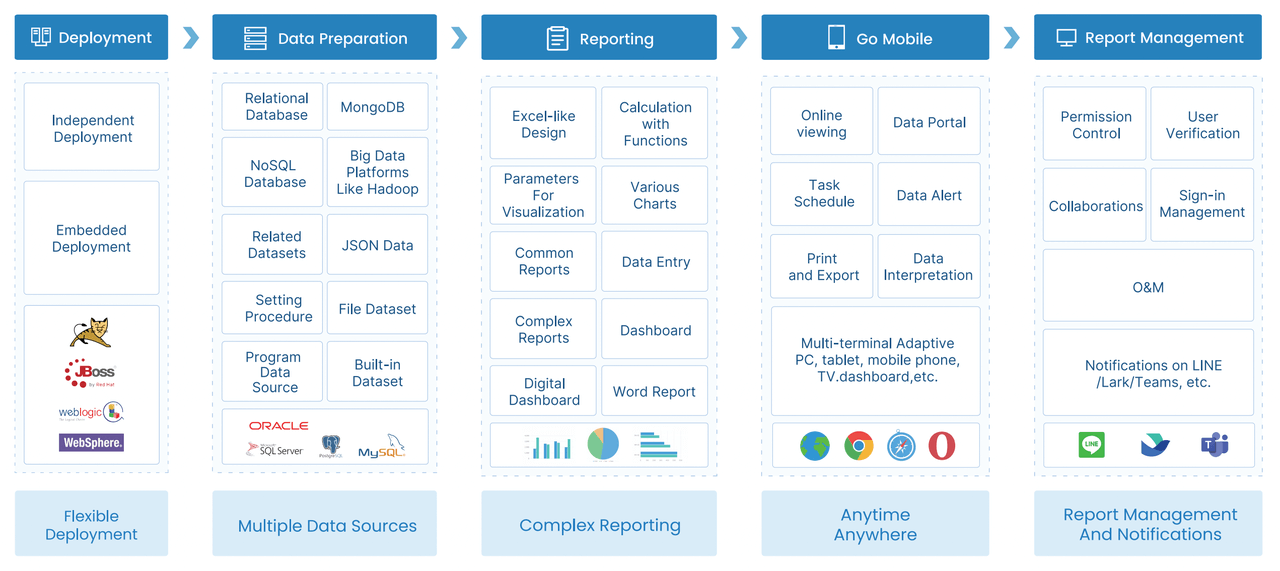
- Real-time data connections across CRM, ERP, databases, and marketing systems
- Automated report distribution
- Executive dashboards and summary views
- Role-based access controls
- Mobile-friendly reporting access
- Pros & Cons:
- Pros: Strong dashboard flexibility, excellent for stakeholder reporting, supports complex enterprise reporting needs, highly customizable
- Cons: Not a native campaign task management tool, requires data setup to unlock full value
- Best For (Target user/scenario): Organizations that prioritize reporting dashboards and stakeholder updates, especially teams with complex data environments.
FineReport is a strong fit when reporting is not just a supporting feature but a core requirement. If your marketing managers spend significant time consolidating metrics from multiple platforms for leadership, regional teams, or clients, FineReport can reduce manual reporting overhead and improve visibility. It is especially valuable in companies where marketing performance must be presented alongside sales, finance, or operations data.
Tool 2: Asana
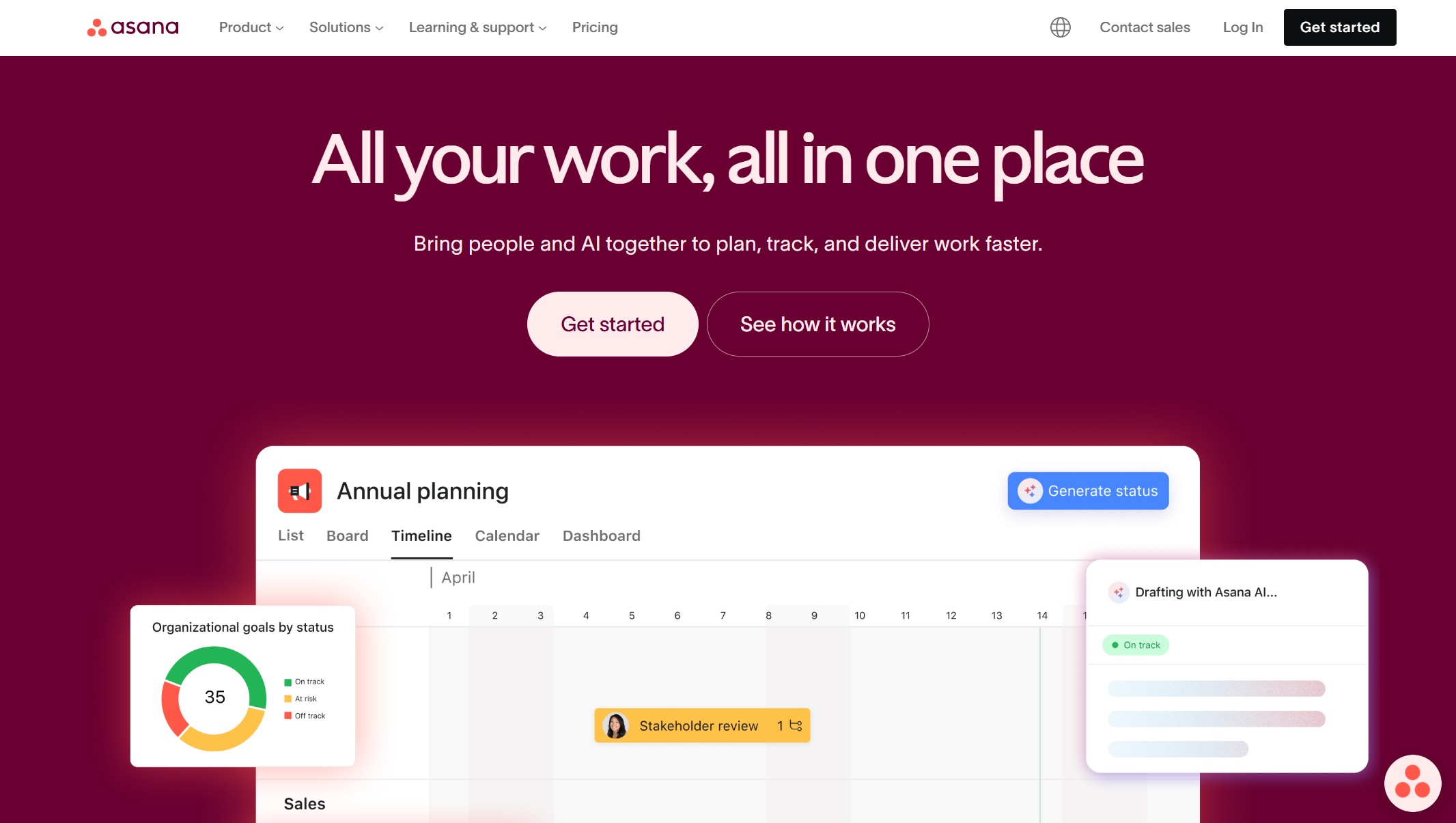
- One-sentence overview: Asana is a structured work management platform that helps marketing teams centralize campaign planning, assign ownership, and track deadlines across functions.
- Key Features:
- Project timelines and calendar views
- Task dependencies and workload planning
- Request forms for campaign intake
- Approval workflows
- Portfolio views for tracking multiple campaigns
- Integrations with Slack, Google Workspace, Adobe, and CRM tools
- Pros & Cons:
- Pros: Clean interface, strong task ownership, reliable deadline management, good for repeatable campaign processes
- Cons: Reporting is useful but less advanced than dedicated BI tools, complex setups can require admin effort
- Best For (Target user/scenario): Teams that need centralized campaign planning with clear ownership and deadlines, especially mid-sized marketing organizations.
Asana is one of the safest choices for teams that need planning discipline first. It is particularly effective when campaign work moves through multiple contributors and managers want clarity on who owns what and when handoffs happen.
Tool 3: Wrike
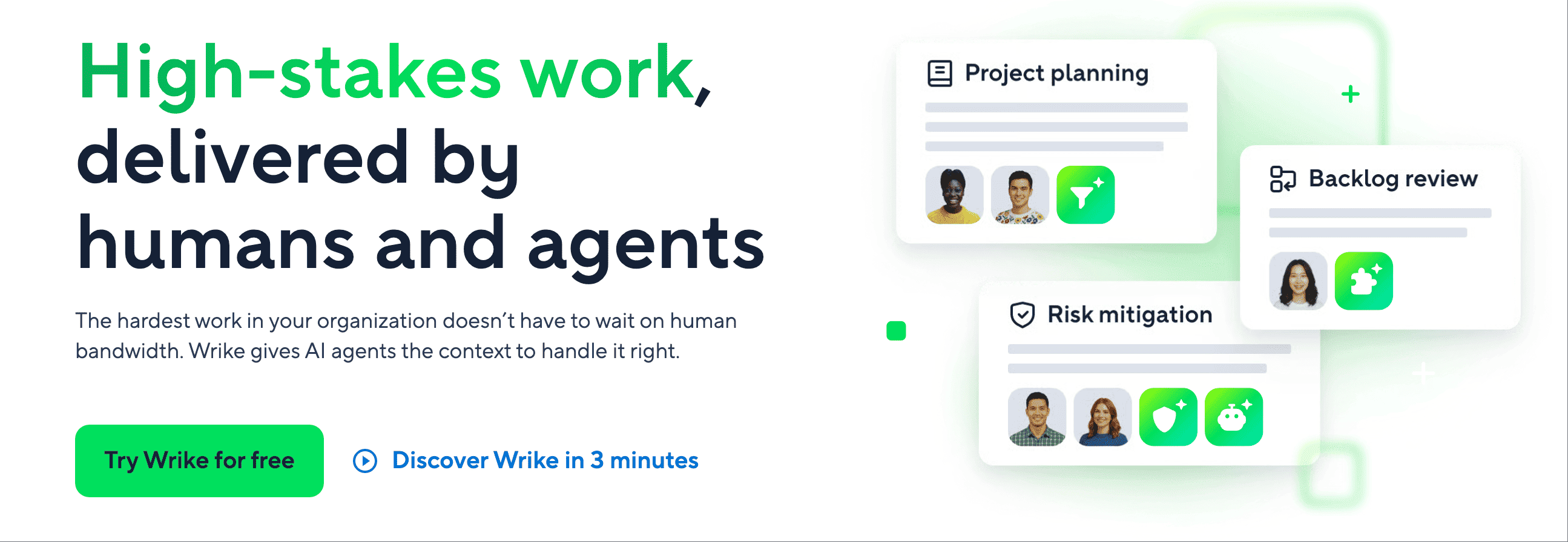
- One-sentence overview: Wrike is a collaborative work management platform with strong proofing, approvals, and workflow controls for marketing teams handling high-volume campaign execution.
- Key Features:
- Custom request forms and work intake
- Built-in approvals and proofing
- Dynamic dashboards
- Gantt charts and workload views
- Asset review support
- Automation rules for status changes and alerts
- Pros & Cons:
- Pros: Strong approval flows, useful for creative reviews, robust project visibility, suitable for multi-step campaigns
- Cons: Interface can feel complex for new users, reporting depth varies by plan
- Best For (Target user/scenario): Teams managing multi-channel campaigns with frequent approvals, especially creative and campaign-heavy marketing departments.
Wrike performs well where campaigns involve repeated review cycles, asset revisions, and multiple stakeholders. It is often a better fit than lighter project tools when approval governance matters.
Tool 4: monday.com
- One-sentence overview: monday.com is a flexible work operating system that helps marketing teams connect planning with data and integrate campaign workflows across tools.
- Key Features:
- Custom boards for campaign tracking
- Dashboards and workload views
- CRM and analytics integrations
- Automations for recurring processes
- Content and campaign calendars
- Cross-team collaboration views
- Pros & Cons:
- Pros: Flexible setup, broad integration ecosystem, easy to adapt for different marketing workflows
- Cons: Can become messy without governance, reporting is solid but not as advanced as dedicated reporting platforms
- Best For (Target user/scenario): Teams that need strong integrations with CRM, analytics, and content systems, from small businesses to larger cross-functional teams.
monday.com works best for organizations that want one configurable environment for campaign operations. It can be shaped to fit different planning styles, though success often depends on how clearly the workspace is designed upfront.
Tool 5: ClickUp
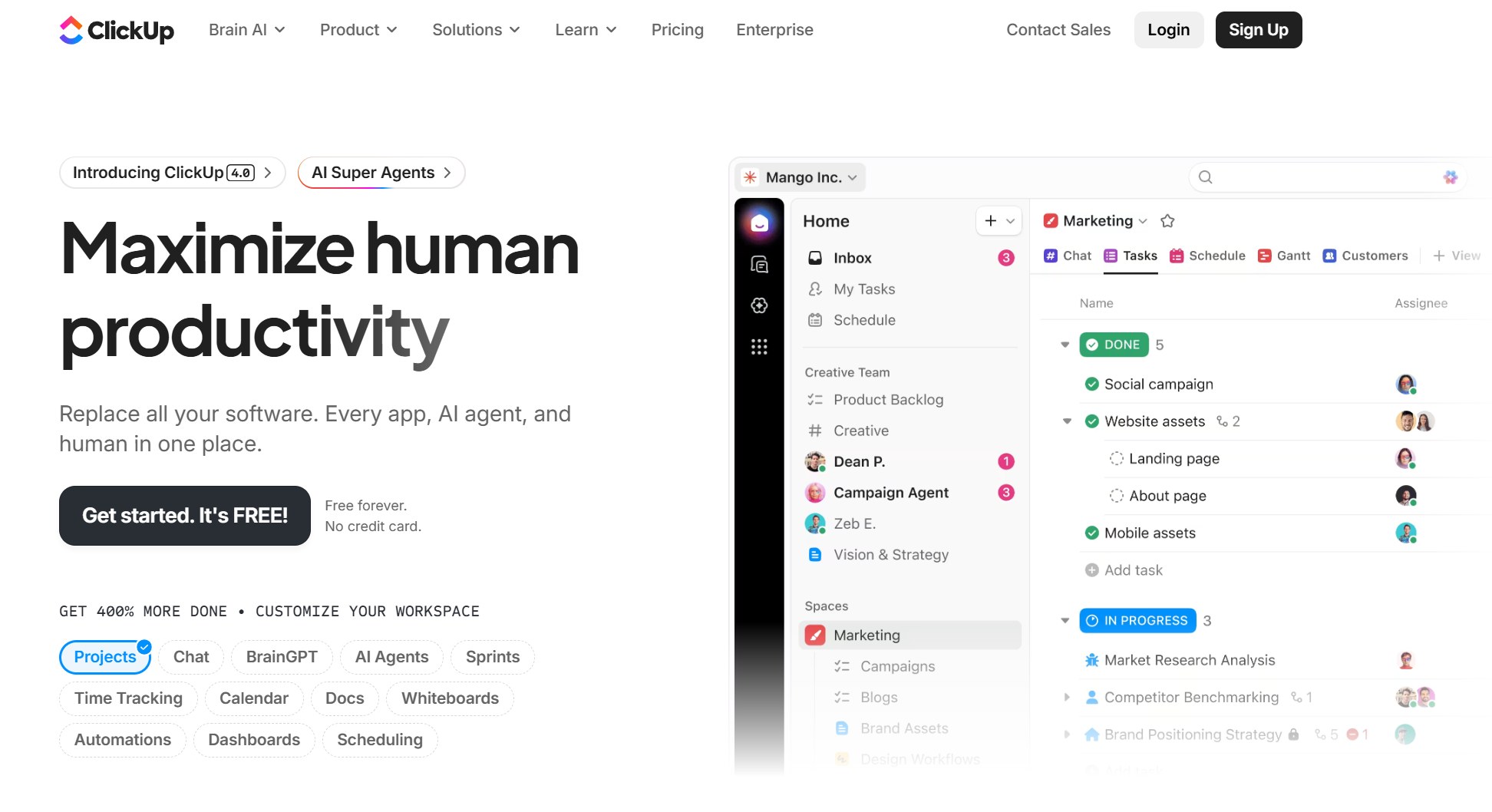
- One-sentence overview: ClickUp is a highly configurable productivity platform that supports automated workflows, templates, and fast-moving campaign operations.
- Key Features:
- Custom task statuses and views
- Docs and embedded collaboration
- Workflow automations
- Templates for campaign launches
- Dashboards and goals
- Time tracking and workload management
- Pros & Cons:
- Pros: Strong feature breadth, automation support, flexible views, good value for feature-conscious teams
- Cons: Can feel overloaded, setup discipline is essential, some teams may find the interface too dense
- Best For (Target user/scenario): Fast-moving teams looking for automation and repeatable workflows, especially growth and performance teams.
ClickUp appeals to teams that want to standardize recurring campaign motions without buying multiple tools. It is often a good choice when operational flexibility matters more than polished stakeholder reporting.
Tool 6: Workfront
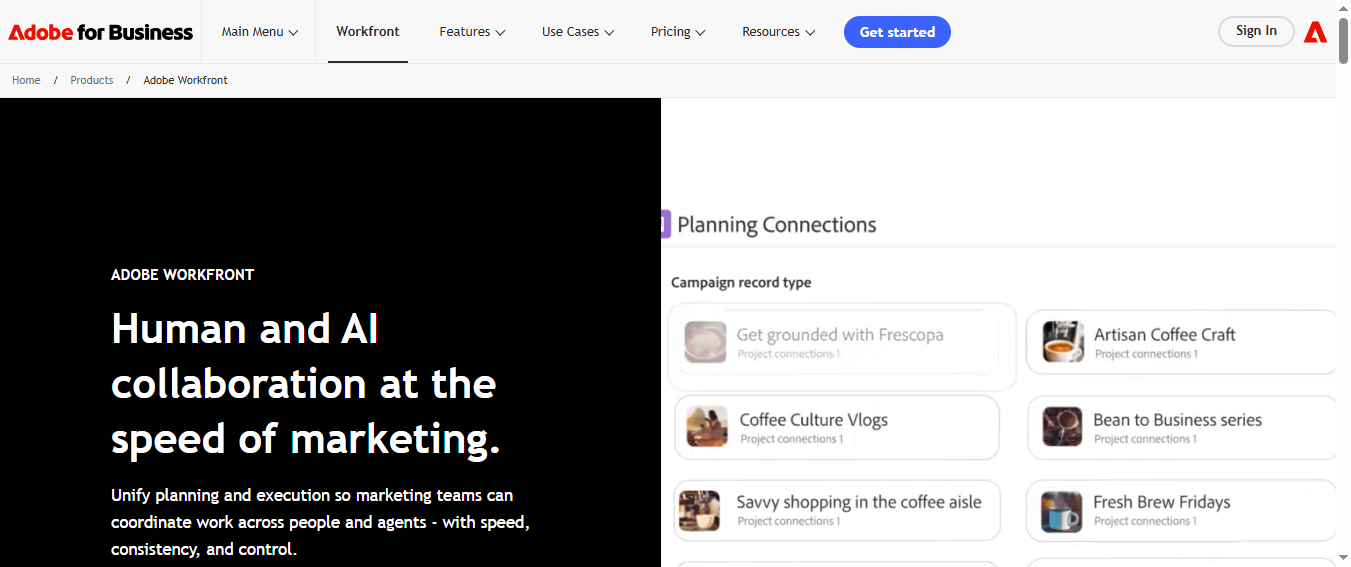
- One-sentence overview: Adobe Workfront is an enterprise work management platform built for large organizations with complex approvals, permissions, and reporting structures.
- Key Features:
- Enterprise workflow governance
- Advanced permissions and role controls
- Resource and capacity planning
- Proofing and approvals
- Portfolio reporting
- Integration with Adobe Experience Cloud and other enterprise systems
- Pros & Cons:
- Pros: Strong governance, enterprise scalability, sophisticated workflow management, useful for layered stakeholder environments
- Cons: Higher complexity, longer implementation cycles, pricing may be less accessible for smaller teams
- Best For (Target user/scenario): Enterprise teams with complex permissions, multiple stakeholders, and layered reporting needs.
Workfront is designed for scale and process control. It is often chosen by large marketing organizations that need strict operating structure across business units, regions, or brands.
Tool 7: Trello
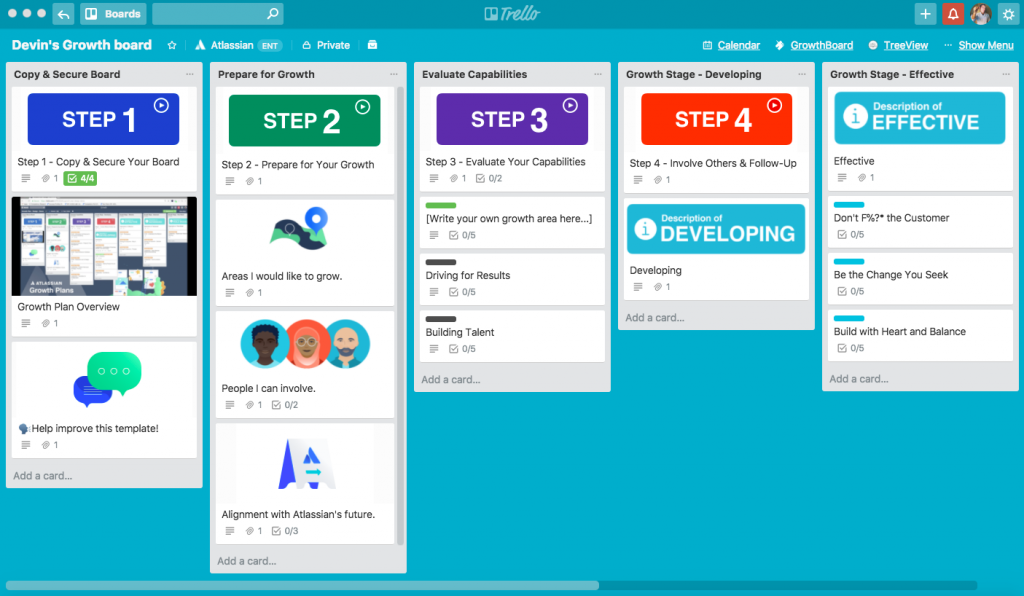
- One-sentence overview: Trello is a lightweight visual planning tool that gives smaller marketing teams an easy way to manage calendars, tasks, and campaign progress.
- Key Features:
- Kanban boards
- Checklists and due dates
- Calendar and timeline add-ons
- Basic automation with Butler
- Easy collaboration and labeling
- Simple template-based workflows
- Pros & Cons:
- Pros: Easy to adopt, affordable, intuitive interface, low training burden
- Cons: Limited reporting depth, less suitable for complex cross-team governance, can outgrow quickly
- Best For (Target user/scenario): Smaller teams that need an affordable and easy-to-adopt option.
Trello is a practical starting point for lean marketing teams that primarily need visibility and execution control rather than advanced reporting or enterprise workflow management.
Tool 8: Airtable
- One-sentence overview: Airtable combines spreadsheet-like flexibility with database structure, giving marketing teams a customizable way to manage plans, assets, and reporting views.
- Key Features:
- Custom tables, views, and linked records
- Campaign calendars and content planning
- Interface builder for stakeholder views
- Automations and integrations
- Flexible field structures for campaign metadata
- Collaborative bases for marketing operations
- Pros & Cons:
- Pros: Highly customizable, strong for content and campaign planning, adaptable to unique workflows
- Cons: Reporting is lighter than BI tools, governance can become inconsistent at scale, setup quality matters significantly
- Best For (Target user/scenario): Teams that want flexible customization for planning and reporting, particularly operations-minded marketing teams.
Airtable is especially useful for teams that do not fit neatly into prebuilt software models. It can support rich planning systems, though organizations needing formal executive reporting may still pair it with a stronger analytics or reporting tool such as FineReport.
Which tools do marketing managers use?
Marketing managers rarely rely on a single platform for everything. In practice, most teams use a stack that combines planning, reporting, automation, and communication tools.
Here is how common stacks break down by team type.
Content marketing teams
Content teams often use:
- Asana, ClickUp, Airtable, or Trello for editorial planning
- Google Workspace or Notion for drafting and collaboration
- CMS tools for publishing
- FineReport or another dashboard layer for content performance summaries
In these environments, the management tool handles calendars, briefs, and approvals, while the reporting layer tracks traffic, engagement, conversions, and content ROI.
Performance marketing teams
Performance teams commonly combine:
- monday.com, Asana, or ClickUp for launch planning
- Ad platforms and analytics tools for campaign metrics
- CRM systems for pipeline or revenue visibility
- FineReport for cross-channel dashboards and stakeholder reporting
These teams usually care about fast optimization cycles, so they need both operational coordination and reporting visibility in one workflow ecosystem.
Brand marketing teams
Brand teams often prefer:
- Wrike or Workfront for review-heavy workflows
- Asset proofing and approval systems
- Calendar-based campaign planning tools
- Reporting dashboards for launch status and brand activity summaries
Because brand work often includes more stakeholders and review rounds, approval workflows become as important as performance tracking.
Lifecycle and CRM teams
Lifecycle teams usually work with:
- Automation platforms for journeys and triggers
- Project or work management tools for campaign coordination
- BI or reporting software for performance visibility
- Collaboration tools for alignment with sales and customer success
In this setup, marketing management software organizes launches and ownership, while reporting tools show engagement, retention, and revenue outcomes.
Agencies
Agency managers often use:
- Wrike, monday.com, Asana, or Airtable for project and campaign management
- Client communication tools for approvals and updates
- Dashboards for client-facing reporting
- FineReport when clients need customizable, presentation-ready reporting views
Agency environments place extra value on stakeholder visibility, deadline control, and clear reporting outputs. If clients expect tailored summaries, dashboard flexibility becomes a major advantage.
When an all-in-one platform is a better fit
An all-in-one approach usually makes sense when:
- The team is growing quickly
- Handoffs are becoming messy
- Leadership wants one source of truth
- Reporting is spread across spreadsheets and slides
- Tool sprawl is slowing execution
A mixed stack can still work well, but only when integrations are strong and ownership is clear. Otherwise, teams end up duplicating data, missing deadlines, and manually rebuilding reports each week.
How to choose the right software for your team
Match the tool to your planning model
Start with how your team plans work today.
Consider whether your process depends on:
- Campaign calendars
- Quarterly planning
- Resource allocation
- Approval workflows
- Sprint-style execution
- Recurring campaign templates
If your team runs structured launches with many owners and deadlines, Asana or Wrike may fit well. If you want greater configurability, Airtable or monday.com may be a better match. If your environment is highly governed and enterprise-heavy, Workfront is often more appropriate.
Evaluate reporting needs before you buy
Many teams underestimate reporting requirements during software selection.
Before choosing a platform, compare:
- Executive dashboard quality
- Channel-level reporting visibility
- Attribution support
- Client-facing or leadership-facing report needs
- Ease of sharing updates without manual exports
This is where FineReport has a clear advantage. If your team needs flexible executive dashboards, cross-source campaign reporting, and automated stakeholder updates, it can fill a gap that many planning tools do not fully address.
Look at integrations and automation potential
A good platform should fit your broader marketing stack.
Check integration compatibility with:
- CRM systems
- Analytics platforms
- Ad channels
- CMS tools
- Collaboration software
- File storage systems
- AI-assisted workflow features
Also consider whether automations can reduce repetitive admin work such as:
- Assigning recurring tasks
- Triggering review requests
- Updating statuses
- Sending reminders
- Distributing reports
The more cross-functional your marketing operation is, the more integration quality matters.
Weigh total cost, adoption, and long-term scalability
The cheapest plan is not always the most economical option.
Evaluate:
- Onboarding effort
- Admin overhead
- Pricing structure
- User and guest limits
- Reporting add-on costs
- Scalability across more teams or regions
Trello may be easy to adopt, but some teams outgrow it quickly. Workfront may support scale, but implementation effort is higher. FineReport may require stronger setup on the data side, but it can deliver substantial long-term value for organizations where reporting complexity continues to grow.
Final comparison: which option fits best?
For a quick shortlist, these are the strongest fits by use case:
- Strongest pick for enterprise reporting: FineReport
- Best choice for growing teams: Asana
- Easiest platform for adoption: Trello
- Most flexible option overall: Airtable
If you need more structured guidance:
- Choose FineReport if reporting sophistication, dashboard flexibility, and stakeholder visibility are top priorities.
- Choose Asana if your main challenge is campaign planning clarity and deadline ownership.
- Choose Wrike if approvals and creative workflows are slowing delivery.
- Choose monday.com if you want broad integrations and customizable cross-team workflows.
- Choose ClickUp if automation and repeatable execution matter most.
- Choose Workfront if you operate in a large enterprise with formal governance.
- Choose Trello if you need a low-friction option for a smaller team.
- Choose Airtable if your team wants customization and operational flexibility.
The best way to make a final decision is to run a trial or pilot with a real campaign. Involve the actual stakeholders who will use the tool: marketers, designers, sales partners, operations leads, and executives. Test planning workflows, approval cycles, reporting outputs, and ease of adoption before rolling out company-wide.
For teams that want stronger reporting without losing operational visibility, FineReport is well worth including on the shortlist.
FAQs
Marketing management software helps teams plan campaigns, assign work, manage approvals, and track progress across departments. Many platforms also include reporting features so stakeholders can see status and results in one place.