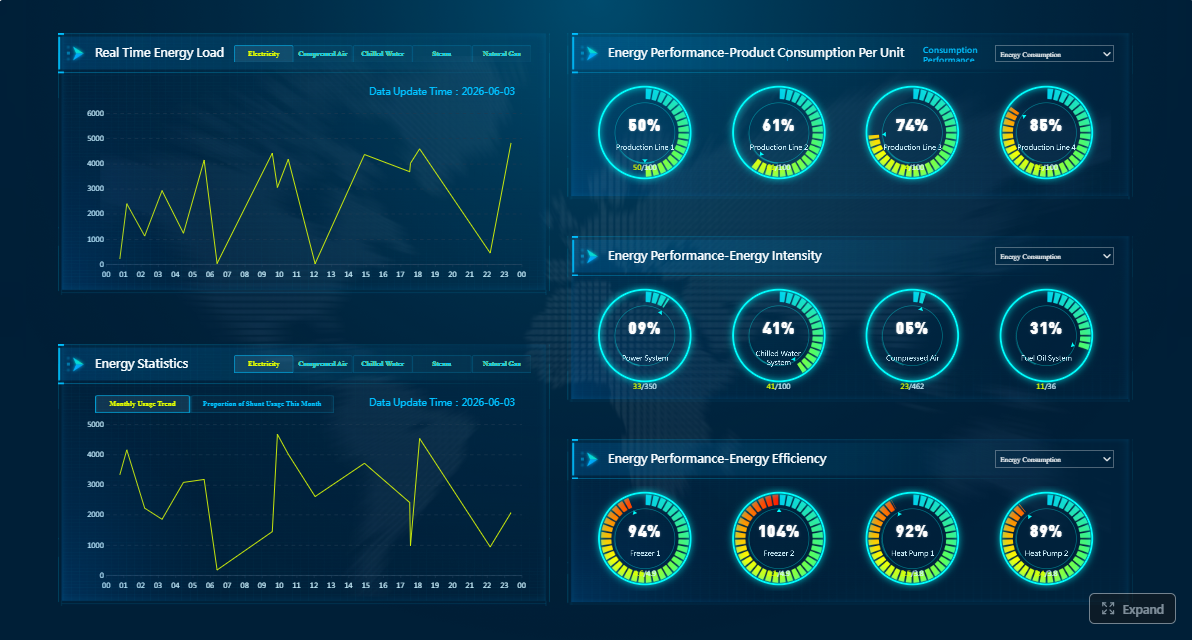
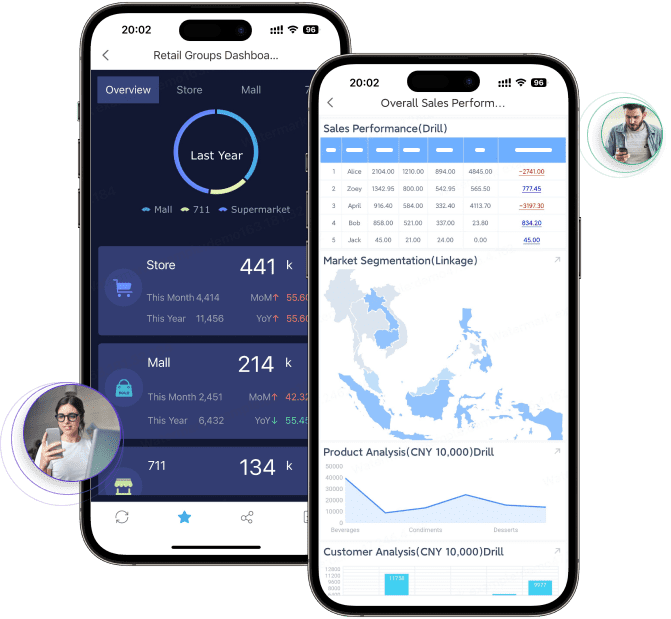
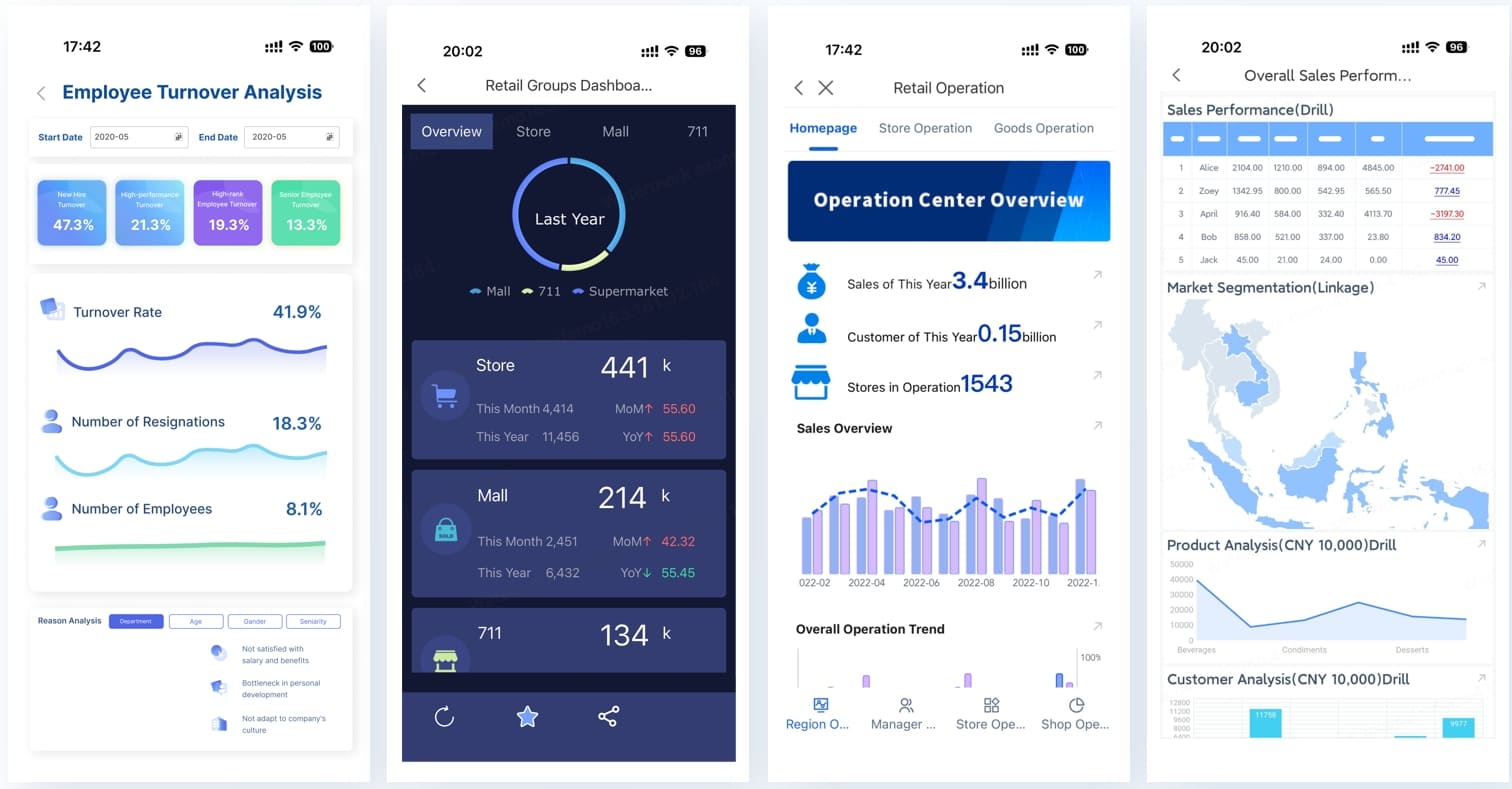
FineReport is an enterprise reporting and dashboard platform that helps organizations turn fragmented business data into governed, audit-ready reports and visual analytics.
10 Best CSRD Reporting Software Tools in 2026 at a Glance
ESG, EHS, risk, product stewardship, sustainability data management
Enterprise
High
Custom quote
Complex enterprise compliance environments
Diligent
Governance, risk, controls, board-level oversight, ESG program management
Mid-market to enterprise
Medium
Custom quote
Governance-heavy reporting and oversight
OneTrust
ESG and compliance workflows, assessments, stakeholder processes, program management
Mid-market to enterprise
Medium
Custom quote
Cross-functional compliance orchestration
Plan A
Carbon accounting, ESG metrics, decarbonization planning, CSRD support
Mid-market
Low to medium
Subscription / custom
Faster deployment for growing teams
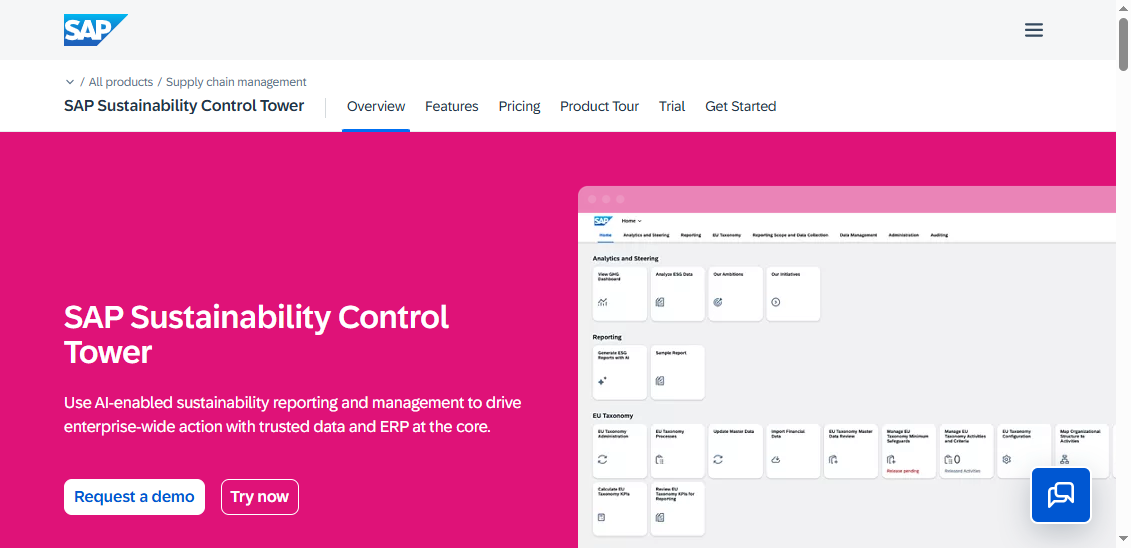
SAP Sustainability Control Tower
SAP-native sustainability data management, performance metrics, enterprise integration
Large enterprise
High
Enterprise licensing
SAP-centric reporting landscapes
Benchmark ESG
Regulatory workflow support, EHS/ESG process management, operational compliance
Mid-market to enterprise
Medium
Custom quote
Operational compliance and structured reporting processes
Position Green
European ESG compliance, carbon accounting, traceability, reporting workflows
Mid-market to enterprise
Medium
Custom quote
European CSRD-focused reporting
Snapshot: which tools lead in each category
Best for disclosure workflows: Workiva, IBM Envizi, SWEEP
Best for audit readiness: Workiva, IBM Envizi, Diligent
Best for data management: IBM Envizi, SAP Sustainability Control Tower, Sphera
Best for cross-functional collaboration: Workiva, SWEEP, OneTrust
Click To Try The Dashboard
How to interpret software category differences
Not every platform marketed as csrd reporting software is built the same way:
Dedicated CSRD reporting software focuses on ESRS mapping, disclosure workflows, double materiality, evidence collection, and assurance readiness.
Broader ESG platforms usually cover CSRD alongside frameworks such as GRI, ISSB, CDP, and TCFD.
Sustainability suites often combine CSRD with carbon accounting, target tracking, supplier engagement, and operational sustainability management.
If your priority is filing a defensible CSRD report with limited manual work, dedicated reporting depth matters. If you also need emissions management, target setting, and ongoing ESG operations, a broader platform may be the better fit.
How to Evaluate CSRD Reporting Software Before You Buy
Core compliance and reporting capabilities to compare
Before choosing a vendor, compare how well the platform supports the actual mechanics of CSRD compliance rather than just high-level ESG reporting claims.
Double materiality assessment support
A strong platform should help teams identify, score, document, and update material impacts, risks, and opportunities. Look for:
Guided double materiality workflows
Stakeholder input collection
Topic scoring and prioritization
Clear documentation of decisions and assumptions
Reusable outputs that connect directly into disclosures
ESRS mapping and disclosure workflow management
The best csrd reporting software should make it easier to connect raw data to ESRS disclosure requirements. Important capabilities include:
Prebuilt ESRS structures and templates
Disclosure requirement mapping
Gap analysis support
Narrative drafting workflows
Task assignments and progress tracking across departments
Evidence collection, internal controls, and audit trail features
CSRD reporting increasingly resembles financial reporting in its control expectations. Look for systems that support:
Source document attachments
Data lineage visibility
Approval logs
Change history
Control checkpoints for metric validation
Assurance readiness, approvals, and version control
External assurance becomes much easier when the platform tracks how data changed, who approved it, and what evidence supports it. Prioritize:
Review and sign-off workflows
Version-controlled disclosures
Locked reporting periods
Auditor access options
Standardized evidence repositories
Data, integration, and automation requirements
For many companies, the main challenge is not the report itself but the data architecture behind it.
ERP, finance, HR, procurement, and emissions-data integrations
A useful system should connect with the applications where sustainability data already lives. Common integration priorities include:
ERP systems
Financial consolidation platforms
HR systems for workforce metrics
Procurement and supplier data tools
Utility, facility, and emissions systems
The more manual exports and spreadsheet stitching you need, the higher the compliance risk.
Granular permissions by team, entity, or report section
Dashboarding, export formats, and stakeholder reporting outputs
Internal stakeholders need management views, while external stakeholders need polished outputs. Evaluate:
Executive dashboards
Board-ready summaries
CSV, Excel, and PDF exports
Digital reporting support
Flexible disclosure output formats
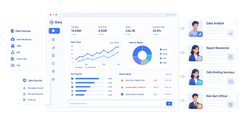
This is also where FineReport can complement a CSRD stack. If your organization already collects ESG data in multiple systems, FineReport can help unify those datasets into executive dashboards, controlled management reports, and operational monitoring views for finance, sustainability, internal audit, and leadership teams.
Common choices include SWEEP, Plan A, and Position Green.
Best fit for companies combining CSRD, ESG, and carbon accounting workflows
If CSRD is only one part of your sustainability operating model, prioritize platforms that combine:
Carbon accounting
ESG performance tracking
Supplier data collection
Disclosure management
Watershed, SWEEP, Persefoni, and Plan A typically fit this profile.
Best fit for organizations prioritizing external assurance and auditability
If your main concern is evidence, controls, and reviewability, shortlist:
Workiva
IBM Envizi
Diligent
Sphera
These platforms tend to be stronger in governance, traceability, and enterprise control environments.
The 10 Best CSRD Reporting Software Tools in 2026
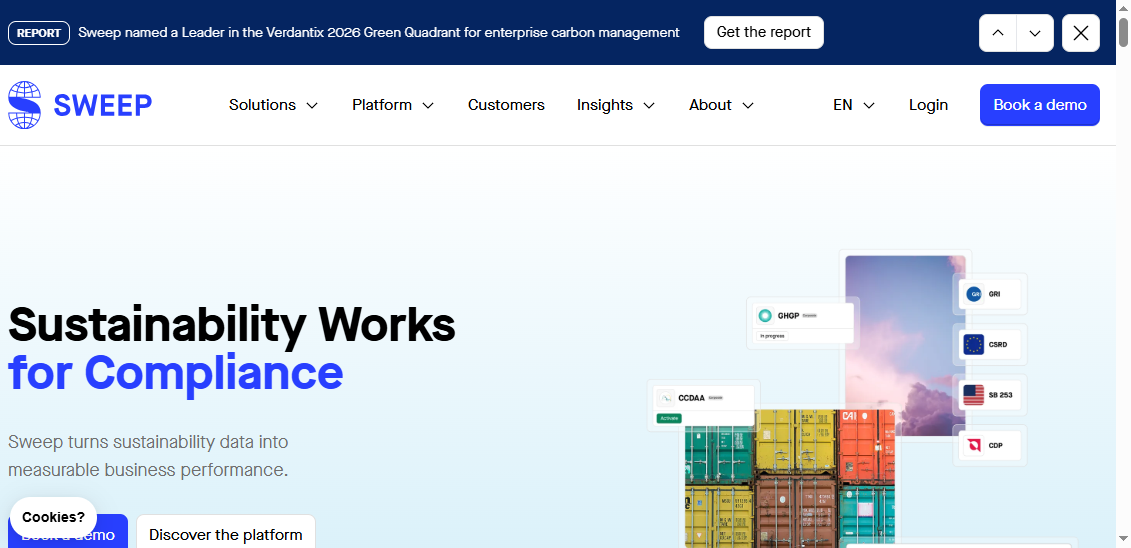
1) SWEEP
One-sentence overview: SWEEP is a sustainability data and carbon management platform with strong collaboration features for organizations building CSRD reporting processes around shared ESG data.
Support for double materiality and readiness workflows
Scope 1, 2, and 3 emissions tracking
Collaboration tools for internal and external contributors
Audit-oriented workflow support and validation steps
Multi-framework sustainability reporting support
Pros & Cons
Pros
Good fit for teams that want CSRD and carbon management in one environment
Strong supplier and value-chain data collaboration potential
More approachable than some heavier enterprise suites
Cons
Enterprise governance depth may be lighter than finance-led reporting platforms
Advanced reporting structures may still require process design work
Pricing can be difficult to benchmark without a sales conversation
Best For (Target user/scenario)
Mid-market and enterprise sustainability teams that need a modern platform for ESG data, carbon accounting, and CSRD disclosure workflows.
2) Workiva
One-sentence overview: Workiva is a connected reporting platform that stands out for controlled collaboration, audit trails, and finance-grade governance across sustainability and regulatory reporting.
Key Features
Integrated double materiality and gap assessment workflows
Connected sustainability and financial data
Granular permissions and workflow management
Full audit trail and version control
XBRL-ready and disclosure-oriented reporting capabilities
Carbon accounting support through related platform modules
Pros & Cons
Pros
One of the strongest choices for assurance readiness
Excellent collaboration across sustainability, finance, legal, and audit teams
Well suited to organizations already using structured reporting controls
Cons
Can be more complex and resource-intensive to implement
Better fit for mature reporting organizations than first-time teams with limited capacity
Cost may be high for smaller companies
Best For (Target user/scenario)
Large enterprises and finance-led reporting teams that need rigorous controls, traceability, and integrated disclosure production.
3) Watershed
One-sentence overview: Watershed is a climate and ESG platform built around carbon measurement, decarbonization planning, and disclosure support for organizations where emissions data is central to CSRD readiness.
Some teams may need additional process tools for wider ESG topics
Best For (Target user/scenario)
Companies with complex emissions footprints that want CSRD reporting software closely connected to carbon accounting and reduction strategy.
4) IBM Envizi
One-sentence overview: IBM Envizi is an enterprise ESG data and reporting suite designed for large-scale data capture, governance, ESRS workflow management, and multi-framework reporting.
Can require more implementation effort than lighter platforms
Better suited to structured enterprise programs than quick-start deployments
User experience may feel more system-oriented than editor-oriented
Best For (Target user/scenario)
Enterprises that need a robust ESG system of record with strong governance, reporting structure, and audit support.
How the Remaining Top Tools Compare
5) Persefoni, Sphera, and Diligent
Persefoni
One-sentence overview: Persefoni is a carbon accounting and climate disclosure platform that increasingly supports CSRD-related reporting needs through traceable emissions data and workflow controls.
Key Features
Carbon footprint measurement
Climate disclosure workflows
Audit trails for emissions calculations
Reporting aligned to climate-focused frameworks
Scenario and transition planning support
Pros & Cons
Pros
Strong for carbon-first reporting programs
Useful auditability around emissions calculations
Good option when climate reporting maturity already exists
Cons
Less comprehensive for broader ESG governance than full-suite platforms
May need complementary tools for wider ESRS topics
Best For (Target user/scenario)
Teams where carbon accounting is the foundation of CSRD preparation.
Sphera
One-sentence overview: Sphera is an enterprise sustainability, risk, and operational compliance platform designed for complex organizations with mature governance requirements.
Key Features
ESG and EHS integration
Risk and compliance management
Enterprise-scale data governance
Product and lifecycle-related sustainability capabilities
Workflow and control structures for large organizations
Pros & Cons
Pros
Strong fit for highly regulated industries
Broad operational sustainability coverage
Good for integrating ESG with risk and compliance processes
Cons
Can be heavy to implement
May exceed the needs of simpler CSRD programs
Often better suited to enterprise buyers with specialist admin resources
Best For (Target user/scenario)
Large enterprises needing CSRD support within a wider operational risk and sustainability architecture.
Diligent
One-sentence overview: Diligent brings governance, risk, controls, and oversight strengths to ESG and CSRD reporting processes.
Key Features
Governance and control management
Audit and risk oversight workflows
Cross-functional accountability structures
Documentation and approval support
Board and leadership reporting alignment
Pros & Cons
Pros
Strong for governance-heavy reporting environments
Helpful when audit committees and boards are closely involved
Good control and accountability orientation
Cons
Not as carbon-specialized as climate-first tools
Some sustainability teams may need deeper metric management capabilities
Best For (Target user/scenario)
Organizations prioritizing governance, internal controls, and executive oversight in CSRD programs.
6) OneTrust, Plan A, and SAP Sustainability Control Tower
OneTrust
One-sentence overview: OneTrust extends its compliance and workflow heritage into ESG program management, making it useful for organizations coordinating CSRD across many stakeholders.
Key Features
Assessment and workflow orchestration
Cross-functional process management
Policy and control alignment
Data collection support
Broad compliance program integration
Pros & Cons
Pros
Strong process coordination capabilities
Useful for organizations already using OneTrust for other compliance domains
Good for distributed accountability models
Cons
May require more configuration for deep sustainability-specific use cases
Less carbon-native than specialist ESG platforms
Best For (Target user/scenario)
Companies that want CSRD reporting embedded into broader enterprise compliance workflows.
Plan A
One-sentence overview: Plan A is a sustainability platform that combines carbon accounting, ESG reporting, and decarbonization planning with a relatively accessible deployment model.
Key Features
Carbon accounting across scopes
ESG metric collection
CSRD and ESRS support
Decarbonization planning tools
Dashboarding and progress tracking
Pros & Cons
Pros
Typically easier for mid-sized teams to adopt
Balances reporting and performance management well
Helpful for companies building maturity quickly
Cons
Enterprise control depth may be lighter than large-platform competitors
Very complex reporting structures may need more customization
Best For (Target user/scenario)
Mid-sized companies that want a manageable platform for CSRD readiness plus ongoing sustainability management.
SAP Sustainability Control Tower
One-sentence overview: SAP Sustainability Control Tower is designed for organizations that want sustainability reporting closely integrated with SAP-led enterprise data landscapes.
One-sentence overview: Benchmark ESG focuses on structured compliance and sustainability workflows, with strengths in operational process management and regulatory reporting support.
Key Features
Compliance-oriented ESG workflows
Data collection and process management
Structured reporting support
Operational governance controls
Configurable enterprise workflows
Pros & Cons
Pros
Good fit for process-driven compliance teams
Useful where ESG sits close to operational compliance
Can support structured reporting programs
Cons
May feel less intuitive than newer UX-led tools
Carbon-specific sophistication may vary by use case
Best For (Target user/scenario)
Organizations that need CSRD reporting support within broader operational compliance management.
Position Green
One-sentence overview: Position Green is a European ESG and carbon reporting platform with strong relevance for organizations prioritizing CSRD alignment and traceability.
Why these tools work well: they support structured approvals, multi-entity oversight, stronger access controls, and more defensible assurance processes.
Best options for mid-sized companies building CSRD readiness
For companies that need faster rollout and less implementation overhead, the most practical options are:
SWEEP
Good balance of ESG depth and usability
Plan A
Strong for manageable deployment and sustainability performance tracking
Position Green
Useful for Europe-focused CSRD readiness
Watershed
Strong if emissions data is a central challenge
Why these tools work well: they usually offer more guided workflows and a more approachable implementation path than heavyweight enterprise suites.
Best options for teams needing broader ESG and carbon management
If your reporting program extends beyond CSRD and includes carbon accounting, decarbonization, or ongoing performance management, prioritize:
Watershed
SWEEP
Persefoni
Plan A
Position Green
Why these tools work well: they connect disclosure obligations with emissions data, target tracking, and broader sustainability execution.
Choosing the right csrd reporting software comes down to matching your reporting maturity, internal data complexity, and assurance expectations to the right software category.
Questions to ask vendors before booking a demo
How do you support double materiality assessments in the platform?
How are ESRS disclosures mapped and maintained as standards evolve?
What evidence collection and audit trail capabilities are native?
How do you handle multi-entity consolidation and local approvals?
Which ERP, HR, finance, and procurement integrations are already available?
How do you manage data validation, exceptions, and version control?
Can external auditors access evidence and review histories directly?
What parts of the CSRD process still rely on spreadsheets or manual workarounds?
Red flags to watch for
Weak or unclear audit trail functionality
Limited ESRS mapping depth
Heavy dependence on manual file uploads
No formal review and approval workflow
Poor role-based access controls
Limited support for assurance preparation
Overly generic ESG positioning without CSRD-specific workflow depth
A simple framework for narrowing your choice
Use this three-part filter:
Budget and implementation capacity
Limited budget and lean team: Plan A, SWEEP, Position Green
Larger budget and formal implementation support: Workiva, IBM Envizi, Sphera, SAP
Reporting maturity
First or second CSRD cycle: guided, easier-to-deploy tools are often better
Mature reporting program: enterprise governance platforms usually pay off
Assurance and control needs
High assurance priority: Workiva, IBM Envizi, Diligent
Broader sustainability operations priority: Watershed, SWEEP, Persefoni, Plan A
If your organization also needs better executive reporting across sustainability, finance, and operations, FineReport is worth considering alongside your core CSRD platform. It is especially useful for building tailored dashboards, management reports, and cross-system reporting layers that make sustainability data easier to review and act on internally.
In short, the best csrd reporting software in 2026 is not necessarily the platform with the most features. It is the one that fits your reporting scope, reduces manual work, improves data trust, and makes external assurance less painful.
FAQs
CSRD reporting software helps companies collect, validate, and organize sustainability data for ESRS-aligned disclosures. It also supports workflows like double materiality, evidence collection, approvals, and audit preparation.
The most important features usually include double materiality assessment support, ESRS mapping, audit trails, version control, and integrations with systems like ERP, HR, and procurement tools. Strong collaboration and assurance-ready controls are also key.
CSRD reporting software is more focused on ESRS disclosure workflows, traceable evidence, and assurance readiness. General ESG platforms may cover broader sustainability goals but not always the depth needed for defensible CSRD reporting.
Yes, many leading platforms include guided workflows for identifying, scoring, and documenting material impacts, risks, and opportunities. The best tools also connect those outputs directly to disclosure requirements and reporting tasks.
Companies usually compare them based on reporting depth, data management, carbon accounting needs, audit readiness, and implementation complexity. The right choice depends on whether your priority is disclosure workflows, governance, emissions reporting, or cross-functional collaboration.
Product Trial
FineReport
Pixel-perfect reports · Interactive dashboards · Easy data entry · Digital twins