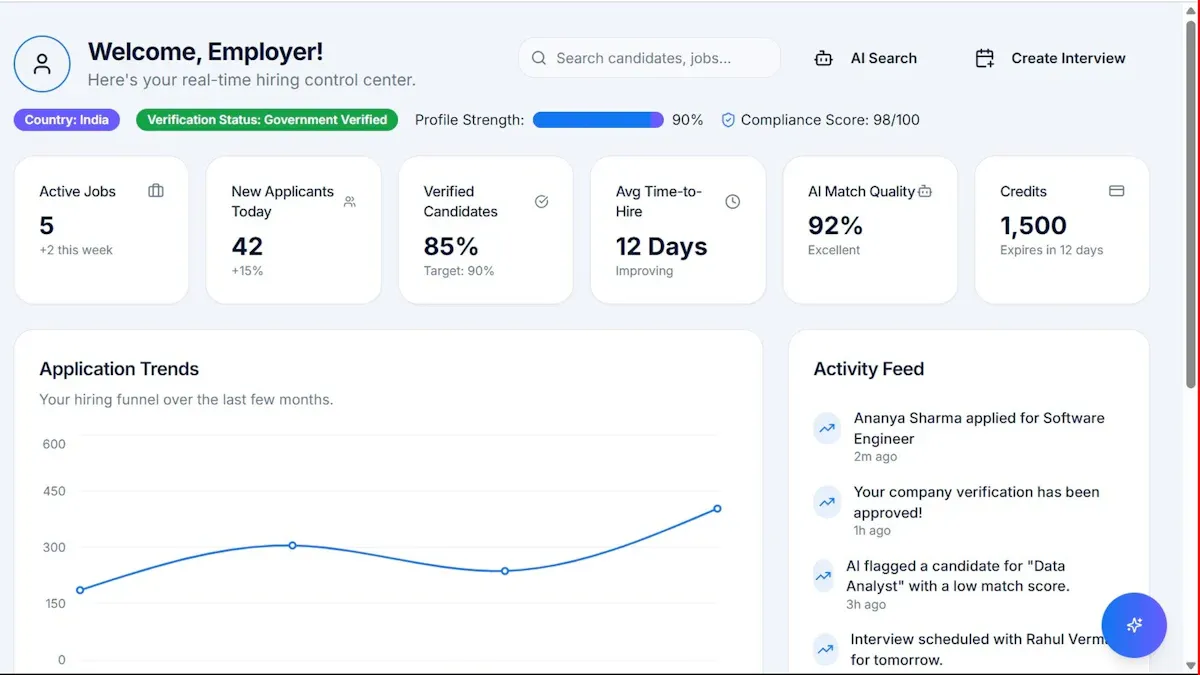
Expense report software for small business is a tool that helps owners and employees capture receipts, submit expenses, route approvals, manage reimbursements, and sync records to accounting systems with less manual work.
10 best expense report software for small business compared
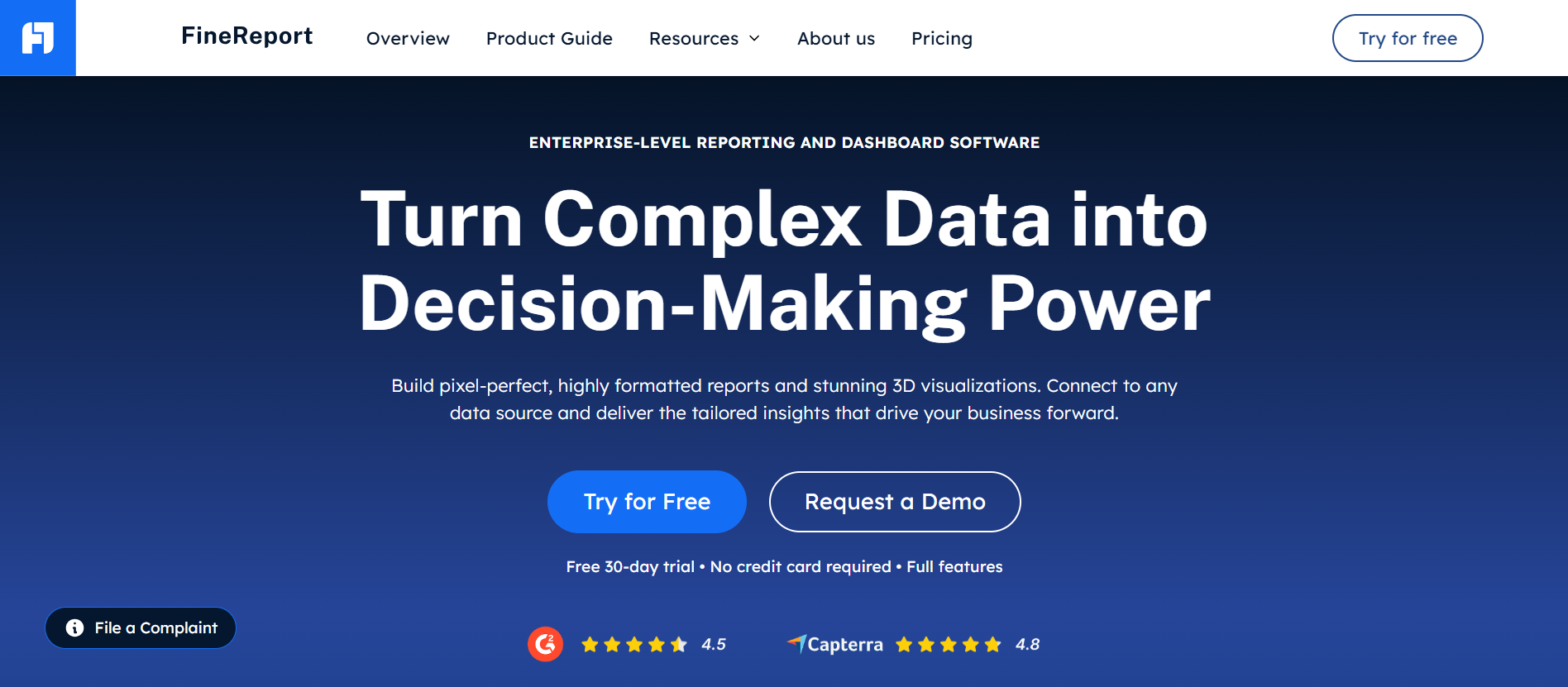
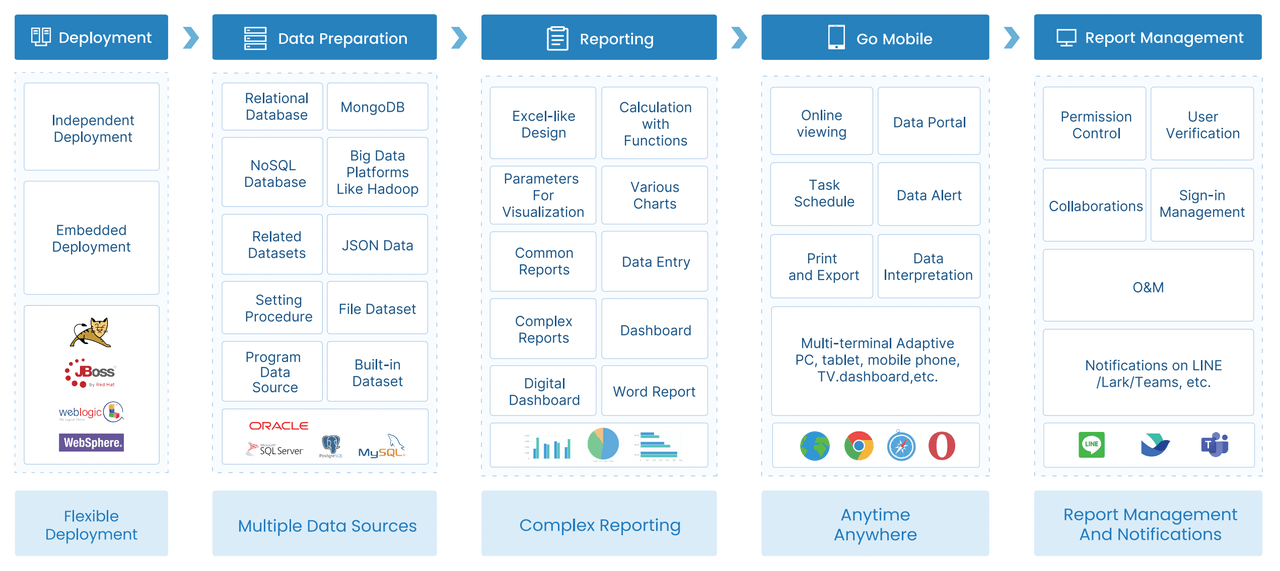
One-sentence overview:FineReport is best for small businesses that want stronger expense reporting, custom approval workflows, dashboard visibility, and broader business process automation beyond basic expense entry.
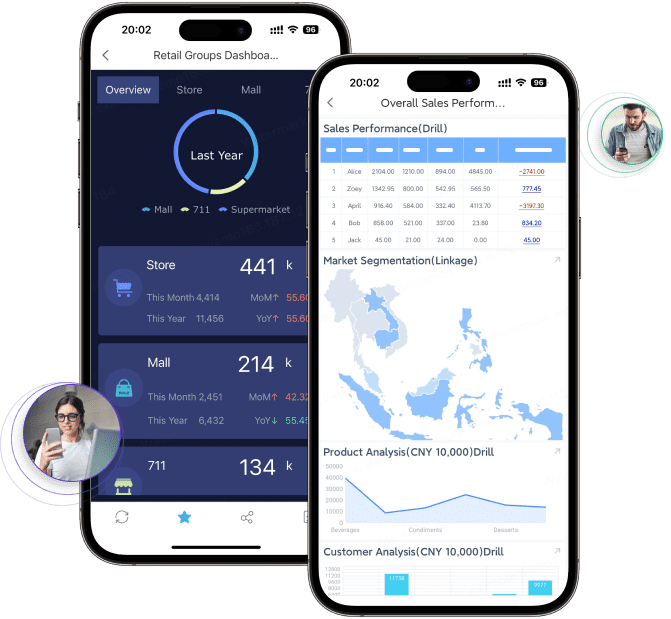
Centralized dashboards for spend visibility and reimbursement tracking
Integration-friendly architecture for accounting, ERP, and internal systems
Policy-based approval routing and reporting automation
Flexible analytics for finance teams that need more than a simple expense tracker
Pros & Cons:
Pros: Highly customizable; strong reporting depth; useful for companies that want business expense management software and analytics in one environment; suitable for teams with more complex internal processes
Cons: May require more setup than lightweight receipt-only apps; not the simplest choice for a solo owner who just wants to snap receipts
Best For (Target user/scenario): Small businesses that have outgrown spreadsheets and basic apps and want to connect expense reporting with broader operational reporting and automation.
FineReport earns the top spot here because many small businesses eventually discover that the real problem is not just receipt capture. It is fragmented approvals, limited visibility into department spend, weak reporting, and manual follow-up during month-end close. FineReport helps address those gaps by combining customizable forms, workflow automation, and reporting dashboards in a way that fits growing companies with more specific finance processes.
If your team needs a simple app only for reimbursing occasional meals, FineReport may be more robust than necessary. But if you want to standardize approvals, build management dashboards, track budget versus actuals, and create a more scalable expense workflow, it is a strong option.
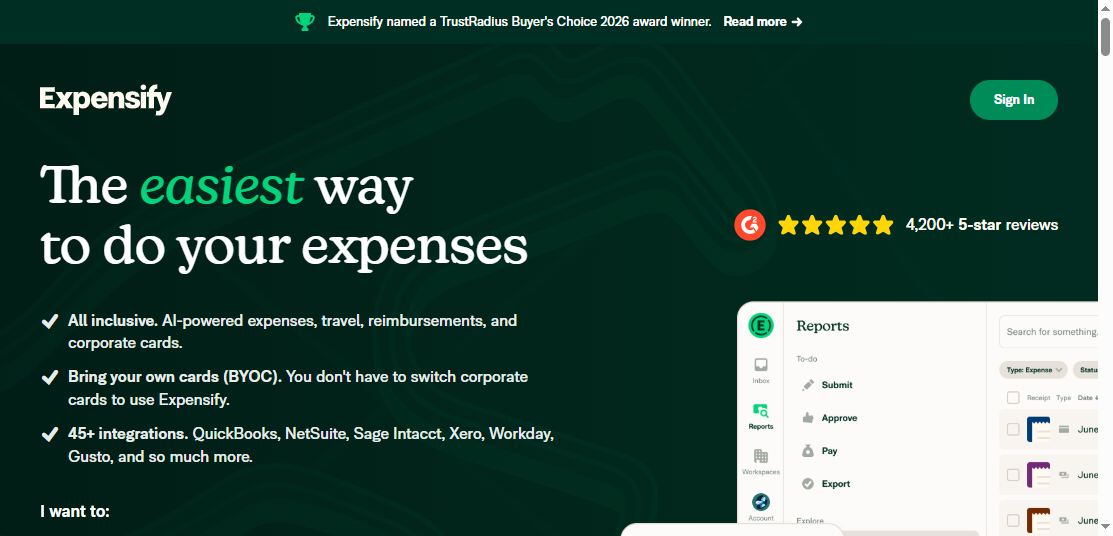
One-sentence overview: Expensify is a well-known expense report software for small business focused on fast receipt scanning, streamlined submissions, employee reimbursements, and card-linked spend management.
Key Features:
OCR receipt capture and email receipt forwarding
Mileage tracking
Automated report creation and policy checks
Reimbursement workflows
Corporate card and bring-your-own-card support
Accounting integrations including QuickBooks and Xero
Pros & Cons:
Pros: Fast receipt capture; user-friendly mobile experience; good reimbursement speed; solid automation for everyday expense reports
Cons: Pricing can become harder to evaluate as needs expand; some capabilities are tied to plan level or card usage; may feel less cost-effective for very small teams with simple needs
Best For (Target user/scenario): Small businesses that want employees to submit expenses quickly with minimal training.
Expensify remains one of the most recognizable tools in this category for good reason. It reduces friction for employees, especially those who travel often or submit receipts on the go. The app is strong at turning receipt images and emailed confirmations into report-ready expenses.
The main trade-off is cost clarity. For some small businesses, the platform looks affordable at first but becomes more nuanced once you factor in advanced workflows, user count, reimbursement needs, or preferred payment setup. It is still one of the safest picks if speed and ease of use are your priorities.
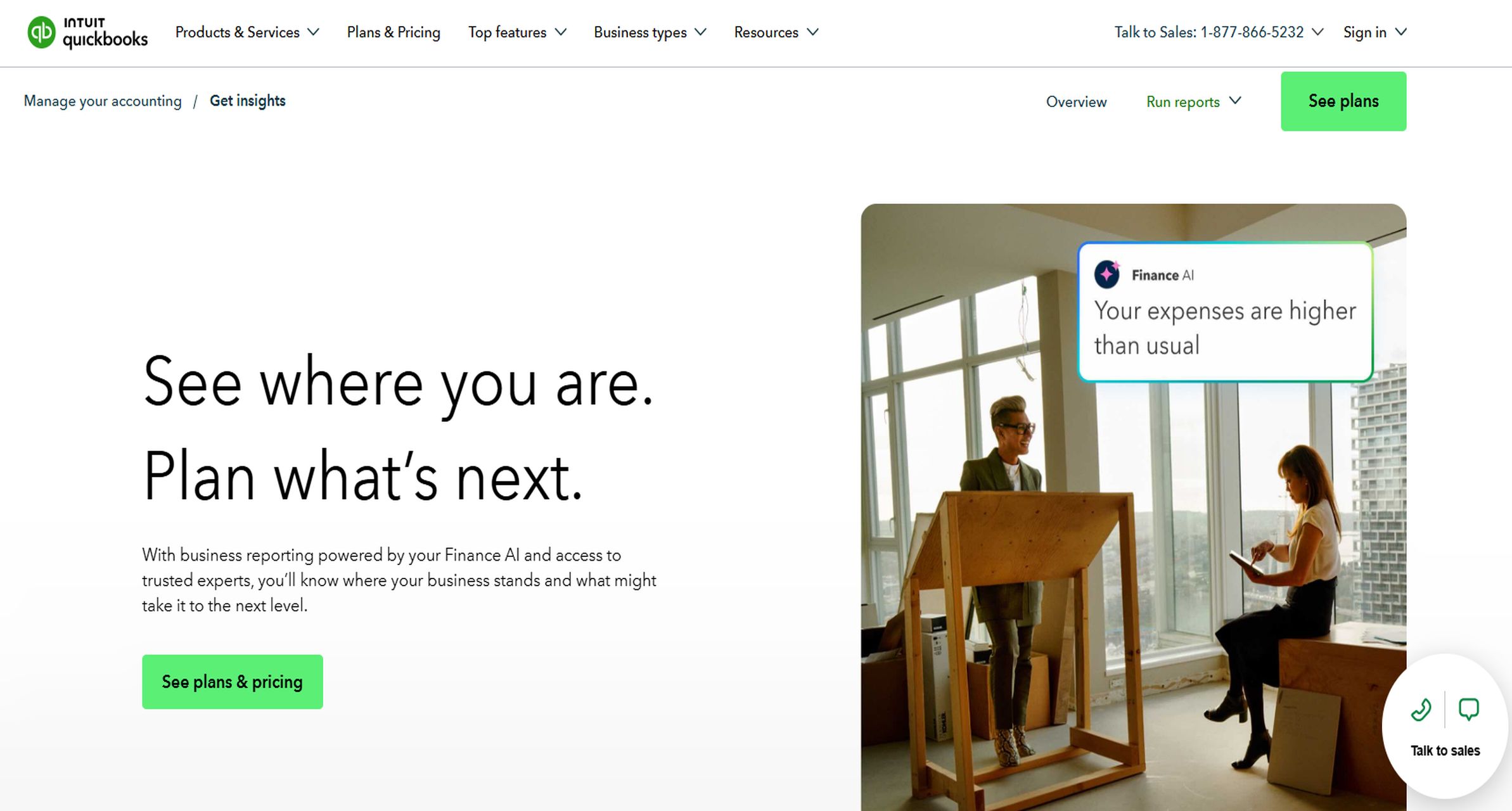
One-sentence overview: QuickBooks Online is best for small businesses that want accounting and expense workflows in the same ecosystem rather than stitching together multiple tools.
Key Features:
Built-in expense tracking tied to bookkeeping
Bank and card transaction feeds
Receipt capture in the mobile app
Mileage tracking in some plans or add-ons
Direct reconciliation inside the accounting system
Reporting for taxes, P&L, and cash flow
Pros & Cons:
Pros: Convenient for businesses already using QuickBooks; simpler reconciliation; fewer integrations to manage; useful for owner-led finance operations
Cons: Less specialized than dedicated expense management platforms; policy controls and multi-step approvals are more limited; not ideal if you need advanced spend governance
Best For (Target user/scenario): Bookkeeping-focused small businesses that want expenses and accounting in one place.
QuickBooks Online works especially well when the main goal is to reduce duplicate entry. If your bookkeeper already lives in QuickBooks, keeping expense data inside the same platform can make month-end faster and cleaner.
The limitation is depth. You get solid accounting-centric expense tracking, but not always the specialized controls that finance teams need as employee count grows. For a company with only a few submitters, that may be perfectly acceptable. For a business with layered approvals or tighter policy enforcement, a dedicated platform will usually do more.
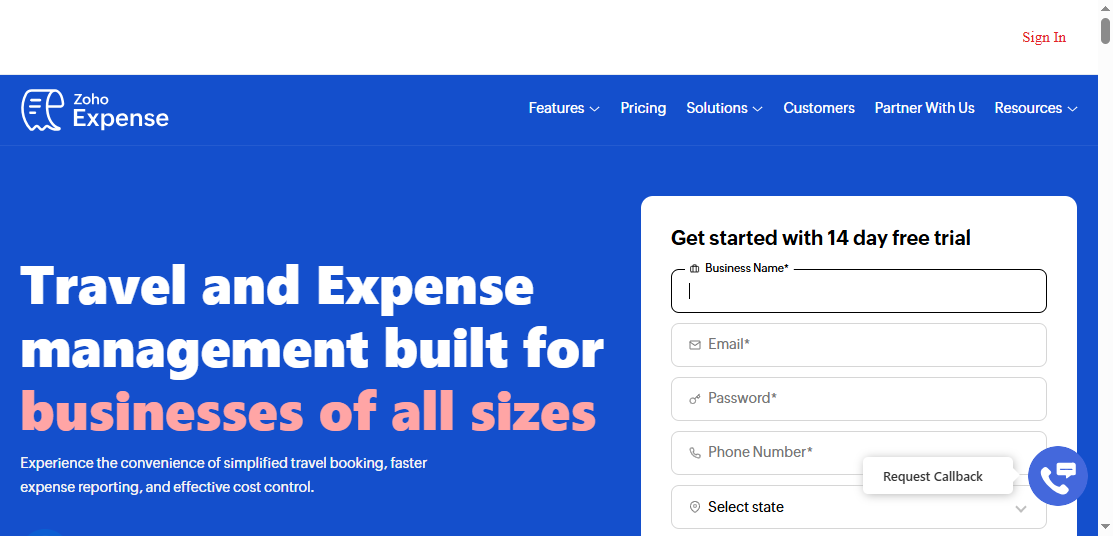
One-sentence overview: Zoho Expense is a strong value option for growing teams that want policy automation, travel and mileage tracking, and flexible workflows without enterprise-level cost.
Key Features:
Receipt scanning and auto-categorization
Mileage tracking and travel expense support
Approval workflows and policy rules
Multi-currency capabilities
Integration with Zoho apps and external accounting software
Spend analytics and audit support
Pros & Cons:
Pros: Good balance of features and price; useful policy controls; suitable for growing teams; strong if you already use the Zoho stack
Cons: Setup can take time; advanced workflows add complexity; interface depth may require onboarding for non-finance users
Best For (Target user/scenario): Small businesses planning to scale and needing stronger controls than a basic expense tracker provides.
Zoho Expense is often one of the best-value tools in this market because it covers the essentials well while also giving finance teams more policy control than many entry-level apps. It handles travel-heavy workflows better than simple receipt trackers and generally scales well with growing usage.
Its trade-off is usability at the advanced end. Once you start layering in custom rules, mileage settings, categories, and approval paths, the system can feel less lightweight. That is not necessarily a weakness, but it does mean setup quality matters.
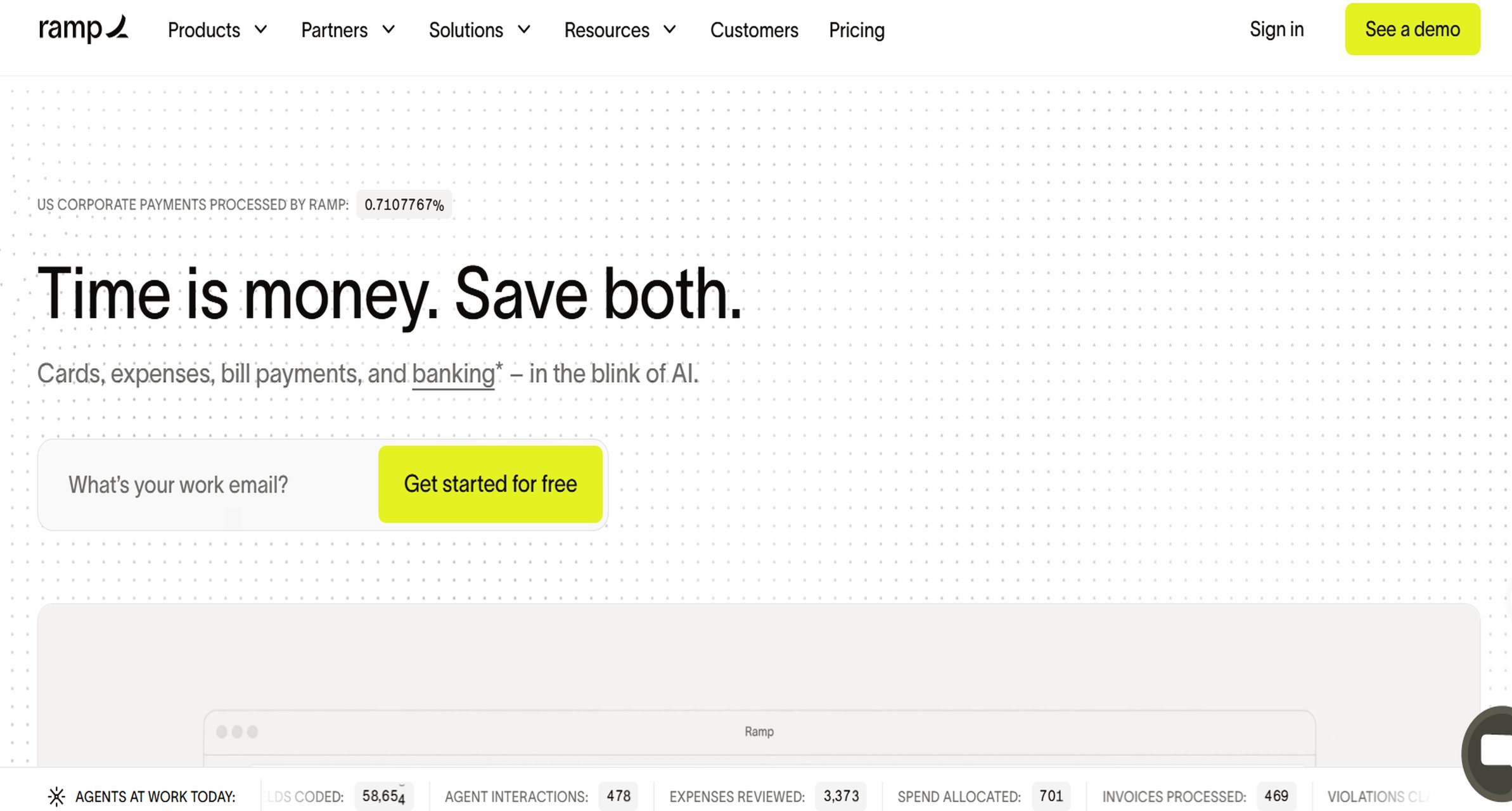
One-sentence overview: Ramp is a modern spend platform that combines corporate cards, approvals, controls, and expense automation for companies that want real-time visibility into spend.
Key Features:
Corporate cards with spend limits
Receipt matching and automation
Approval workflows
Accounting integrations
Vendor and spend visibility dashboards
Budgeting and control features
Pros & Cons:
Pros: Strong automation; good real-time visibility; useful for controlling spend before reimbursement happens; strong finance-oriented workflows
Cons: Card-first model is not the right fit for every small business; eligibility requirements can limit access; less useful if most expenses are still paid out of pocket
Best For (Target user/scenario): Startups and finance-led teams that want to shift from reimbursements toward controlled card spend.
Ramp is attractive because it reduces the need for employee out-of-pocket spending in the first place. That can simplify reimbursement workflows and improve policy enforcement. It is particularly effective for startups that want faster controls and less manual oversight.
The catch is fit. If your business is not comfortable adopting another financial platform or does not qualify for the card model you want, the value proposition weakens.
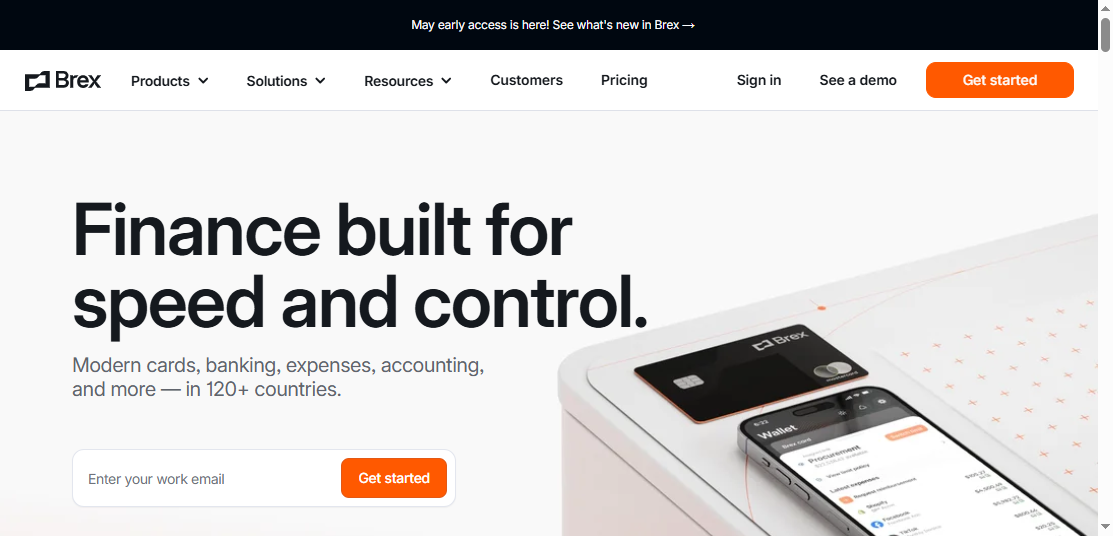
One-sentence overview: Brex is designed for fast-moving companies that want expense controls, corporate cards, and broader spend management in one platform.
Key Features:
Corporate cards and spend controls
Automated receipt collection
Approval policies
Real-time spend monitoring
Accounting and ERP integrations
Travel and vendor spend support in broader plans
Pros & Cons:
Pros: Strong control layer; good visibility; useful for scaling companies; broader spend management than simple expense apps
Cons: Best fit is narrower than general small business software; card-centric approach may not suit all teams; some smaller businesses may find it more platform than they need
Best For (Target user/scenario): Venture-backed teams and startups that prioritize centralized spend control over traditional reimbursements.
Brex is often evaluated alongside Ramp because both target modern finance teams that want proactive controls. For businesses moving quickly, the benefit is clear: policy enforcement happens earlier, not after the expense report is submitted.
For more traditional small businesses, though, Brex can feel less natural than a reimbursement-first tool. If your team still operates with employee-paid expenses and basic accounting software, implementation may feel like a bigger behavioral change.
One-sentence overview: BILL Spend & Expense is a practical option for businesses that want expense management tied closely to AP, bill payments, and finance operations.
Key Features:
Expense tracking and receipt capture
Card-based spend controls
Approval workflows
Bill pay ecosystem integration
Accounting sync
Visibility across employee and vendor-related spend
Pros & Cons:
Pros: Helpful for finance teams already using BILL; supports broader back-office workflows; can reduce fragmentation between expenses and payables
Cons: Value depends heavily on your existing finance stack; may be less appealing as a standalone expense app; some small businesses only need a narrower tool
Best For (Target user/scenario): Small businesses that want to connect employee spend with broader finance operations such as AP and bill management.
This option is less about pure employee reimbursements and more about creating a connected finance workflow. If your business already uses BILL, adding spend functionality can make operational sense and reduce tool sprawl.
If you are starting from scratch, however, a simpler expense product may be easier to evaluate and deploy.
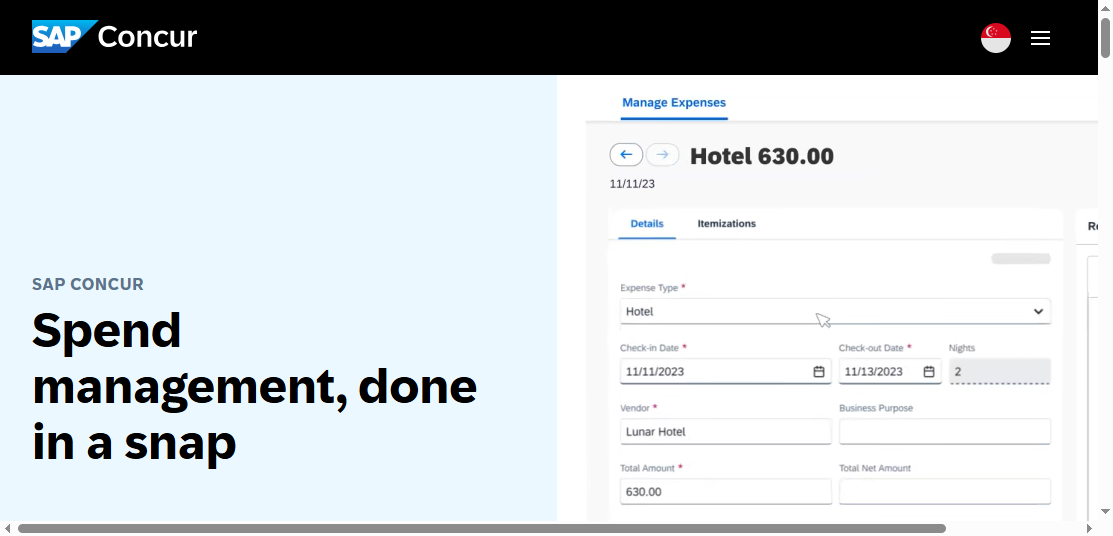
One-sentence overview: SAP Concur Expense is a mature expense management platform with strong compliance, travel integration, and configurable workflows, though it can be heavier than many small businesses need.
Key Features:
Receipt capture and automated expense creation
Travel and expense integration
Policy controls and audit tools
Approval routing
Broad integrations
Advanced administration options
Pros & Cons:
Pros: Strong controls; broad capabilities; suitable for companies with formal approval requirements; reliable for complex T&E environments
Cons: Can be more expensive and more complex to implement; interface and administration may feel heavy for small teams; best value often appears at larger scale
Best For (Target user/scenario): Small businesses with unusually strict compliance needs or those planning for more complex T&E operations.
Concur is often more software than a typical small business needs, but it belongs in the comparison because some smaller organizations operate with enterprise-like control requirements. If auditability and policy rigor matter more than simplicity, it deserves a look.
For most small businesses, though, it lands lower on the shortlist because setup and ongoing administration can outweigh the benefit.
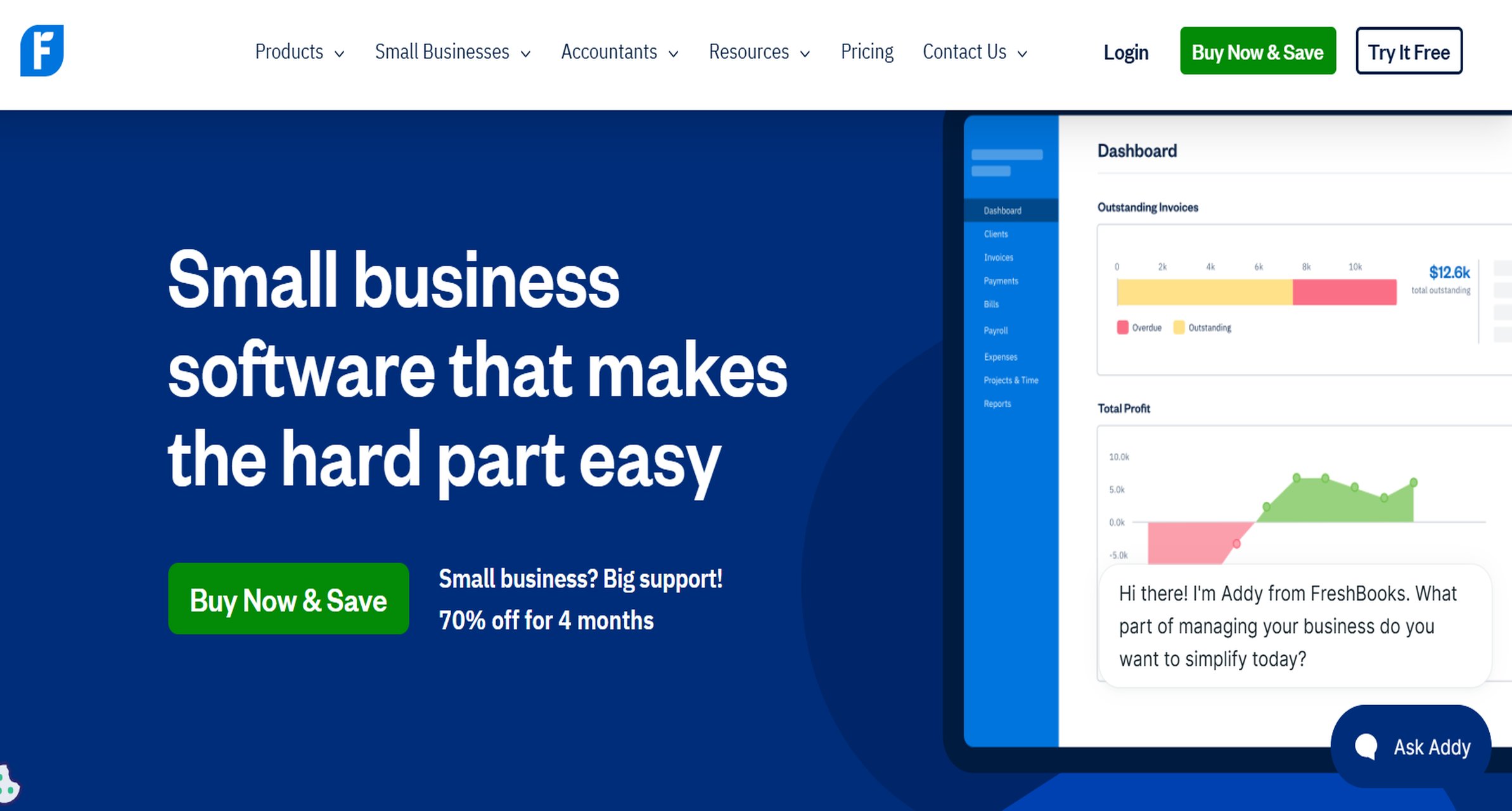
One-sentence overview: FreshBooks is a simple accounting-first choice for freelancers and small service businesses that need light expense tracking with invoicing and bookkeeping.
Key Features:
Expense tracking and categorization
Receipt capture
Mileage tracking in some workflows
Invoicing and client billing
Basic reporting
Bookkeeping-friendly interface
Pros & Cons:
Pros: Easy to use; helpful for service businesses; combines invoicing and basic expense tracking; lower learning curve than more advanced platforms
Cons: Limited policy controls; not built for more formal approval chains; weaker for multi-employee expense programs
Best For (Target user/scenario): Freelancers, agencies, and very small service businesses with lightweight expense reporting needs.
FreshBooks is less of a dedicated expense management platform and more of an accounting tool with useful expense features. That makes it appealing to owners who want simplicity above all else.
Once multiple employees start submitting expenses regularly, its limitations become more obvious.
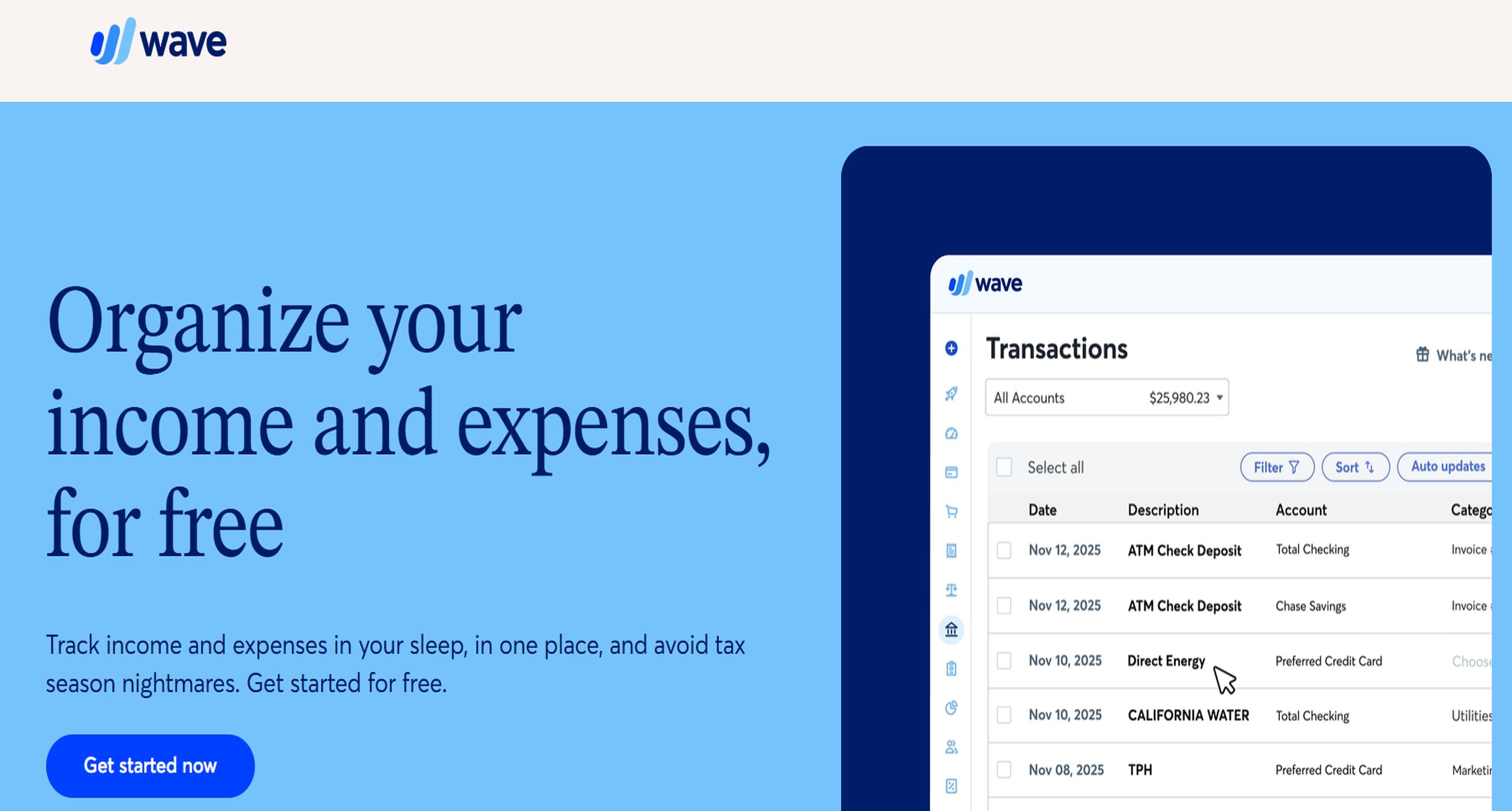
One-sentence overview: Wave is a budget-friendly option for microbusinesses that want simple bookkeeping and basic expense tracking without paying for a specialized expense system.
Key Features:
Expense categorization
Bank transaction imports
Basic receipt and bookkeeping workflows
Reporting for income and expenses
Simple interface for owner-operators
Pros & Cons:
Pros: Affordable entry point; straightforward for microbusinesses; useful for replacing spreadsheets at the earliest stage
Cons: Limited approvals, reimbursements, and policy features; not true expense report software in the dedicated-platform sense; scalability is limited
Best For (Target user/scenario): Solopreneurs and very small businesses that mainly need a starter expense tracker connected to bookkeeping.
Wave is only a fit when your expense process is still simple. It can reduce manual categorization and support cleaner records, but it does not deliver the structured approval and reimbursement workflows that most growing small businesses need.
How to choose expense report software for small business in 2026
What small teams actually need: receipt capture, approvals, reimbursements, mileage, and accounting sync
The best expense report software for small business should solve the operational basics first. For most teams, that means:
Receipt capture: Mobile photo upload, email forwarding, or card transaction matching
Approvals: At minimum, one-step manager approval; ideally configurable rules as the team grows
Reimbursements: Clear status tracking and fast repayment to employees
Mileage tracking: Important for field teams, service businesses, and owner-drivers
Accounting sync: Clean export or direct integration to QuickBooks, Xero, or another general ledger
Many businesses overbuy here. If only two people submit occasional expenses, the priority is ease of use. If 15 employees travel or buy materials every week, automation and policy controls quickly matter more.
The trade-offs between ease of use, automation depth, policy controls, and total cost
There is no perfect tool for every company because the core trade-offs are real.
Ease of use vs. control: Simpler tools help employees submit expenses faster, but they may lack layered approval logic or stricter policy enforcement.
Automation depth vs. setup time: More advanced automation saves time later, but often requires initial configuration.
Policy controls vs. user flexibility: Tight controls reduce non-compliant spending, but may frustrate teams if rules are too rigid.
Low entry price vs. long-term value: A cheap app can become costly if it creates accounting cleanup work or requires add-ons later.
This is why FineReport can be a smart choice for businesses thinking beyond receipt capture. It supports a more structured expense management process when reporting, workflow consistency, and finance visibility start to matter.
When a simple expense tracker is enough versus when you need broader spend management
A simple expense tracker is enough if:
The owner or bookkeeper handles most expenses
There are very few monthly submissions
Reimbursements are infrequent
Policy enforcement is informal
Budget oversight happens outside the expense tool
You likely need broader spend management if:
Multiple employees regularly submit expenses
You want approval chains by department or amount
You issue company cards
You need better visibility into team or project spend
Month-end reconciliation is getting messy
You want dashboards, audit trails, and stronger controls
That is the point where tools like FineReport, Ramp, Brex, or BILL Spend & Expense become more relevant than lightweight trackers.
Features, pricing, and trade-offs of expense report software for small business that matter most
Receipt capture, OCR, and mobile apps
Receipt capture is still the feature most users care about first. If employees hate submitting expenses, compliance drops and finance teams spend more time chasing missing data.
Look closely at how each platform handles:
OCR accuracy
Email receipt forwarding
Card transaction matching
Duplicate receipt detection
Manual editing after auto-scan
Mobile app speed and reliability
Expensify and Zoho Expense are particularly strong in this area. QuickBooks is good enough for many bookkeeping-led teams, while card-first platforms often rely more heavily on transaction-led automation than traditional report assembly.
Mobile usability matters even more for field teams. If staff are driving between jobs, visiting clients, or buying materials on site, a clumsy mobile workflow leads to late submissions and lost receipts.
For a very small company, one-step approval may be enough. But as spending volume increases, weak approval logic becomes a hidden cost. Managers waste time, accounting has to correct coding errors, and reimbursement disputes become more frequent.
FineReport stands out when your business wants more control over the process itself. Instead of forcing your team into a rigid default workflow, it gives you more room to define how approvals and reporting should work internally.
Integrations, automation, and reporting
The best expense report software for small business should reduce duplicate work, not create another silo.
The most important integrations usually include:
Accounting: QuickBooks, Xero, NetSuite, Sage
Payroll: For reimbursements and compensation alignment
ERP or internal systems: For larger or more customized workflows
Banking and card feeds: For reconciliation and matching
Reporting is another key differentiator. Ask whether the platform helps with:
Tax preparation
Month-end close
Expense trend analysis
Budget monitoring
Department or project-level visibility
This is another reason FineReport is worth considering. Many tools handle the transaction side well, but reporting depth is often limited unless you move into a more expensive tier. FineReport is especially useful when reporting and analytics are a core part of your expense management process.
Pricing models and hidden costs
Pricing for expense report software for small business is rarely as simple as the homepage suggests.
Common pricing models include:
Per-user monthly fees
Per-report fees
Custom quotes
Corporate card revenue models
Freemium or entry-tier plans with limits
Hidden costs often show up in:
Implementation effort
Advanced workflow access
Premium support
Required card adoption
Extra admin users
Integration tiers
For example, a card-first platform may appear inexpensive if interchange revenue supports the model, but that only works if the business is comfortable changing how employees spend. A simple app may have a low sticker price, but accounting cleanup and manual approvals can make it more expensive over time.
When comparing tools, calculate the total cost of ownership, not just the subscription fee.
Best picks by business type and use case of expense report software for small business
Best for startups and venture-backed teams
The best fits here are usually:
Ramp
Brex
Expensify
These tools work well for companies that want fast deployment, strong automation, and better spend visibility. Ramp and Brex are especially useful when a business prefers corporate cards and pre-spend control over traditional reimbursement-heavy workflows.
Expensify is often the better fit if the company still has meaningful out-of-pocket employee expenses.
Best for service businesses, field teams, and mileage-heavy operations
Mileage tracking, mobile usability, and fast receipt capture matter most in this segment. Zoho Expense is particularly strong if policies and travel workflows matter. QuickBooks works well when reconciliation simplicity is the main goal. FineReport is a good fit when field expense data also needs to feed dashboards, internal approvals, or broader operations reporting.
Best for bookkeeping-focused small businesses
The top choices are typically:
QuickBooks Online
FreshBooks
Wave
These are best when the owner or accountant wants the fewest moving parts. They are less specialized, but they reduce friction for bookkeeping-led operations and can be perfectly adequate for businesses with low expense complexity.
Best for companies needing broader business expense management software and automation
These platforms go beyond simple expense reports and move toward broader financial control. FineReport is especially compelling for companies that need custom workflows, cross-functional dashboards, and stronger analytics rather than a one-size-fits-all expense app.
Final comparison: which expense report software for small business is the best fit for you?
If you want a practical shortlist, start here:
Choose FineReport if you need customizable expense workflows, stronger dashboards, and a platform that supports broader reporting and automation.
Choose Expensify if your top priority is fast receipt scanning and easy employee submissions.
Choose QuickBooks Online if you want accounting and expense tracking in one ecosystem.
Choose Zoho Expense if you want a strong feature-to-price balance with better policy controls.
Choose Ramp or Brex if your company is card-first and wants proactive spend management.
Choose BILL Spend & Expense if you want employee expenses more tightly connected to finance operations.
Choose FreshBooks or Wave if your business is still very small and your needs are basic.
Common mistakes to avoid when switching from spreadsheets or basic apps:
Underestimating setup requirements
Ignoring accounting sync quality
Choosing a tool based only on receipt scanning
Overbuying enterprise features you will not use
Failing to test the manager approval experience
Not checking reimbursement workflow speed
Overlooking reporting needs at month-end
Before committing, test these points in a free trial or demo:
How quickly employees can submit a receipt from mobile
Whether approval routing matches your real process
How expenses sync into your accounting stack
How easy it is to detect duplicates and policy violations
Whether reimbursement status is transparent
What reporting finance or leadership can actually pull without extra work
For many small businesses, the best expense report software for small business is not the one with the longest feature list. It is the one that matches your current process while still giving you room to grow. If your business needs more than a basic tracker and wants better visibility, structure, and automation, FineReport is one of the most strategic options to evaluate first.
FAQs
It helps businesses capture receipts, create and submit expense reports, route approvals, reimburse employees, and sync records to accounting systems. The goal is to reduce manual entry, speed up month-end, and improve visibility into company spending.
The most important features are receipt scanning, approval workflows, reimbursement support, accounting integrations, and clear reporting. If your team travels often or has policy rules, mileage tracking and automated compliance checks also matter.
QuickBooks can be enough if you mainly want bookkeeping and basic expense tracking in one system. Dedicated expense software is usually better when you need stronger policy controls, multi-step approvals, or more advanced spend management.
FineReport is a strong fit for growing teams that need custom forms, approval routing, dashboards, and deeper reporting than a basic receipt app offers. It is especially useful when expense management needs to connect with broader internal processes.
Pricing varies by vendor, user count, and feature depth, with simpler tools often costing less than platforms with advanced automation and controls. Small businesses should compare total cost based on approvals, reimbursements, integrations, and reporting needs rather than entry price alone.
Product Trial
FineReport
Pixel-perfect reports · Interactive dashboards · Easy data entry · Digital twins