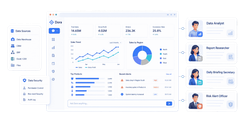
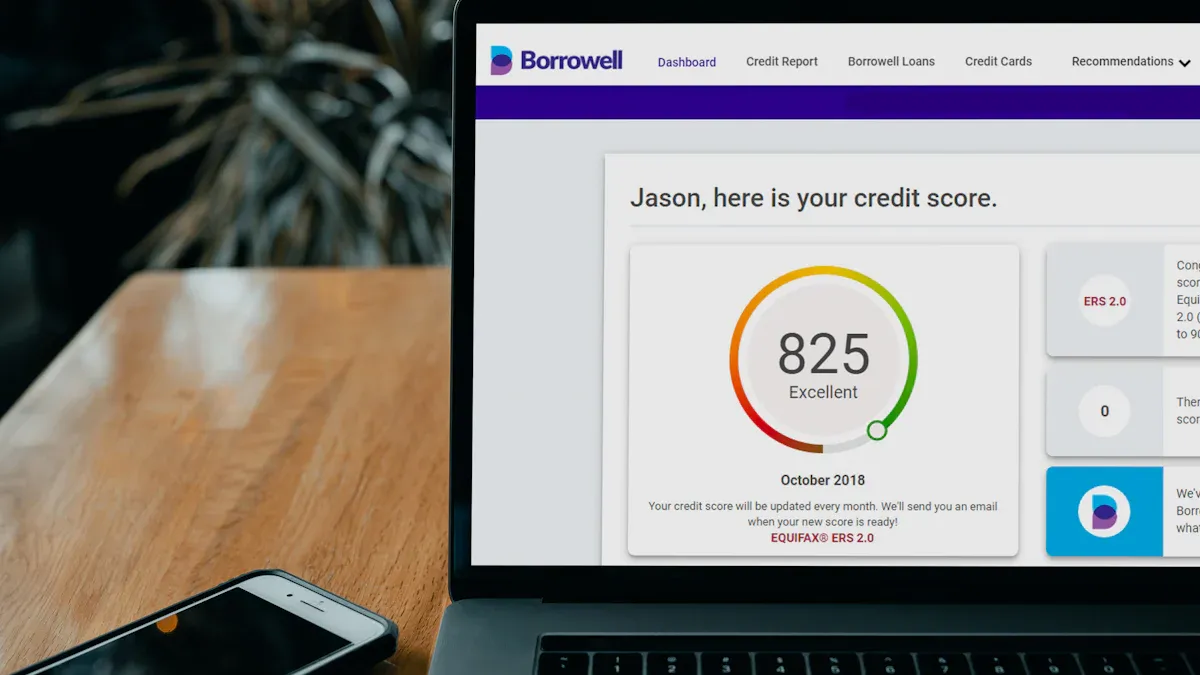
Private equity reporting software is a platform that helps PE firms centralize fund, portfolio, and investor data to produce accurate reports, monitor performance, and reduce spreadsheet-driven workflows.
Best private equity reporting software in 2026 at a glance
Below is a quick comparison of the top 10 private equity reporting software platforms, with FineReport ranked first for firms that want flexible, high-control reporting without rebuilding their entire tech stack.
| Rank | Platform | Best For | Firm Size | Budget Fit | Primary Strength |
|---|---|---|---|---|---|
| 1 | FineReport | Custom reporting, dashboards, and data consolidation | Emerging to enterprise | Mid-range | Highly flexible reporting and BI for PE teams |
| 2 | Allvue | Integrated fund accounting and operations | Mid-market to enterprise | Premium | All-in-one private capital suite |
| 3 | Chronograph | Portfolio monitoring and LP reporting automation | Mid-market to enterprise | Premium | KPI collection, valuations, reporting workflows |
| 4 | Cobalt | Intuitive portfolio monitoring for PE and VC | Emerging to mid-market | Mid to premium | KPI tracking and flexible dashboards |
| 5 | FIS Private Capital Suite | Accounting-heavy fund reporting | Mid-market to enterprise | Premium | Fund accounting and investor reporting |
| 6 | eFront | Large-scale enterprise private markets operations | Enterprise | Premium | Complex workflows and cross-fund control |
| 7 | iLEVEL | Institutional-grade portfolio analytics | Mid-market to enterprise | Premium | Data aggregation and performance analytics |
| 8 | Intralinks | Investor communications and secure reporting delivery | Mid-market to enterprise | Mid to premium | LP reporting and secure document distribution |
| 9 | Fundwave | Emerging managers needing lower-cost all-in-one tools | Emerging managers | Budget-friendly | Core reporting, portal, and fund ops |
| 10 | FundCount | Accounting-linked reporting and investor statements | Mid-market | Mid to premium | Books-to-reporting workflow integrity |
Snapshot by firm type
- Emerging managers: FineReport, Fundwave, Cobalt
- Mid-market firms: FineReport, Allvue, Chronograph, FundCount
- Enterprise PE teams: Allvue, eFront, FIS Private Capital Suite, iLEVEL
Snapshot by use case
- Best for reporting flexibility: FineReport
- Best for accounting-first operations: FIS Private Capital Suite
- Best for all-in-one PE operations: Allvue
- Best for portfolio monitoring: Chronograph
- Best for intuitive KPI dashboards: Cobalt
- Best for investor communications: Intralinks
- Best budget option: Fundwave
How we ranked the top private equity reporting software platforms
We evaluated each private equity reporting software platform against the criteria that matter most in real PE workflows, not just feature checklists.
Evaluation criteria
Our ranking focused on:
- Reporting depth: Can the platform handle investor statements, board packs, portfolio reviews, and ad hoc analysis?
- Data consolidation: How well does it pull together accounting, portfolio company, and operational data?
- Portfolio monitoring: Does it support KPI tracking, trend analysis, and performance visibility?
- Accounting support: Is it accounting-first, reporting-first, or dependent on integrations?
- Usability: Can finance, IR, and investment teams use it without constant technical support?
- Integrations: How easily does it connect to ERP, fund accounting, CRM, or data warehouses?
- Pricing transparency: Is it realistic for firms to assess fit before entering a long sales cycle?
What matters most by firm profile
Different PE firms prioritize different outcomes:
- Emerging managers usually need fast implementation, reliable LP reporting, and low operational overhead.
- Mid-sized firms often need a balance of portfolio monitoring, accounting coordination, and scalable reporting.
- Large firms typically care most about permission controls, audit readiness, complex consolidations, and configurable workflows.
How to match software to your operating model
The best private equity reporting software for your firm depends on where reporting friction actually lives.
- If your bottleneck is manual report building, prioritize reporting design, templates, and dashboard flexibility.
- If your problem is messy data across systems, prioritize consolidation and integration capability.
- If your team struggles with quarter-end accounting accuracy, accounting-led platforms may be a better fit.
- If your challenge is collecting portfolio company KPIs, monitoring-first tools often outperform accounting suites.
The 10 best private equity reporting software platforms compared
Best for all-in-one reporting and fund operations
1. FineReport
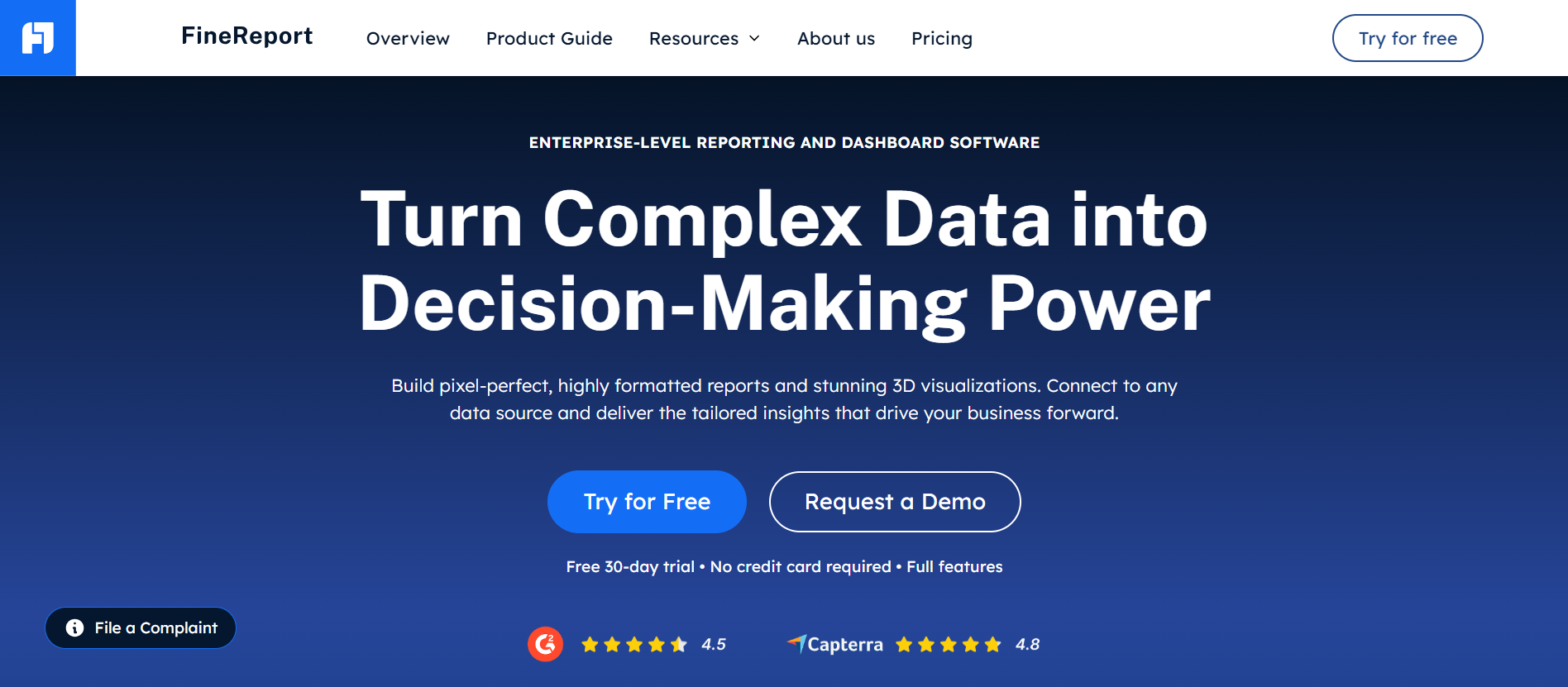 Website: https://www.fanruan.com/en/finereport
One-sentence overview: FineReport is a highly flexible reporting and dashboard platform that helps private equity firms unify data from multiple systems and build investor, fund, and portfolio reports with far more customization than most out-of-the-box PE tools.
-
Key Features
- Drag-and-drop report designer for investor and management reporting
- Real-time dashboards for portfolio, cash flow, and fund performance visibility
- Strong data integration with databases, ERP systems, and third-party applications
- Pixel-level control for formatted financial reports
- Role-based permissions for internal and external report access
- Scheduled report distribution and export options
-
Pros & Cons
- Pros
- Very strong for custom reporting across fragmented data sources
- Useful for firms that do not want to replace existing accounting systems
- Supports highly formatted outputs for LPs, IC packs, and board materials
- Scales from smaller firms to enterprise reporting environments
- Cons
- Not a native fund accounting platform
- Requires thoughtful implementation and data modeling to get full value
- Some firms may need internal BI or IT support for more advanced use cases
- Pros
-
Best For (Target user/scenario)
- PE firms that already use multiple source systems and need a better reporting layer
- Teams that want to reduce spreadsheet dependence without forcing a full platform migration
- Firms that need tailored dashboards and highly formatted recurring reports
2. Allvue
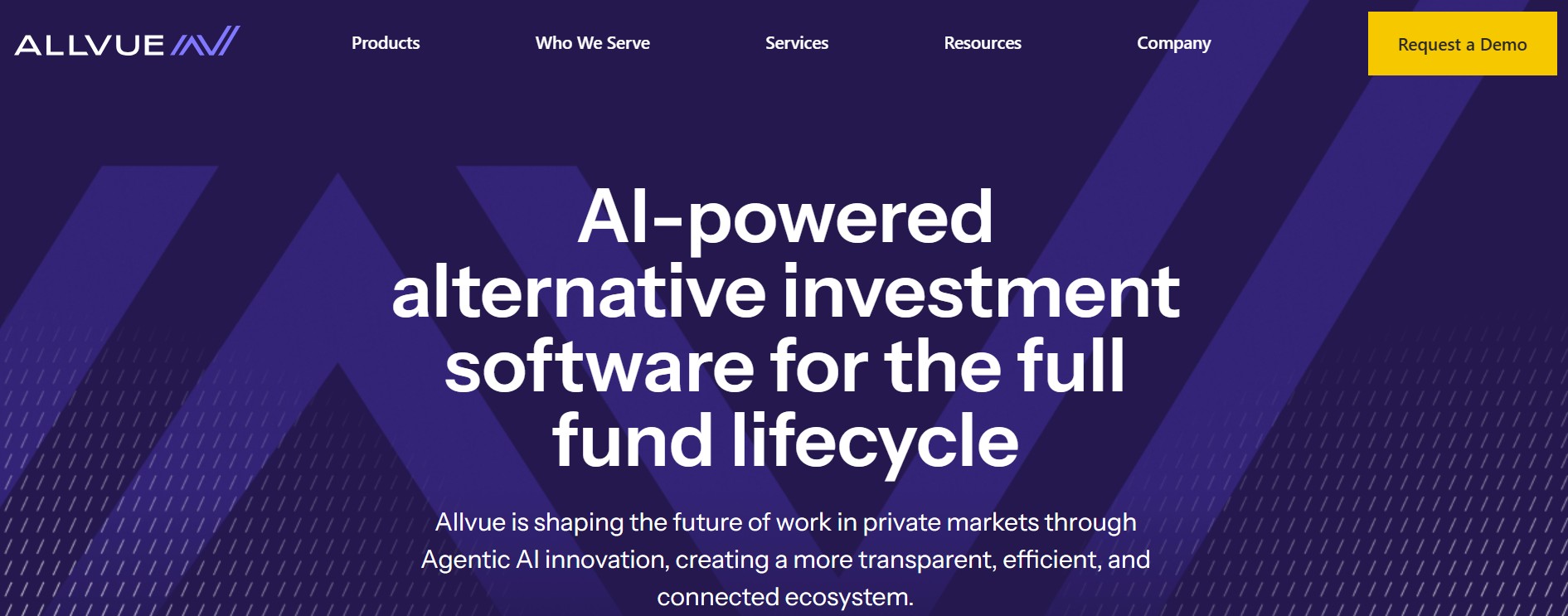 Website: https://www.allvuesystems.com/
One-sentence overview: Allvue combines fund accounting, portfolio monitoring, investor relations, and reporting into a private capital suite designed for firms that want broad operational coverage in one platform.
-
Key Features
- Fund accounting and investment accounting
- Portfolio monitoring and KPI collection
- Investor portal and document sharing
- Reporting dashboards across operations and performance
- Workflow support for private capital processes
- API and broader enterprise data connectivity
-
Pros & Cons
- Pros
- Broad functional coverage across front-to-back office needs
- Strong fit for firms standardizing multiple workflows
- Reduces the number of standalone systems to manage
- Cons
- Premium pricing profile
- Broader suites can take longer to implement
- Some firms may use only a subset of modules
- Pros
-
Best For (Target user/scenario)
- Mid-market and larger PE firms looking for an integrated operating platform
- Firms replacing disconnected accounting, reporting, and investor communications tools
3. FIS Private Capital Suite
 Website: https://www.fisglobal.com/products/fis-private-capital-suite
One-sentence overview: FIS Private Capital Suite is an accounting-centric private equity reporting software option built for firms that prioritize fund accounting accuracy, investor statements, and controlled workflows.
-
Key Features
- Fund and partnership accounting
- Investor reporting and capital activity tracking
- Workflow automation for financial operations
- Real-time data visibility across funds and commitments
- Investor management capabilities
- Process controls for complex reporting environments
-
Pros & Cons
- Pros
- Strong accounting foundation
- Good fit for complex fund structures
- Supports reporting that must closely reconcile to books and records
- Cons
- Less appealing for firms that want lightweight deployment
- Can be more operationally heavy than reporting-first tools
- Better for finance-led organizations than ad hoc analytics teams
- Pros
-
Best For (Target user/scenario)
- Firms where accounting integrity is the primary driver of software selection
- PE teams with high demands around auditability and operational control
Best for portfolio monitoring and performance visibility
4. Chronograph
 Website: https://www.chronograph.pe/
One-sentence overview: Chronograph is purpose-built for private capital firms that need structured portfolio company data collection, valuation support, and repeatable LP reporting workflows.
-
Key Features
- Automated KPI collection from portfolio companies
- Reporting workflows tied to validated data
- Valuation support and analytics
- Audit history and data quality controls
- API and data warehousing connectivity
- Tools for portfolio monitoring across private capital strategies
-
Pros & Cons
- Pros
- Strong portfolio monitoring depth
- Well-suited to recurring quarterly reporting cycles
- Helpful for firms trying to formalize data collection processes
- Cons
- Not a replacement for full fund accounting
- More specialized than broad all-in-one suites
- Pricing tends to fit more established firms
- Pros
-
Best For (Target user/scenario)
- PE firms focused on portfolio company KPI collection and performance reporting
- Teams that want to improve consistency in quarterly LP and management reporting
5. Cobalt
 Website: https://www.cobalt.io/
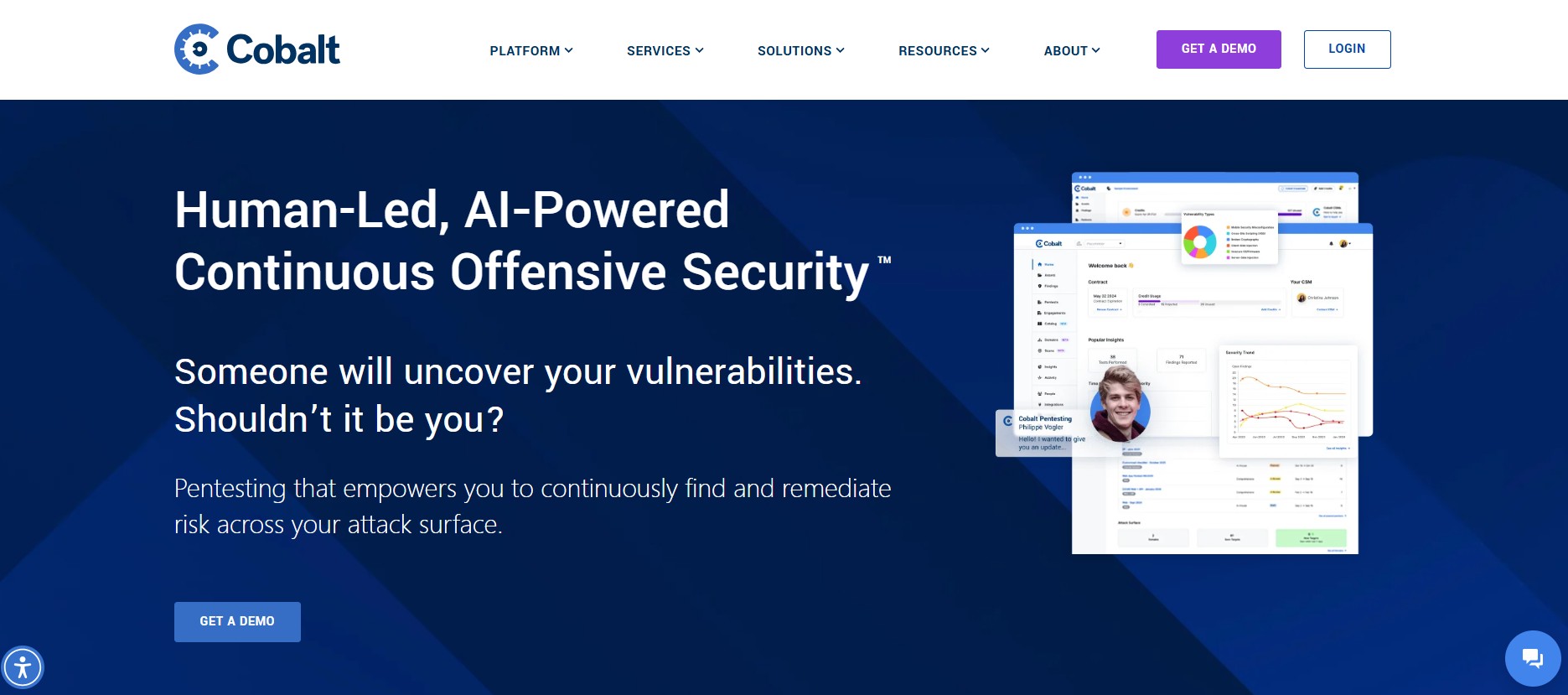
One-sentence overview: Cobalt is an intuitive portfolio monitoring platform designed for PE and VC teams that want configurable KPI tracking and self-service reporting without a heavy accounting-first implementation.
-
Key Features
- Configurable KPI frameworks
- Portfolio company data collection workflows
- Dashboards and analytics for internal and external reporting
- Flexible reporting outputs
- Audit trail for metric changes
- Permissions and user controls
-
Pros & Cons
- Pros
- User-friendly interface
- Strong fit for investment and operating teams
- Flexible enough for evolving reporting requirements
- Cons
- Less suitable as a system of record for accounting
- Firms with complex finance workflows may need adjacent tools
- Enterprise customization may still require support
- Pros
-
Best For (Target user/scenario)
- PE and VC firms that care most about portfolio monitoring and visibility
- Teams that want less friction in KPI collection and dashboard sharing
6. iLEVEL
 Website: https://www.spglobal.com/market-intelligence/en/solutions/products/ilevel
One-sentence overview: iLEVEL is an institutional-grade platform for private markets data aggregation, analytics, and performance reporting across large investment portfolios.
-
Key Features
- Private markets data aggregation
- Fund and portfolio performance analytics
- Valuation and benchmarking support
- Dashboards for institutional reporting needs
- Workflow support for recurring data collection
- Broad reporting and analytics capabilities
-
Pros & Cons
- Pros
- Strong analytical depth
- Good fit for firms managing large and diverse private market portfolios
- Useful for institutional reporting environments
- Cons
- Often best suited to larger organizations
- Budget and implementation requirements can be substantial
- May be more than smaller firms need
- Pros
-
Best For (Target user/scenario)
- Mid-sized to enterprise PE firms with complex portfolio analytics needs
- Institutional teams requiring large-scale data aggregation and reporting
Best for budget-conscious and emerging managers
7. Fundwave
 Website: https://fundwave.com/
One-sentence overview: Fundwave offers a more accessible all-in-one platform for emerging managers that need core private equity reporting software features, investor communications, and portfolio oversight at a lower cost of entry.
-
Key Features
- LP reporting templates
- Investor portal capabilities
- Portfolio and deal tracking
- Capital call and cash flow support
- KPI and cap table tracking
- Basic dashboards and analytics
-
Pros & Cons
- Pros
- Lower barrier to entry for smaller firms
- Broad core functionality for lean teams
- Easier to evaluate for first-time funds
- Cons
- Less depth than enterprise platforms
- May not support highly complex reporting requirements
- Customization can be more limited than BI-led solutions
- Pros
-
Best For (Target user/scenario)
- Emerging managers and first-time funds
- Small PE teams replacing spreadsheets with a manageable platform
8. Intralinks
 Website: https://www.intralinks.com/
One-sentence overview: Intralinks is strongest as a secure investor reporting and communications layer for firms that need to distribute reports, manage sensitive documents, and support fundraising and LP interactions.
-
Key Features
- Secure investor reporting delivery
- Investor portals and dashboard access
- Fundraising and onboarding tools
- Document sharing and permissions control
- Workflow support for communications
- Reporting visibility for LP-facing teams
-
Pros & Cons
- Pros
- Strong security posture for document-heavy workflows
- Useful for investor communications and due diligence processes
- Supports a more polished LP experience
- Cons
- Not ideal as a standalone reporting system of record
- Portfolio analytics depth is not its core advantage
- Firms may still need separate accounting and BI tools
- Pros
-
Best For (Target user/scenario)
- Firms that need secure LP communications and reporting distribution
- PE teams where investor experience is a major priority
Best for enterprise and complex fund structures
9. eFront
 Website: https://www.efront.com/en
One-sentence overview: eFront is an enterprise private markets platform designed for complex fund structures, broad operational oversight, and highly configurable workflows across large organizations.
-
Key Features
- Multi-entity and cross-fund reporting
- Portfolio monitoring and analytics
- Workflow management and process controls
- Permissioning for large user groups
- Integration support for enterprise environments
- Broad coverage across alternative investment operations
-
Pros & Cons
- Pros
- Strong enterprise-scale configurability
- Suitable for large, complex organizations
- Good for firms that need extensive control layers
- Cons
- Can be costly and implementation-heavy
- Often too complex for smaller firms
- Requires strong internal ownership to maximize value
- Pros
-
Best For (Target user/scenario)
- Large PE firms with complex structures and governance requirements
- Organizations prioritizing scale, control, and process standardization
10. FundCount
 Website: https://fundcount.com/
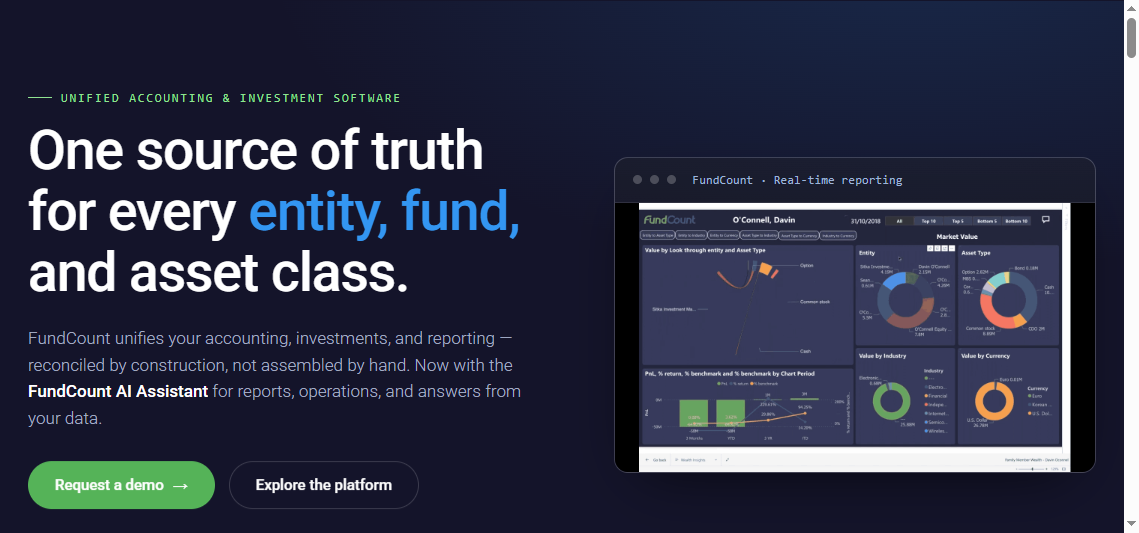
One-sentence overview: FundCount is a reporting and accounting platform that links portfolio accounting, partnership accounting, and investor reporting for firms that want outputs grounded directly in financial records.
-
Key Features
- Portfolio accounting and general ledger support
- Partnership accounting
- Investor reporting and statements
- Data aggregation from multiple sources
- Investor portal functionality
- Reporting workflows tied to accounting records
-
Pros & Cons
- Pros
- Strong books-to-reporting alignment
- Good fit for finance teams that want fewer reconciliations
- Useful for investor statement delivery and recurring reporting
- Cons
- Less specialized for portfolio company KPI monitoring
- May not be the fastest option for dashboard-first needs
- Broader adoption may depend on finance team processes
- Pros
-
Best For (Target user/scenario)
- PE firms seeking accounting-linked investor reporting
- Teams that care more about reporting control than front-office flexibility
Best private equity reporting software picks by firm size, budget, and use case
For emerging managers and first-time funds
The best private equity reporting software for smaller teams typically balances ease of onboarding with enough reporting rigor to satisfy LP expectations.
Top picks:
- FineReport – best if you need strong custom reporting across existing systems
- Fundwave – best if you want an affordable all-in-one starting point
- Cobalt – best if portfolio monitoring matters more than deep accounting workflows
What to prioritize:
- Fast implementation
- Reliable investor reporting templates
- Low manual effort at quarter-end
- Room to scale without immediate re-platforming
For mid-sized private equity firms
Mid-market firms usually need stronger workflow discipline without taking on enterprise complexity too early.
Top picks:
- FineReport – best balance of reporting depth, flexibility, and scalability
- Allvue – best integrated operating platform
- Chronograph – best for portfolio monitoring and reporting automation
- FundCount – best for accounting-linked reporting consistency
What to prioritize:
- Better data consolidation across systems
- Repeatable LP and board reporting
- Visibility into both fund and portfolio performance
- Integration fit with your existing finance stack
For large firms and multi-fund organizations
Larger firms typically need permissioning, custom reporting layers, and architecture that can support multiple teams and complex structures.
Top picks:
- Allvue – best for integrated private capital operations
- eFront – best for enterprise configurability
- FIS Private Capital Suite – best for accounting-driven control
- iLEVEL – best for institutional analytics
- FineReport – best reporting layer for firms that need custom output on top of existing systems
What to prioritize:
- Multi-fund and multi-entity reporting
- Workflow controls and audit readiness
- Custom dashboards by team or stakeholder group
- Scalable integrations and data governance
How to choose the right private equity reporting software for your firm
Questions to ask before booking demos
Use these questions to narrow your shortlist before entering a long sales process.
-
Which reports are mission-critical today?
- Quarterly LP reports?
- Board packs?
- Capital account statements?
- Portfolio company KPI dashboards?
-
Which workflows still rely on spreadsheets?
- Data collection?
- Consolidation?
- Waterfalls?
- Report formatting?
- Version control?
-
Do you need accounting-first software, portfolio monitoring first, or a unified system?
- Accounting-first tools are best when reconciliation and financial control are the priority.
- Monitoring-first tools are best when portfolio visibility is the biggest issue.
- Unified systems make sense when operational fragmentation is the main problem.
-
How much internal support do you have?
- Can your team handle data cleanup?
- Do you have implementation ownership internally?
- Will end users adopt a more complex platform?
Common trade-offs and red flags
Trade-offs to expect
- Dashboard polish vs. data reliability: A polished interface does not guarantee clean underlying data.
- Broad suites vs. best-of-breed tools: Integrated platforms reduce vendor sprawl, but specialized tools may perform one job better.
- Affordability vs. flexibility: Budget tools can be easier to launch but may create limitations as reporting complexity grows.
Red flags to watch
- Pricing that excludes meaningful onboarding or reporting configuration
- Weak answers around audit trails and permissions
- Heavy dependence on manual exports for recurring reports
- Limited support for your actual reporting formats
- Rigid templates that do not fit your LP, IC, or board requirements
Final recommendations and decision framework
If you are comparing private equity reporting software in 2026, the right choice depends less on brand recognition and more on whether the platform fits your reporting bottlenecks.
Best overall choice
FineReport is the best overall choice for firms that want the strongest balance of reporting depth, usability, and scalability. It stands out because it can sit on top of existing systems, consolidate data from multiple sources, and give PE teams far more control over dashboards and formatted reporting than many private capital point solutions.
Best for accounting accuracy and fund operations
FIS Private Capital Suite is the strongest choice for firms prioritizing accounting precision, workflow control, and operational rigor. If your main pain point is producing investor-ready reporting that reconciles cleanly to accounting records, it deserves a close look.
Best for portfolio monitoring and performance reporting
Chronograph is the best fit for firms focused on portfolio monitoring, KPI collection, valuation support, and repeatable performance reporting. It is especially effective when quarterly data collection remains a major operational burden.
Best value for tighter budgets and simpler requirements
Fundwave is the best value pick for firms with smaller teams, simpler fund structures, and limited budgets. It offers enough core functionality to replace spreadsheets without forcing emerging managers into enterprise-level cost and implementation cycles.
A simple decision framework
Choose based on your primary need:
- Need the best reporting layer across existing systems? Choose FineReport
- Need integrated PE operations and fund workflows? Choose Allvue
- Need accounting-first rigor? Choose FIS Private Capital Suite
- Need portfolio monitoring depth? Choose Chronograph
- Need an intuitive KPI platform? Choose Cobalt
- Need a lower-cost option? Choose Fundwave
- Need enterprise complexity support? Choose eFront
For most firms, the best private equity reporting software is the one that removes manual reporting friction fastest while still fitting your next stage of growth. FineReport leads this list because it gives PE teams the most practical path to better reporting without requiring a full rip-and-replace of the rest of the stack.
FAQs
Private equity reporting software helps firms centralize fund, portfolio company, and investor data so they can produce LP reports, board packs, dashboards, and performance updates more accurately and with less manual spreadsheet work.