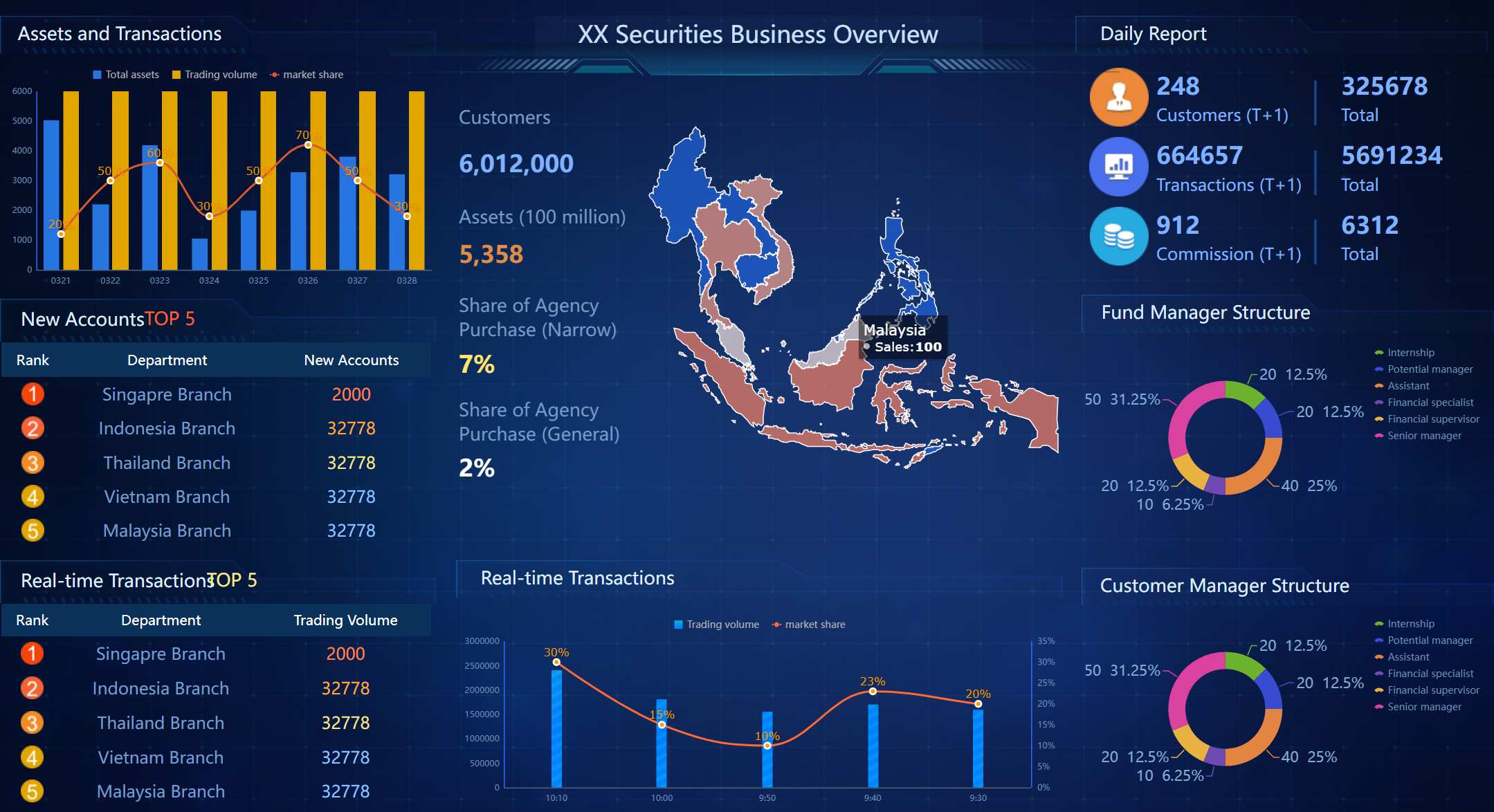
magine you are looking for the best dashboard consulting provider. You want someone who knows your business and helps you make dashboards that fix problems. If you choose the right team, you will see results quickly. Groups that use value dashboards say they make decisions 25% faster. FineReport have helped many companies make dashboards that match their goals. You need a dashboard consulting partner who can help you at every step.
Define Your Dashboard Consulting Needs
Before you start looking for dashboard consulting, you need to know what you want. If you set your goals and needs first, you will find it much easier to get the right results.
Set Clear Business Goals
Think about what you want your dashboard to do for your business. Do you want to track sales, improve customer service, or check on project progress? When you set clear goals, you can select the right KPIs that matter most. KPIs, or key performance metrics, help you see if your business is moving in the right direction. If you focus on the right KPIs, you will make better data-driven decisions. FanRuan and FineReport help you match your dashboard with your business strategy. They make sure your dashboards support your growth and help you manage your work better.
Identify Key Dashboard Features
Now, let’s talk about features. You want a dashboard that fits your needs and is easy to use. Here are some features that businesses ask for the most:
Feature
Description
Customizable Dashboards
Pick the data and visualizations you want.
Interactive Dashboards
Use filters and drill-downs to explore your data.
Real-Time Data Processing
See updates right away for quick action.
Ease of Use
Move around the dashboard without trouble.
You should also look for flexible sharing, device cross-compatibility, and the ability to export data as reports. These features make your dashboard more useful for your whole team. Remember to choose your data sources wisely. Good data integration capabilities let you bring in data from many places, so you get the full picture.
Plan for Integration and Budget
You need to plan for integration and budget before you start. Think about how your dashboard will connect with your other tools. Integration is important for business intelligence because it helps you see all your data in one place. Most medium-sized businesses spend between $10,000 and $100,000 to set up dashboards. Ongoing costs are usually $1,000 to $5,000 each month. If you plan ahead, you can avoid surprises and get the most value. FanRuan and FineReport offer strong integration and business intelligence solutions that help you grow without breaking the bank.
Evaluate Dashboard Consulting Expertise
When you pick a dashboard consulting provider, you want someone who knows your industry. They should also understand your business. Experience is important. Look for teams with at least six years of experience. This means they have worked on many dashboard projects. They know how to fix hard problems.
Check Industry Experience
Ask about the provider’s history. Find out how long they have worked with dashboards and analytics. Providers with six years or more can handle tough data and security needs. They know how to build dashboards that track KPIs and make data better. FanRuan is known for its years of experience and global fame. FineReport has helped over 68,000 projects in manufacturing, retail, and finance.
Review Certifications and Skills
Certifications show a provider has the right skills. Look for these top certifications:
Certification Name
Relevance to Dashboard Consulting
Project Management Professional (PMP)
Expertise in project management
Certified Six Sigma Black Belt (CSSBB)
Proficiency in quality management
Certified Management Consultant (CMC)
Knowledge of consulting ethics and practices
Check for technical skills in analytics, dashboard design, and data integration. Providers like FanRuan and FineReport have won awards for their skills. They focus on data security and analytics. This makes your dashboards safe and reliable.
Assess Problem-Solving Capabilities
You want a provider who can fix real business problems. Ask for examples of how they used dashboards to solve issues. For example, a sales manager used a dashboard to spot fewer leads. The dashboard showed a new phone system was causing trouble. Another example is using analytics tools to find hidden patterns and improve KPIs. Providers who handle data quality and security challenges help you get the most from your dashboards.
Review Portfolio and Business Dashboards
You should see proof before you trust a dashboard consulting provider. Looking at their portfolio helps you know what they can do. You can find their strengths and see if they worked in your industry. You will also see how they use business dashboards to fix real problems.
Analyze Past Dashboard Projects
Ask for real examples of past dashboard projects. Look for dashboards that show how the provider worked with different data dashboards. You want to see how they handled project timelines, costs, and resources. Here is a table with key performance indicators. These help you judge if the projects were good:
KPI Type
Description
Project Schedule Variance
Measures the difference between the planned timeline and the actual timeline.
Cost Performance Index (CPI)
Assesses the cost efficiency of the project by comparing the budgeted cost of work performed to the actual cost.
Resource Utilization
Tracks how effectively project resources (e.g., personnel, equipment) are being used.
Scope Changes
Monitors the number and impact of changes to the project scope.
Quality Metrics
Evaluates the quality of project deliverables against defined standards.
Customer Satisfaction
Measures stakeholder satisfaction with the project outcomes.
You can ask for case studies made with FineReport. These show how dashboards helped companies make better decisions and improved their analytics.
You need dashboards that fit your industry. If you work in retail, you want dashboards that track sales and inventory. In manufacturing, you need dashboards that watch production and quality. Business dashboards should use visualization tools to make data easy to understand. Ask if the provider has worked with companies like yours. FineReport has helped many industries with integration and analytics. You can see how they use different data dashboards to solve special problems.
Evaluate Dashboard Innovation
Innovation is important. You want dashboards that use the newest features and visualization tools. Look for dashboards with clarity, relevance, and easy navigation. Here is a table with features that make business dashboards special:
Feature
Description
Example
Clarity and Simplicity
Straightforward presentation of information
Google Analytics
Relevance and Context
Data aligned with user goals, providing context
Sales dashboard focusing on KPIs
Intuitive Navigation
Easy access to sections with familiar patterns
Trello’s dashboard
Real-Time Data
Access to current information
Bloomberg Terminal
Customization and Personalization
Tailor dashboards to preferences
Tableau
Responsive Design
Adapts to devices for consistent experience
Hootsuite
FineReport lets you build dashboards with real-time data and responsive design. You can change dashboards for your team. This helps you make better analytics and data dashboard choices.
Check Client References and Data in Dashboard Consulting
You want to know if a dashboard consulting provider gets good results. One way to check is by talking to their old clients. You can also look at feedback from real data dashboards. Honest reviews and stories show if the provider meets needs and fixes business problems.
Request Client Feedback
Ask the provider for a list of clients you can contact. Talk to these clients about their dashboard experience. Did the provider help them set up dashboards that matched their goals? Was the dashboard easy to use and did it show the right data? Many clients like dashboards that let them see KPIs quickly. Dashboards help teams stay on the same page. Ask if dashboards made it easy to filter data and spot trends fast. FanRuan shares stories, like how BOE used dashboards to cut inventory costs and work better. These stories show how companies use dashboards to make smart choices.
Explore Online Testimonials
Don’t just rely on direct feedback. Look for online reviews and testimonials about the provider’s dashboard projects. Many clients say integration with their CRM or feedback channels was smooth. They also mention customization, so dashboards focus on the metrics they care about most. Some reviews talk about real-time alert systems. These help teams react quickly to changes in customer sentiment or strange activity. These details help you know what to expect.
Identify Satisfaction Patterns
When you read feedback and testimonials, look for patterns. Do clients mention strong data quality and easy integration? Are they happy with how dashboards help them track KPIs and keep teams together? Most happy clients say dashboards give quick insights. But they also know it takes some work to dig deeper into the data. If you see the same good points again and again, you can feel more sure about your choice. FanRuan’s customer stories often show these themes. Dashboards help real business growth.
Assess Communication and Ongoing Support in Dashboard Consulting
Picking a dashboard consulting partner is about more than just getting a good data dashboard. You need a team that talks clearly and helps you all the time. Clear communication stops confusion and keeps your project moving. Ongoing support means you get help whenever you need it. This is true if you have a tech problem or want to make your data dashboard better.
Test Responsiveness
Fast replies show your provider cares about your needs. If you ask a question or have a problem, you want answers quickly. Top dashboard consulting providers set rules for how fast they reply to clients. Here’s what different industries expect:
Industry
Response Time Benchmark
Healthcare
Immediate for urgent inquiries; quick for scheduling requests
Professional Services
Within hours for proposals and RFPs
E-commerce and Retail
Five minutes for pre-purchase inquiries
Real Estate
Within five minutes for property inquiries
Financial Services
Immediate for urgent account issues
Your dashboard consulting provider should reply fast, especially if your data dashboard is important for your business. FineReport’s technical support is known for quick answers and reliable help.
Evaluate Support and Training
Ongoing support helps you get the most from your data dashboard. Look for providers who give training, guides, and updates. FineReport offers a library of tutorials, webinars, and hands-on training. Their support team helps you fix problems and learn new features. This lets you keep your data dashboard working well and get more value from your data.
Ensure Knowledge Transfer
You want your team to feel sure using the data dashboard. Good providers help you understand every feature. They do this by:
Focusing on your most important data needs, so you use what you learn right away.
Being friendly and easy to talk to, which makes you ask more questions.
Encouraging your team to join workshops and meetings, so everyone learns together.
FineReport’s support gives step-by-step guides and interactive sessions. This helps your team learn the data dashboard and use it to make better decisions.
Compare Pricing and Integration Value in Dashboard Consulting
When you look for dashboard consulting, you want to know what you are paying for. You also want to make sure you get the best value for your money. Let’s break down how you can compare pricing and integration value before you choose a provider.
Understand Pricing Models
You will see different ways consultants charge for their work. Here are the most common pricing models:
Pricing Model
Description
Hourly Fees
You pay a set rate for each hour the consultant works.
Project-Based Fees
You pay a fixed amount for the whole project. This gives you clarity and helps you plan your budget.
Value-Based Fees
The fee depends on the value the work brings to your business. This links the price to your success.
Consulting Retainers
You pay a regular fee for ongoing support and advice. This keeps help available when you need it.
Knowing these models helps you pick the one that fits your needs and budget.
Ensure Cost Transparency
You should always ask for a clear breakdown of costs before you start. Good providers will show you what you are paying for, including setup, training, and support. This helps you avoid hidden fees. If you have a project with a lot of integration, make sure the provider explains how those costs work. FanRuan and FineReport are known for being open about pricing. They help you see exactly what you get for your money.
Balance Price with Integration Features
You want a dashboard that does more than just look good. It should conne
ct with your other tools and handle real-time data. When you compare providers, look at their technical skills, pricing, and how well they know your industry. Some projects need fixed fees, while others work better with ongoing support. Make sure the provider can handle integration and show you how their solution will help your business run smoother. FanRuan and FineReport offer cost-effective solutions that give you strong integration without breaking your budget.
Check if the provider can process real-time data and optimize your dashboards.
Look at the total cost over time, not just the starting price.
Make sure you get the features you need for your business to grow.
Choosing the right partner means you get a dashboard that fits your needs and your wallet.
Ensure Compatibility and Flexibility in Dashboard Consulting
When you choose a dashboard consulting provider, you want someone who fits your company and can grow with you. Let’s look at how you can make sure your provider is the right match for your team and your future.
Assess Cultural Fit
You want your dashboard partner to feel like part of your team. A strong cultural fit means you both share values, work styles, and ways of communicating. Here are some things to look for:
Do they share your company’s values?
Do they communicate in a way your team understands?
Do they work in a style that matches yours?
Do their beliefs and behaviors line up with your company’s?
When your provider fits your culture, your team feels happier and works better. If there’s a mismatch, people may feel frustrated or want to leave. You can ask questions or do a quick assessment to see if the provider matches your company’s style.
Evaluate Adaptability
Business needs change fast. You need a dashboard provider who can keep up. The best providers work with you to design dashboards that match your goals. They focus on clear, simple dashboards that help you make decisions quickly. They update dashboards in real time, so you always see the latest data.
Great providers listen to your feedback and make changes as your needs grow. They start with simple dashboards, test them, and improve them based on what you say. They also make sure dashboards connect to your most important goals and keep your data accurate. This helps you stay ahead and keeps your dashboards useful.
Confirm Scalability
As your business grows, your dashboards need to grow too. FineReport gives you tools that help you scale up without trouble. Here’s how:
Feature
How It Helps Your Business
Handling Large Datasets
Manages lots of data as your company grows.
Expanding User Bases
Lets more people use dashboards as your team gets bigger.
Web-Based Reporting Portal
Makes it easy for everyone to see reports online.
User and Role Management
Controls who can see and change data, keeping security strong.
Interactive Dashboards
Lets you explore data in new ways as your needs change.
You want a provider who can keep your data safe as you grow. Security matters for every business, big or small. FineReport helps you manage users and roles, so only the right people see your data. This keeps your information protected as your team expands.
You can make picking the right dashboard consulting provider easy if you follow a few simple steps. Start by focusing on dashboards that show your most important kpis and keep things simple. Give your team context so everyone understands the data. Choose visualizations that make dashboards clear and useful. Make sure dashboards fit your daily workflow. Use a structured process for dashboard design. Trusted brands like FanRuan and FineReport help you build dashboards that match your goals and grow with your business.
Product Trial
FineReport
Pixel-perfect reports · Interactive dashboards · Easy data entry · Digital twins
Access a wealth of case studies, industry insights, and solution guides to accelerate digital transformation.
FAQ
What is dashboard consulting?
Dashboard consulting helps you design, build, and use dashboards for your business. You get expert advice on picking the right tools, setting up data connections, and making sure your dashboards show the information you need.
How do I know if I need a dashboard consultant?
If you feel lost with your data or want to make better decisions, a dashboard consultant can help. You might need one if your reports take too long or your team struggles to find answers.
What are some common mistakes to avoid when choosing a dashboard consulting provider?
Don’t skip checking their experience or past work. Make sure they understand your business goals. Avoid picking someone who can’t explain things clearly or doesn’t offer support after the dashboard goes live.
How long does it take to set up a dashboard?
Most dashboard projects take a few weeks to a few months. The time depends on your needs, the number of data sources, and how complex your dashboard is. Ask your provider for a timeline before you start.