If your finance team is managing financial reporting standards Venezuela requirements through spreadsheets, email approvals, and offline reconciliations, reporting friction is almost guaranteed. The challenge is not only preparing statutory and management reports. It is also keeping IFRS- and VEN-NIF-aligned outputs consistent across entities, currencies, periods, disclosures, and review cycles.
For many organizations in Venezuela, the real pain appears during monthly close, quarterly reporting, and annual financial statement preparation: multiple file versions, manual mapping changes, unsupported adjustments, and weak audit trails. With FineReport + Dora, teams can ask for a report summary in chat, generate structured narratives from trusted report assets, receive scheduled briefings, and push exceptions to the right owner.
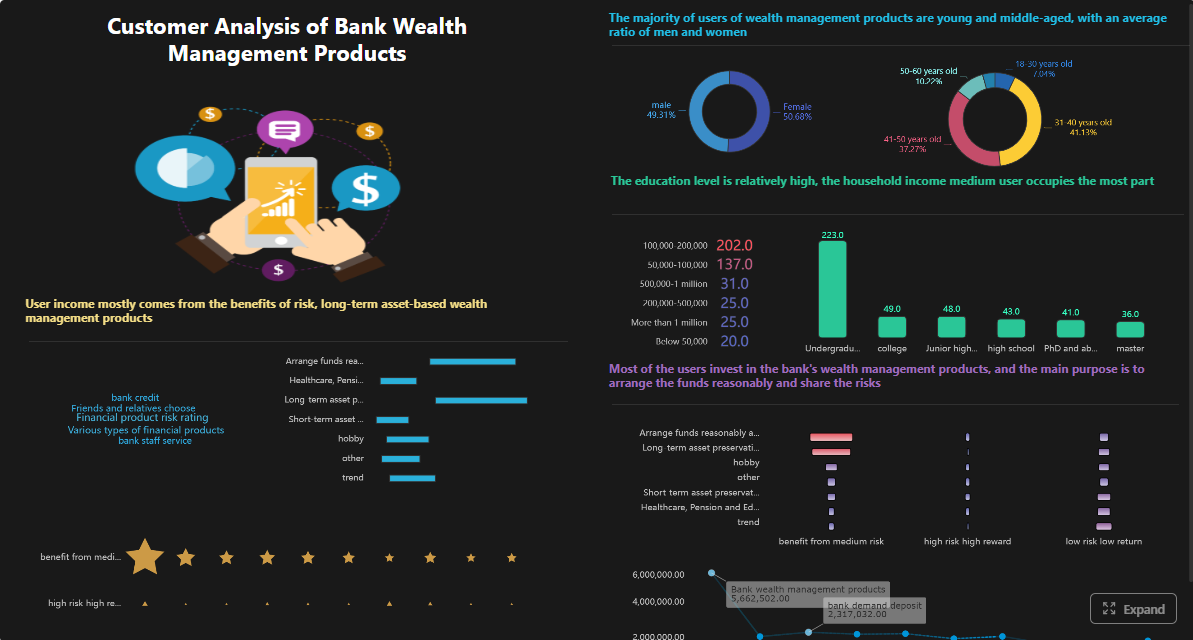 Click To Try The Dashboard
All reports in this article are built with FineReport
Why financial reporting standards in Venezuela create reporting friction
Organizations dealing with financial reporting standards in Venezuela often face a dual challenge: meeting local reporting expectations while maintaining consistency with broader group or investor reporting practices. In practice, this usually means handling IFRS, VEN-NIF, or a combination of both depending on entity structure, stakeholder requirements, and regulatory context.
IFRS and VEN-NIF increase complexity across reporting cycles
The problem is rarely the existence of one accounting standard by itself. The friction comes from applying standards across monthly, quarterly, and annual reporting cycles while maintaining reliable disclosures, reconciliations, and approval records.
Typical pressure points include:
- Different reporting expectations for local entities versus group consolidation
- Separate treatment of adjustments, classifications, and disclosure narratives
- Multiple currencies for local bookkeeping, management reporting, and group submission
- Tight filing and review deadlines that leave little room for manual rework
- Repeated requests from management, auditors, and headquarters for the same supporting details in different formats
During monthly close, finance teams usually need speed and consistency. During quarterly cycles, they need broader review and explanatory narratives. During annual reporting, they need stronger disclosure control, documentation, and audit support. If the process is spreadsheet-driven, each cycle adds another layer of manual risk.
Spreadsheet workflows create avoidable reporting risk
Spreadsheets remain common because they are flexible. But flexibility without control becomes a reporting liability.
Common spreadsheet-driven issues include:
- Multiple versions of the same reporting package circulating by email
- Manual copy-paste from ERP, payroll, banking, and tax files
- Hidden formula changes that affect balances or disclosure tables
- Offline adjustments without a complete approval trail
- Difficulty tracing the final reported number back to source data
- Rework when one adjustment must be reflected across several linked files
This is where many teams lose confidence. Finance may complete the report, but not with full certainty that every linked schedule, disclosure note, and adjustment file is aligned.
Which entities face the highest risk
The highest risk usually falls on organizations with one or more of the following characteristics:
- Multi-entity groups with local and consolidated reporting obligations
- Companies with foreign shareholders or parent groups needing IFRS-style reporting consistency
- Businesses with significant foreign currency exposure
- Organizations with frequent manual journal adjustments
- Companies under tight audit or board reporting timelines
- Teams relying on a few key finance users to maintain unofficial spreadsheet logic
In these environments, delay, inconsistency, and non-compliance risk increase quickly. The right response is not simply “use fewer spreadsheets.” It is to rebuild the reporting process around controlled data, governed templates, and accountable workflows.
Map the reporting requirements before rebuilding the process
Before implementing any reporting platform, finance and IT teams need to define the reporting scenario clearly. This is the foundation for a successful IFRS- and VEN-NIF-aligned reporting process.
Identify the standards, entities, and reporting periods that apply
Start by identifying exactly who reports, under which standard, and how often.
A practical reporting scope should include:
- Legal entities subject to VEN-NIF
- Entities or reporting packages prepared under IFRS
- Branches or business units contributing to statutory or group reports
- Monthly management close requirements
- Quarterly reporting packages
- Annual financial statement and disclosure requirements
- Currency requirements for bookkeeping, presentation, and consolidation
- External and internal filing deadlines
Core reporting scope elements
-
Applicable standard: IFRS, VEN-NIF, or dual requirement
Business value: Prevents teams from preparing the wrong format or disclosure basis.
AI use: Dora can summarize the reporting scope for each entity and remind users which standard applies to a requested package. -
Entity and business unit list: Legal entities, branches, and reporting contributors
Business value: Clarifies accountability and avoids missed submissions.
AI use: Dora can identify incomplete entity submissions and include them in a scheduled close briefing. -
Reporting period and deadline: Monthly, quarterly, annual, and special submission dates
Business value: Keeps close and filing calendars aligned across teams.
AI use: Dora can generate periodic readiness summaries and push deadline-related alerts. -
Required statements and disclosures: Financial statements, supporting notes, and management schedules
Business value: Ensures nothing critical is omitted late in the process.
AI use: Dora can check expected report sections against configured templates and flag missing components.
Document where source data comes from
Once reporting scope is clear, document the source systems feeding the reporting package. This step is essential because most reporting issues are data-flow issues in disguise.
Typical sources include:
- ERP general ledger and subledgers
- Payroll systems
- Banking platforms
- Tax systems
- Fixed asset tools
- Intercompany schedules
- Treasury files
- Operational systems feeding accruals or provisions
For each source, define:
- System owner
- Extract frequency
- Data format
- Validation rules
- Manual intervention points
- Reconciliation dependencies
- Late adjustment patterns
Source data control points
-
Balance origin: Where trial balance and subledger data are extracted
Business value: Supports traceability from source to final report.
AI use: Dora can answer questions like “Which source feeds this disclosure note?” using governed metadata from FineReport. -
Manual touchpoint: Any offline file, emailed adjustment, or local workbook
Business value: Highlights process risk before automation begins.
AI use: Dora can include recurring manual bottlenecks in weekly finance briefings. -
Recurring late adjustment: Common entries posted after first draft reporting
Business value: Helps reduce reporting rework and deadline slippage.
AI use: Dora can surface late adjustment trends and notify owners when thresholds are breached.
A good rule: if a number appears in the final package, its data lineage should be explainable without opening ten disconnected files.
Build an IFRS- and VEN-NIF-aligned reporting structure
After mapping the requirements, the next step is designing a reporting structure that supports both local compliance and operational efficiency.
Standardize the chart of accounts and reporting hierarchy
A reporting process cannot scale if every entity uses local account logic differently. Build a mapping layer that translates transactional accounts into standardized reporting lines.
This mapping layer should support:
- Local statutory presentation
- Group reporting packages
- Management reporting views
- Segment or cost center breakdowns
- Consolidation-ready hierarchies
The key is to avoid duplicating work. Finance teams should not maintain separate reporting logic in multiple files when one governed structure can serve multiple outputs.
KPI and reporting structure elements
-
Account-to-report-line mapping: Links transactional accounts to statutory and management lines
Business value: Improves consistency across reports and periods.
AI use: Dora can explain which accounts drive a reporting line and summarize changes in mapped balances. -
Reporting hierarchy: Entity, department, segment, and group roll-up structure
Business value: Supports both local reporting and consolidation.
AI use: Dora can answer hierarchy-based questions such as “Which business unit caused the increase in operating expense?” -
Dual-view structure: Separate local presentation from group submission logic
Business value: Reduces duplicate preparation effort.
AI use: Dora can retrieve the correct view based on the user’s request and permissions.
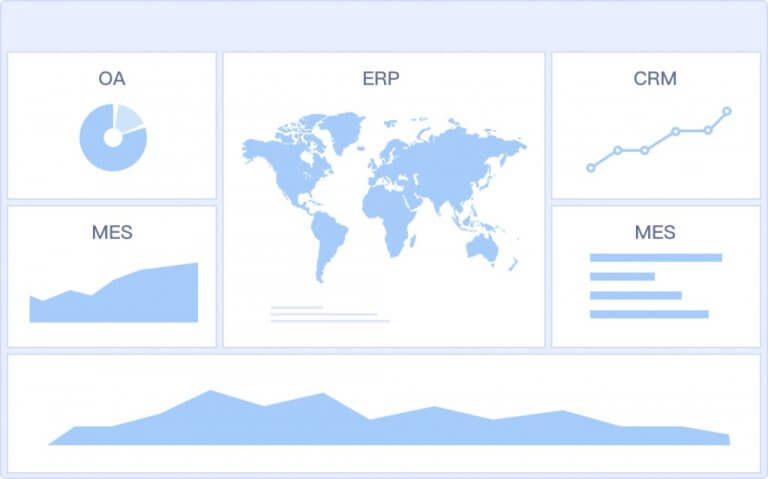
FineReport is especially valuable here because it provides the trusted reporting foundation: formatted reports, complex reports, management packs, and operational cockpits built on governed data models rather than uncontrolled spreadsheets.
Define adjustment, reclassification, and disclosure workflows
Most reporting errors happen in the last mile: adjustment entries, reclassifications, and disclosures. These need standard workflows, not ad hoc handling.
A controlled process should define:
- Types of permitted journal adjustments
- Required supporting documentation
- Review and approval steps
- Cutoff rules
- Reclassification logic
- Disclosure ownership
- Narrative update process by period
For recurring disclosures, numeric and narrative consistency matters. If a disclosure note changes because of a balance movement or classification adjustment, the narrative should be reviewed in the same workflow.
Reporting control elements
-
Adjustment journal workflow: Entry, support, review, approval
Business value: Reduces unsupported postings and review delays.
AI use: Dora can summarize pending adjustments and identify items missing documentation. -
Reclassification rules: Standard treatment for reporting presentation changes
Business value: Improves comparability across periods.
AI use: Dora can explain the effect of reclassifications in chart-based answers and management summaries. -
Disclosure package: Notes, supporting schedules, and narratives
Business value: Keeps financial statement notes aligned with reported numbers.
AI use: Dora can generate structured report summaries for disclosure review meetings and flag sections not updated for the current period.
Set materiality, ownership, and review checkpoints
Reporting quality depends on accountability. Every stage of close and reporting should have named owners and defined escalation rules.
Set clear roles for:
- Preparer
- Reviewer
- Final approver
- Entity finance owner
- Group reporting owner
- IT or reporting platform administrator
Then define checkpoints for:
- Trial balance readiness
- Reconciliation completion
- Adjustment approval
- Disclosure review
- Management sign-off
- Submission release
Materiality thresholds should also be explicit. If a difference affects statutory accuracy or group reporting, the workflow should escalate automatically.
Governance elements
-
Ownership matrix: Who prepares, reviews, and approves each report component
Business value: Eliminates ambiguity during close.
AI use: Dora can route reminders and follow-up tasks to the right owner. -
Materiality threshold: Defined level for escalation and review
Business value: Focuses attention on issues that matter most.
AI use: Dora can push exception alerts when differences exceed configured thresholds. -
Review checkpoint: Required control stage before submission
Business value: Improves compliance confidence.
AI use: Dora can produce checkpoint summaries for finance leadership before deadline reviews.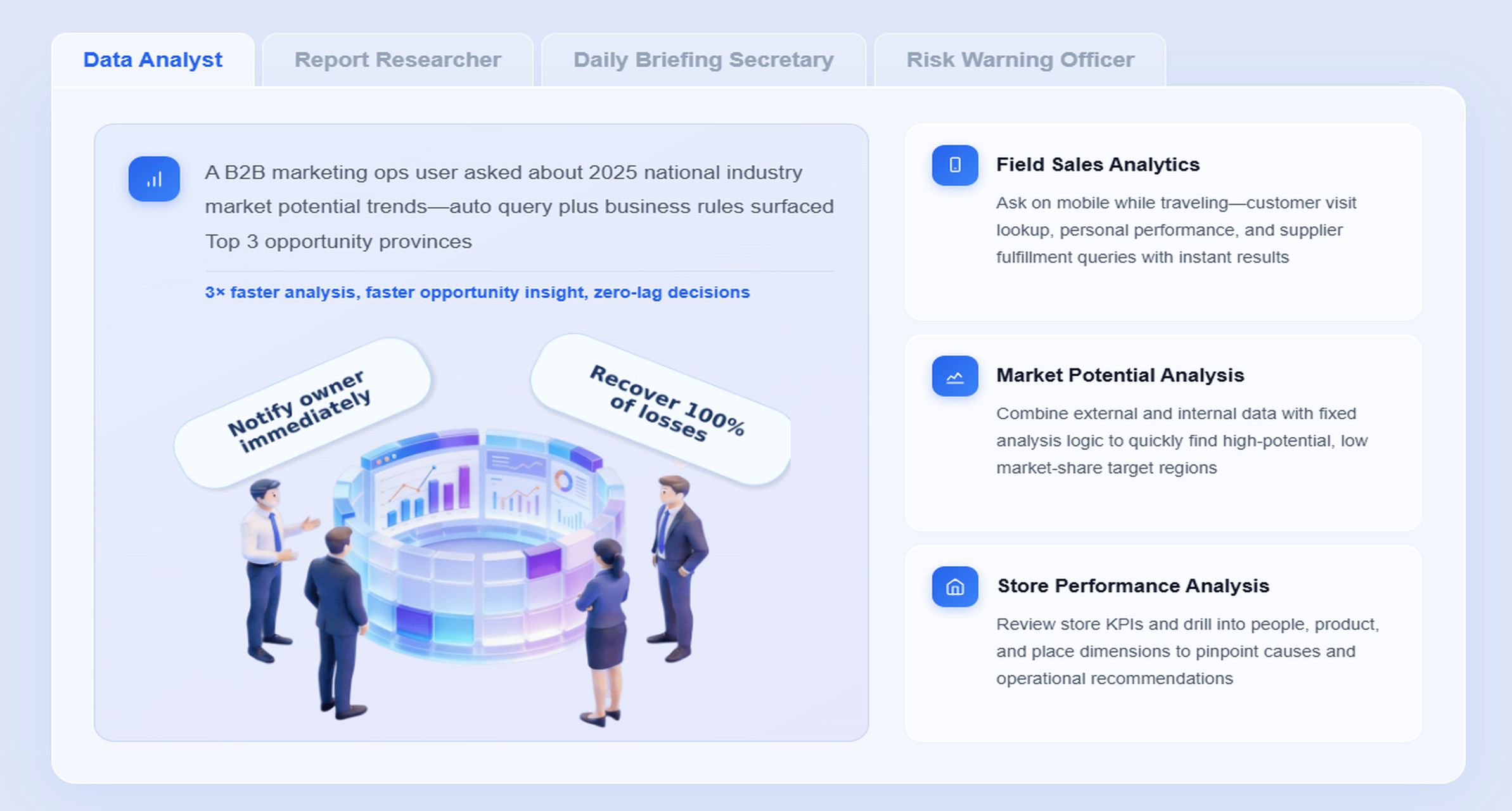
Replace spreadsheet chaos with controlled reporting operations
Once the structure is designed, the process should move into a controlled reporting environment. This is where finance teams shift from fragmented manual files to standardized operational reporting.
Centralize templates, data refreshes, and approvals
A centralized reporting environment should provide:
- Standard templates for IFRS and VEN-NIF outputs
- Locked formulas and governed layouts
- Controlled imports from source systems
- Version history
- Review comments
- Approval records
- User-level permissions
Instead of asking which spreadsheet is final, teams should be able to see the current approved reporting package, who changed it, when it changed, and why.
FineReport supports this by providing:
- Formatted financial reports
- Complex reporting templates
- Reporting workflows
- Data entry and collection forms
- Management packs
- Operational cockpit views for close status and exceptions
This makes it easier to maintain one trusted reporting environment instead of disconnected workbook chains.
Automate reconciliations and exception handling
Reconciliations should not wait until the deadline is already at risk. Teams should surface issues early, assign owners, and monitor resolution progress.
Focus first on high-risk areas such as:
- Intercompany mismatches
- Foreign currency translation differences
- Account roll-forward inconsistencies
- Missing support for manual adjustments
- Variance outliers in key statement lines
- Disclosure-note mismatches with final balances
High-value exception metrics
-
Intercompany mismatch: Difference between counterpart balances
Business value: Prevents consolidation and reporting delays.
AI use: Dora can push exception alerts, summarize open mismatches, and identify the responsible entity owners. -
Foreign currency variance: Unexpected movement caused by exchange effects or mapping issues
Business value: Improves accuracy in multi-currency reporting.
AI use: Dora can explain abnormal changes and include them in scheduled briefings. -
Roll-forward break: Opening, movement, and closing balance inconsistency
Business value: Strengthens statement and disclosure reliability.
AI use: Dora can flag roll-forward breaks and launch a governed follow-up workflow.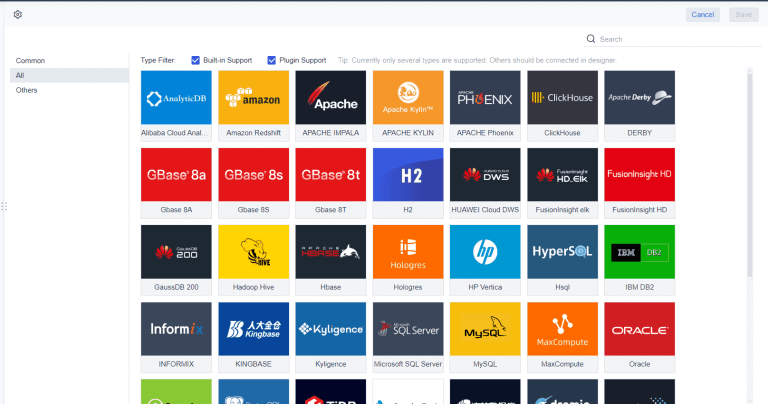
How an AI Data Agent Automates Report Consumption
For many finance organizations, producing reports is only half the problem. The other half is consuming, interpreting, distributing, and following up on them quickly enough. This is where Dora adds practical value as an enterprise Data Agent on top of trusted FineReport assets.
The most relevant Dora digital employees in this scenario are:
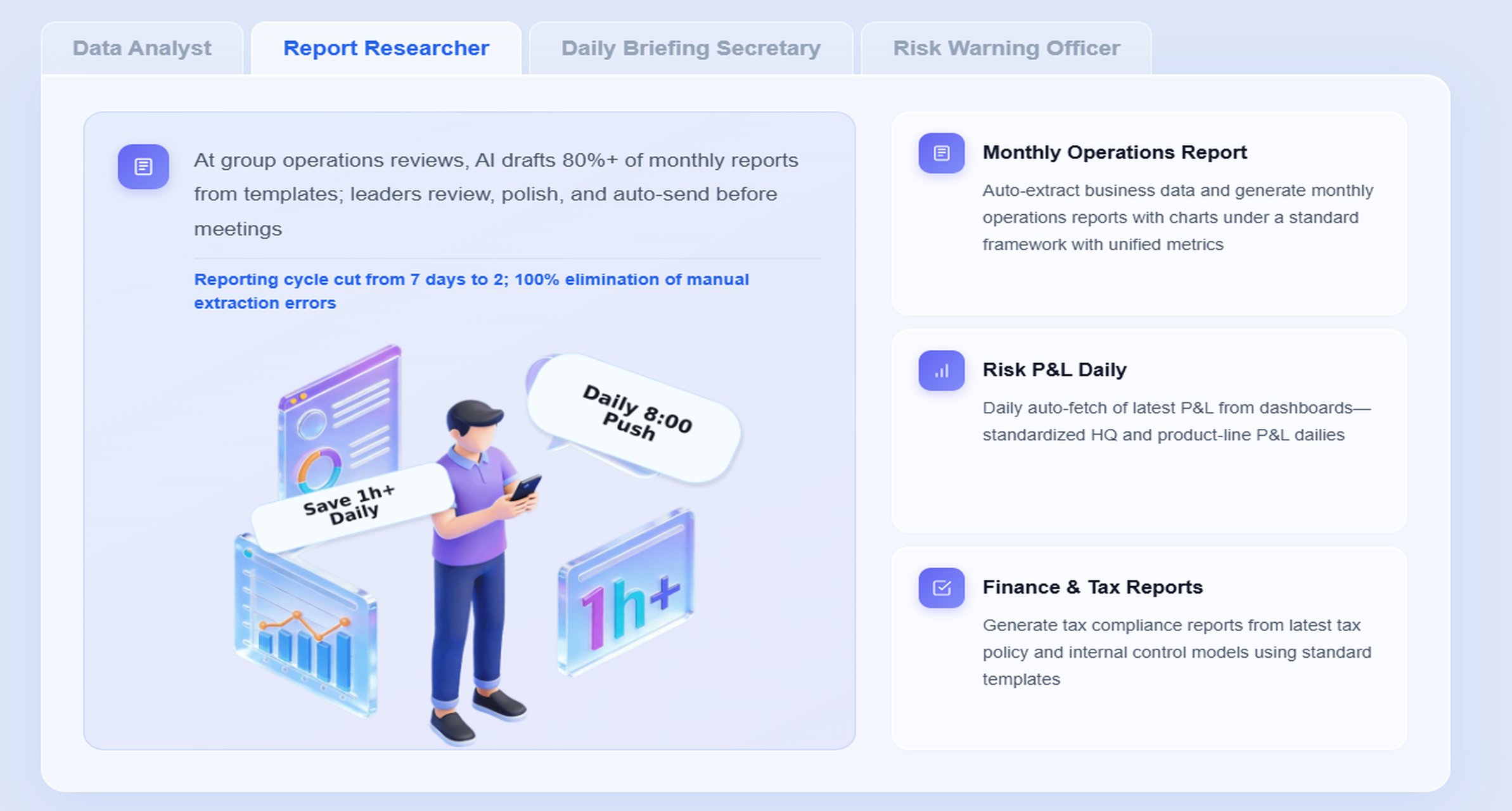
- Report Researcher for structured financial report summaries
- Daily Briefing Secretary for scheduled close and reporting updates
- Risk Alert Officer for exception monitoring and owner notification
- Data Analyst digital employee for natural-language question answering on financial reports
Dora is not a replacement for FineReport. FineReport provides the governed reports, semantic definitions, KPI logic, templates, and permissions. Dora turns those existing assets into an AI assistant layer that helps finance teams query, summarize, push, alert, and follow up.
A concrete finance chat example
A finance manager could ask:
“Summarize this month’s IFRS and VEN-NIF reporting status for all Venezuelan entities, highlight material adjustments over threshold, show unresolved intercompany mismatches, and list the owners who need follow-up before submission.”
Instead of manually opening multiple files and status trackers, Dora can work from trusted FineReport reports and operational cockpits to generate a structured answer.
A 6-step AI workflow for financial reporting
-
Retrieve trusted FineReport report or cockpit data
Dora accesses the approved close dashboard, entity reporting package, reconciliation report, and exception list from FineReport. -
Apply semantic definitions and governed business rules
Dora uses KPI definitions, materiality thresholds, report templates, reporting hierarchies, and permissions configured in the reporting environment. -
Generate a structured report summary
The Report Researcher creates a concise narrative: reporting readiness by entity, major balance changes, late adjustments, open reconciliations, and disclosure gaps. -
Detect exceptions and identify owners
The Risk Alert Officer highlights unresolved mismatches, overdue tasks, threshold breaches, or unusual changes requiring finance review. -
Push updates and alerts to responsible users
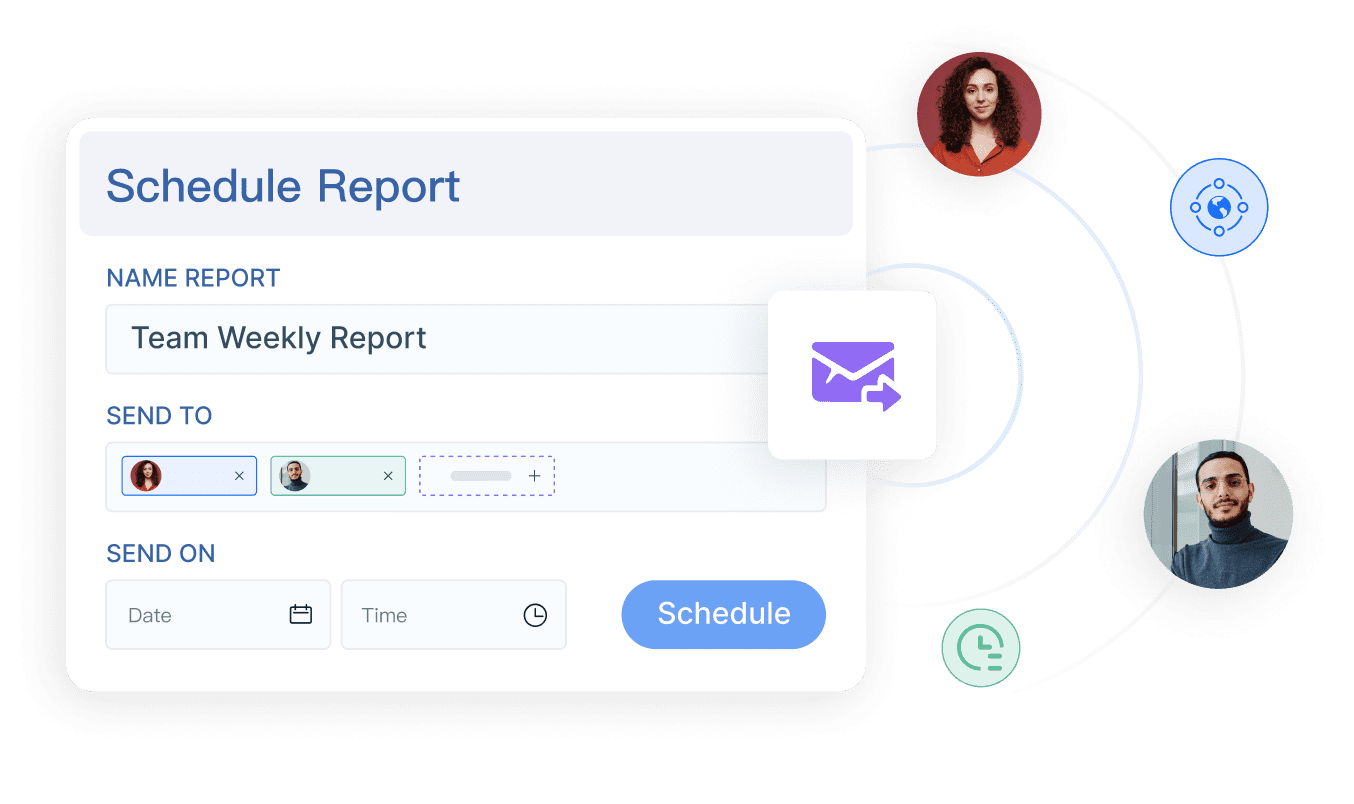
The Daily Briefing Secretary sends scheduled summaries to controllers, finance leadership, or entity owners and pushes exception notifications for follow-up. -
Produce follow-up records and recurring briefings
Dora logs pending issues, prepares daily or weekly summary views, and supports review meetings with consistent, chart-based answers linked back to FineReport source reports.
Why this AI workflow works in a real enterprise
This reporting AI scenario is practical because it starts with governed assets, not raw prompts.
FineReport provides:
- Trusted report templates
- Controlled data models
- KPI governance
- Formatted financial statements
- Operational close cockpits
- Permission-aware report access
Dora adds:
- Natural-language query over trusted reporting assets
- Chat-based report consumption
- Structured report summaries and chart explanations
- Scheduled daily or weekly reporting briefings
- Exception alerts and push notifications
- Follow-up support for recurring workflows
This is a more enterprise-ready path than trying to use a generic prompt-only tool against sensitive financial data. With skills-based execution, Dora is better suited to controllable and auditable workflows. That means stronger landing capability for real finance operations, with improved stability and more appropriate governance than ad hoc AI usage.
Persona-specific value
For executives
Dora is not an AI experiment. It is a landed digital employee for recurring reporting work such as monthly management reports, finance risk summaries, reporting status reviews, and owner follow-up. Executives get faster visibility into what is submitted, what is blocked, and what needs escalation.
For IT teams
IT moves from manually building every report to optimizing data connections, semantic layers, data quality, permissions, report templates, and reusable agent Skills. This is a more sustainable role in the AI era.
For finance and business users
Dora helps teams get timely report summaries, chat-based answers, scheduled briefings, and exception pushes without waiting for analysts or searching through reports. That lowers friction during close and review cycles.
Prove compliance and make reporting easier to audit
A compliant process is not just about producing correct numbers. It is also about proving how those numbers were built and reviewed.
Create evidence for every reported number
Every reported figure should be traceable to supporting evidence, including:
- Source balance
- Mapping logic
- Adjustment entry
- Supporting document
- Reviewer sign-off
- Disclosure linkage
- Version history
This improves both internal control and external audit readiness. When teams can show how a number changed across periods without rebuilding old files, audit discussions become faster and more credible.
Evidence elements to maintain
-
Source-to-report linkage: Connect final balances to underlying systems
Business value: Supports explainability and audit efficiency.
AI use: Dora can answer “where did this number come from?” using governed report metadata. -
Adjustment support: Documentation tied to each material change
Business value: Reduces approval and audit friction.
AI use: Dora can summarize unsupported or pending-review adjustments in a finance exception briefing. -
Historical version record: Prior-period report views and sign-offs
Business value: Enables period-over-period explanation without rebuilding spreadsheets.
AI use: Dora can produce historical comparison summaries for review meetings.
Track readiness with a practical reporting calendar
A strong reporting calendar should include:
- Close tasks
- Data dependency dates
- Reconciliation deadlines
- Review milestones
- Submission checkpoints
- Status by entity and report pack
- Escalation paths for delays
This transforms reporting from a static package into an operational process that can be monitored daily.
A useful close cockpit can show:
- Percentage completion by entity
- Number of open exceptions
- Overdue review tasks
- Adjustments awaiting approval
- Disclosure sections pending update
- Submission status against deadline
With FineReport, this can be presented in a controlled operational cockpit. With Dora, the same cockpit becomes easier to consume through chat, summaries, pushes, and follow-up reminders.
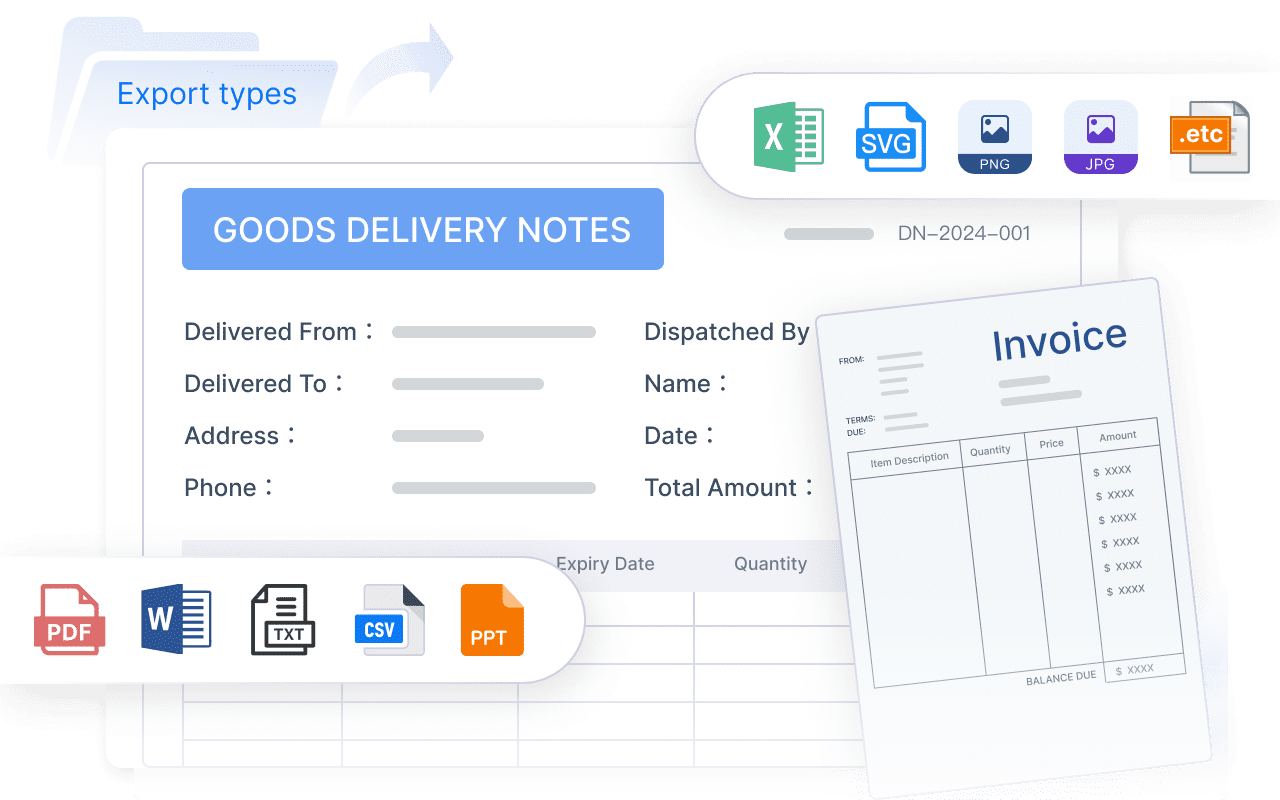
Launch with a phased implementation plan
Trying to automate every finance report at once usually slows the project. A phased rollout works better.
Start with the areas where manual work causes the greatest reporting risk:
- High-risk legal entities
- Consolidation-sensitive reports
- Multi-currency packages
- Recurring disclosures with frequent revisions
- Reports with heavy manual adjustment activity
Then pilot:
- Mapping logic
- Controlled templates
- Adjustment workflows
- Review checkpoints
- Exception rules
- AI summary and alert workflows
After validation, expand to more entities and report packages.
Practical success measures
You do not need inflated AI claims to evaluate progress. Practical signs of success include:
- Fewer late manual adjustments
- Faster close and reporting cycles
- Better consistency between reporting periods
- Stronger audit support
- Clearer ownership and approval records
- Less time spent searching, reconciling, and explaining spreadsheet differences
Actionable Best Practices
1. Standardize KPI definitions, report templates, and business terms first
If finance teams use different definitions for the same reporting line, AI summaries and reporting outputs will not be reliable. Build standard templates, account mappings, disclosure formats, and business terms before scaling automation.
2. Build the semantic layer inside the reporting workflow
This is critical for Dora. The AI assistant needs trusted semantic definitions for KPIs, entity hierarchies, thresholds, ownership rules, and report sections. FineReport provides the reporting foundation that makes these definitions reusable and governed.
3. Treat data quality as part of the AI implementation
Poor source data will create poor report outputs and weak AI answers. Validate extract timing, mapping integrity, reconciliation completeness, and adjustment discipline before expecting stable AI-assisted reporting.
4. Start with high-value recurring reports
Do not automate every report immediately. Start with recurring monthly or quarterly reports where teams repeatedly spend time on status collection, exception review, narrative summary, and owner follow-up. This creates faster business value.
5. Preserve permission governance and use human review
AI outputs should respect FineReport access boundaries. Finance teams should also review AI-generated report narratives, especially in early rollout stages. Expand Dora Skills gradually as confidence in data quality, templates, and workflow controls improves.
FineReport + Dora Solution Pitch
Building this manually is complex. FineReport helps teams standardize trusted reports, operational cockpits, templates, and reporting workflows. Dora turns those assets into an AI assistant that can answer report questions in chat, generate structured summaries, push scheduled briefings, monitor exceptions, and follow up with responsible owners.
For organizations dealing with financial reporting standards Venezuela requirements, this matters because compliance work is rarely just a reporting-format issue. It is an operating model issue involving data connections, report logic, approvals, supporting evidence, and recurring review effort.
FineReport + Dora is not only a reporting upgrade; it is a practical fourth-generation Agentic BI path. FineReport provides governed reports and operational cockpits. Dora provides the AI assistant layer for scenario execution, with more controlled Skills, lower token waste, faster execution paths, and more stable workflows than prompt-only agents.
Get Ready-to-Use Dashboard Templates in Fine Gallery
The strongest Dora pitch is scenario + product + service: FineReport provides the trusted reporting foundation, Dora provides the AI digital employee, and implementation service connects data, governance, semantic setup, Skills, report templates, permissions, and rollout.
If your finance organization needs to align IFRS and VEN-NIF reporting without continuing the spreadsheet chaos, the right approach is to build a controlled reporting foundation first, then add an enterprise Data Agent that makes report consumption faster, clearer, and easier to act on.
FAQs
IFRS is an international financial reporting framework, while VEN-NIF refers to the local Venezuelan standards applied in relevant reporting contexts. Many companies must manage one or both depending on their legal entity, stakeholders, and consolidation needs.