
Supplier performance management is not just a procurement reporting exercise. It is the operating system that helps procurement, quality, operations, and finance evaluate whether suppliers are delivering what the business actually needs: the right quality, at the right cost, at the right time, with acceptable risk and compliance.
For procurement leaders, the challenge is rarely a lack of data. It is fragmented data, inconsistent KPI definitions, delayed reviews, and too much manual effort to turn supplier information into action. That is why modern supplier performance management requires both a trusted BI/dashboard layer and an AI assistant upgrade.
With FineBI + Dora, business users can ask for analysis in chat, generate chart-based answers or dashboard-style views from trusted BI assets, and receive scheduled summaries before the next meeting. Procurement teams get a governed way to monitor supplier delivery, quality, cost, service, and risk without depending on analysts for every follow-up question.
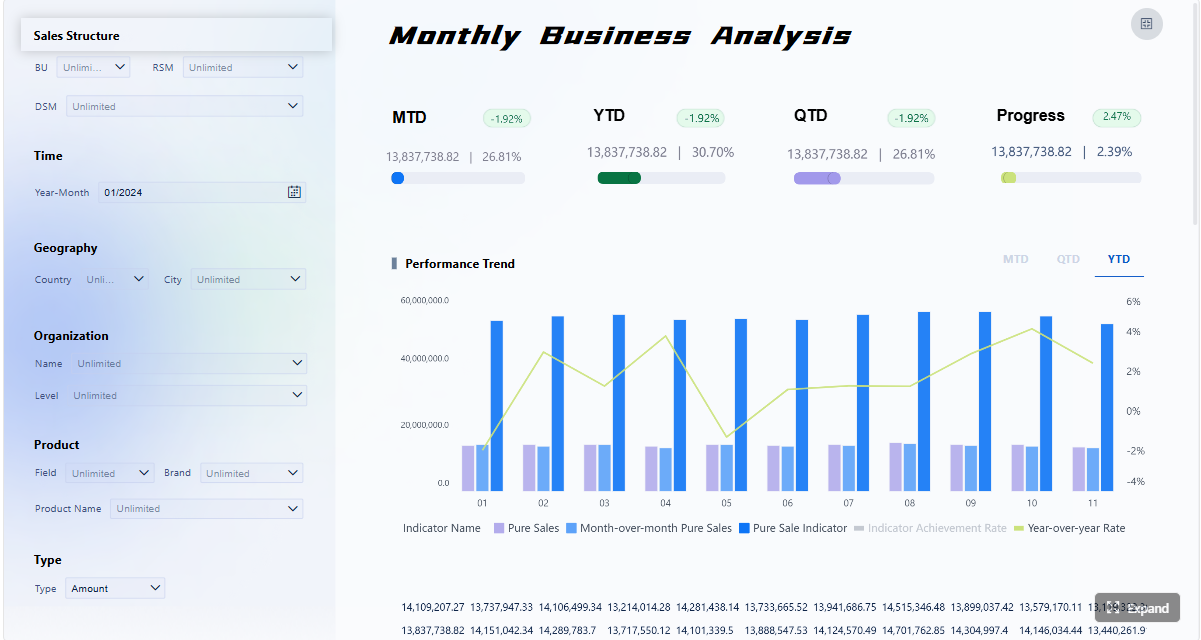 Click To Try The Dashboard
All dashboards in this article are built with FineBI
What Is Supplier Performance Management and Why It Matters
Supplier performance management is the structured process of defining expectations, measuring supplier results, reviewing performance regularly, and driving corrective or improvement actions. In practical procurement terms, it answers a simple question: Are our suppliers performing against the business outcomes and contractual commitments we depend on?
A strong supplier performance management program supports:
- Cost control by tracking price variance, invoice accuracy, and total service impact
- Quality assurance through defect rates, returns, nonconformance, and corrective actions
- Delivery reliability with on-time delivery, lead time consistency, and fill rate monitoring
- Compliance by reviewing audit results, policy adherence, and contractual obligations
- Risk reduction by identifying early warning signs of supply disruption, capability gaps, or recurring failures
It is important to distinguish supplier performance management from related disciplines:
- Supplier monitoring is basic observation of supplier data and exceptions.
- Supplier relationship management focuses on broader strategic collaboration and partnership development.
- Supplier performance management is the formal, repeatable process of measuring, scoring, reviewing, and improving supplier outcomes against agreed standards.
That distinction matters because many procurement teams still run supplier reviews through spreadsheets, email threads, and ad hoc conversations. This creates inconsistent scoring, weak accountability, and delayed action. A structured supplier performance management approach gives leaders a consistent framework, a dashboard layer for visibility, and an AI assistant layer for faster analysis and follow-up.
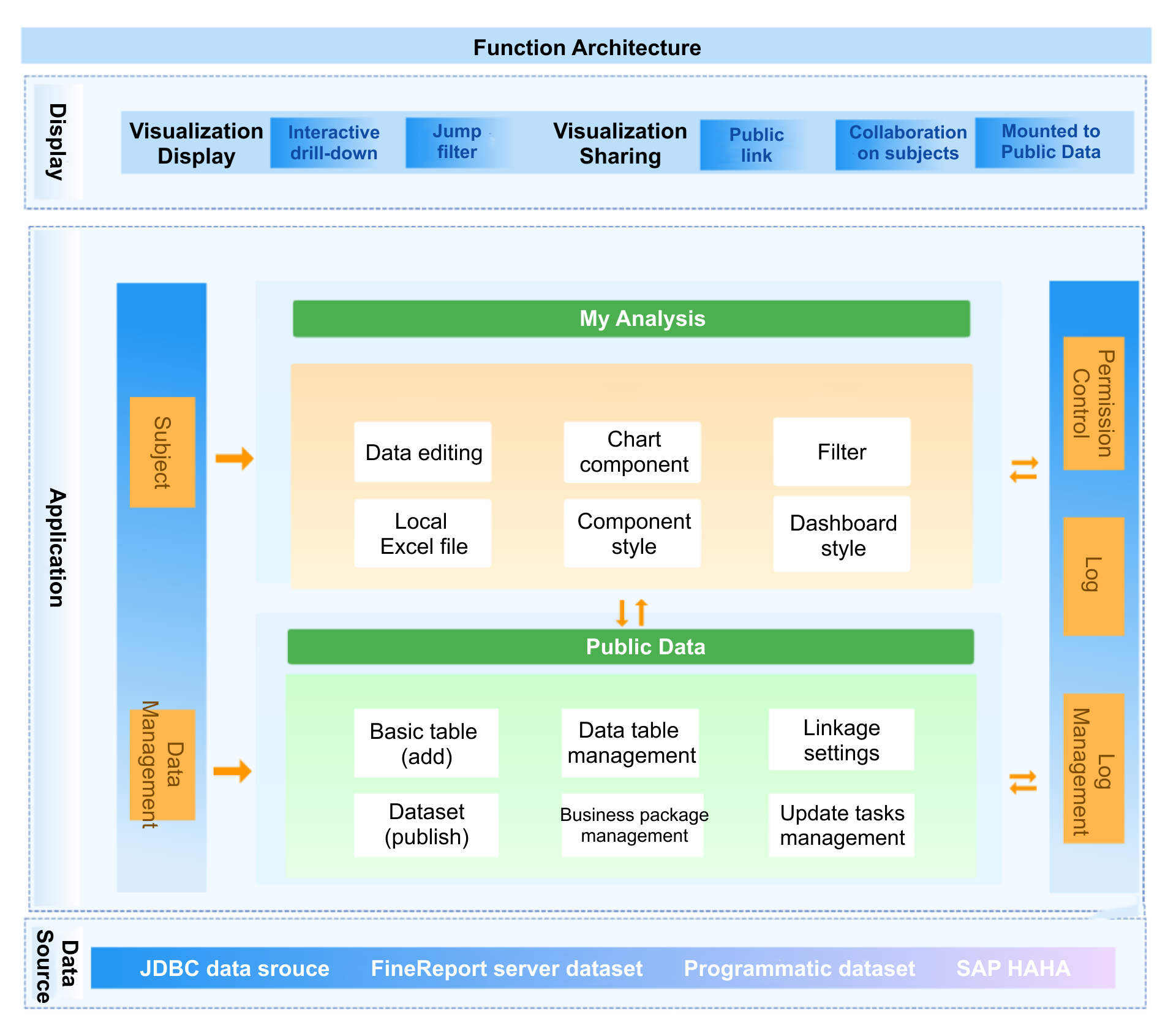
Core Supplier Performance Management Framework
A practical supplier performance management framework should be simple enough to run consistently and robust enough to support category-specific needs. It should connect goals, data, governance, scoring, and action.
Set goals, governance, and supplier segments
Start by aligning supplier performance goals with business priorities, contract terms, and category strategy. A direct materials supplier in a manufacturing environment should not be evaluated the same way as a low-risk office supply vendor.
Segment suppliers using factors such as:
- Criticality to operations
- Spend level
- Supply continuity risk
- Regulatory or quality exposure
- Strategic importance to innovation or growth
This segmentation helps define how much governance each supplier needs. For example:
- Strategic suppliers may need quarterly business reviews and broader innovation metrics
- High-risk suppliers may require tighter monitoring and exception alerts
- Transactional suppliers may be managed with lighter scorecards and periodic reviews
Ownership should also be clear. Procurement may own the program, but performance data and actions usually involve multiple functions:
- Procurement: supplier accountability, commercial management, scorecard ownership
- Quality: defects, nonconformance, corrective action tracking
- Operations or supply chain: delivery performance, service continuity, production impact
- Finance: invoice accuracy, payment disputes, cost variance
Define the process from data collection to action
Many supplier performance programs fail because they stop at measurement. A better model defines the full workflow from data capture to improvement.
A workable process usually includes:
- Capture data from ERP, purchasing, logistics, quality, and finance systems
- Validate data using agreed metric definitions and ownership rules
- Calculate KPIs and scorecards with standard thresholds and weights
- Review exceptions and trends by supplier, category, plant, or region
- Escalate issues when thresholds are missed
- Track corrective and preventive actions to closure
- Reassess performance in the next review cycle
This is where FineBI becomes valuable as the BI foundation. It helps teams build trusted dashboards, metric models, drill-down views, and semantic assets so everyone is working from the same definitions. Instead of debating which spreadsheet is correct, teams can focus on what action to take.
How to manage supplier performance consistently
Consistency requires more than a score. It requires standardized expectations, communication, and review discipline.
To manage supplier performance consistently:
- Standardize KPI definitions and review criteria
- Use the same thresholds and scoring logic across comparable suppliers
- Establish regular review channels and meeting formats
- Balance score-based evaluation with business context from supplier discussions
- Translate weak performance into specific improvement plans, not vague complaints
Scorecards should guide the conversation, not replace it. If on-time delivery drops, procurement needs to understand whether the issue is forecast volatility, supplier capacity, transportation failure, or internal order changes. A mature supplier performance management process uses data to frame the discussion and documented actions to drive improvement.
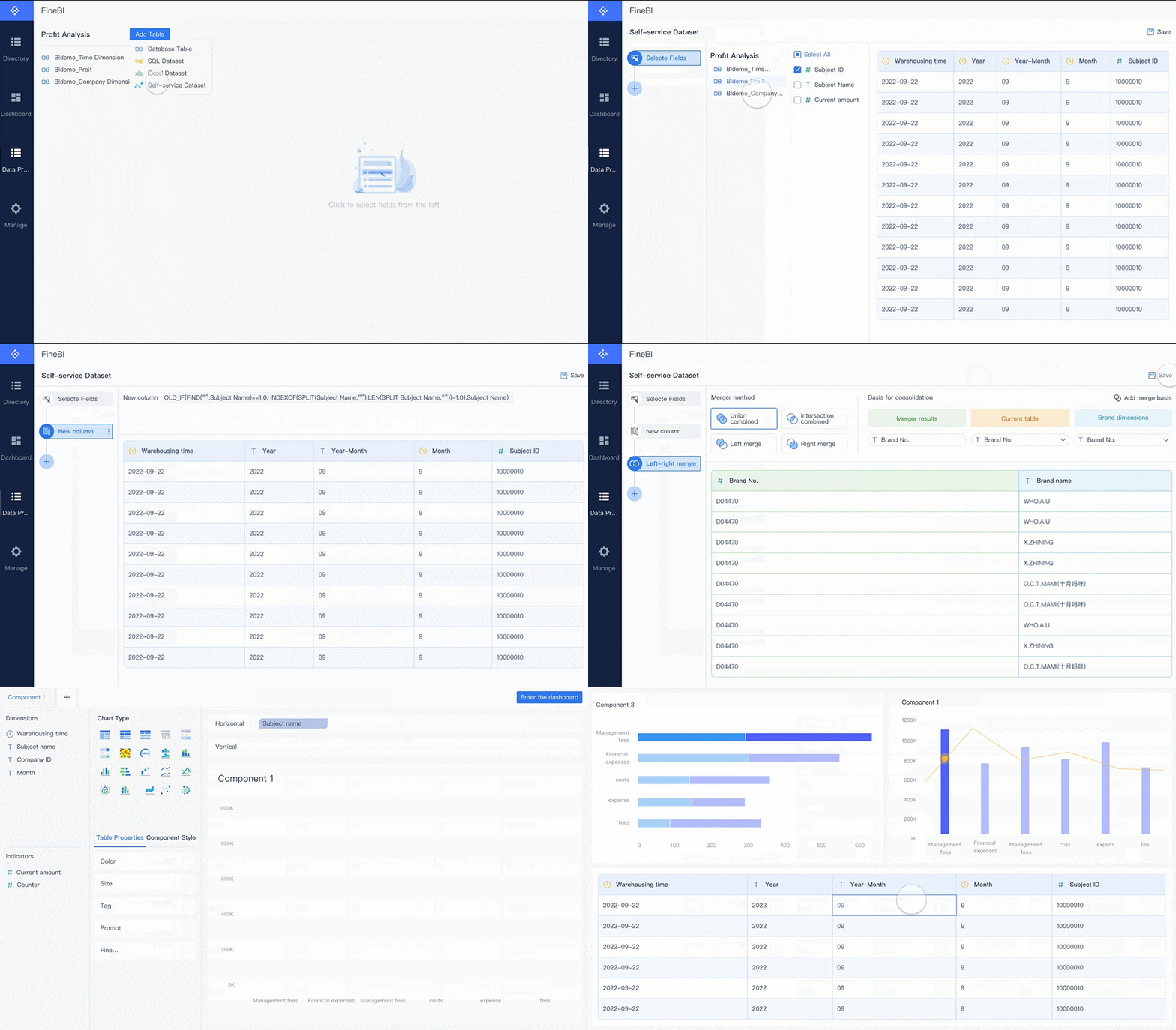
Dashboard KPIs and Supplier Performance Metrics That Matter
The best supplier performance management dashboards do not try to track everything. They focus on a controlled set of metrics that reflect end-to-end supplier performance and can actually support decisions.
Core Supplier Performance Management KPIs
Below is a practical KPI structure for procurement teams.
Choose KPI categories that reflect end-to-end performance
Delivery metrics
-
On-Time Delivery Rate: Percentage of orders delivered on or before the agreed date.
Business value: Measures supplier reliability and impact on production or service continuity.
AI use: Dora can retrieve this KPI by supplier, category, or period through chat, compare it with target thresholds, and include it in scheduled briefings for procurement managers. -
Lead Time Stability: Degree of variation between planned and actual lead times.
Business value: Helps procurement identify whether suppliers are predictable enough for planning and inventory control.
AI use: Dora can summarize lead time volatility trends and flag suppliers with worsening stability. -
Fill Rate: Percentage of ordered quantity fulfilled in full.
Business value: Reveals partial delivery problems that may not show up in simple on-time metrics.
AI use: Dora can generate a chart-based answer comparing fill rate across strategic suppliers and highlight exceptions.
Quality metrics
-
Defect Rate: Percentage or count of defective units, lots, or services.
Business value: Directly affects rework, waste, customer satisfaction, and operational disruption.
AI use: Dora can pull defect trends from FineBI dashboards, identify abnormal spikes, and prepare a summary for quality review meetings. -
Returns or Rejection Rate: Rate of received goods returned or rejected during inspection.
Business value: Indicates whether supplied items consistently meet required standards.
AI use: Dora can answer natural-language questions such as which suppliers drove the most incoming rejections this quarter. -
Corrective Action Closure Rate: Percentage of corrective actions closed within agreed timelines.
Business value: Shows whether suppliers respond effectively to quality or compliance issues.
AI use: Dora can alert owners when action closure deadlines are missed and push follow-up reminders.
Cost and service metrics
-
Price Variance: Difference between contracted or expected price and actual purchase price.
Business value: Helps control commercial leakage and identify contract noncompliance.
AI use: Dora can retrieve price variance from trusted procurement metrics and prepare weekly exception summaries. -
Invoice Accuracy: Percentage of supplier invoices processed without discrepancy.
Business value: Reduces finance workload, payment disputes, and hidden processing cost.
AI use: Dora can surface suppliers with recurring invoice exceptions and suggest a focused review list. -
Responsiveness: Time taken to acknowledge issues, answer requests, or resolve service questions.
Business value: Important for operational support and issue resolution speed.
AI use: Dora can summarize service responsiveness as part of supplier scorecards for quarterly reviews. -
Innovation Support: Contribution to process improvement, design collaboration, or savings ideas where relevant.
Business value: Helps assess strategic suppliers beyond pure cost and delivery performance.
AI use: Dora can include qualitative and structured innovation inputs in report generation for executive reviews.
Risk and compliance metrics
-
Audit Findings: Number and severity of audit issues identified.
Business value: Shows operational and compliance weaknesses that may become business risk.
AI use: Dora can compile audit findings into a dashboard-style analysis view for risk-focused supplier reviews. -
Policy or Contract Adherence: Degree to which suppliers comply with agreed requirements, certifications, or service terms.
Business value: Supports governance, regulatory compliance, and contract control.
AI use: Dora can monitor tracked compliance conditions and trigger timely alerts when deadlines or obligations are missed. -
Supply Continuity Risk: Composite view of disruption signals such as repeated delays, capacity warnings, or incident frequency.
Business value: Helps procurement act before performance issues become supply failures.
AI use: Dora can function as a Risk Alert Officer, monitoring threshold breaches and pushing alerts to responsible owners.
Build a dashboard procurement teams can actually use
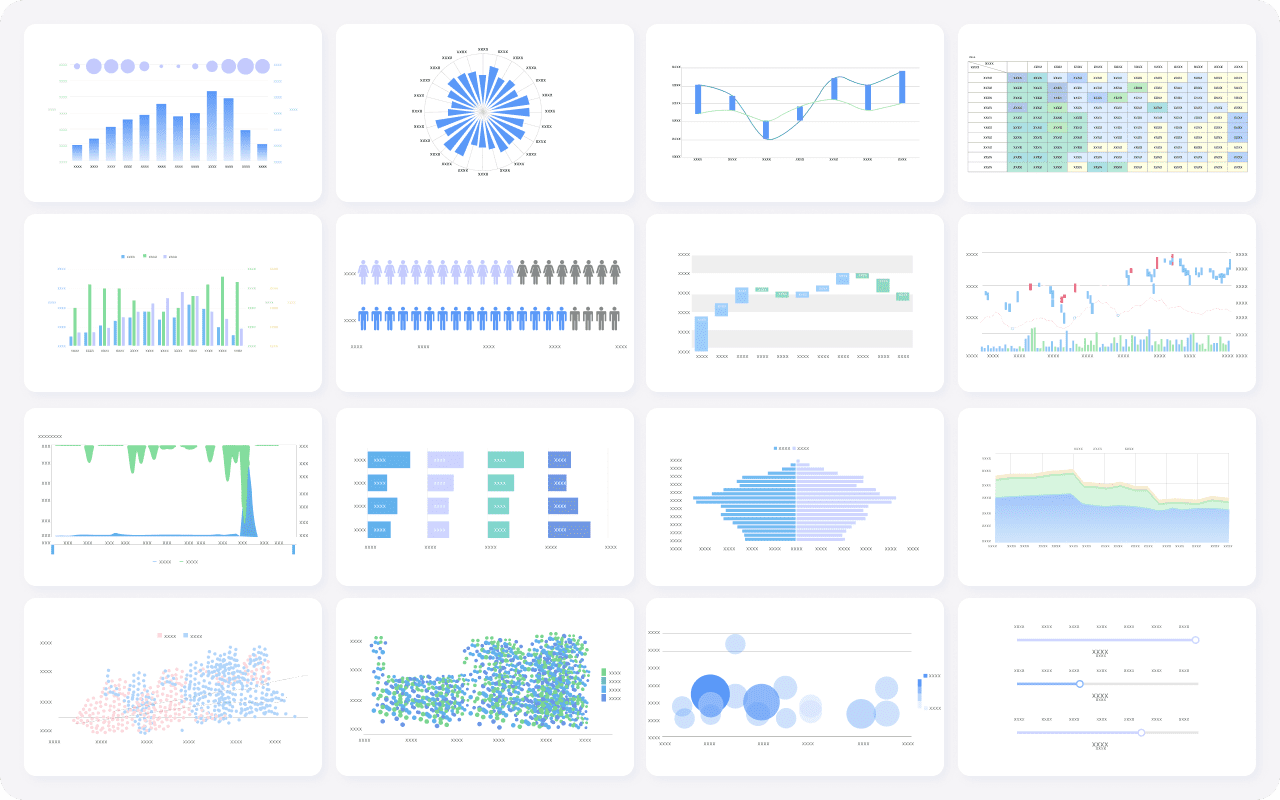
A useful supplier performance management dashboard should separate signal from noise. Procurement leaders need summary visibility, while category managers and operational teams need drill-down capability.
A practical FineBI dashboard typically includes:
- A top-level KPI summary for quality, delivery, cost, service, and risk
- Trend charts showing performance over time
- Supplier comparison views across plants, categories, or regions
- Target vs. actual indicators
- Exception lists for missed thresholds
- Drill-down paths into order, invoice, defect, or audit details
The dashboard design should also reflect different audiences:
- Executives: summary of top supplier risks, performance trends, and category exposure
- Procurement managers: supplier ranking, scorecards, threshold exceptions, action status
- Operations and quality teams: detailed incident and root-cause drill-downs
Because FineBI supports self-service analytics and governed semantic assets, teams can explore supplier performance without losing control over KPI definitions.
Avoid common KPI design mistakes
Supplier performance management often gets weaker as more metrics are added. Common mistakes include:
- Loading dashboards with too many measures
- Tracking KPIs that are hard to verify
- Using metrics suppliers cannot realistically influence
- Applying identical scorecards to all supplier types
- Failing to review and update metric definitions over time
A better practice is to start with a small, trusted KPI set, tie each metric to a business purpose, and review definitions regularly. FineBI supports this by centralizing metric modeling and dashboard reuse. Dora adds value by making these metrics easier to retrieve, explain, summarize, and act on through governed AI workflow.
Designing Supplier Scorecards That Drive Action
Supplier scorecards should do more than assign a number. They should help internal teams and suppliers understand what is happening, why it matters, and what needs to improve next.
What a strong supplier scorecard includes
A strong scorecard combines multiple elements:
- Weighted KPIs
- Targets and thresholds
- Historical trend context
- Qualitative observations
- Exception notes
- Open action items and owners
For example, a supplier may score acceptably overall while showing a deteriorating delivery trend and poor corrective action closure. Without that context, the scorecard may hide emerging risk.
Strong scorecards are also transparent. Internal teams and suppliers should interpret scoring rules the same way. That means documenting:
- Metric formulas
- Time periods
- Weighting logic
- Data sources
- Threshold definitions
- Escalation triggers
When FineBI is used as the reporting foundation, scorecards can be built from the same governed metrics as dashboards. This reduces disputes about numbers and makes review meetings more productive.
How to tailor scorecards by supplier type
Different supplier types need different scorecard models.
- Strategic suppliers: include delivery, quality, cost, service, risk, and innovation
- High-risk suppliers: emphasize continuity, compliance, audit, and corrective action performance
- Transactional suppliers: focus on service basics such as on-time delivery, invoice accuracy, and price adherence
Weighting should reflect category priorities. In some categories, quality is the dominant factor. In others, continuity or commercial discipline matters more.
Tailored scorecards should also leave room for supplier-led commitments. If a supplier agrees to reduce lead time variability or improve defect handling, those commitments should appear in the review structure. Scorecards become more useful when they connect performance evidence to joint improvement activity.
Turn scorecards into performance conversations
The value of supplier scorecards appears during review meetings. Instead of debating anecdotal complaints, teams can discuss fact-based priorities:
- Which KPIs are below target?
- What root causes are driving the issue?
- Is the trend improving or worsening?
- What corrective actions have been agreed?
- Who owns each action?
- When will progress be reviewed again?
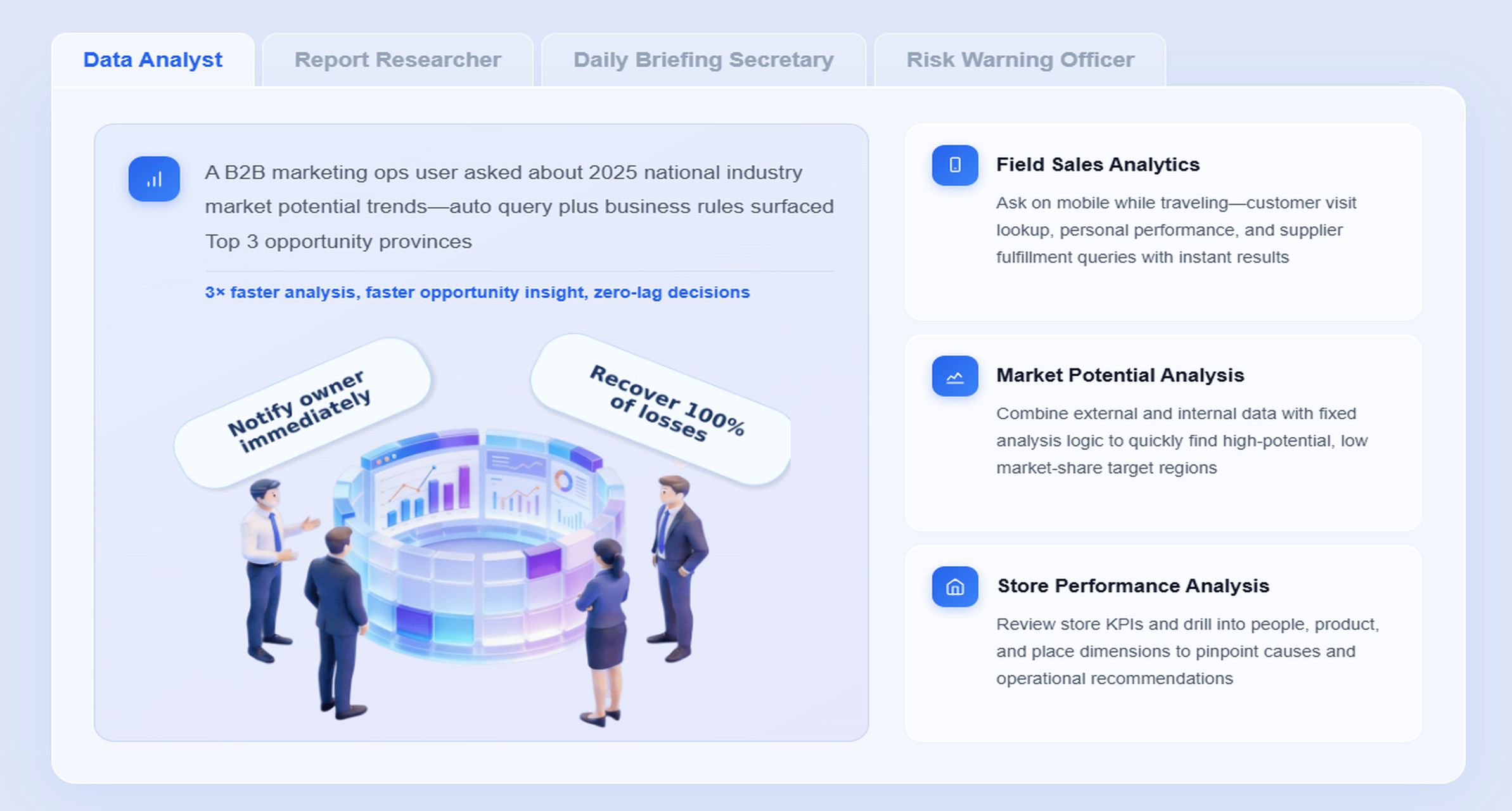
This is also where AI support can materially improve execution. Dora can act as a Report Researcher or Data Analyst digital employee, pulling relevant scorecard views, summarizing key changes since the last review, and preparing structured pre-read materials for supplier meetings. That reduces manual meeting preparation and helps procurement focus on decisions and accountability.
Review Cadence, Governance, and Continuous Improvement
Even good dashboards and scorecards fail if review cadence is weak. Supplier performance management only works when there is a repeatable governance rhythm.
Set the right review cadence
Review frequency should match supplier importance and risk exposure.
A common cadence model is:
- Monthly operational reviews: for delivery, defects, service, open incidents, and corrective actions
- Quarterly business reviews: for broader scorecards, cost trends, service quality, and relationship topics
- Annual strategic assessments: for strategic fit, long-term capability, innovation, and sourcing implications
More frequent reviews may be needed when:
- Performance drops below critical thresholds
- Major operational changes occur
- A supplier is under formal corrective action
- External risk signals increase continuity concerns
FineBI dashboards support this cadence by making current performance visible across time periods. Dora improves readiness by producing scheduled summaries before monthly and quarterly reviews.
Run effective supplier performance reviews
Effective reviews are prepared before the meeting starts. Data should already be validated and organized so the discussion can focus on decisions, actions, and accountability.
A practical supplier review should include:
- Performance summary since last review
- Major KPI exceptions
- Root-cause discussion
- Open corrective actions and closure status
- Required supplier commitments
- Internal owner assignments
- Follow-up date
The right stakeholders should be involved based on the issue mix:
- Procurement for supplier governance and commercial action
- Operations for delivery and continuity impacts
- Quality for defects and nonconformance
- Finance for pricing and invoice issues
- Supplier representatives for root-cause and action commitment
Dora can support this process by generating a meeting pre-read, summarizing performance changes, and pushing next-step reminders after the review. That makes the review cycle more actionable rather than merely descriptive.
Create a continuous improvement loop
Supplier performance management should feed continuous improvement, not just compliance tracking.
A continuous improvement loop includes:
- Corrective and preventive action plans for recurring issues
- Recognition of sustained strong performance
- Escalation for repeated underperformance
- Feedback into sourcing strategy and contracting
- Supplier development where capability gaps can be improved
Over time, the organization should use supplier performance results to answer bigger questions:
- Which suppliers deserve more business?
- Which suppliers require development support?
- Which contracts need stronger service terms?
- Which categories need alternative sourcing or risk mitigation?
When supplier performance data is centralized in FineBI and operationalized through Dora’s AI assistant layer, procurement can move from reactive reviews to proactive supplier governance.
How an AI Data Agent Handles This Scenario
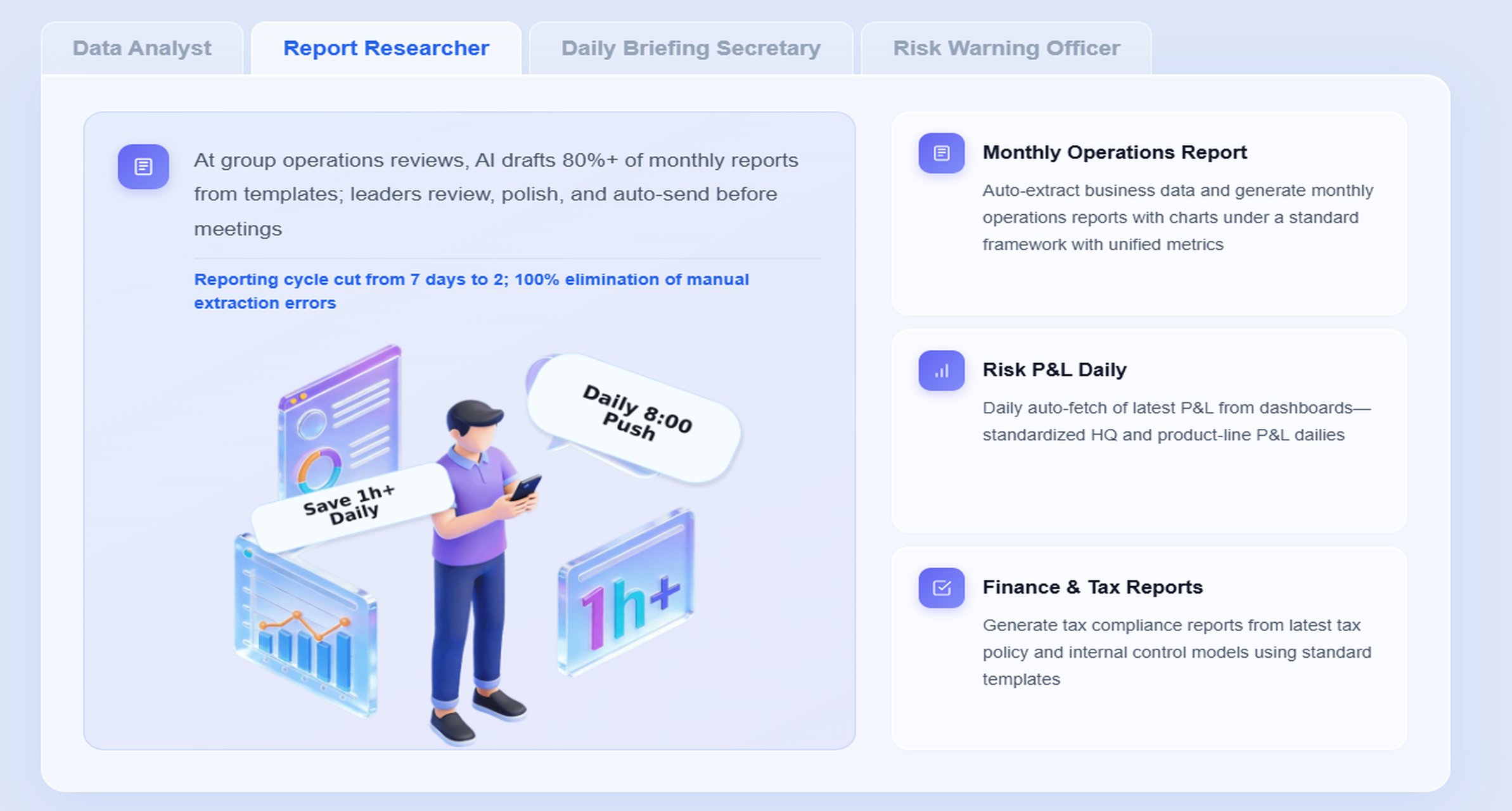
For supplier performance management, the most relevant Dora digital employees are:
- Data Analyst digital employee for natural-language data query, dashboard retrieval, and follow-up analysis
- Daily Briefing Secretary for scheduled supplier KPI summaries before review meetings
- Risk Alert Officer for anomaly detection, threshold monitoring, and owner notification
- Report Researcher for structured review pack and scorecard summary generation
This matters because procurement teams often lose time on repeatable data work: collecting supplier data from multiple systems, preparing scorecards, checking missed thresholds, writing meeting summaries, and chasing owners after reviews. Dora turns those recurring workflows into governed AI execution built on trusted BI assets.
A scenario-specific chat request might look like this:
“Show me this month’s supplier performance by category, including on-time delivery, defect rate, invoice accuracy, and any suppliers breaching risk thresholds. Summarize the top five exceptions and prepare a review note for the operations meeting.”
Here is how a Dora-powered workflow can handle that request:
-
Retrieve trusted FineBI assets
Dora accesses the relevant FineBI supplier performance dashboard, scorecard model, or analysis subject rather than guessing from raw data. -
Understand KPI definitions and business semantics
It uses governed metric rules for terms like on-time delivery, defect rate, critical supplier, and risk threshold so the answer reflects procurement-approved logic. -
Generate chart-based answers or dashboard-style analysis views in chat
Dora returns a ranked exception list, supplier comparison chart, or trend summary that users can read directly in chat without opening multiple reports. -
Detect abnormal changes or threshold breaches
As a Risk Alert Officer, Dora can identify suppliers whose performance falls outside acceptable ranges and flag likely review priorities. -
Push insights and alerts to responsible users
Dora can send scheduled summaries to procurement managers, notify quality owners about unresolved defects, or push alert messages when service levels degrade. -
Produce follow-up summaries for reviews and management reporting
As a Report Researcher or Daily Briefing Secretary, Dora can generate concise supplier review notes, action summaries, and next-step reminders.
This is where the combination of FineBI + Dora becomes practical. FineBI provides the trusted dashboard, metric, and semantic foundation. Dora adds the AI assistant layer for scenario execution: chat-based retrieval, summary generation, anomaly alerts, periodic briefings, and governed follow-up. That is a stronger enterprise fit than a prompt-only agent because it respects permissions, uses KPI governance, and follows more controllable Skills-based execution.
For procurement leaders, Dora is not an AI experiment. It is a landed digital employee for recurring supplier data work such as monthly scorecard preparation, exception tracking, review pack generation, delivery risk alerting, and owner follow-up.
For IT teams, this changes the role of delivery. Instead of building every report manually on request, IT can focus on enterprise data connections, semantic layers, data quality, permission governance, and reusable agent Skills that support procurement scenarios.
For business users, the benefit is lower operating friction. They can ask questions in natural language, get timely chart-based answers from trusted BI assets, and receive scheduled summaries without searching across dashboards or waiting for analyst support.
Tools, Software, and Services to Scale the Program
Supplier performance management becomes difficult to sustain when data volume, supplier count, and review complexity grow. That is where software, workflow discipline, and implementation service matter.
When to use supplier performance management software
Supplier performance management software becomes necessary when teams need to:
- Automate data collection from ERP, logistics, quality, and finance systems
- Keep supplier scorecards current without spreadsheet maintenance
- Improve visibility across categories, plants, or regions
- Standardize review workflows and audit trails
- Trigger exception alerts and follow-up actions
- Support collaboration across procurement, quality, and operations
FineBI supports this need by providing a BI foundation for dashboards, metric modeling, visual exploration, and reusable semantic assets. Dora extends that foundation into an enterprise Data Agent layer that helps users ask, analyze, generate, push, alert, and follow up through governed AI workflow.
Evaluate services and solutions carefully
When evaluating options, procurement and IT leaders should compare:
- Internal build versus implementation partner support
- Integration capabilities with ERP, quality, contract, and risk systems
- Dashboard usability for business users
- KPI configurability and governance
- Permission management
- Data quality controls
- Total cost of ownership
A key question is not only whether the software can display scorecards, but whether the organization can actually land the process. That is where FineBI + Dora has a practical advantage. FineBI provides the trusted visual and metric layer. Dora gives teams an AI assistant that can work on top of that trusted foundation, with better landing capability than feature-only agent comparisons.
Build a practical implementation roadmap
A good rollout should stay focused.
A practical roadmap looks like this:
- Select a pilot group of suppliers, categories, or plants
- Define a limited KPI set with clear ownership and formulas
- Build trusted FineBI dashboards and scorecard views
- Standardize review cadence, thresholds, and escalation rules
- Add Dora for high-value recurring workflows such as briefings, exception summaries, and alert follow-up
- Measure adoption, action completion, and business impact
- Expand gradually to more suppliers and scenarios
This approach avoids trying to automate everything at once. It also gives the AI layer a strong semantic and governance base before broader deployment.
Actionable Best Practices
To make supplier performance management work in a real enterprise, focus on practices that improve trust, adoption, and actionability.
1. Standardize KPI definitions, synonyms, filters, and ownership
If different teams calculate on-time delivery or defect rate differently, scorecards will not be trusted. Define each KPI clearly, assign an owner, and keep filters and naming consistent across dashboards, reviews, and supplier conversations.
2. Build a semantic layer inside the BI workflow
AI outputs are only as useful as the business logic behind them. FineBI should hold the trusted metric, dashboard, and semantic foundation so Dora can retrieve governed definitions instead of relying on ambiguous prompts.
3. Treat data quality as part of the AI implementation
Supplier performance AI cannot compensate for missing receipt dates, inconsistent supplier IDs, or unreliable defect records. Clean joins, validated source logic, and governed data quality should be part of the rollout plan.
4. Start with high-value recurring workflows instead of automating everything
The best early Dora use cases are repetitive and time-sensitive, such as monthly supplier briefings, exception summaries, review pack preparation, and threshold-based alerts. This creates visible business value with manageable governance.
5. Preserve permission governance and use human review where needed
AI outputs should respect FineBI access boundaries so users only see authorized supplier data. For externally shared scorecards or executive summaries, keep human review in the loop and gradually expand Dora Skills after the process becomes stable.
FineBI + Dora Solution Pitch
Building supplier performance management manually is complex. Data comes from multiple systems, KPI definitions drift over time, review packs take effort to prepare, and follow-up often breaks after the meeting. FineBI helps teams build trusted dashboards, metrics, and semantic assets. Dora turns those assets into an AI assistant that can answer questions in chat, generate dashboard-style analysis views, push scheduled summaries, monitor anomalies, and follow up with responsible owners.
That is why FineBI + Dora fits supplier performance management especially well:
- FineBI builds the trusted scorecard and dashboard foundation
- Dora acts as the enterprise Data Agent layer for procurement execution
- Business users can ask natural-language questions over trusted BI assets
- Teams can receive scheduled supplier briefings, anomaly alerts, and action reminders
- IT keeps governance through permissions, semantic rules, KPI control, and auditable workflows
FineBI + Dora is not only a BI upgrade; it is a practical fourth-generation Agentic BI path. FineBI provides governed metrics and visual analysis. Dora provides the AI assistant layer for scenario execution, with more controlled Skills, lower token waste, faster execution paths, and more stable workflows than prompt-only agents.
Get Ready-to-Use Dashboard Templates in Fine Gallery
The strongest Dora pitch is scenario + product + service: FineBI provides the trusted BI foundation, Dora provides the AI digital employee, and implementation service connects data, governance, semantic setup, Skills, and rollout.
For procurement organizations trying to improve supplier performance management, that means a more practical path from fragmented reporting to governed, actionable, AI-supported execution.
FAQs
Supplier performance management is the structured process of measuring how well suppliers meet expectations for quality, delivery, cost, service, compliance, and risk. It helps procurement teams move from ad hoc reporting to consistent reviews and improvement actions.