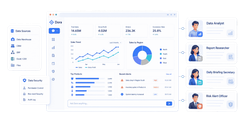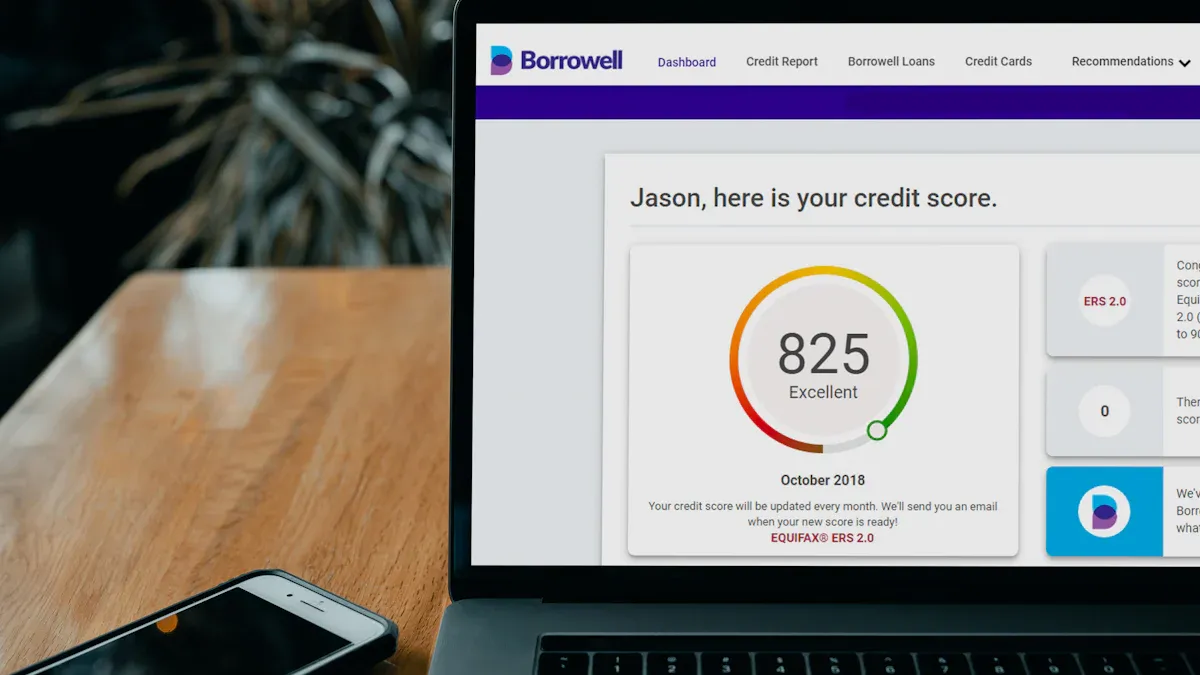

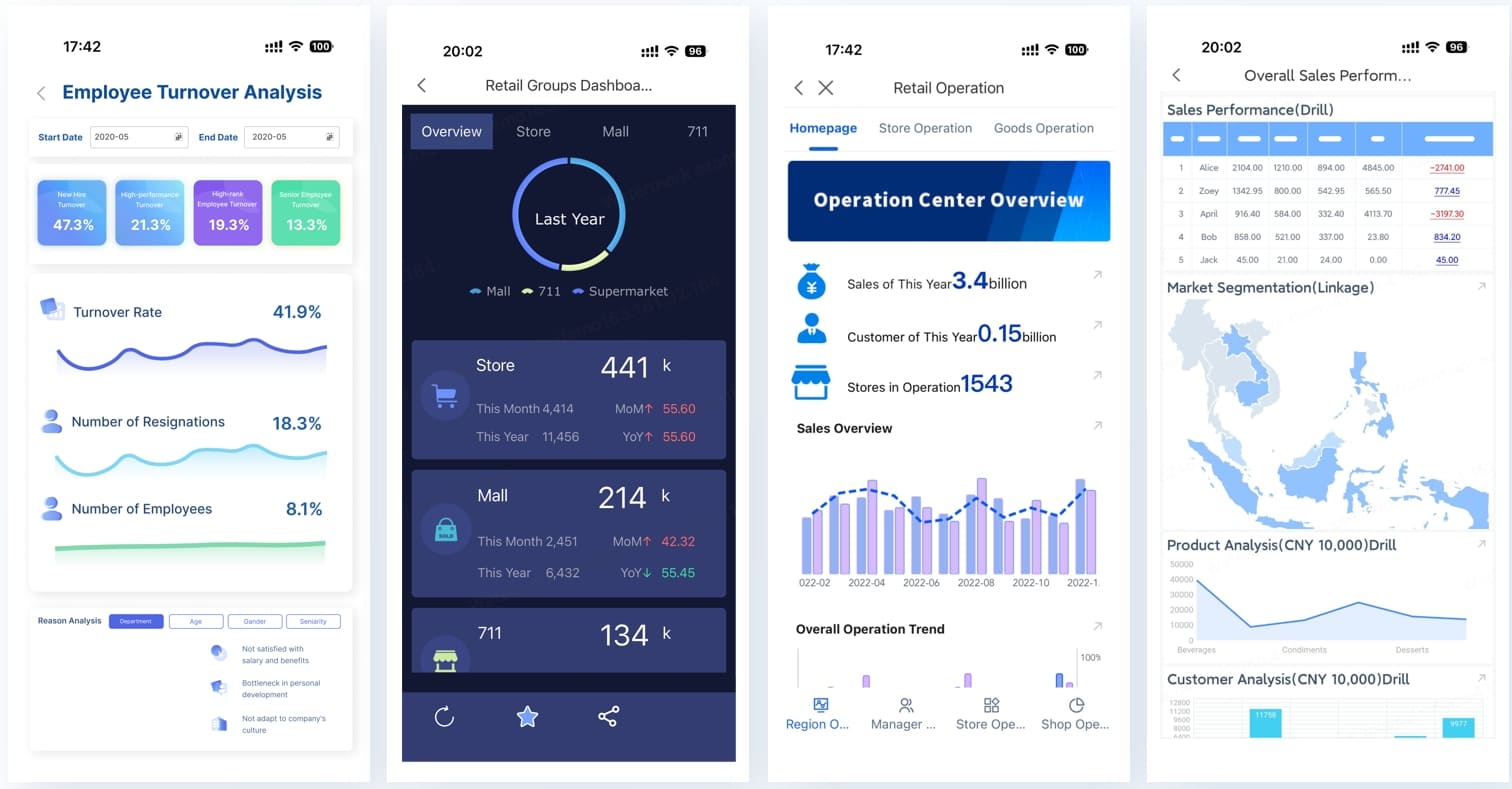
FineReport is an enterprise reporting and dashboard platform that helps security operations turn field data into structured, client-ready reports and management visibility.
The 7 Best Security Guard Reporting Software Tools Ranked
1. FineReport — Top choice for reporting depth and operational visibility
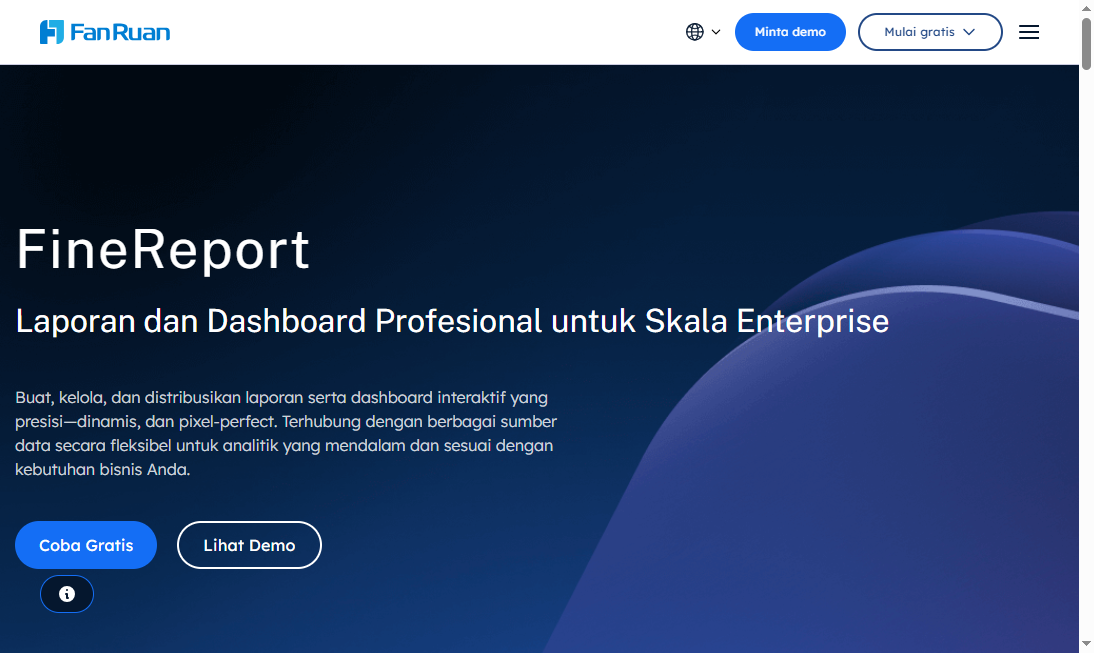
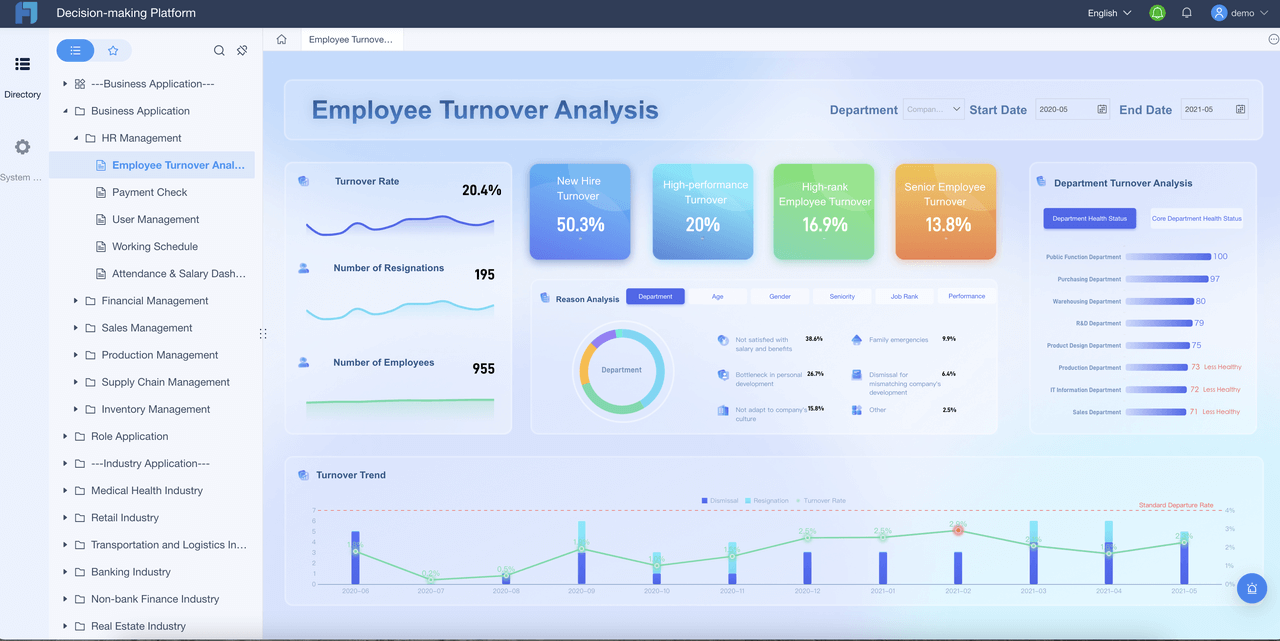
FineReport stands out for security teams that need highly structured reporting, flexible dashboards, and stronger operational visibility across sites, incidents, and guard activity.
- One-sentence overview: FineReport is best suited for security organizations that want deeper reporting control, executive dashboards, and customizable data presentation beyond basic guard log collection.
- Key Features:
- Pixel-perfect report design for daily activity reports, incident summaries, and executive briefings
- Highly customizable dashboards for multi-site performance monitoring
- Data integration across operational systems, including scheduling, attendance, and business databases
- Role-based access controls for supervisors, managers, and client stakeholders
- Automated report distribution and scheduled delivery
- Drill-down analytics for incident trends, staffing patterns, and site exceptions
- Pros & Cons:
- Pros: Strongest reporting flexibility in this comparison; excellent for multi-level stakeholder reporting; supports advanced customization; well-suited to organizations with complex reporting requirements
- Cons: Not a guard-only point solution; may require more planning during setup than lightweight mobile-first apps
- Best For (Target user/scenario):
- Contract security firms serving demanding clients
- Enterprise in-house security teams with multiple facilities
- Operations leaders who need both frontline data and polished management reporting
For buyers evaluating security guard reporting software, FineReport is the strongest option when “reporting” means more than simple form submission. It is especially effective when security teams need to consolidate incident records, patrol completion data, time logs, and site KPIs into one reporting environment. That makes it a strong choice for organizations that must satisfy supervisors, executives, and clients with different reporting expectations.
What gives FineReport an edge is reporting depth. Many guard management apps capture activity in the field, but fewer tools make it easy to transform raw entries into professional, scheduled, client-facing reports and operational dashboards. If your security operation already has data sources in place and needs a more powerful reporting layer, FineReport deserves a place at the top of the shortlist.
2. GuardMetrics — Best for client portal experience and account transparency
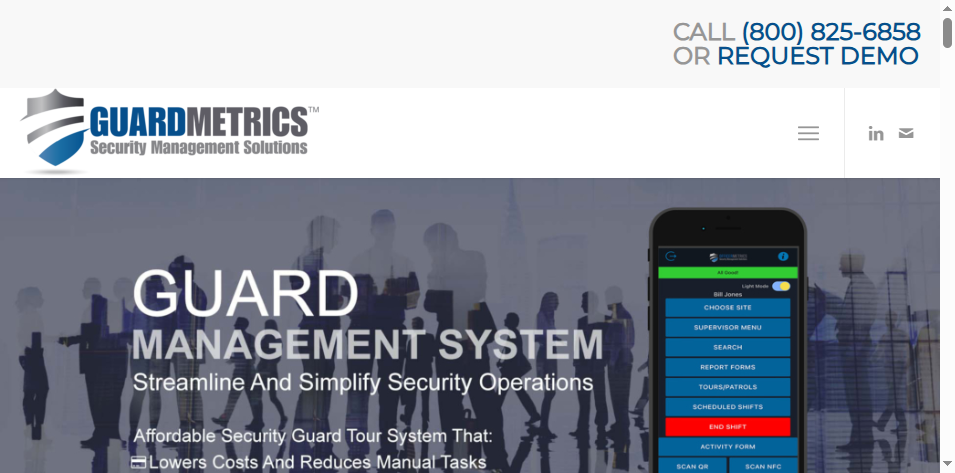
GuardMetrics performs well for firms that rely on real-time client visibility and branded reporting to support retention and account management.
- One-sentence overview: GuardMetrics is a strong fit for security companies that want a client-friendly portal with real-time report access and configurable visibility controls.
- Key Features:
- Real-time report sharing through a branded client portal
- Daily activity reporting and incident reporting from the field
- Patrol and checkpoint tracking
- Approval workflows for controlling what clients see
- Flexible pricing model by site or user in some deployment scenarios
- Pros & Cons:
- Pros: Strong emphasis on client transparency; branded portal experience; useful for firms that compete on service presentation
- Cons: Reporting presentation is strong, but analytics depth may be less flexible than more advanced BI-oriented platforms
- Best For (Target user/scenario):
- Contract security firms with client-facing service models
- Companies that need account transparency as a differentiator
- Teams managing multiple customer sites with frequent reporting demands
GuardMetrics is particularly attractive if the client portal is central to your value proposition. For many guard firms, retention depends not only on patrol completion, but on how clearly clients can see what happened, when it happened, and how fast the team responded. GuardMetrics addresses that need well.
Its reporting and portal design also fit organizations that want clients to review incidents, logs, and site activity without depending on emailed PDFs alone. If your operations team needs to decide whether reports appear live or after review, that level of publication control can also be useful.
3. GuardsPro — Best for field accountability across distributed guard teams
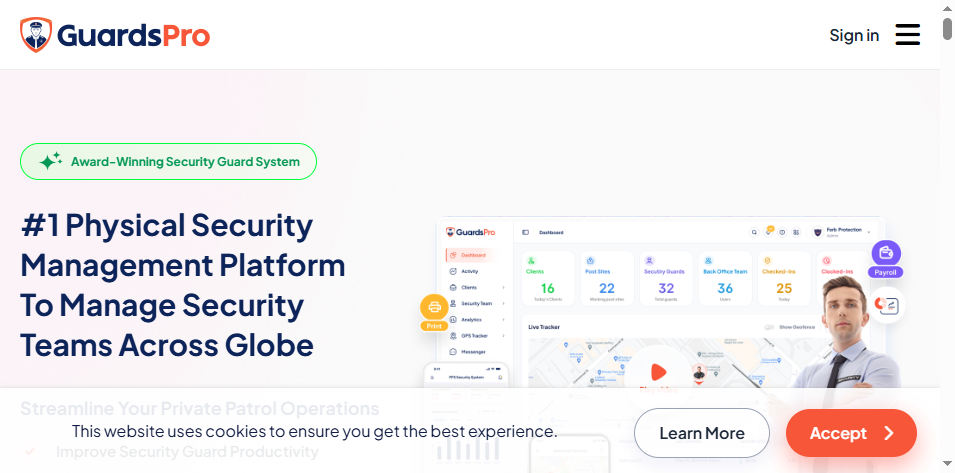
GuardsPro is well positioned for security operations that prioritize tour compliance, geofencing, tracking history, and mobile-first oversight.
- One-sentence overview: GuardsPro is best for distributed teams that need strong field accountability features tied to guard movement, task execution, and patrol verification.
- Key Features:
- GPS-enabled site tours and tracking history
- Geofencing and violation alerts
- Daily activity reports and incident reports
- Tasks, passdown logs, and post orders
- Client web portal and mobile access
- Time clock and shift-related activity visibility
- Pros & Cons:
- Pros: Strong accountability controls; broad set of guard operations features; useful for patrol-heavy environments
- Cons: Feature breadth may feel heavy for very small teams; reporting customization may not satisfy every advanced analytics requirement
- Best For (Target user/scenario):
- Multi-site patrol companies
- Supervisors managing widely distributed guard teams
- Firms that need proof of presence and task completion
Where GuardsPro stands out is operational verification. If your biggest concern is whether officers actually completed tours, stayed within assigned areas, and submitted reports on time, it provides a practical mix of tracking and reporting. That makes it useful for teams dealing with dispersed posts, night patrols, or service-level accountability concerns.
It is also one of the more balanced options for organizations that want reporting, tasking, and location-based oversight in a single platform.
4. Silvertrac — Best all-in-one platform for guard management
Silvertrac is a strong all-around option for teams that want incident reporting tied closely to dispatch, tasks, mobile patrols, and automated workflows.
- One-sentence overview: Silvertrac is a practical all-in-one choice for firms that want reporting connected to issue management and day-to-day field operations.
- Key Features:
- Incident reporting with photos, audio, notes, and timestamps
- Issue monitoring and filtered report views
- Dispatching and task management
- Mobile patrol support
- Automated alerts and notifications
- Daily activity reporting with client-ready summaries
- Pros & Cons:
- Pros: Well-rounded operations toolkit; good fit for issue-driven workflows; practical mobile reporting experience
- Cons: May be more operations-centric than analytics-centric; some organizations may want more flexible dashboarding
- Best For (Target user/scenario):
- Private patrol firms
- Teams managing high volumes of incidents or property issues
- Buyers wanting one system for reports, dispatch, and tasks
Silvertrac makes sense when your reporting process is tightly linked to service response. Instead of treating incident reporting as a standalone function, it supports a more operational workflow where issues move quickly from field documentation to management review and customer communication.
For firms handling residential, commercial, or mobile patrol services, that can reduce lag between event capture and action.
5. OfficerReports — Best for straightforward daily activity and incident logs
OfficerReports is a solid choice for teams that want simple digital replacement for paper-based reporting with quick adoption.
- One-sentence overview: OfficerReports is best for companies moving from paper logs to a cleaner, more accessible digital reporting workflow.
- Key Features:
- Daily activity reports and incident reports
- Pass-on logs, visitor logs, truck logs, and maintenance requests
- Field inspection reports for supervisors
- Post orders and policy manual access
- Online access for managers and clients
- Pros & Cons:
- Pros: Easy to understand; practical for replacing paper; broad set of log templates
- Cons: Less sophisticated analytics and visualization than top reporting-focused platforms; may feel basic for complex enterprise operations
- Best For (Target user/scenario):
- Small to midsize guard firms
- Teams transitioning from manual documentation
- Buyers prioritizing simplicity and fast rollout
OfficerReports earns its place because many security operations do not need a highly complex stack. They need guards to submit complete reports, supervisors to review them quickly, and clients to receive documentation without chasing paperwork. In those scenarios, a straightforward system often drives better frontline adoption than a highly customized deployment.
6. Omnigo — Best for compliance-minded incident documentation
Omnigo is a good fit for organizations that place a premium on audit trails, incident consistency, and defensible records.
- One-sentence overview: Omnigo is best for teams that need security incident reporting with stronger compliance, documentation integrity, and supervisory oversight.
- Key Features:
- Custom incident fields for detailed event capture
- Media attachments including photos, videos, and audio
- Time-stamped audit trail
- Real-time notifications via email or SMS
- Dashboards and reporting for trend analysis
- Pros & Cons:
- Pros: Strong documentation discipline; useful for high-liability environments; supports defensible reporting practices
- Cons: May be more focused on incident and compliance workflows than broader guard workforce management
- Best For (Target user/scenario):
- Healthcare, education, gaming, and regulated environments
- Security teams handling sensitive incidents
- Buyers focused on auditability and risk reduction
Omnigo is especially relevant when every report may be reviewed by legal, compliance, or senior risk stakeholders. In those cases, consistency, timestamps, and evidence handling matter as much as ease of use.
7. Security Guard App — Best value for small teams and easy mobile adoption
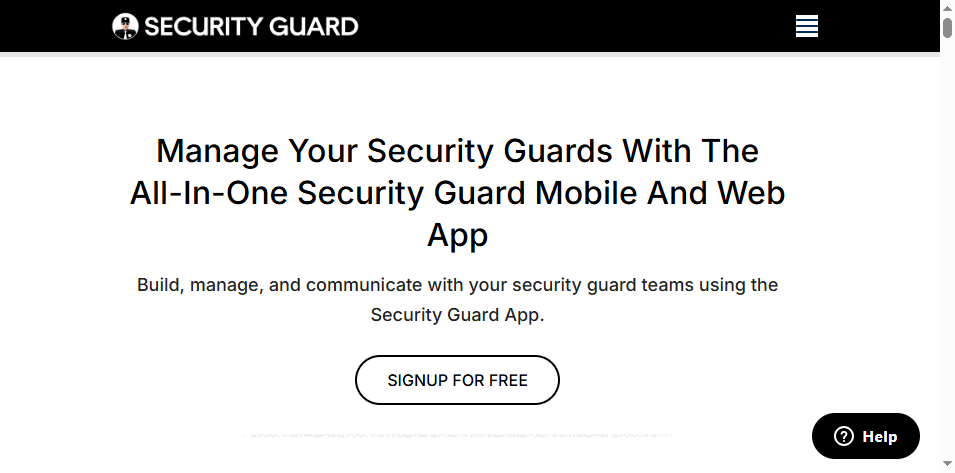
Security Guard App is a good entry-level option for smaller firms that want a mobile-first platform with core reporting and communication features.
- One-sentence overview: Security Guard App is best for smaller operations that need affordable mobile reporting, team communication, and basic client visibility.
- Key Features:
- Custom reports and report submission from mobile devices
- GPS tracking and time logs
- Messenger, post orders, and passdown logs
- Client access to on-site information
- Multi-team and multi-site support
- Pros & Cons:
- Pros: Easy to use; accessible for small firms; good value for core operational needs
- Cons: Less depth in enterprise reporting and analytics; may not meet advanced multi-layer reporting expectations
- Best For (Target user/scenario):
- Small guard companies
- Startups and growing patrol providers
- Teams that need simple mobile reporting with minimal training burden
For smaller companies, ease of use often matters more than advanced feature depth. Security Guard App is compelling when the main objective is to digitize reporting, messaging, time logging, and client access without a long implementation cycle.
Best Security Guard Reporting Software: What We Ranked and Why
The phrase “best security guard reporting software” means different things depending on whether you run a contract guard company, an in-house corporate security team, or a multi-site patrol operation. In this comparison, “best” does not mean the platform with the longest feature list. It means the tool that best balances reporting depth, client portal usability, field accountability, and ease of adoption.
For contract security firms, strong software must help demonstrate service quality to clients. That usually means reliable daily activity reports, incident documentation, branded or polished client access, and enough transparency to support renewals and upsells.
For in-house security teams, the focus is often different. They may need stronger incident consistency, executive visibility, compliance records, and internal dashboards rather than a highly branded client portal. In those environments, reporting quality and defensible documentation often outrank sales-oriented presentation.
For multi-site security operations, accountability becomes a central requirement. Supervisors need to confirm that guards checked in, completed patrols, scanned checkpoints, responded to exceptions, and documented events accurately while in the field. Software that looks good in demos but lacks usable verification tools usually falls short in real operations.
This ranking also balances the needs of three audiences at once:
- Guards, who need mobile-friendly workflows that are fast enough to use during a shift
- Managers and supervisors, who need oversight, approvals, alerts, and operational control
- Clients or stakeholders, who need clean visibility into outcomes, incidents, and service delivery
That is why the ranking does not focus on reporting in isolation. The best platforms connect report writing, operational proof, and stakeholder visibility in a way that improves both service quality and accountability.
How We Compared the 7 Tools
Reporting depth and incident documentation
Reporting depth was the first and most heavily weighted criterion. Not all security guard reporting software handles incident documentation with the same level of rigor. We looked at whether each tool supports:
- Narrative reporting for daily activity and incidents
- Structured report templates and customizable forms
- Photo, video, or audio attachments
- Automatic timestamps
- Audit trails and supervisory review
- Export options for internal and client-facing use
The strongest tools support complete, defensible documentation rather than just simple text logs. That distinction matters in environments where reports may be reviewed after a complaint, liability claim, workplace incident, or service dispute.
FineReport ranked highest here because of its ability to turn operational data into highly structured, presentation-ready reporting. Omnigo also scored well because of its auditability and incident integrity. Silvertrac and OfficerReports performed well for practical field documentation, while simpler tools were better suited to lower-complexity needs.
Client portal and stakeholder visibility
A client portal is not equally important for every buyer, but for many contract security companies it can be a deciding factor. We evaluated how each platform supports:
- Client access to activity logs and incident summaries
- Real-time visibility versus manager-approved publication
- Branding and presentation quality
- User permissions and stakeholder-specific access
- Dashboards, notifications, and report sharing
GuardMetrics performed especially well in this area due to its emphasis on branded portal access and flexible visibility. GuardsPro also stood out with dedicated client-facing access and multi-user portal support. FineReport scored strongly where organizations need polished dashboarding and stakeholder-specific reporting, especially in more complex or enterprise settings.
Field accountability and guard performance tracking
Reporting is only part of the job. Security leaders also need to verify that officers completed assigned work in the field. We reviewed:
- Patrol verification and site tours
- Checkpoint scanning
- GPS and location history
- Geofencing
- Timekeeping links
- Missed-task or exception alerts
- Activity verification for supervisors
GuardsPro ranked especially well for field accountability because it combines GPS, geofencing, tracking history, and site tours in a practical way. Silvertrac also performed strongly in patrol-driven operations. Tools that focused more heavily on reporting than verification were scored lower in this category.
Setup, scalability, and overall value
Finally, we looked at how practical each system is to adopt and scale. Great functionality means little if frontline guards resist the app or if admins struggle to maintain the system. Key factors included:
- Onboarding effort
- Mobile usability
- Flexibility for small teams versus enterprise operations
- Integrations and data connectivity
- Admin controls
- Value relative to feature depth
Smaller firms often benefit from simpler products with fast rollout. Larger organizations often get more value from platforms that support richer reporting and broader integration, even if setup takes longer. This is one reason FineReport ranked first overall for reporting-focused buyers: it offers greater long-term reporting leverage for organizations with more advanced operational and stakeholder demands.
Side-by-Side Comparison of Reporting, Portal, and Accountability Features
Reporting and incident tracking features at a glance
Here is how the seven tools compare on core reporting capabilities:
| Tool | Narrative Reports | Custom Forms/Templates | Media Attachments | Timestamps/Audit Trail | Report Export/Presentation |
|---|---|---|---|---|---|
| FineReport | Strong | Excellent | Depends on data workflow | Strong | Excellent |
| GuardMetrics | Strong | Good | Good | Good | Strong |
| GuardsPro | Strong | Good | Good | Good | Good |
| Silvertrac | Strong | Good | Strong | Good | Good |
| OfficerReports | Good | Good | Good | Good | Moderate |
| Omnigo | Strong | Strong | Strong | Excellent | Strong |
| Security Guard App | Moderate | Moderate | Moderate | Moderate | Moderate |
If polished reporting output is the priority, FineReport leads. If incident defensibility is the priority, Omnigo is a strong contender. If practical field submission matters more than advanced reporting design, Silvertrac, GuardsPro, and OfficerReports are all credible options.
Client portal capabilities compared
Client visibility varies significantly across platforms.
| Tool | Client Portal | Real-Time Access | Branding/Presentation | Permission Control | Dashboard Strength |
|---|---|---|---|---|---|
| FineReport | Strong | Configurable | Excellent | Strong | Excellent |
| GuardMetrics | Excellent | Strong | Strong | Strong | Good |
| GuardsPro | Strong | Strong | Good | Good | Good |
| Silvertrac | Moderate | Good | Moderate | Moderate | Moderate |
| OfficerReports | Moderate | Good | Basic | Moderate | Basic |
| Omnigo | Moderate | Good | Moderate | Strong | Good |
| Security Guard App | Moderate | Moderate | Basic | Moderate | Basic |
GuardMetrics is the clearest choice for firms that sell transparency as part of their service. FineReport becomes more compelling when the requirement is not just portal access, but more polished stakeholder reporting and management dashboarding.
Field accountability features compared
This category highlights which platforms do the most to verify field execution.
| Tool | Patrol Monitoring | GPS Logs | Missed-Task/Exception Alerts | Geofencing | Officer Verification |
|---|---|---|---|---|---|
| FineReport | Depends on integrated systems | Depends on integrated systems | Via reporting workflows | Via integrated stack | Strong in reporting visibility |
| GuardMetrics | Strong | Good | Good | Moderate | Strong |
| GuardsPro | Excellent | Excellent | Good | Excellent | Excellent |
| Silvertrac | Strong | Good | Good | Moderate | Strong |
| OfficerReports | Moderate | Moderate | Moderate | Limited | Moderate |
| Omnigo | Moderate | Moderate | Good | Limited | Good |
| Security Guard App | Good | Good | Moderate | Moderate | Good |
For patrol-heavy operations, GuardsPro leads this category. GuardMetrics and Silvertrac also perform well. FineReport is strongest when accountability data already exists and needs to be transformed into deeper operational reporting and oversight.
Best fit by team type and operational complexity
Different tools fit different operating models.
- Small security firms: Security Guard App, OfficerReports
- Growing contract guard companies: GuardMetrics, Silvertrac, GuardsPro
- Enterprise security teams: FineReport, Omnigo
- High-liability sites: Omnigo, FineReport
- Multi-location contracts: FineReport, GuardsPro, GuardMetrics
- Client-facing service businesses: GuardMetrics, FineReport, GuardsPro
The key takeaway is that no platform is best for every buyer. The best choice depends on whether your primary pain point is reporting quality, client visibility, or field accountability.
How to Choose the Right Platform for Your Security Operation
Questions to ask before you buy
Before selecting security guard reporting software, start with your reporting obligations. Ask:
- What documentation standards do your clients, supervisors, insurers, or compliance teams require?
- Do you need simple activity logs, or do you need structured incident workflows with evidence attachments and audit trails?
- Is a client portal essential to service delivery, or is internal management visibility the bigger priority?
- Do you need to verify patrol completion, checkpoint scans, or geofenced compliance?
- How important are integrations with scheduling, payroll, dispatch, HR, or case management systems?
These questions usually reveal the difference between a lightweight reporting tool and a platform that can support broader security operations.
If your answer is, “We need stronger and more professional reporting across multiple stakeholders,” FineReport should be near the top of your list. If your answer is, “We win business through transparent client access,” prioritize GuardMetrics. If your answer is, “We need proof that officers did the work in the field,” look closely at GuardsPro.
Common mistakes to avoid
Buyers often make the same avoidable mistakes when comparing security guard reporting software.
- Choosing based only on price: A cheaper platform can become expensive if reporting quality is poor, clients remain unsatisfied, or supervisors still spend hours cleaning up documentation.
- Ignoring mobile usability: If guards do not find the app easy to use, reports will be incomplete, delayed, or inconsistent.
- Overlooking training burden: Complex systems can underperform if adoption is weak at the frontline.
- Assuming all incident reporting is equal: Some tools support basic text entry, while others support structured forms, media evidence, timestamps, and stronger auditability.
- Treating client access as optional without checking expectations: In contract security, visibility can be a major retention factor.
- Failing to map reporting to operations: A good-looking report is not enough if the platform cannot verify patrols, tasks, or field activity.
A disciplined buying process should include real workflow testing, not just feature-list comparisons.
Final Verdict: Which Security Guard Reporting Software Is Best for You?
If your operation is reporting-heavy and you need the deepest visibility across incidents, site performance, and stakeholder reporting, FineReport is the best overall choice. It offers the strongest reporting flexibility, the most polished output, and the greatest value for teams that need to turn raw security data into actionable, client-ready insight.
If your business depends on client-facing transparency and portal experience, GuardMetrics is the strongest fit. It is particularly appealing for contract security firms that want reporting access to be part of the service promise.
If your top concern is field accountability across distributed teams, GuardsPro is the best option. Its combination of GPS, geofencing, site tours, and activity verification makes it highly practical for patrol-heavy operations.
If you want a balanced all-in-one operating platform, Silvertrac is a strong contender. If you need simple digital logs with fast adoption, OfficerReports remains a solid choice. If compliance and defensible incident records are the priority, Omnigo is worth close attention. And if you are a smaller firm looking for low-friction mobile adoption, Security Guard App offers good value.
A simple decision framework looks like this:
- Choose FineReport if reporting depth, dashboards, and executive or client-ready output matter most
- Choose GuardMetrics if portal transparency is your strongest competitive need
- Choose GuardsPro if field accountability and patrol verification come first
- Choose Silvertrac if you want reporting tied to dispatch, issues, and operational execution
- Choose OfficerReports if simplicity and quick rollout are your priorities
- Choose Omnigo if compliance-grade incident documentation is essential
- Choose Security Guard App if you need affordable, easy mobile reporting for a smaller team
For most buyers, the smartest next step is to shortlist two or three platforms based on your operational priority: reporting depth, client visibility, or field accountability. Then test those options against real guard workflows, supervisor review needs, and stakeholder reporting expectations.
FAQs
The best choice depends on your operation, but most buyers should prioritize real-time field reporting, incident tracking, and clear client-ready reporting. If you manage multiple sites or stakeholders, dashboard depth and role-based access also matter.