If you are a finance leader, sustainability manager, compliance owner, or operations executive trying to make sense of esg reporting standards, the real challenge is not a lack of acronyms. It is knowing which standard applies, who the report is for, what “materiality” actually means, and how to avoid building a reporting process that becomes expensive, fragmented, and audit-risky. Getting this right matters because ESG disclosures now influence investor confidence, procurement decisions, regulatory exposure, board oversight, and enterprise reputation.
All reports in this article are built with FineReport.
What are ESG reporting standards, and why do they matter?
ESG reporting is the process of disclosing how a company manages and performs on environmental, social, and governance topics. In plain English, it means telling stakeholders what your business is doing about issues like carbon emissions, labor practices, ethics, board oversight, data privacy, and supply chain risks.
A simple example: a manufacturer may report its greenhouse gas emissions, injury rates, board independence, and anti-corruption training coverage. Those disclosures help outsiders understand both the company’s impact on the world and the risks those issues may create for the business.
The reason esg reporting standards matter is consistency. Without standards, one company might report carbon emissions in detail, another might publish only high-level commitments, and a third might omit the topic altogether. That makes it hard for investors, regulators, customers, and internal decision-makers to compare performance or trust the data.
Reporting standard vs framework vs regulation
Beginners often mix up these terms. They are related, but not identical.
Reporting standard: A set of specific disclosure requirements or metrics that tells a company what to report and often how to report it.
Framework: A broader structure or guidance model that helps organize reporting and decision-making.
Regulation: A legal requirement issued by a government or regulator that may mandate reporting and sometimes specify which standards must be used.
A practical way to think about it:
A regulation says you must report.
A framework helps structure your thinking.
A standard defines the disclosures in more detail.
For example, a company may be legally required to disclose sustainability information under a regulatory regime, and that rule may point it to a specific standard such as ESRS.
Why stakeholders care about consistent disclosures
Different audiences use ESG disclosures for different reasons:
Investors want to understand risk, resilience, and long-term enterprise value.
Regulators want standardized, decision-useful, and enforceable reporting.
Customers and procurement teams want evidence of responsible operations and supply chain discipline.
Boards and executives need reliable data for strategy, performance oversight, and assurance readiness.
Employees and communities care about social impact, safety, inclusion, and accountability.
Key Metrics (KPIs) beginners should track first
Before comparing standards, it helps to understand the common KPI categories most organizations eventually need to manage.
Scope 1 emissions: Direct greenhouse gas emissions from owned or controlled sources.
Scope 2 emissions: Indirect emissions from purchased electricity, heat, or steam.
Scope 3 emissions: Value chain emissions upstream and downstream of the company.
Energy consumption: Total energy used across operations, often split by renewable and non-renewable sources.
Water withdrawal and discharge: Water usage and impact on local water systems.
Waste generated and diverted: Total waste output, recycling rates, and disposal methods.
Lost-time injury rate: Safety metric showing work-related injuries causing lost work time.
Employee turnover: Indicator of workforce stability and talent risk.
Diversity metrics: Representation across gender, ethnicity, leadership, and other relevant dimensions.
Board independence: Share of board members who are independent from management.
Anti-corruption training coverage: Portion of employees or high-risk roles trained in ethics compliance.
Supplier screening rate: Percentage of suppliers reviewed for ESG risks or compliance issues.
These metrics are not universal in every report, but they form the operating backbone of many ESG reporting programs.
The main ESG reporting frameworks and standards beginners should know
There are dozens of sustainability-related initiatives in the market, but most beginners comparing mainstream esg reporting standards should start with four names: ESRS, ISSB, GRI, and SASB. They do not all serve the same purpose, and that is exactly why confusion happens.
ESRS: the European Sustainability Reporting Standards
ESRS are the sustainability reporting standards developed for the European reporting environment. They are closely tied to EU rules and are primarily used to support mandatory reporting obligations under the EU’s corporate sustainability regime.
Who they apply to and why they are tied to EU rules
ESRS are relevant mainly for companies that fall within the scope of EU sustainability reporting requirements, including certain large EU companies, listed entities, and some non-EU companies with significant EU activity. In practice, if your legal entity footprint touches the EU at the required threshold, ESRS quickly moves from “nice to know” to “must understand.”
What makes them detailed and compliance-focused
ESRS are known for being detailed, structured, and compliance-oriented. They require companies to assess and disclose a wide range of sustainability matters, often through the lens of double materiality. That means companies must report both:
How sustainability issues affect the business financially
How the business affects people and the environment
This makes ESRS especially comprehensive, but also more operationally demanding. It often requires deeper coordination across finance, sustainability, HR, legal, procurement, risk, and IT.
ISSB: a global baseline for investor-focused reporting
ISSB was created to bring greater consistency to sustainability-related financial disclosures across markets. Its role is often described as setting a global baseline for capital-market reporting.
How ISSB aims to create comparability across markets
The central promise of ISSB is comparability. Multinational companies, investors, and regulators have long struggled with fragmented sustainability disclosures. ISSB seeks to reduce that fragmentation by giving markets a more consistent language for reporting sustainability-related risks and opportunities.
This makes ISSB attractive for organizations that operate internationally or need to speak clearly to investors across multiple jurisdictions.
Why financial materiality is central to its approach
ISSB focuses on financial materiality. In simple terms, that means the company reports sustainability information that could reasonably influence investor decisions because it affects enterprise value, cash flows, financing, or long-term performance.
ISSB is therefore narrower than some broader impact-oriented approaches. It is not trying to capture every societal effect of a company. It is primarily focused on what matters to investors.
GRI is one of the most widely used sustainability reporting systems globally. It is often the first major standard beginners encounter because of its broad scope and long market history.
What GRI covers and why many companies use it for impact reporting
GRI is designed to help organizations report on their impacts on the economy, environment, and people. It is strongly associated with stakeholder-focused reporting, meaning it is useful when a company needs to communicate not just with investors, but also with employees, communities, customers, NGOs, and policymakers.
GRI is especially valuable when the goal is to explain a company’s broader footprint and accountability, not just investor-relevant risk.
When GRI is useful for organizations with wide stakeholder audiences
GRI is often a strong fit when:
The organization wants a broad sustainability report
The audience includes non-investor stakeholders
The company wants to discuss societal and environmental impacts in more depth
The reporting strategy prioritizes transparency and legitimacy across multiple groups
SASB: industry-specific metrics for financially material topics
SASB is best known for its industry-specific disclosure approach. Rather than treating all companies the same, SASB focuses on the sustainability issues most likely to matter financially within a given sector.
How SASB helps companies report on the issues most relevant to their sector
SASB organizes disclosures by industry. That means a software company, bank, airline, and chemicals producer will not report the same sustainability topics with the same emphasis. Each industry has its own set of likely financially material issues.
This makes SASB highly practical for companies that want reporting to reflect sector realities rather than generic sustainability themes.
Why SASB is often used alongside other standards
SASB is frequently paired with other standards because it solves a different problem. It helps answer: Which sustainability issues are likely most financially relevant in my industry?
A company may therefore use:
GRI for broad stakeholder impact reporting
ISSB for investor-focused global baseline disclosures
SASB for industry-specific financially material metrics
ESRS vs ISSB vs GRI vs SASB: the key differences in plain English
If you only remember one thing, remember this: these standards are not interchangeable. They overlap, but each one was designed for a different reporting objective.
Scope and audience
The easiest way to compare them is by asking, who is the report for?
Standard
Primary audience
Typical reporting objective
ESRS
Regulators, investors, broader stakeholders
Meet EU reporting obligations with detailed sustainability disclosures
ISSB
Investors and capital markets
Provide decision-useful, comparable sustainability-related financial disclosures
GRI
Broad stakeholder groups
Explain organizational impacts on people, environment, and economy
SASB
Investors
Highlight sector-specific financially material sustainability topics
In plain terms:
ESRS is compliance-heavy
ISSB is investor-centered
GRI is impact-centered
SASB is sector-centered
Materiality and topic selection
Materiality is where many beginners get stuck.
Double materiality vs financial materiality
Double materiality asks two questions:
How do sustainability issues affect the company?
How does the company affect society and the environment?
Financial materiality asks:
Which sustainability issues could affect enterprise value and investor decisions?
How this plays out:
ESRS uses double materiality
ISSB focuses on financial materiality
GRI emphasizes the organization’s most significant impacts
SASB focuses on financially material industry issues
This difference matters because it changes what topics you include, how much evidence you need, and which internal teams must contribute.
Level of detail and industry focus
Not all standards are equally prescriptive.
ESRS: Detailed and more prescriptive, especially for regulated reporting
ISSB: Principles-based but structured around investor needs
GRI: Broad and modular, with flexibility across universal, sector, and topic standards
SASB: Narrower and highly industry-specific
A beginner-friendly summary:
If you need a highly structured compliance path, ESRS is the most demanding.
If you need a globally understandable investor baseline, ISSB is a strong reference point.
If you want broad sustainability storytelling with impact depth, GRI is often the most practical.
If you want sector-relevant investor metrics, SASB adds focus.
Geography, regulation, and practical use cases
Geography often determines the answer faster than strategy does.
ISSB is designed for global use, though adoption depends on jurisdiction.
GRI is used globally and often voluntarily.
SASB is also global in use, especially among companies communicating with investors.
In practice, many companies combine them:
A Europe-based group may use ESRS for legal reporting and GRI for broader stakeholder communication.
A multinational listed company may use ISSB as its investor baseline and SASB to sharpen industry-specific disclosures.
A mature sustainability program may map disclosures across several standards to reduce duplication.
How to choose the right ESG reporting standard for your organization
Choosing the right esg reporting standards should be a structured business decision, not a branding exercise. Start with what is mandatory, then layer in what is useful.
Start with legal requirements and where the business operates
First question: What are you required to do?
If your company falls within a mandatory reporting regime, that usually decides the starting point. Legal scope should always come before voluntary preference. This is especially true for groups operating in or exposed to EU reporting rules.
From a governance perspective, your reporting architecture should flow from:
Jurisdiction
Entity scope
Listing status
Industry exposure
Assurance expectations
Consider your audience, industry, size, and reporting maturity
Once legal requirements are clear, decide who the report is for.
Ask these questions:
Are investors the primary audience?
Do customers or public stakeholders require broader impact reporting?
Does your sector have sustainability risks that generic reporting would miss?
Is the organization mature enough to support multi-standard reporting?
A smaller company may start with a simpler, focused approach. A multinational enterprise may need layered reporting for regulators, investors, and commercial stakeholders at the same time.
Decide whether you need one standard, a combination, or external ESG reporting services
Many organizations do not choose just one. They choose a reporting stack.
Common examples:
ESRS only: For organizations mainly focused on EU compliance
ISSB + SASB: For investor-focused reporting with industry specificity
GRI + ISSB: For a balanced approach that serves both broader stakeholders and investors
ESRS + GRI + SASB: For mature organizations with regulatory, stakeholder, and sector-specific needs
For teams with limited internal bandwidth, external ESG reporting services can help with:
Gap assessments
Materiality reviews
Control design
Data model creation
Disclosure mapping
Assurance readiness
Avoid common beginner mistakes
The most common errors are predictable and expensive.
Treating all standards as interchangeable: They are not.
Starting with software before defining scope: Tools should support the reporting design, not replace it.
Ignoring materiality: Reporting everything creates noise and weakens credibility.
Underestimating data ownership: ESG data usually sits across HR, EHS, procurement, finance, and operations.
Assuming voluntary reporting means low scrutiny: Investors, customers, and auditors still expect consistency.
Actionable best practices for implementing ESG reporting standards
This is where many programs fail: they understand the standards conceptually but never operationalize them into repeatable workflows. Below is the practical playbook I recommend.
1. Build a reporting perimeter before collecting data
Start by defining:
Which legal entities are in scope
Which geographies are covered
Which reporting periods apply
Which standards and metrics must be reported
Which disclosures are mandatory vs optional
Do not ask teams for data until this perimeter is documented. Otherwise, you will create duplicate requests, inconsistent boundaries, and reconciliation issues later.
2. Run a materiality assessment that matches the standard
Your materiality process should match your reporting objective.
For ESRS, prepare for a double materiality lens
For ISSB and SASB, focus on financial materiality
For GRI, identify the organization’s most significant impacts
A mature materiality process typically includes stakeholder input, risk review, industry benchmarking, internal workshops, and formal governance sign-off.
3. Assign metric ownership at the source
Every metric needs a named owner. Not a department. A person.
Governance data: legal or corporate secretary office
Supplier screening: procurement risk lead
Control evidence: internal audit or compliance support
This is how you avoid the classic month-end problem where everyone assumes someone else is responsible.
4. Standardize data definitions and evidence collection
Define each KPI with precision:
Unit of measure
Calculation method
Boundary rules
Update frequency
Source systems
Required evidence for audit or assurance
This creates consistency across entities and reporting cycles. It also reduces rework when management, auditors, or regulators ask how a figure was produced.
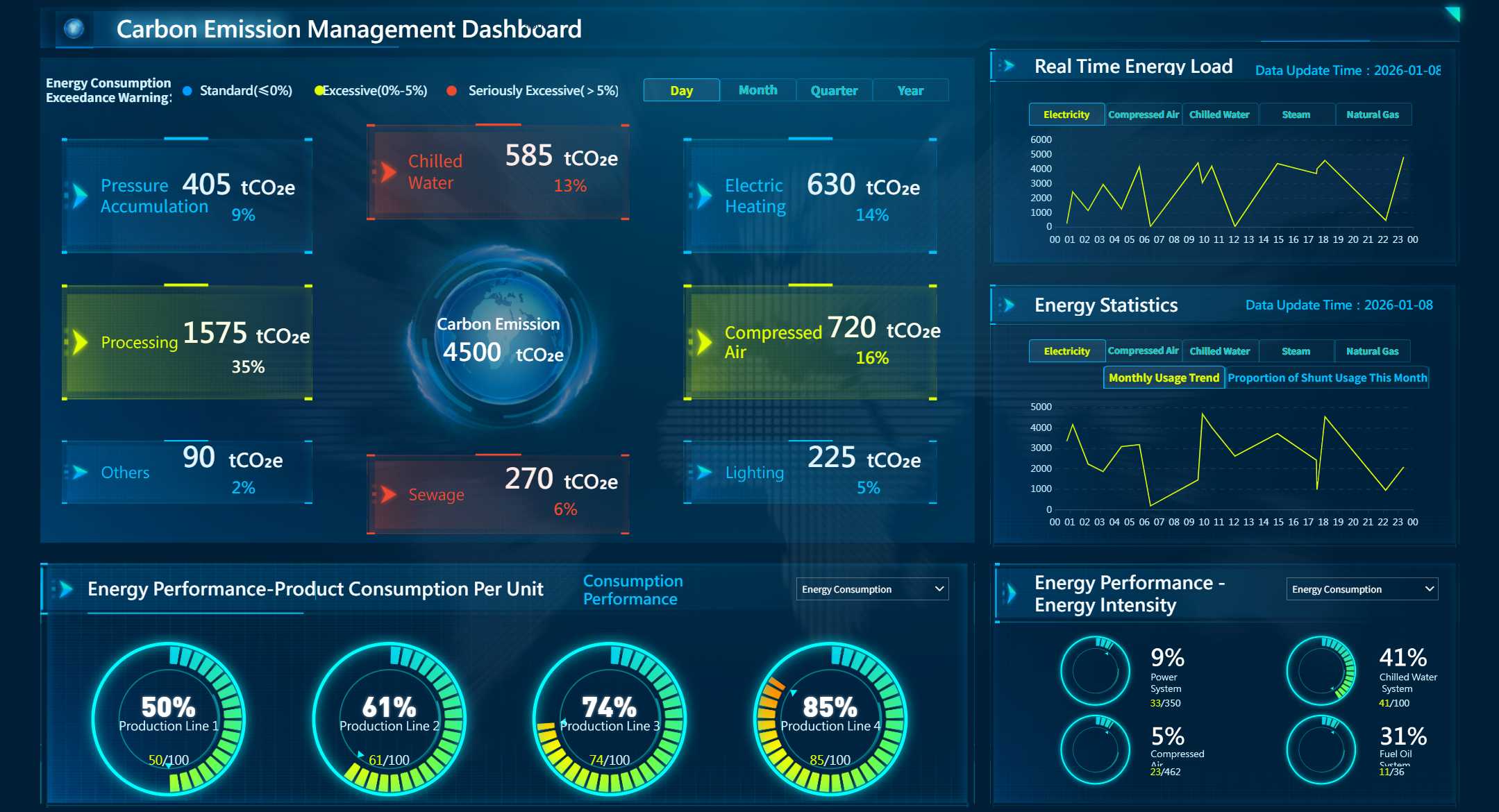
5. Use dashboards to monitor disclosure readiness, not just performance
Many teams build ESG dashboards that only show outcome metrics. That is not enough. You also need workflow visibility.
This is where reporting execution becomes manageable at scale.
Common questions about ESG reporting standards
What is ESG reporting?
ESG reporting is the disclosure of information about how a company manages environmental, social, and governance issues.
A beginner-friendly example: a retailer publishes annual data on energy use, employee turnover, workplace safety, supplier audits, and board independence. That is ESG reporting because it helps stakeholders understand both operational behavior and risk exposure.
No. Standards and regulations are connected, but they are not the same.
Standards define what and how to disclose
Regulations create legal obligations to disclose
A regulation may require a company to use a specific standard, but the standard itself is not automatically a law.
Can a company use GRI, ISSB, and SASB together?
Yes, and many companies do.
That combination can work well because each serves a different purpose:
GRI covers broader stakeholder impacts
ISSB supports investor-focused comparability
SASB adds industry-specific financial relevance
The key is to map overlaps carefully so teams do not collect the same data three different ways.
What should beginners learn first?
Start with three basics:
Purpose: Why are you reporting?
Audience: Who will use the report?
Materiality: Which issues actually matter enough to disclose?
If you understand those three points, the technical differences between standards become much easier to interpret.
How FineReport Helps Build ESG Reporting Workflows at Scale
Understanding the methodology is one thing. Operationalizing it across multiple entities, metrics, owners, and reporting cycles is another. Building this manually is complex; use FineReport to utilize ready-made templates and automate this entire workflow.
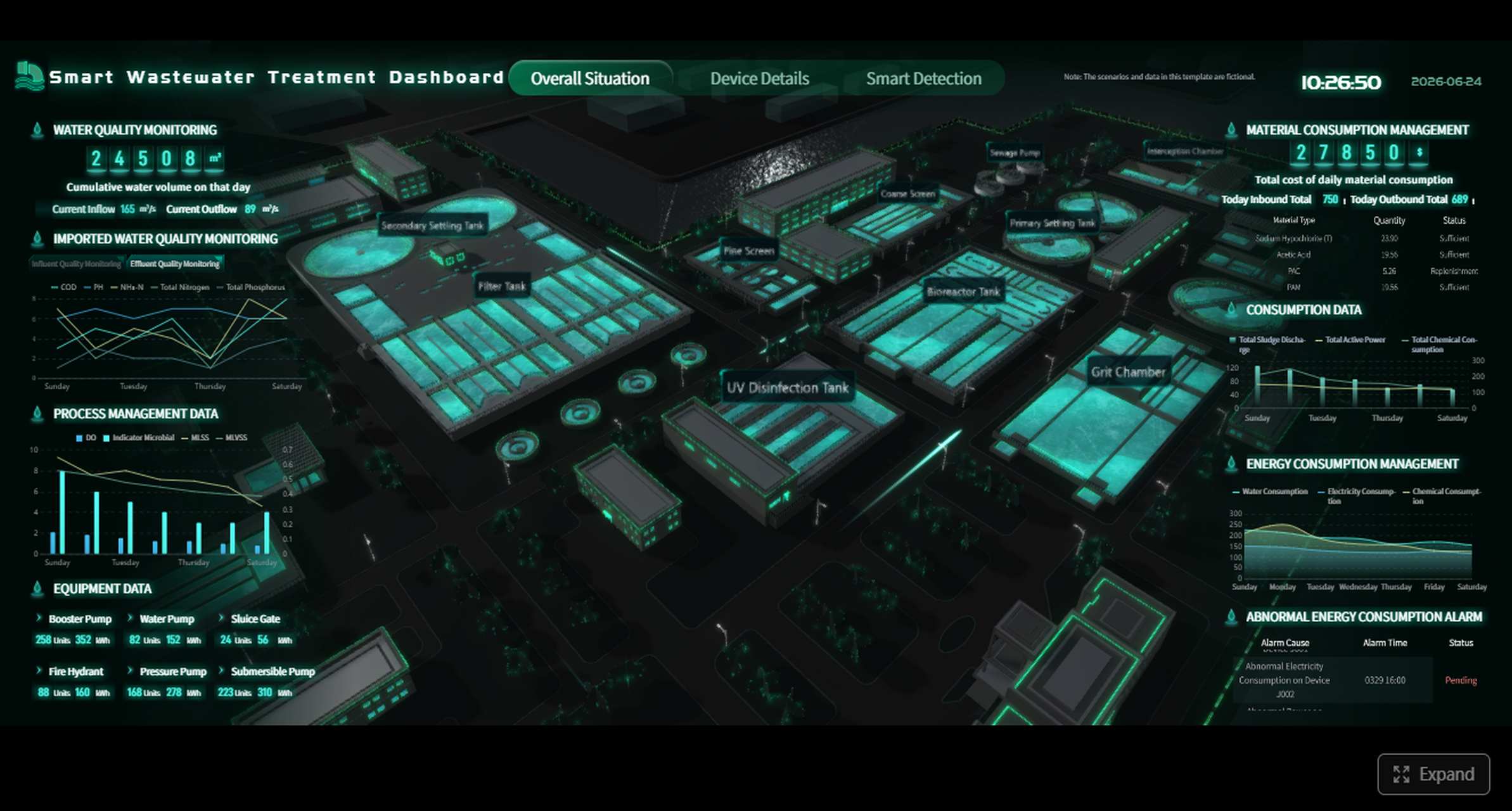
For enterprise teams, the real difficulty in esg reporting standards is not reading the guidance. It is turning fragmented ESG data into controlled, board-ready, and audit-friendly reporting outputs. FineReport helps by giving organizations a faster way to build dashboards, disclosure workflows, and management reports without stitching together manual spreadsheets across departments.
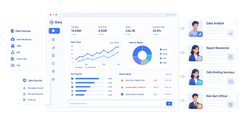
Once reporting structures are in place, the next challenge is interpretation. Teams need to ask better questions: Which entities are late? Which KPI gaps threaten submission? Which business units have the highest emissions intensity or weakest supplier screening coverage? This is where Dora can help extend the value of your ESG data environment.
Dora supports faster exploration of reporting data, operational trends, and management insights so decision-makers can move from static reporting to ongoing ESG intelligence. In practical terms, that helps executives and sustainability teams analyze risks, surface anomalies, and improve accountability between reporting cycles.
The combination is powerful:
FineReport helps build and automate the reporting workflow
Dora helps teams interpret patterns and accelerate insight generation
That is especially useful when your ESG program spans multiple standards, internal controls, and stakeholder audiences.
Final takeaway: choose the standard by purpose, then build the process for scale
For beginners, the simplest way to understand esg reporting standards is this:
Choose ISSB when investor-focused global comparability is the priority
Choose GRI when broad stakeholder impact reporting is the goal
Use SASB when you need industry-specific financially material disclosures
Most enterprise organizations will not stop at one. They will combine standards based on legal requirements, stakeholder expectations, and reporting maturity. The winning approach is not just selecting the right standard. It is creating a reporting process that is governed, repeatable, and scalable.
Building that manually across systems, entities, and reporting cycles is slow and risky. FineReport helps you replace spreadsheet-heavy ESG reporting with automated dashboards, standardized templates, and controlled disclosure workflows.
FAQs
Regulations create the legal requirement to report, frameworks help organize the reporting approach, and standards define the specific disclosures and metrics. In practice, a company may be required by regulation to report using a named standard.
ESRS is linked to EU reporting rules and uses double materiality, ISSB focuses on investor-relevant financial materiality, GRI emphasizes broader impacts on people and the environment, and SASB provides industry-specific guidance for investor-focused disclosures. They overlap in some topics but serve different reporting goals.
Materiality means deciding which ESG topics are important enough to disclose. Some standards focus on financial effects on the company, while others also consider the company’s impacts on society and the environment.
Start with the standard your regulation, investors, or major customers expect. If you are in scope for EU rules, ESRS is the priority; if not, many companies compare ISSB, GRI, and SASB based on audience, geography, and industry needs.
Yes, many companies combine standards to meet different stakeholder needs and avoid gaps in disclosure. This is common when a business wants both investor-focused reporting and broader impact reporting.
Product Trial
FineReport
Pixel-perfect reports · Interactive dashboards · Easy data entry · Digital twins


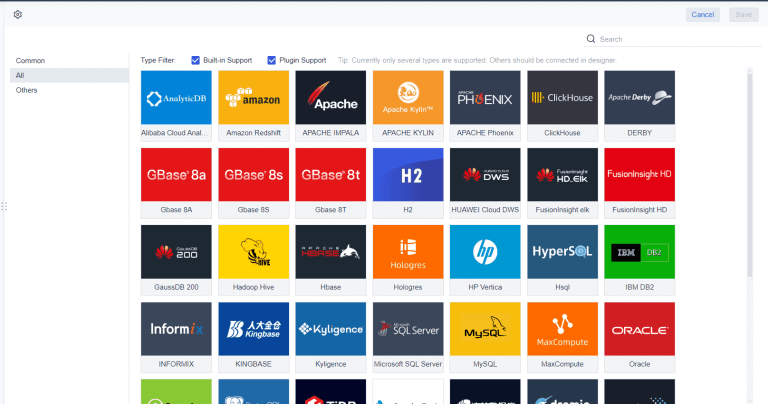 FineReport's Data Connection