Finance leaders are under pressure to connect sustainability disclosures with mainstream financial reporting in a way that is credible, decision-useful, and operationally manageable. That is why integrating SASB with financial reporting has become a practical priority, not just a reporting trend.
For many organizations, the challenge is not whether sustainability matters. It is how to identify financially material topics, collect reliable data, align reviews with finance calendars, and produce disclosures that investors can trust. The reporting need is clear: finance teams need structured reporting workflows, operational visibility, and repeatable controls. The AI upgrade is also becoming practical: with FineReport + Dora, teams can ask for a report summary in chat, generate structured narratives from trusted report assets, receive scheduled briefings, and push exceptions to the right owner.
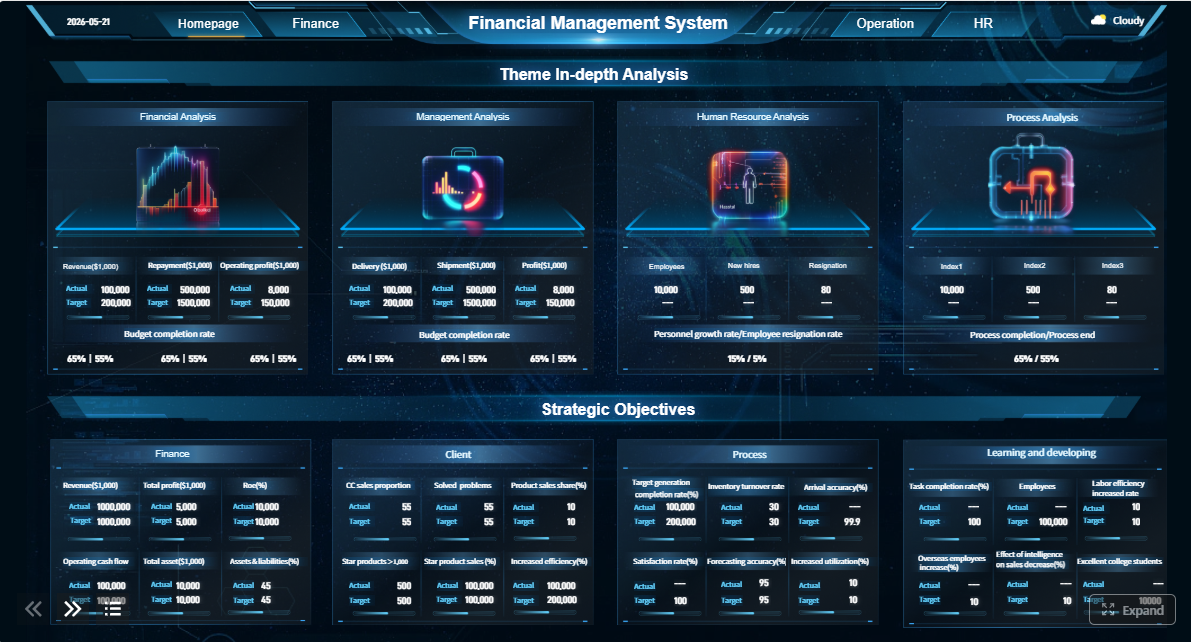
Click To Try The Dashboard
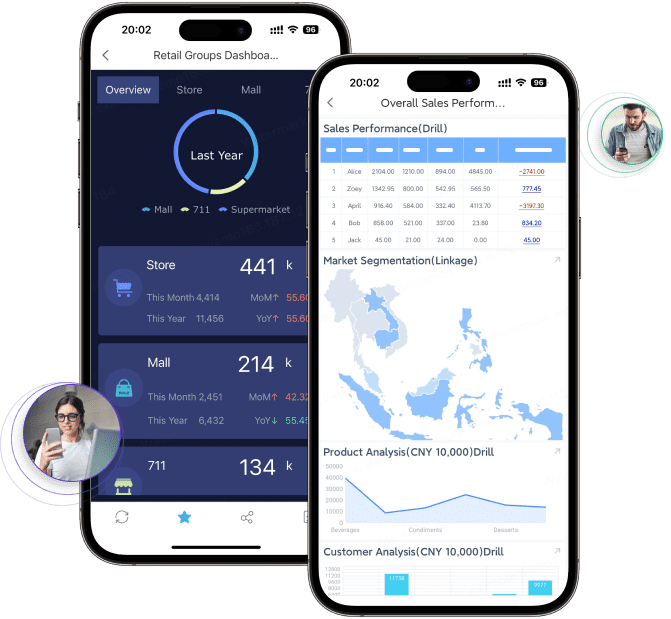
All reports in this article are built with FineReport
Why integrating SASB with financial reporting matters for finance leaders
SASB gives finance leaders a practical way to focus on sustainability topics that are most likely to affect enterprise value. Instead of treating sustainability disclosure as a separate exercise, SASB helps connect material environmental, social, and governance issues to operating performance, risk exposure, capital allocation, and investor communication.
Broad ESG reporting often covers a wide set of stakeholder interests. By contrast, SASB is designed around financial materiality. That distinction matters for finance teams. Investors, audit committees, and executives increasingly want disclosures that explain how sustainability issues influence costs, margins, demand, supply risk, compliance exposure, and long-term resilience.
For finance leaders, the benefits of integrating SASB with financial reporting are substantial:
Better investor alignment: disclosures become more relevant to valuation, risk assessment, and capital markets dialogue.
Stronger internal discipline: sustainability metrics move closer to finance-grade processes, controls, and evidence standards.
Improved management insight: leaders can assess how material sustainability issues affect financial outcomes and strategic decisions.
Higher reporting efficiency over time: repeated cycles become more standardized when metrics, owners, controls, and templates are clearly defined.
This is also where reporting technology matters. FineReport can serve as the trusted reporting foundation for SASB-aligned management reports, disclosure preparation packs, review dashboards, and cross-functional reporting workflows. Dora, as an enterprise Data Agent layered on top of these trusted assets, helps users consume reports faster through natural-language queries, structured summaries, scheduled briefings, and exception follow-up.
Assess readiness before integrating SASB with financial reporting
Before building a roadmap, finance leaders should assess whether the organization is operationally ready. A readiness review prevents teams from underestimating data ownership issues, timing conflicts, or control gaps.
Identify the business units, data owners, and reporting teams involved
SASB integration is rarely owned by finance alone. Most companies need input from operations, procurement, HR, EHS, legal, compliance, internal audit, sustainability, and investor relations.
A practical first step is to create a reporting ownership map that shows:
which business units generate source data
which teams validate or transform it
which functions review it
which leaders approve final disclosures
This matters because many SASB metrics depend on operational systems outside the finance stack. If ownership is unclear, reporting delays and data disputes are almost guaranteed.
Using FineReport, teams can build a centralized reporting cockpit that tracks metric ownership, submission status, review progress, and open issues. Dora can then support periodic briefing summaries for finance leaders, such as highlighting overdue submissions or unresolved validation items.
Review current financial reporting workflows, controls, and disclosure calendars
The next step is to understand how sustainability metrics can fit into existing finance routines rather than creating an entirely separate reporting process.
Review the current state of:
monthly and quarterly close timelines
consolidation deadlines
management review checkpoints
disclosure committee meetings
filing and publication calendars
evidence retention procedures
internal control and sign-off workflows
This review reveals where SASB-related work should be inserted. For example, some metrics may need to be collected before close, while others may need review during disclosure drafting.
From an enterprise execution standpoint, this is where standard reporting workflows become essential. FineReport can support formatted reports, management reports, data entry workflows, and status dashboards. Dora can help by delivering scheduled briefing summaries so finance leaders know where reporting readiness stands before critical deadlines.
Map existing sustainability metrics to financially material SASB topics
Many companies already track sustainability data. The issue is whether those metrics align with SASB topics that are financially material for the industry.
A practical mapping exercise should answer:
Which currently tracked metrics correspond to SASB disclosure topics?
Which metrics need refinement to match SASB definitions?
Which material topics are not yet measured consistently?
Which metrics can be tied to risks, operational outcomes, or financial impacts?
This mapping helps avoid duplicate reporting and identifies where the business needs new data collection or clearer definitions.
Define governance, executive sponsorship, and decision rights early
Governance should be established before reporting work intensifies. Finance leaders should define:
executive sponsor and steering group
disclosure owners by topic
approval authority for methodologies
escalation paths for disputes or data gaps
sign-off expectations before publication
Without governance, even well-designed reporting processes can stall. Strong decision rights also support audit readiness, especially when methodologies evolve.
Once readiness is assessed, finance leaders should develop a roadmap that is realistic, staged, and tied to reporting cycles. The goal is not to perfect everything at once. The goal is to land a controlled and repeatable process.
Prioritize SASB topics based on industry relevance and financial materiality
Not every sustainability issue belongs in mainstream financial reporting. Finance teams should prioritize based on two filters:
Industry relevance: which SASB topics are most relevant for the company’s sector
Financial materiality: which issues could reasonably influence performance, cash flow, cost structure, capital access, or enterprise risk
This prioritization creates focus and helps direct resources toward disclosures that matter most to investors and management.
Below is a practical KPI and report element framework for finance leaders.
Core SASB integration report elements
Material topic register: A list of prioritized SASB topics and why they matter. Business value: Creates alignment on disclosure scope and reduces debate late in the reporting cycle. AI use:Dora can summarize topic prioritization logic, explain why a topic is included, and prepare a structured management briefing.
Metric definition library: Standard definitions, formulas, boundaries, assumptions, and source systems for each metric. Business value: Reduces inconsistency and supports repeatable reporting across business units. AI use:Dora can answer chat-based questions about KPI definitions and reference the approved reporting template from FineReport.
Ownership and workflow matrix: Named data owners, reviewers, approvers, and due dates by metric. Business value: Improves accountability and keeps reporting on schedule. AI use:Dora can flag overdue items, push reminders, and summarize workflow bottlenecks for finance leaders.
Control and evidence checklist: Required validations, documentation, and retained support for each disclosed metric. Business value: Strengthens audit readiness and reduces disclosure risk. AI use:Dora can include missing evidence alerts in a periodic exception summary.
Disclosure narrative pack: Draft language linking SASB metrics to business model, risk, strategy, and financial performance. Business value: Helps turn raw data into investor-relevant disclosure. AI use:Dora can generate a structured report summary and chart explanation using approved report assets and templates.
Set reporting boundaries, methodologies, and documentation standards
Finance leaders should define boundaries early so that data is comparable and explainable. This includes:
legal entity coverage
operational scope
time periods
estimation approaches
normalization methods
exclusions and assumptions
restatement rules
Documentation standards should also be formalized. If methodologies are not written down, future reporting cycles become unstable, especially when staff roles change.
FineReport can help standardize these templates and documentation views across teams. That becomes particularly valuable when finance needs a single source of trusted reporting outputs for management review.
Create a timeline that aligns data collection, review, and filing deadlines
A good roadmap respects reporting reality. SASB integration should be designed around actual deadlines, not idealized workflows.
Build a timeline that includes:
source data collection windows
validation and reconciliation
business owner review
finance review
legal and disclosure review
executive approval
filing or publication milestones
This is where many teams benefit from an operational cockpit. FineReport can provide status indicators, task progress, review queues, and exception lists in one place. Dora can then function as a Daily Briefing Secretary, pushing scheduled updates such as what is complete, what is overdue, and which issues need escalation.
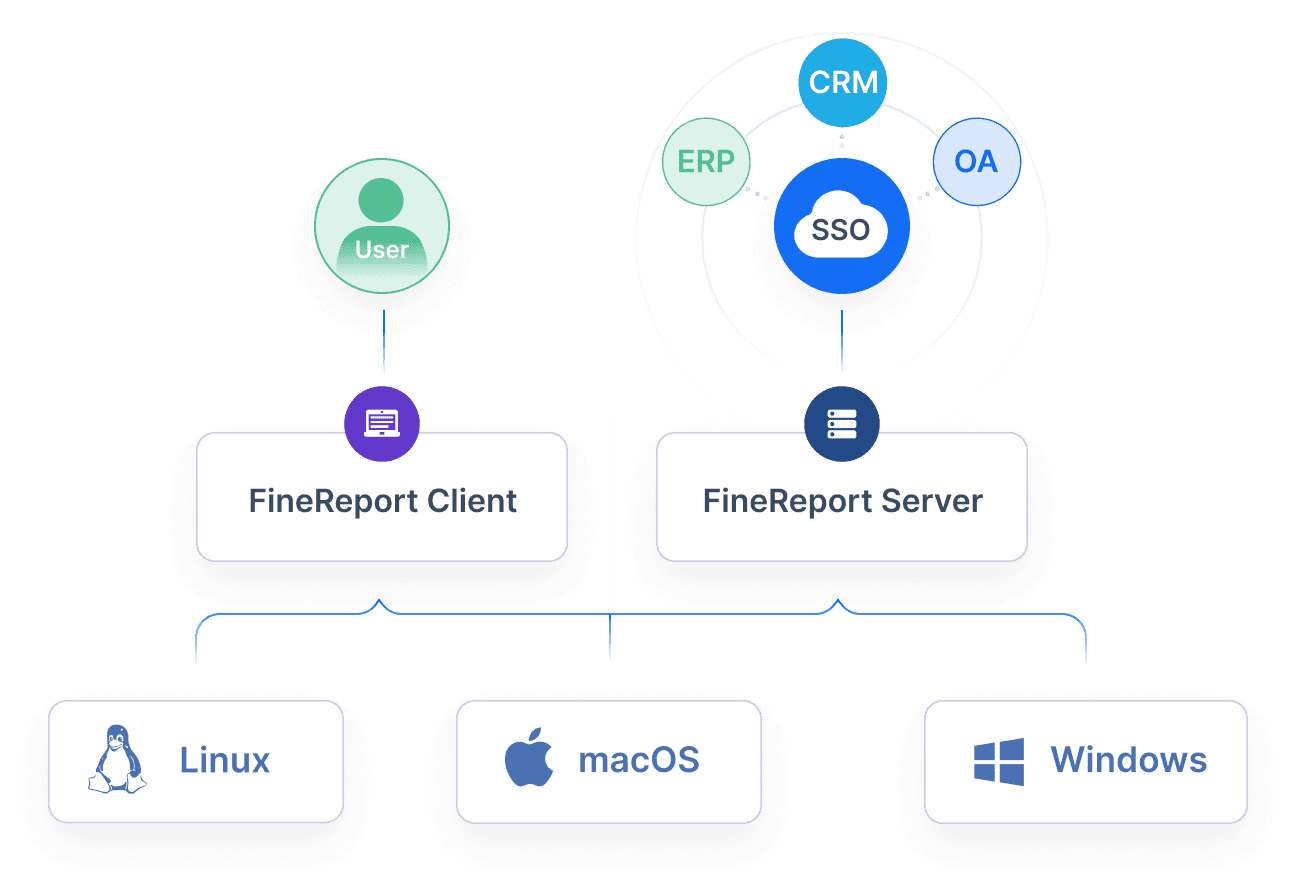
Select systems and templates that support consistent, audit-ready reporting
System choice affects whether the process can scale. Finance leaders should look for:
This is also where enterprises should think beyond static reporting. FineReport provides the reporting foundation, while Dora adds an AI assistant layer that makes those reporting assets easier to query, summarize, monitor, and act on.
aligning disclosure drafting with consolidation outputs
The goal is to reduce manual chasing and last-minute compilation. FineReport supports this through enterprise reporting automation, data entry workflows, and management reports that align sustainability metrics with financial views.
Strengthen internal controls, review procedures, and evidence retention
If a SASB metric is financially material, it should be treated with appropriate reporting discipline. That means finance leaders should strengthen:
validation rules
reviewer checkpoints
exception handling
evidence storage
version control
approval records
Control design does not need to mirror every financial close control exactly, but it should be proportionate to disclosure risk and stakeholder reliance.
From a reporting system perspective, controlled templates and workflow-based reporting are far more sustainable than spreadsheet-only processes. FineReport helps standardize this foundation. Dora can monitor exception conditions and summarize control-related issues for responsible owners.
Coordinate cross-functional reviews among finance, legal, sustainability, and investor relations
SASB disclosures often sit at the intersection of data, disclosure judgment, and market messaging. Finance should coordinate structured reviews across functions to ensure:
metrics are accurate
methodologies are understandable
legal wording is appropriate
disclosures align with investor expectations
risk and performance narratives are coherent
Cross-functional review is one of the strongest use cases for operational reporting cockpits and AI-assisted report consumption. Decision-makers often do not need raw datasets; they need timely summaries, comparison views, issue lists, and follow-up clarity.
Draft clear disclosures that connect metrics, risks, and financial performance
Strong SASB-aligned reporting goes beyond listing metrics. It explains:
why the topic matters
what the metric shows
how performance is changing
what business risks or opportunities are involved
how it may affect operations or financial outcomes
This is where narrative consistency matters. A disclosure that reports a metric without explaining business relevance is less useful than one that links trends to strategy, risk exposure, cost structure, or resilience.
Finance leaders do not just need better reports. They need a faster way to consume, review, summarize, and follow up on SASB-related reporting outputs. That is where Dora adds enterprise value.
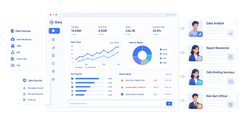
Dora is not a generic chatbot. It is an enterprise Data Agent and AI assistant layer on top of trusted reporting assets. In this scenario, the most relevant digital employee is often a combination of:
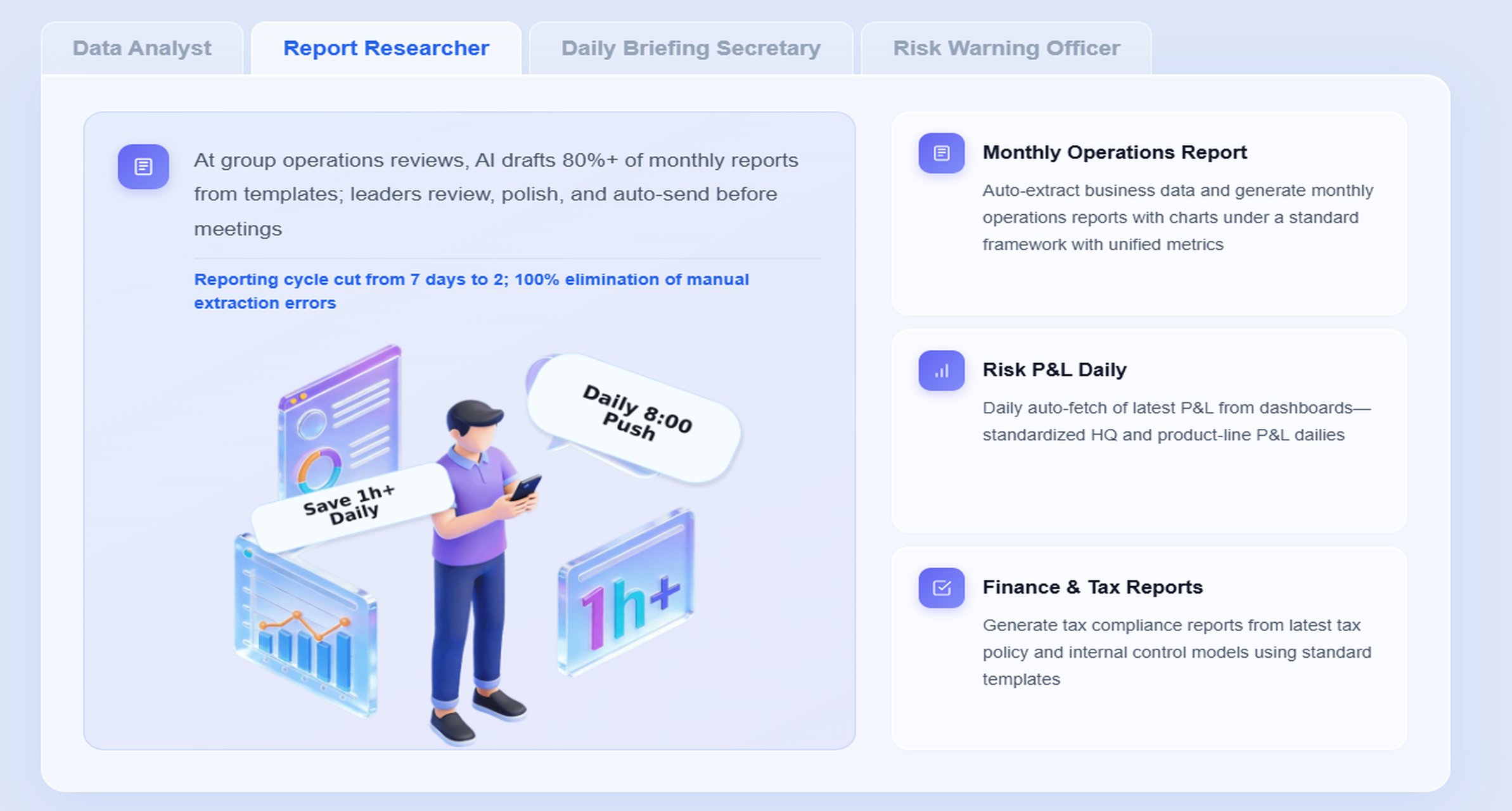
Report Researcher for structured report generation and narrative support
Daily Briefing Secretary for scheduled disclosure status summaries
Risk Alert Officer for exception monitoring and owner notification
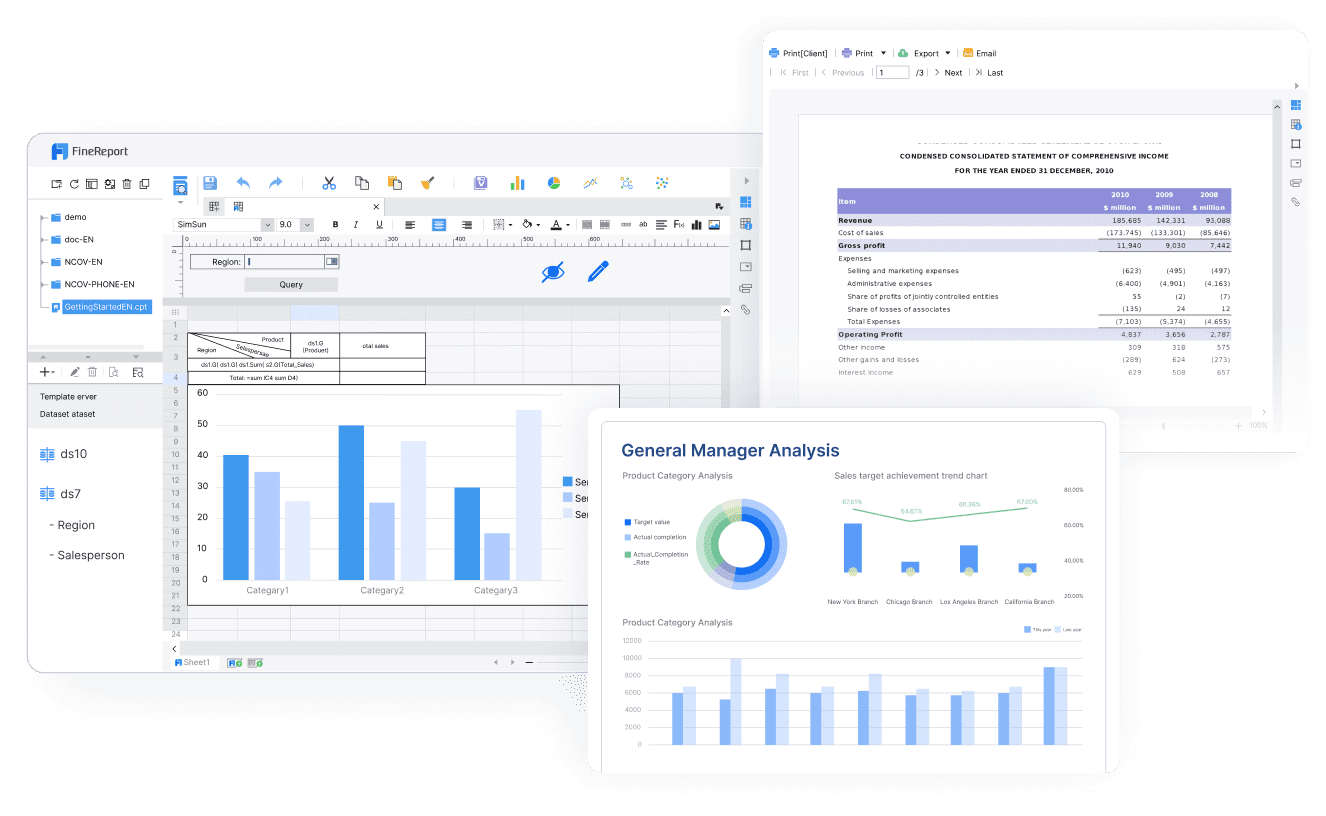
FineReport provides the trusted foundation: formatted reports, operational cockpits, KPI definitions, workflow templates, semantic rules, role-based access, and governed report outputs. Dora then makes those assets easier to use through chat-based interaction, summaries, alerts, pushes, and follow-up.
A finance leader might ask:
“Summarize the latest SASB reporting status, highlight metrics with missing evidence or unusual variance, and list the business owners who need follow-up before disclosure review.”
A practical Dora workflow in this scenario looks like this:
Retrieve trusted FineReport reporting assets such as the SASB status cockpit, metric review report, exception list, and disclosure preparation pack.
Understand semantic rules and KPI definitions including metric formulas, ownership assignments, reporting boundaries, thresholds, and business terms approved by finance.
Generate a structured report summary through chat with chart explanations, missing-item highlights, and management-ready narrative.
Detect exceptions and overdue actions such as missing evidence, threshold breaches, incomplete approvals, inconsistent values, or late submissions.
Push alerts and follow-up tasks to responsible users through scheduled briefings or exception notifications.
Create periodic summary records for disclosure committee prep, management review, or post-cycle lessons learned.
This AI workflow matters because report consumption is often the hidden bottleneck. Teams may already have data and reports, but executives and finance managers still spend time searching for the right version, interpreting variances, asking analysts for summaries, and manually chasing unresolved issues.
Natural-language query over trusted reporting assets: users can ask questions without navigating multiple reports manually.
Chart-based answer and structured report summary:Dora can explain what changed, why it matters, and where to look next.
Scheduled daily or weekly briefing: finance leaders can receive periodic updates before close, committee meetings, or filing deadlines.
Exception push and follow-up: responsible owners can be notified when evidence is missing, controls fail, or metrics breach predefined thresholds.
Skills-based execution: more controllable and auditable than raw prompt-only workflows because outputs are grounded in governed assets and defined processes.
This approach also has stronger enterprise fit than feature-only agent comparisons. In reporting scenarios, success depends less on flashy conversation and more on permissions, semantic rules, KPI governance, report templates, workflow stability, and data quality. Dora is designed for that practical landing path.
For executives, the value is concrete: Dora is not an AI experiment. It is a landed AI digital employee for recurring reporting work such as disclosure status summaries, management briefings, variance explanation, issue escalation, and owner follow-up.
For IT teams, the role shifts from manually building every summary request to optimizing data connections, semantic layers, report templates, governance, and reusable Skills.
For business users and finance managers, the benefit is timely answers without waiting for analysts to manually interpret every report.
Even well-planned SASB integration efforts face operational friction. The goal is not to eliminate every issue immediately, but to create a system that gets stronger each cycle.
Resolve data quality gaps, inconsistent definitions, and ownership issues
Common issues include:
duplicate or conflicting source data
undefined business terms
inconsistent reporting boundaries
local workarounds outside standard process
weak accountability for metric submission or review
Finance leaders should treat data quality as part of the reporting and AI implementation, not a separate clean-up exercise. If definitions and ownership are unstable, both disclosure quality and AI summary quality will suffer.
FineReport helps by standardizing report templates and metric presentation. Dora helps by surfacing inconsistencies, summarizing missing items, and making ownership gaps visible through scheduled exception reporting.
Manage assurance, audit readiness, and evolving stakeholder expectations
As sustainability reporting matures, expectations around evidence, traceability, and assurance continue to rise. Finance leaders should plan for:
retained support for reported values
documented methodologies
control evidence
change logs
review records
explainable calculation logic
This does not mean overengineering every metric from day one, but it does mean building toward audit-ready discipline.
Use post-reporting reviews to refine metrics, controls, and governance
After each cycle, conduct a post-mortem focused on:
which metrics caused delays
where reviews broke down
which controls added value
which assumptions created repeated debate
which owners needed clearer responsibilities
where management wanted better analysis
These reviews should feed directly into the next reporting cycle. Over time, this creates a stronger integration model with less rework and more confidence.
To make integrating SASB with financial reporting workable in a real enterprise, finance leaders should focus on a few high-impact practices.
1. Start with high-value recurring disclosures
Do not try to automate every sustainability metric at once. Start with the most financially material SASB topics and the reports that recur each cycle. This creates a manageable scope and a clearer business case.
2. Standardize KPI definitions, templates, and exception rules
This is critical for both reporting quality and AI usefulness. If metric definitions, chart logic, or thresholds are inconsistent, summaries will be inconsistent too. FineReport provides the structured reporting foundation needed to govern templates and KPI presentation.
3. Build a semantic layer inside the reporting workflow
AI output quality depends on governed business meaning. Define terms, formulas, ownership logic, reporting boundaries, and status categories so Dora can interpret reports correctly and provide more reliable chart-based answers and structured summaries.
4. Preserve permissions and review controls when adding AI
AI should respect the same access boundaries as enterprise reporting. Dora works best when it inherits governed access to trusted report assets rather than bypassing controls. Use human review for AI-generated report narratives, especially in early phases.
5. Define alert thresholds, ownership rules, and escalation paths
AI value becomes tangible when it can trigger timely action. Decide in advance what counts as an exception, who should be notified, when escalation should occur, and how follow-up should be recorded. This is where digital employees such as the Risk Alert Officer and Daily Briefing Secretary become highly practical.
Building this manually is complex. FineReport helps teams standardize trusted reports, operational cockpits, templates, and reporting workflows. Dora turns those assets into an AI assistant that can answer report questions in chat, generate structured summaries, push scheduled briefings, monitor exceptions, and follow up with responsible owners.
For SASB integration, that means enterprises can build a more practical workflow across:
material topic reporting dashboards
metric ownership and submission tracking
review and evidence status management
management narrative preparation
exception alerts and follow-up
scheduled disclosure readiness briefings
FineReport + Dora is not only a reporting upgrade; it is a practical fourth-generation Agentic BI path. FineReport provides governed reports and operational cockpits. Dora provides the AI assistant layer for scenario execution, with more controlled Skills, lower token waste, faster execution paths, and more stable workflows than prompt-only agents.
Get Ready-to-Use Dashboard Templates in Fine Gallery
The strongest Dora pitch is scenario + product + service: FineReport provides the trusted reporting foundation, Dora provides the AI digital employee, and implementation service connects data, governance, semantic setup, Skills, report templates, permissions, and rollout.
For finance leaders, that combination matters. It turns SASB integration from a fragmented coordination effort into a more governed reporting process with better visibility, stronger follow-up, and more efficient report consumption.
It means linking financially material sustainability topics to the same reporting processes, controls, and review cycles used for mainstream financial reporting. The goal is to produce disclosures that investors can rely on and management can use for decisions.
SASB helps finance teams focus on sustainability issues that are most likely to affect enterprise value, risk, and performance. This makes disclosures more relevant to investors and easier to connect to business outcomes.
Start by mapping data owners, business units, review roles, and approval responsibilities across the organization. Then compare existing reporting calendars, controls, and evidence processes to the needs of SASB-related metrics.
Common challenges include unclear metric ownership, inconsistent source data, timing conflicts with the financial close, and weak validation controls. These issues can slow reporting and reduce confidence in disclosures.
FineReport can centralize dashboards, workflows, status tracking, and disclosure preparation using trusted report assets. Dora can help users query reports in natural language, generate summaries, and send scheduled briefings or exception alerts.
Product Trial
FineReport
Pixel-perfect reports · Interactive dashboards · Easy data entry · Digital twins