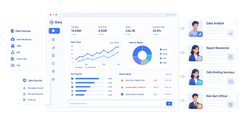
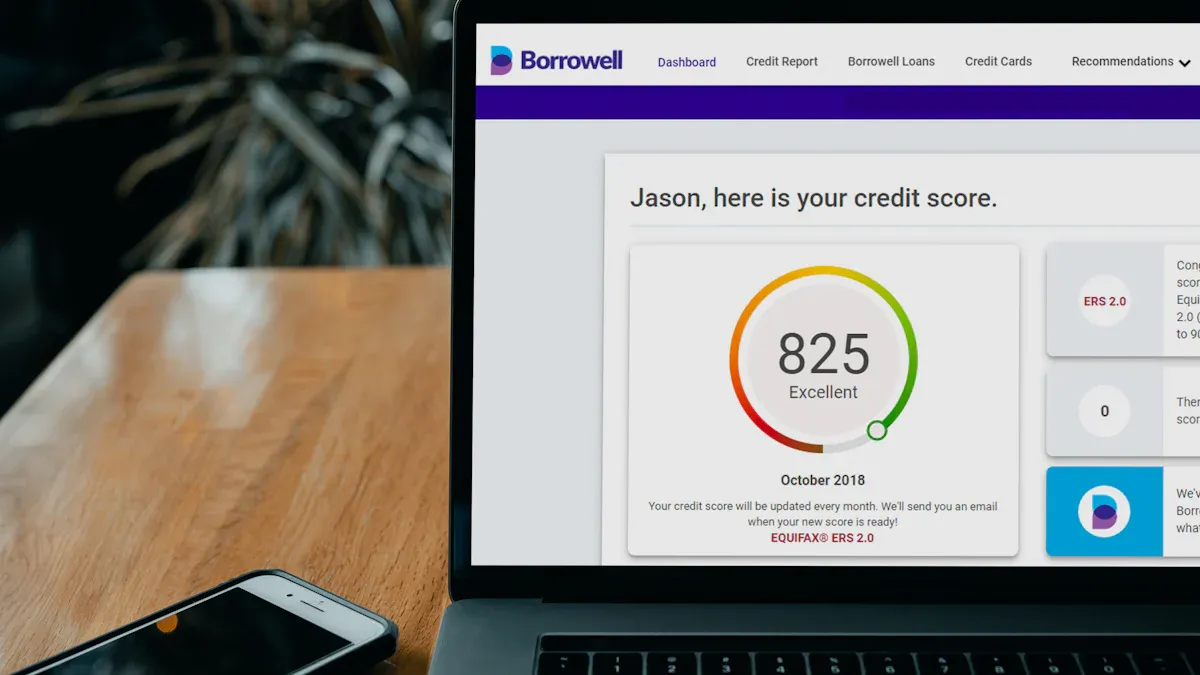
Revenue reporting software helps finance teams track, analyze, and distribute revenue data across monthly close, forecasting, board reporting, and audit preparation. If you are searching for revenue reporting software, you are likely trying to solve one of these problems:
Revenue data lives across ERP, CRM, billing, and spreadsheets
Monthly reporting takes too long and is hard to trust
Deferred and recognized revenue are difficult to reconcile
Audit trails and approval controls are weak
Dashboards exist, but finance still lacks structured, recurring reports
For finance leaders, controllers, RevOps teams, and SaaS operators, the right tool is not just about charts. It is about reporting depth, compliance support, automation, and operational reliability.
Clear revenue visibility: Show recognized, deferred, billed, and forecasted revenue in one view.
Reliable drill-down: Let finance teams trace summary numbers back to contracts, customers, products, or entities.
Compliance support: Support reporting aligned with ASC 606 and IFRS 15 workflows, audit trails, and controls.
Flexible report design: Provide both dashboards and structured finance reports for board packs, close, and audit review.
Automation: Schedule recurring reports, refresh data automatically, and reduce spreadsheet handoffs.
Integration readiness: Connect with ERP, CRM, billing, and subscription systems to reduce reconciliation effort.
Best Revenue Reporting Software for Finance Teams in 2026
Finance teams evaluating revenue reporting software usually care about four things: reporting depth, compliance readiness, integrations, and automation. That is exactly how this comparison is structured.
What finance teams need from modern revenue reporting software
These are not all direct substitutes. Some are broader ERP or billing platforms. Others are stronger in revenue recognition. FineReport is different in that it focuses on enterprise reporting and operational reporting workflows, which matters when finance teams need better report output and distribution across systems.
What Is Revenue Reporting and Why It Matters for Finance Teams
Revenue reporting is the process of documenting, analyzing, and presenting revenue performance across a period. It helps finance teams understand what was earned, what is deferred, how performance is trending, and whether reported numbers are supportable during close and audit review.
Core functions of revenue reporting in forecasting, close, and audit readiness
Audit readiness: maintaining traceability, approvals, and support for revenue balances
Operational decision-making: spotting renewal risks, product trends, or segment changes
In many companies, revenue reporting is where accounting, billing, sales operations, and FP&A intersect.
The difference between revenue reporting, revenue recognition, and broader revenue management
These terms are related, but not identical:
Revenue reporting is about presenting and analyzing revenue data
Revenue recognition is the accounting process of recording revenue when it is earned under applicable standards
Revenue management is broader and can include pricing, billing, contracts, subscriptions, collections, and forecasting
A finance team may need all three. But not every organization needs a full revenue lifecycle platform. Some mainly need better reporting across existing systems.
Common pain points with spreadsheets and disconnected systems
Finance teams often outgrow spreadsheet-based revenue reporting because:
Different systems produce inconsistent numbers
Manual exports slow down monthly close
Drill-back to source transactions is limited
Version control becomes difficult
Recurring reports must be rebuilt every month
Audit support requires too much manual evidence gathering
That is why many teams look for software that combines automation, governance, and better report delivery.
How We Compared the 7 Tools
Reporting depth and analytics
Strong revenue reporting software should do more than display a single dashboard. Finance teams often need:
Revenue waterfalls and rollforwards
Segment reporting by customer, product, or region
Drill-down to invoice, contract, or journal detail
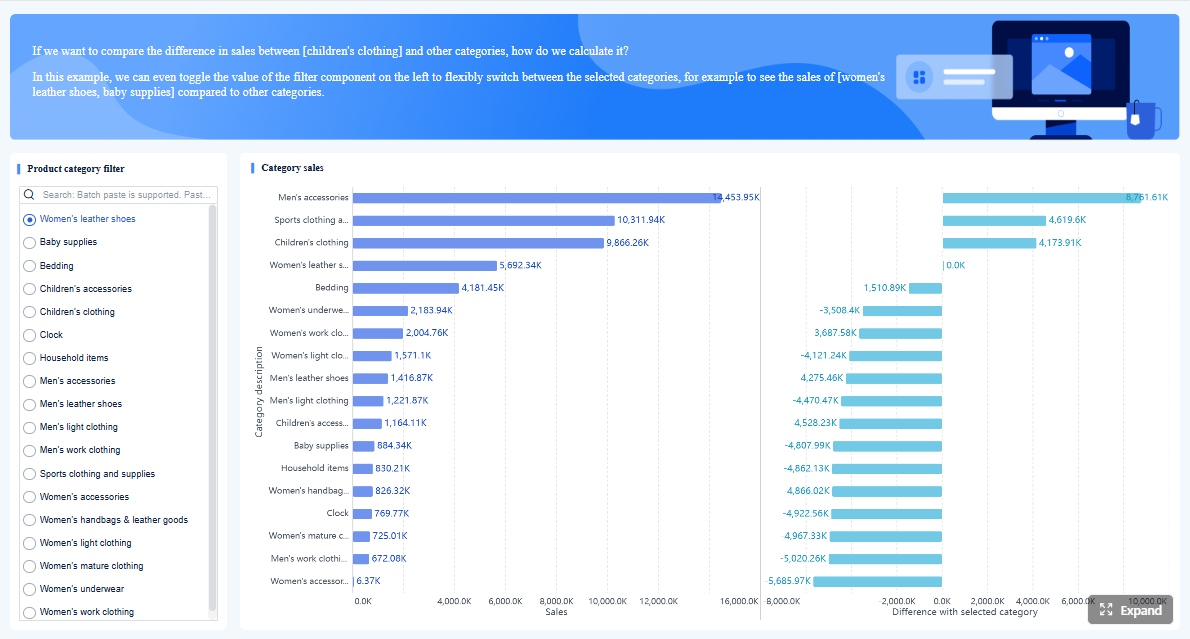
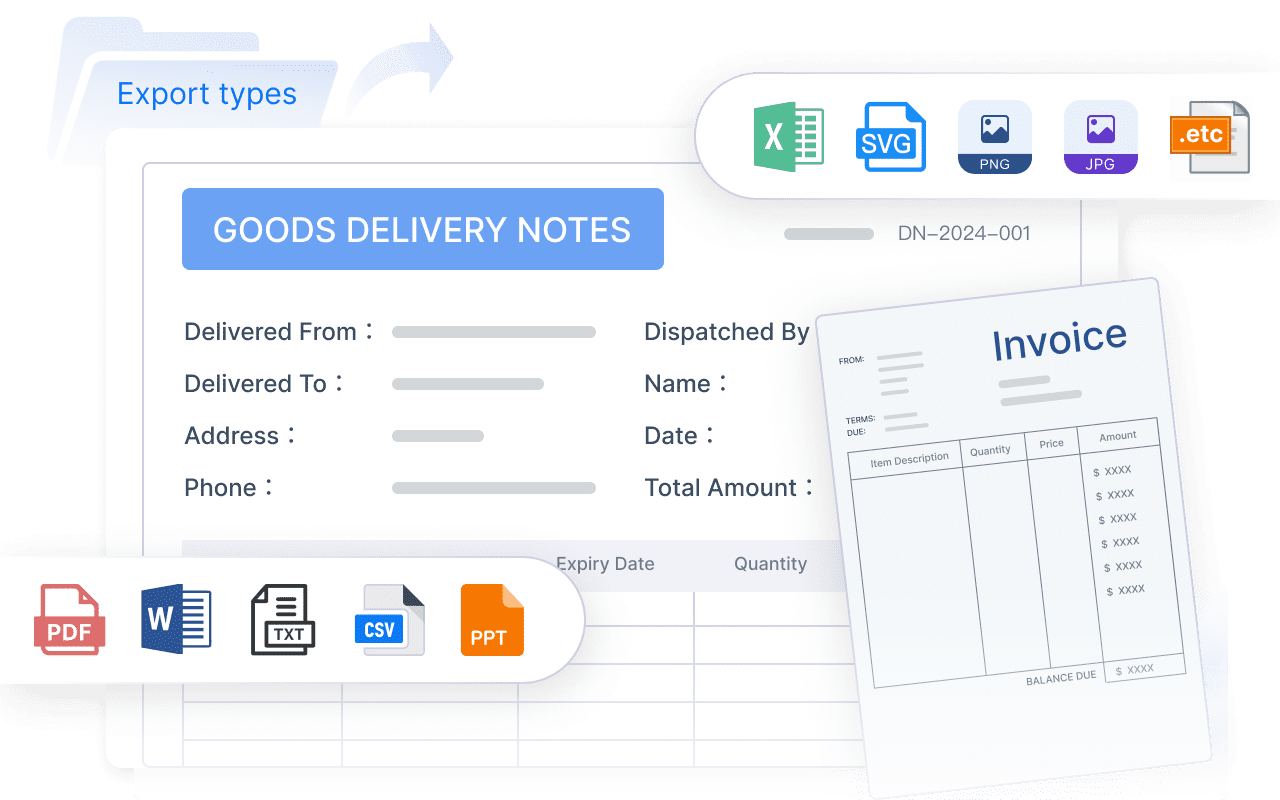
Export flexibility for Excel, PDF, and stakeholder packs
Dashboards for leadership plus formatted reports for accounting and audit use
Some tools excel at subscription metrics. Others are stronger at formal financial reporting. FineReport is particularly relevant where teams need highly formatted, pixel-perfect, and paginated reporting in addition to dashboard views.
Compliance and revenue recognition support
For companies handling deferred revenue, subscription contracts, bundled offerings, or usage-based billing, compliance support matters. Key areas include:
ASC 606 and IFRS 15 alignment
Audit trails
Approval and workflow controls
Revenue schedule transparency
Support for recognized vs deferred reporting
A reporting platform is not automatically a recognition engine. That distinction matters. Tools like Maxio, Zuora, NetSuite, and Workday are often evaluated for recognition workflows. FineReport is more relevant when a company already has finance systems in place but needs better reporting, workflow visibility, and distribution.
Automation, integrations, and scalability
The most useful finance tools reduce manual work. Important evaluation points include:
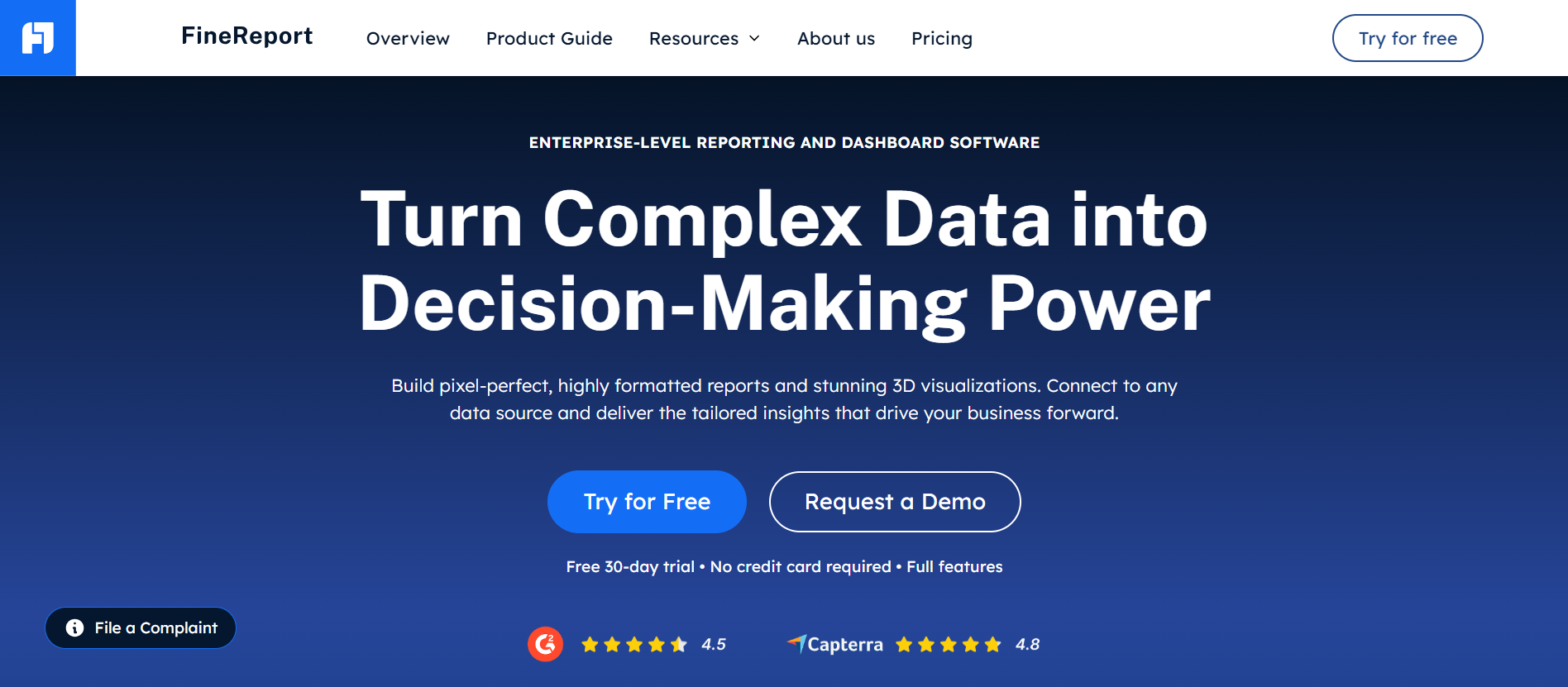
FineReport is an enterprise reporting and dashboard platform designed for teams that need more than visual analytics. It is especially useful when finance departments require:
Parameter queries for period, entity, region, or product
Scheduled report distribution
Dashboard and detailed report integration
Data entry forms and workflow-based reporting scenarios
This makes it relevant for revenue reporting when finance data comes from ERP, CRM, billing, and operational systems but the reporting layer is fragmented.
Where it stands out
Flexible report design for finance-ready layouts
Strong support for recurring, scheduled, and printable reporting
Can combine dashboards with drill-down structured reports
Trade-offs
Not a native revenue recognition engine
Requires planning around data model and system integration
Best fit when teams need a dedicated reporting layer rather than an all-in-one billing platform
2. Maxio
Maxio is widely associated with B2B SaaS billing, subscription operations, and revenue recognition. It is a common fit for SaaS finance teams dealing with recurring revenue, contract changes, and revenue schedules.
Where it stands out
Strong alignment with SaaS revenue recognition workflows
Useful subscription and metrics reporting
Supports visibility into customer, contract, and transaction-level revenue detail
Trade-offs
More specialized toward subscription businesses
Reporting needs outside SaaS finance may require additional tooling
Implementation depth may vary based on billing and contract complexity
3. NetSuite Revenue Management
NetSuite Revenue Management is a common choice for businesses already operating on NetSuite ERP. It supports revenue recognition workflows within a broader financial management environment.
Where it stands out
Embedded within a widely used ERP ecosystem
Useful for multi-subsidiary and multi-standard environments
Good fit where finance wants revenue processes close to the general ledger
Trade-offs
Often strongest for existing NetSuite users
Can require module investment and implementation effort
Report formatting flexibility may not meet every board or operational reporting need without customization
4. Sage Intacct
Sage Intacct is often chosen by finance teams seeking stronger accounting automation and revenue handling than basic accounting tools can provide.
Where it stands out
Recognized for finance-focused workflows
Supports compliance-oriented processes and reporting controls
Helpful for teams trying to speed up close and reduce manual work
Trade-offs
May still require complementary reporting layers for highly customized output
Best fit depends on accounting environment and entity complexity
5. Workday Revenue Management
Workday Revenue Management serves larger organizations managing the revenue lifecycle in a broad enterprise framework.
Where it stands out
Built for complex enterprise finance environments
Supports revenue lifecycle visibility across contracts, billing, and recognition
Strong fit for global and multi-entity organizations
Trade-offs
More complex than smaller teams may need
Implementation and ownership usually require broader enterprise alignment
6. Zuora
Zuora is well known in subscription billing and recurring revenue operations. It is often evaluated by companies with evolving billing models and high transaction volume.
Where it stands out
Strong for subscription and recurring billing scenarios
Supports recognition workflows tied to billing complexity
Useful for businesses with contract modifications and usage pricing
Trade-offs
Broader scope can increase implementation complexity
Organizations focused primarily on finance reporting may need to assess whether they need the full platform breadth
7. BillingPlatform
BillingPlatform is built for complex monetization and billing environments, with revenue recognition capabilities and reporting visibility tied closely to billing operations.
Where it stands out
Strong for sophisticated pricing, billing, and recognition scenarios
Relevant for enterprises managing varied revenue streams
Supports rollforward and waterfall-style reporting needs
Trade-offs
Can be more than a finance team needs if the main problem is reporting output
Better suited to organizations with advanced billing transformation initiatives
Best choices by company stage and use case
For startups and smaller finance teams
Sage Intacct may be a practical fit if finance wants stronger accounting workflows
Maxio can be suitable for B2B SaaS with recurring revenue complexity
For mid-market finance teams
NetSuite Revenue Management is a common option for scaling ERP-centric organizations
FineReport is a strong fit when the issue is fragmented reporting across multiple systems
For enterprise finance teams
Workday and BillingPlatform fit broader lifecycle and enterprise complexity
In many organizations, the best answer is a combination: a recognition system for accounting logic, plus a reporting platform for enterprise-wide output.
Practical Recommendations for Finance Teams
Map your current reporting workflow before evaluating tools. Know which reports are manual, who owns them, and where data breaks.
Separate accounting logic from reporting presentation. A tool may be excellent at revenue recognition but weak at executive reporting, or vice versa.
Test one real close-cycle report during the trial. Do not rely on generic demos.
Evaluate scheduled distribution early. Finance teams save substantial time when recurring reports no longer depend on manual exports.
Plan for cross-functional visibility. Revenue data is used by finance, RevOps, management, and audit stakeholders, so governance matters.
Final Verdict: Which Revenue Reporting Software Is Best in 2026?
There is no single answer for every finance team. The best choice depends on whether your core challenge is compliance logic, subscription complexity, or reporting execution.
Best overall option
For teams that need strong enterprise reporting across finance systems, FineReport is a compelling option. It is especially useful when finance needs structured reports, printable outputs, parameterized queries, and recurring report delivery on top of existing ERP or billing data.
Best for compliance-heavy teams
NetSuite Revenue Management, Sage Intacct, and Workday are all relevant for compliance-oriented finance environments, especially when revenue recognition must stay close to core financial operations.
Best for automation and fast-growing SaaS businesses
Maxio and Zuora stand out for subscription and recurring revenue environments where contract changes, billing complexity, and recognition automation are central.
Best value for smaller finance teams
Sage Intacct may be a sensible path for smaller or growing teams that need stronger financial controls without moving immediately into a broader enterprise stack.
When FineReport Is a Good Fit for Revenue Reporting
Tools like Maxio, Zuora, NetSuite, and Workday are widely used for billing, ERP, and revenue recognition workflows, but teams with complex reporting needs may also need a dedicated enterprise reporting platform like FineReport.
FineReport is a good fit when your finance team needs to:
Build pixel-perfect monthly and quarterly revenue reports
Add parameter queries for entity, product, period, or customer views
Combine dashboards and detailed reports in one reporting environment
Automate scheduled distribution across finance and leadership teams
Support data entry or approval workflows tied to finance operations
Standardize revenue reporting across subsidiaries, departments, or regions
That matters because many finance teams do not struggle with raw data alone. They struggle with the last mile: turning revenue data into consistent, governed, reusable reports.
Get Ready-to-Use Dashboard and Report Templates in Fine Gallery
If your organization already has revenue data in place but still relies on spreadsheet stitching, manual exports, and inconsistent report formats, FineReport can help close that gap with a more reliable enterprise reporting layer.
Revenue reporting software focuses on analyzing, presenting, and distributing revenue data, while revenue recognition software centers on applying accounting rules to determine when revenue is earned. Some platforms combine both, but many finance teams choose based on whether their bigger need is compliance automation or better cross-system reporting.
Finance teams should look for drill-down reporting, deferred and recognized revenue visibility, audit trails, scheduled distribution, and integrations with ERP, CRM, and billing systems. Strong governance and board-ready report formatting are also important for close and audit workflows.
Yes, the right tool can support compliance by improving traceability, maintaining approval controls, and showing how reported balances tie back to source data. However, not every reporting tool performs full revenue recognition logic, so teams should confirm the level of compliance support they need.
It shortens close by automating data refreshes, reducing spreadsheet handoffs, and creating recurring reports that do not need to be rebuilt each month. Better reconciliation views and faster drill-back to transactions also help finance teams resolve issues more quickly.
It is especially useful for controllers, CFOs, RevOps teams, and SaaS finance teams managing subscription, usage-based, or multi-entity revenue. Companies with disconnected ERP, CRM, billing, and spreadsheet workflows usually see the biggest benefit.
Product Trial
FineReport
Pixel-perfect reports · Interactive dashboards · Easy data entry · Digital twins



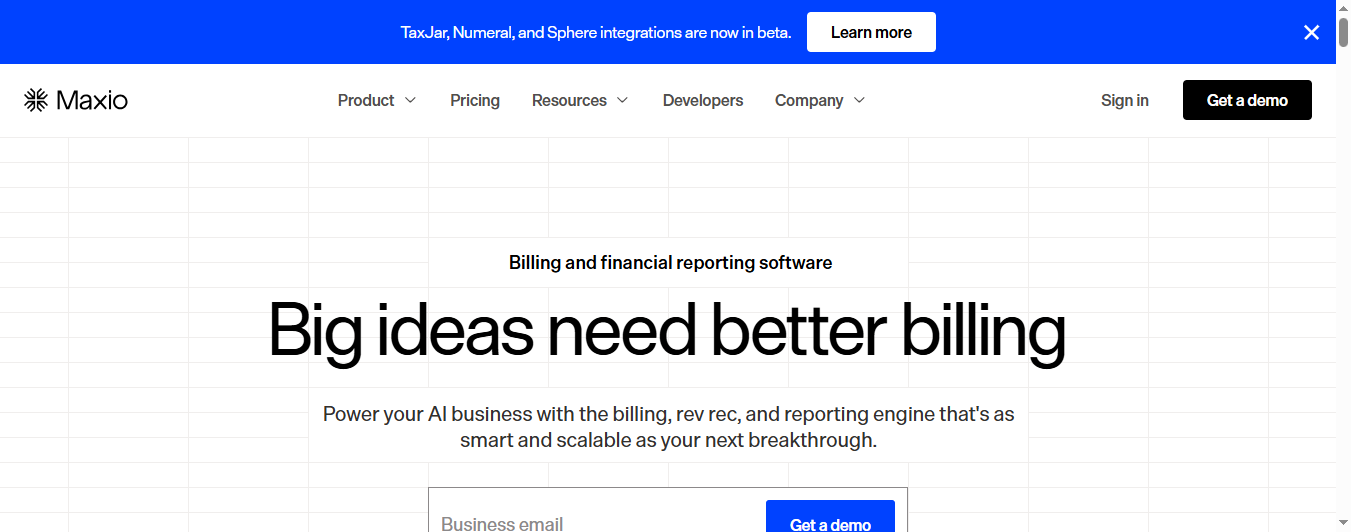 Maxio is widely associated with B2B SaaS billing, subscription operations, and revenue recognition. It is a common fit for SaaS finance teams dealing with recurring revenue, contract changes, and revenue schedules.
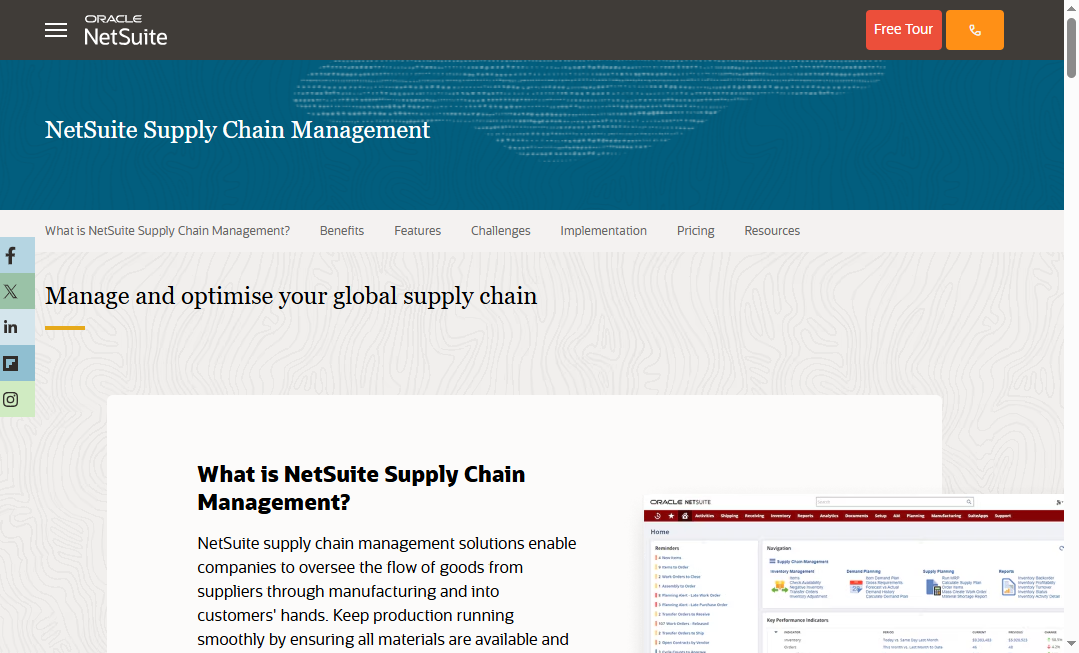 NetSuite Revenue Management is a common choice for businesses already operating on NetSuite ERP. It supports revenue recognition workflows within a broader financial management environment.
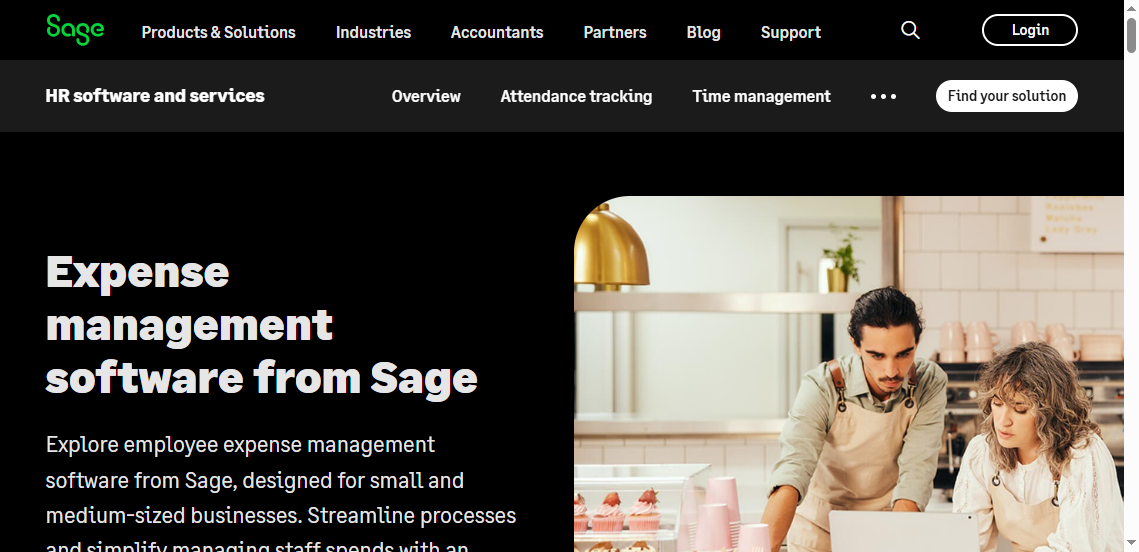 Sage Intacct is often chosen by finance teams seeking stronger accounting automation and revenue handling than basic accounting tools can provide.
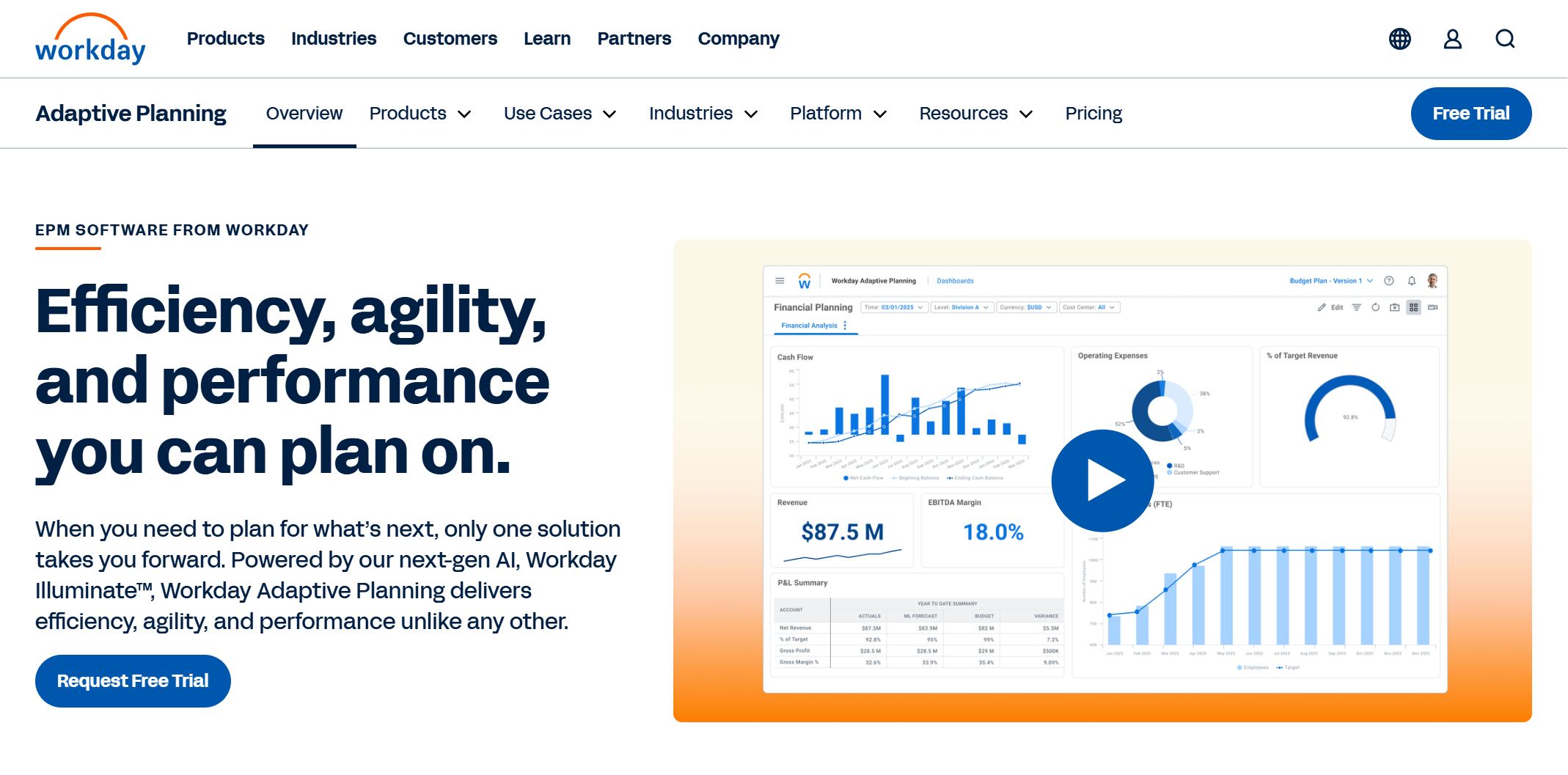 Workday Revenue Management serves larger organizations managing the revenue lifecycle in a broad enterprise framework.
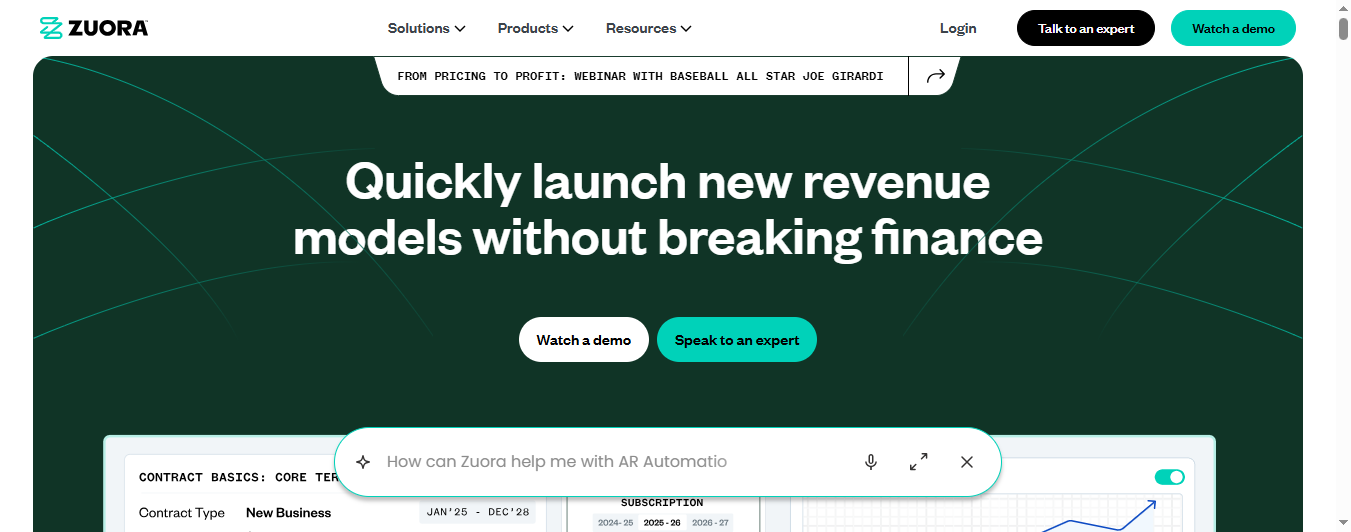 Zuora is well known in subscription billing and recurring revenue operations. It is often evaluated by companies with evolving billing models and high transaction volume.
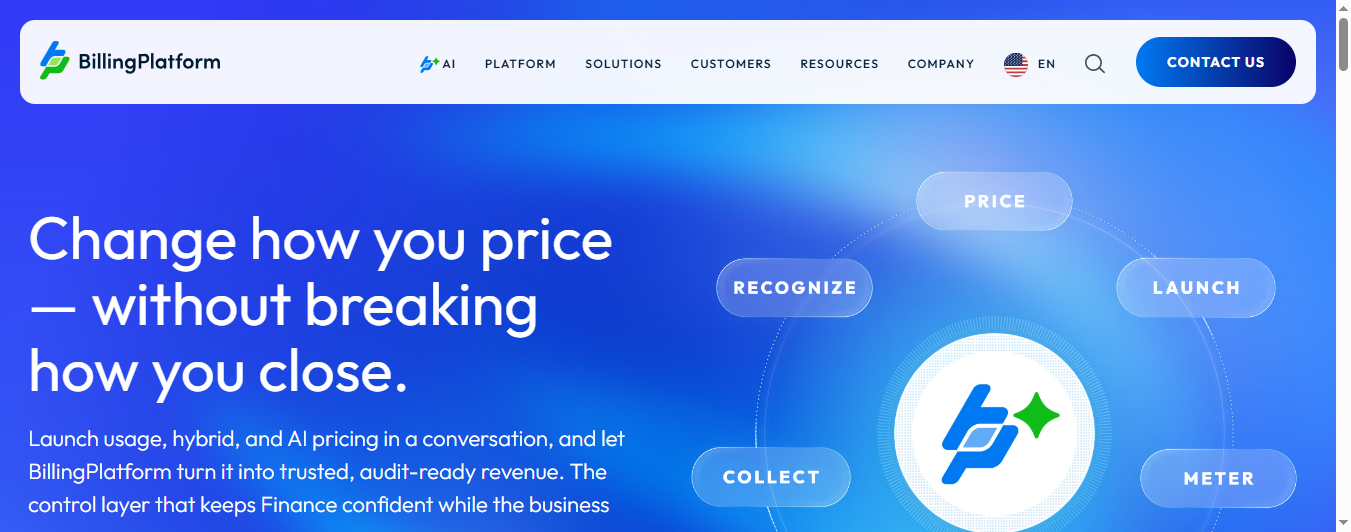 BillingPlatform is built for complex monetization and billing environments, with revenue recognition capabilities and reporting visibility tied closely to billing operations.