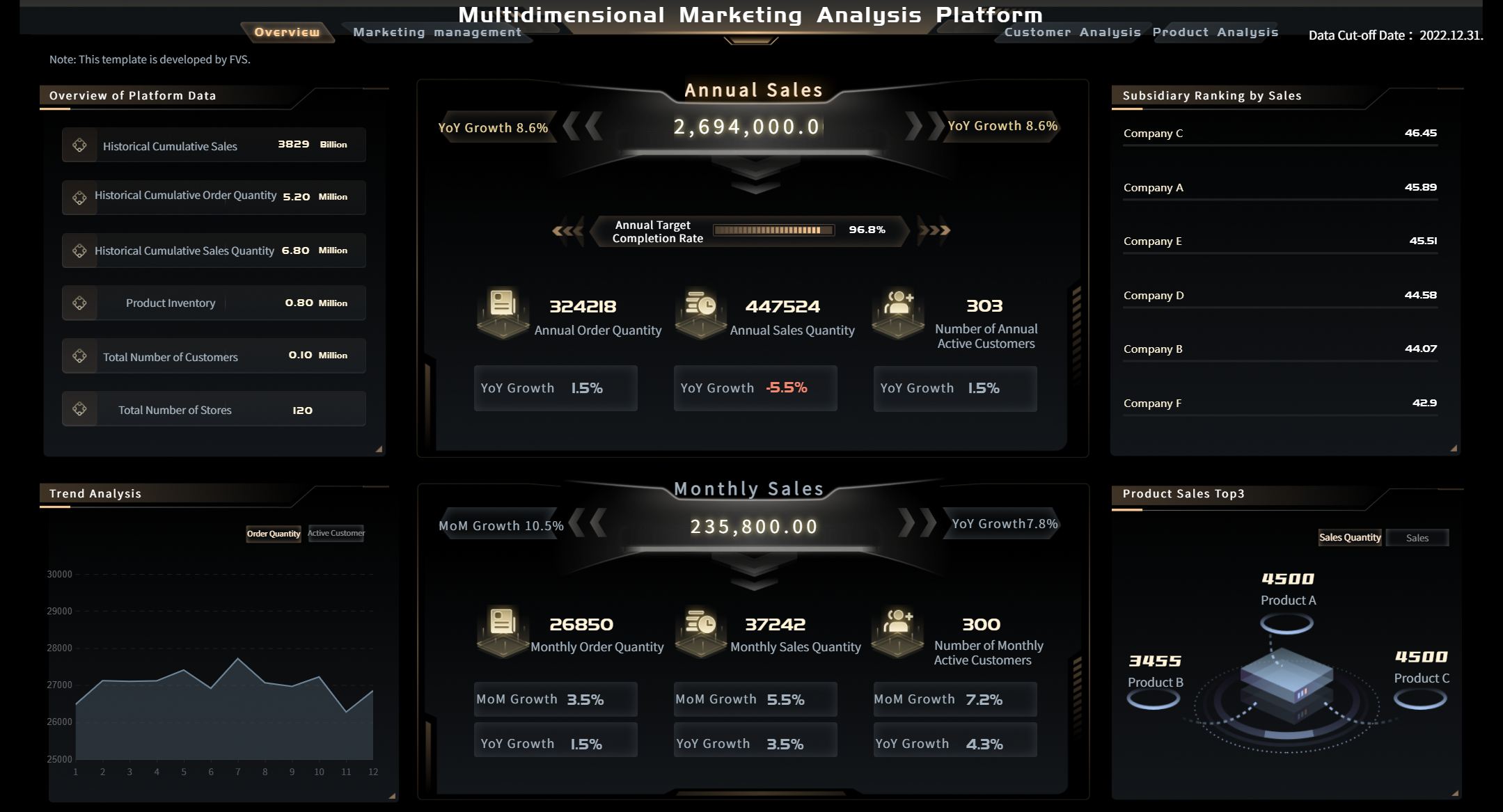
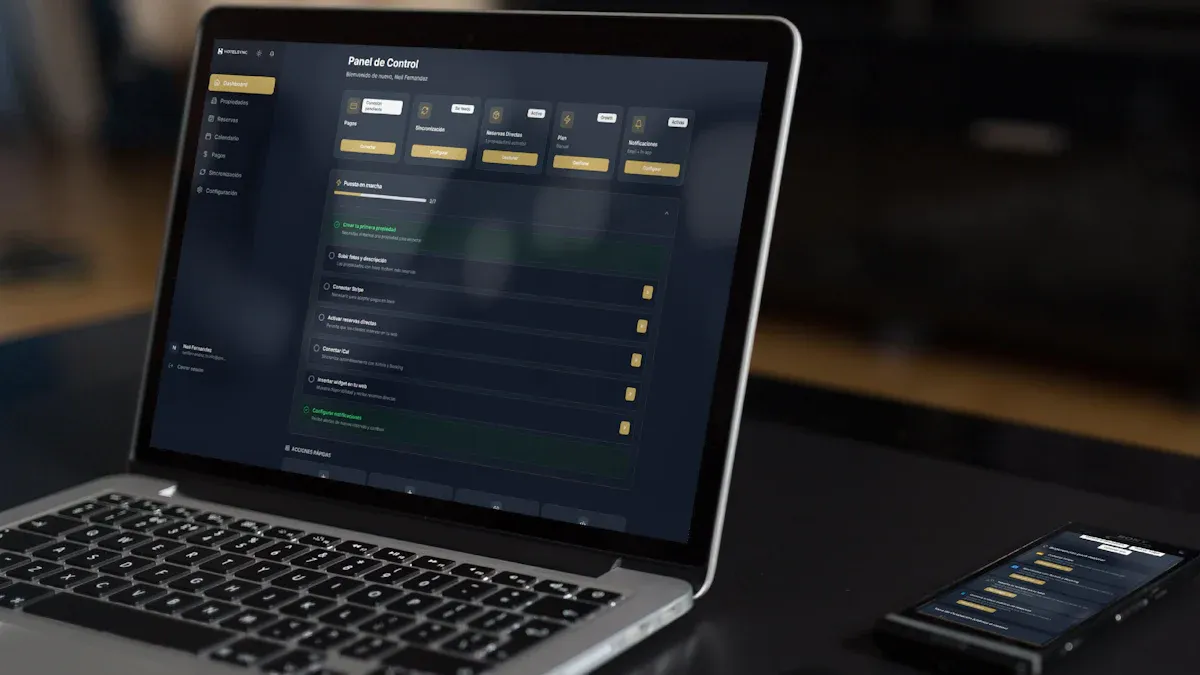
A marketing intelligence dashboard helps you see all your marketing data in one spot. You can watch campaigns, check results, and react fast to changes. When your data is together and you get real-time insights, you see your marketing clearly. You can make quick choices and show your team how your work helps. Top tools like FineBI let you connect data from many places.
Benefit
Description
Comprehensive Visibility
Unified data gives you a full view of your marketing performance.
Immediate Decision-Making
Real-time insights help you adjust campaigns right away for better results.
Demonstrating Marketing Value
You can link your actions to business outcomes and show your impact.
What Is a Marketing Intelligence Dashboard?
Core Purpose and Value
A marketing intelligence dashboard puts all your marketing data in one place. You do not have to use many tools or look at lots of reports. You can watch your campaigns, check results, and see trends as they happen. This dashboard shows you what works and what does not. You can make changes fast and see what happens right away.
Here is how top companies explain a marketing intelligence dashboard:
Definition of Marketing Intelligence Dashboard
A marketing dashboard is a main, real-time screen that brings data from different places into one view for tracking and making choices. It lets marketers watch KPIs and run campaigns well.
You save time because you do not need to check many sites. You can see all your analytics in one spot. This makes things less confusing and helps your team see what customers do. You can change your marketing plans quickly because you get live data. You can also show how your work helps the business by linking your actions to results.
Some main values of a marketing intelligence dashboard are:
Watching how you do and making your goals clear.
Closing the gap between knowing and doing by using better data.
Giving you live views of key numbers and campaign data.
Helping you automate messages based on what you learn.
FineBI are examples of new marketing intelligence dashboard tools. They help you link data from many places and give you ways to study and use your marketing info.
How Marketing Intelligence Dashboards Work
A marketing intelligence dashboard brings together data from many sources. It cleans, sorts, and shows this data in simple charts and tables. You can see your KPIs and other key numbers in one place.
The main parts of a marketing intelligence dashboard are:
Component/Process
Description
Data Processing
Cleans, changes, and sums up data to give helpful insights.
Visualization
Shows data with charts, graphs, and tables so it is easy to understand.
User Interface Design
Makes the dashboard simple and easy for everyone to use.
Key Performance Indicators (KPIs)
Watches the most important marketing numbers for your goals.
User-Centric Design
Changes the dashboard to fit what different users need.
Accessibility Considerations
Makes sure everyone can use the dashboard, even people with disabilities.
Continuous Feedback and Improvement
Uses feedback to make the dashboard better over time.
You can link your dashboard to over 50 data sources without moving the data. You get live queries, so you always see the newest numbers. You can connect with Google Ads and Facebook in real time. FineBI, for example, lets you link, clean, and show your marketing data with just a few clicks.
Who Uses Marketing Intelligence Dashboards
Many people in a company can use a marketing intelligence dashboard. Here are some examples:
Marketing managers use it to watch campaigns and change plans.
Analysts use it to look at data and find patterns.
Executives use it to see the big picture and make choices.
Sales teams use it to find the best leads.
Customer service teams use it to spot problems and help customers better.
You can set up the dashboard for each group. Some people may want a simple look at results. Others may want to dig deep into the data. FineBI make it easy for everyone to get the info they need.
How Is a Marketing Intelligence Dashboard Different?
You might wonder how a marketing intelligence dashboard is not the same as a regular marketing dashboard. Here is a quick look:
Feature
Marketing Intelligence Dashboards
Traditional Marketing Dashboards
Data Integration
Real-time data integration
Old data with set updates
Analytics Capabilities
Live questions for quick answers
Uses past data
A marketing intelligence dashboard links to many data sources in real time. You get the latest information. You can ask questions and get answers right away. Regular marketing dashboards often use old data and update less often. They may not link to as many sources or give you live answers.
With a marketing intelligence dashboard, you can:
See all your marketing data in one spot.
Get updates as they happen.
Make choices faster.
Use insights right away.
FineBI are top tools that give you these smart marketing intelligence features.
Key Features and Metrics in Marketing Intelligence Dashboards
Essential Features Overview
A marketing intelligence dashboard gives you tools to help make good choices. These dashboards gather data from many places and put it together. You can check your marketing cloud intelligence and see what your competitors are doing. You can also watch market trends as they change. You can set up your dashboard in a way that works for you. Real-time analytics let you see what is happening right now.
Some features you will find in a marketing intelligence dashboard are:
These features help you find problems fast and fix them quickly. You can use data to make better marketing choices. You can also work with your team and share what you learn.
Common Marketing Metrics Tracked
A marketing intelligence dashboard lets you follow many marketing metrics. You can see how your campaigns do on different channels. You can check social media engagement, customer segmentation, and SEO performance. You can also watch PPC analytics and see how well your marketing works.
Some common marketing metrics are:
Social media engagement (likes, shares, comments, follower growth, post reach)
You can use these metrics to measure your marketing KPIs. You can see which actions work best. You can also use data visualization to make your results easy to understand.
Integration with Marketing Cloud and Data Sources
Your marketing intelligence dashboard should connect to many data sources. FineBI helps you do this easily. You can use FineDataLink to bring in data from marketing cloud platforms, APIs, and databases. This keeps all your data in one place and makes your dashboard strong.
Feature
Description
FineDataLink
Lets you integrate data from many sources for marketing cloud intelligence.
Supported Sources
Connects to databases, APIs, and cloud storage for marketing dashboards.
Automation
Automates data sync for fast and accurate marketing reporting.
When you use real-time data, everyone sees the same numbers. You do not need to check lots of documents. You get up-to-date and correct marketing analytics. Self-service analytics let you explore your dashboard without waiting for IT. You can process new data right away and find problems before they get bigger. This helps you avoid mistakes and keeps your marketing choices smart.
Types and Use Cases of Marketing Intelligence Dashboards
Campaign Performance Dashboards
A marketing intelligence dashboard helps you watch your campaigns as they happen. This dashboard shows important numbers like return on ad spend, cost per lead, and conversion rate. You can see which ads do well and which do not. You can move your money to better channels and stop wasting it. You make choices using facts, not just guesses.
You can try these steps: First, look at old data and trends to see what works. Next, change your campaigns when you notice new patterns. Then, use what you learn to make better marketing campaigns.
Social Media and Marketing Cloud Intelligence
A marketing intelligence dashboard lets you watch your social media and marketing cloud channels. You get live data from all your platforms in one spot. You can see likes, shares, and comments. You can also check how your posts help your business. These dashboards make reports for you, so you do not have to do it by hand. You can use charts to look at the data and find answers fast.
Live cross-channel data gives you a full view.
Automatic reports save time and keep everyone in the loop.
Visual tools and filters help you see trends and act fast.
Customer Segmentation and Membership Management
A marketing intelligence dashboard helps you group your customers. You can sort them by age, where they live, or what they buy. This helps you send the right message to each group. You can use marketing cloud intelligence to send messages and offers automatically. You can also use templates to build your dashboard faster. This makes your marketing more personal and helps you reach your goals.
Customer segmentation helps you talk to the right people.
You can send messages that fit what each group likes.
Automation makes your marketing faster and better.
Industry Examples with FineBI
You can see how marketing intelligence dashboards work in real life. In stores, FanRuan’s membership tool uses data to make customer profiles. You can track who buys the most and send them special deals. You can also see which products sell best and plan your next campaign. UnionPay Data Services used FineBI to put all their data together. They found out which customers needed more help and made better marketing choices. Their dashboard helped them get more people interested and make more money.
Benefits and Challenges of Marketing Intelligence Dashboards
Key Benefits for Marketing Teams
When you use a marketing intelligence dashboard, you get many good things. You can see all your marketing data in one place. This helps you make better choices and act fast. Here are some main benefits:
You make better decisions because you see clear data.
You build stronger plans by knowing more about the market.
You show how your marketing helps the business.
You can change your plans quickly when the market changes.
Your marketing campaigns work better.
You sell more by using smart strategies.
You keep more customers by learning what they like.
You get ahead of others by seeing the whole market.
FanRuan and FineBI help you reach these goals. They let you connect to many places, use marketing cloud intelligence, and track your marketing KPIs right away.
Common Challenges Solved
A marketing intelligence dashboard fixes many problems for marketing teams. Sometimes, it is hard to pick the right numbers to watch. It can be tough to show how your work helps the business. You may also find it hard to put all your data together. The table below shows how dashboards help:
Challenge
Description
Metric Selection
You can pick the best marketing KPIs for your goals.
Demonstrating Business Impact
You can show how marketing helps the business.
Data Integration
You can put data from many places together for a full look.
FanRuan and FineBI make these steps easier. You can collect, clean, and use your data for better marketing cloud intelligence and reports.
Impact on Decision-Making and ROI
A marketing intelligence dashboard changes how you work. You get answers faster and see better results. With AI-powered analytics and real-time data, you can change your marketing campaigns quickly. You spot problems early and fix them before they get big. You can also share dashboards with your team so everyone works together.
Feature
Impact on Decision-Making Speed and ROI
AI-Assisted Data Management
You save time and focus on your plans.
AI-Powered Insights
You get real-time data for quick changes.
Agentic Automation
You can automate checking and budget tasks.
Prebuilt Dashboards
You can see campaign data fast and easily.
FineBI help you check if your models work well, collect the right data, and find useful ideas. You can train predictive models and use them in your marketing cloud. This helps you get more from your money and make smarter choices.
Best Practices for Building Marketing Intelligence Dashboards
Steps to Create Effective Dashboards
You can make a good marketing intelligence dashboard by following some steps. First, connect your data sources like your marketing cloud and social media. Make sure you also link your analytics tools. Next, change and sort your data so it is easy to use. Match your marketing KPIs on all platforms so you can compare them. Clean your data to get rid of mistakes and extra copies. This helps your dashboard show the real results.
FineBI makes these steps easy. You just connect your data and use simple tools to build your dashboard. You can share your dashboard with your team and choose who can see it. This way, you get live data and can check your marketing cloud intelligence right away.
Connect your marketing cloud and other data sources.
Change and clean your data so reports are correct.
Build your dashboard with clear charts and interactive tools.
Share your dashboard and give your team live updates.
Recommended Tools and Platforms
There are many tools you can use to build a marketing intelligence dashboard. FanRuan gives you everything you need for business intelligence and analytics. FineBI lets you connect, study, and share your data by yourself. These tools help you find new ideas and make smart choices with data. With FineBI, you can watch your marketing KPIs, conversion rate, and other numbers. The platform gives you live data and lets you check your results right away. You get marketing cloud intelligence and dashboard features all in one place.
Tips for Maximizing Dashboard Value
You can get more from your dashboard if you follow some tips. Keep your dashboard on the web so everyone sees the same data. Set clear goals so your dashboard tracks the right marketing KPIs. Ask users what they need when you design the dashboard. Use one screen to keep things simple. Add drill-down tools so people can look deeper into the data. Focus on live updates and real-time insights. Make sure your dashboard uses live data for fast reports.
Best Practice
Description
Web-based Dashboards
Centralized, governed, and real-time information
Clear Objectives
Track relevant marketing KPIs and goals
User Engagement
Design with user needs and important metrics in mind
Single Screen Design
Concise dashboard for easy understanding
Drill Down Features
Explore data for deeper marketing insights
You can set a starting point and use templates to answer big questions. Keep your dashboard clear and update it often so your team stays on track. Use your dashboard every day to help your marketing cloud intelligence and make your marketing better.
Now you know that marketing intelligence dashboards help you see how your marketing is doing right now. These dashboards put all your data in one place. This makes it easy to find patterns and share ideas with your team. Tools like FineBI let you make dashboards that work for you.
Dashboards help you plan better and work well with others.
Pick features that let you move quickly and stay ahead.
Find tools that make data easy to get and simple to see.
Start using your marketing data today and help your business grow.
Product Trial
FineReport
Pixel-perfect reports · Interactive dashboards · Easy data entry · Digital twins